
The question “Is Hawaii part of the United States?” might seem straightforward to many, yet it frequently surfaces in travel forums, search engines, and conversations among prospective visitors. Given its remote location in the Pacific Ocean, thousands of miles from the North American mainland, it’s understandable why some might ponder Hawaii’s geopolitical status. Despite its distinct cultural identity and tropical allure, geographically set apart from the contiguous 48 states, the definitive answer is a resounding yes: Hawaii is indeed the 50th state of the United States of America. This fundamental fact carries profound implications for travelers, shaping everything from ease of access and currency to legal protections and cultural experiences.
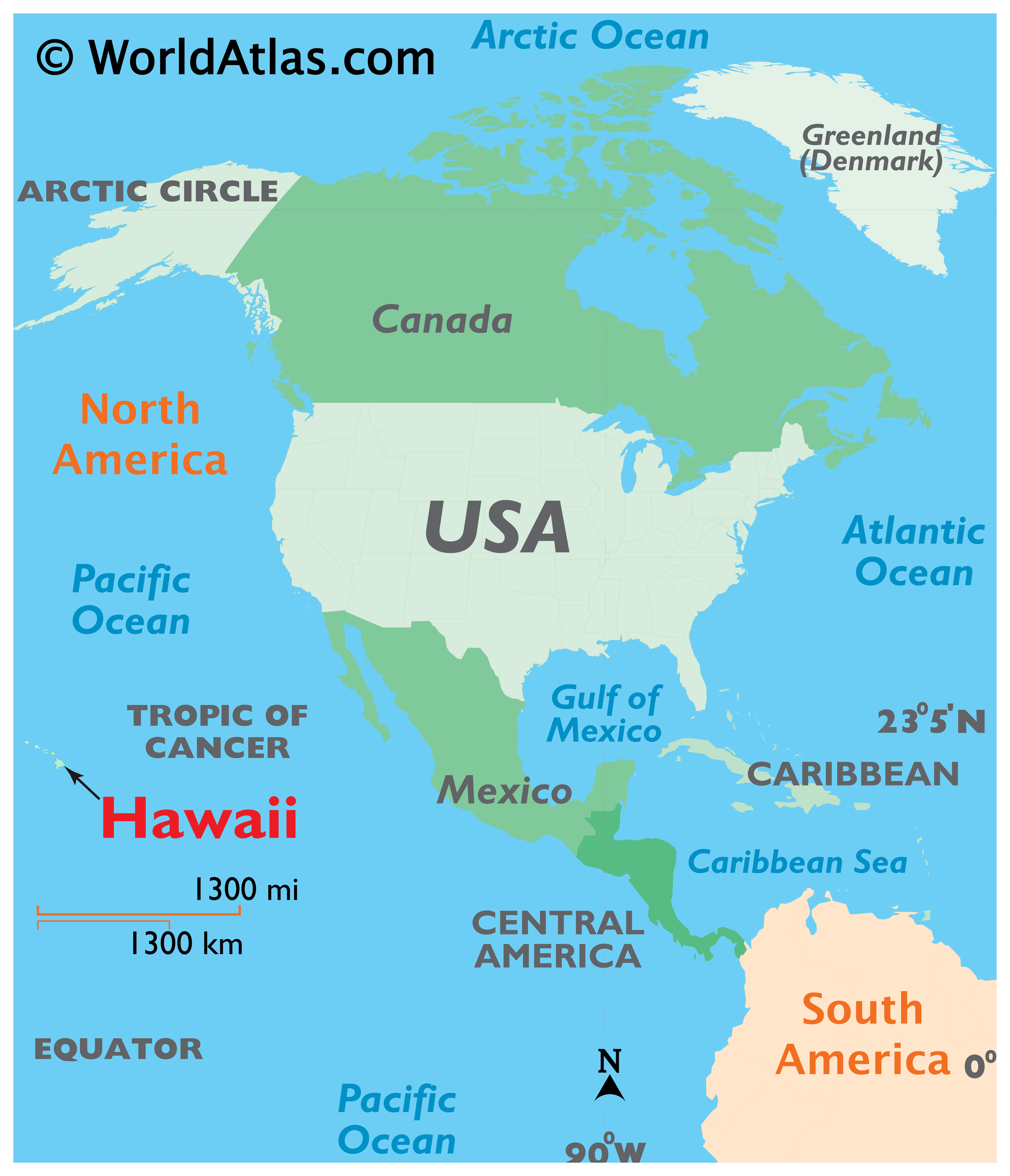
Understanding Hawaii’s status as a U.S. state is crucial for any traveler planning a visit. It demystifies aspects of travel that might otherwise be confusing, allowing visitors to anticipate the practicalities and fully immerse themselves in the unique blend of American familiarity and Polynesian exoticism that defines the archipelago. Far from being a foreign land requiring special visas or currency exchanges, Hawaii offers the seamless travel experience of a domestic destination, coupled with the adventure of an international getaway. This article aims to clarify Hawaii’s place within the U.S., exploring its historical journey to statehood and what this means for visitors seeking to explore its breathtaking landscapes and vibrant culture.
A Definitive Answer: Hawaii’s Statehood
For over six decades, Hawaii has proudly stood as the 50th state of the United States, officially joining the Union on August 21, 1959. This historical milestone was the culmination of a complex political evolution, transforming an independent kingdom into a U.S. territory, and ultimately, a full-fledged state. Its journey is unique, marked by a rich indigenous history, periods of foreign influence, and a decisive popular vote.
The Path to Union: Historical Context
Before its annexation by the United States in 1898, Hawaii existed as a sovereign monarchy, unified under King Kamehameha I in the early 19th century. This period saw the flourishing of Hawaiian culture and the establishment of diplomatic ties with various global powers. However, the late 19th century brought increasing American influence, driven by missionary efforts, sugar plantations, and strategic military interests in the Pacific Ocean. The overthrow of Queen Liliuokalani, Hawaii’s last monarch, in 1893, and its subsequent annexation by the United States as a territory, set the stage for its eventual statehood.
The path to statehood was protracted, debated for decades due to concerns over its racial demographics, distance from the mainland, and potential impact on existing political balances. However, the strategic importance of Hawaii, dramatically underscored by the Pearl Harbor attack in 1941, and growing advocacy from within the territory, eventually led to the passage of the Hawaii Admission Act. A plebiscite held in 1959 saw an overwhelming 94% of voters choose statehood, cementing Hawaii’s place in the Union. This historical context is vital for travelers, as remnants of its royal past and wartime history are preserved in sites like Iolani Palace and the Pearl Harbor National Memorial, offering profound insights into the islands’ unique narrative.
What Statehood Means for Travelers
For visitors, Hawaii’s status as a U.S. state simplifies virtually every aspect of travel. U.S. citizens can travel to Hawaii without a passport, just as they would to any other state. The official currency is the U.S. Dollar, and English is one of the two official languages (the other being Hawaiian), though Hawaiian is primarily used for cultural and ceremonial purposes. This eliminates the need for currency exchange, language translation apps, or concerns about international roaming charges for most American travelers.
Furthermore, statehood ensures adherence to U.S. federal laws, regulations, and safety standards. This includes consumer protections, health and safety codes, and environmental conservation efforts. Travelers benefit from the familiar legal framework, emergency services, and infrastructure associated with the United States, providing a sense of security and predictability often absent in foreign travel. From readily available credit card processing to regulated food and beverage establishments, the convenience is undeniable.
The Unique Blend: American Identity with Polynesian Spirit
Despite its undeniable American identity, Hawaii stands out as a state unlike any other. It is a vibrant tapestry woven from indigenous Polynesian heritage, Asian influences from waves of immigration, and mainland American culture. This unique blend creates an unparalleled travel experience, offering visitors a taste of diverse traditions within a familiar national framework.
Cultural Mosaic: Beyond the Mainstream
Hawaii’s cultural landscape is profoundly shaped by its multi-ethnic population. While American values and conveniences are pervasive, the deep-rooted Hawaiian culture, with its emphasis on “Aloha” (love, peace, compassion) and “Malama Aina” (care for the land), permeates daily life. This is evident in local customs, traditional music (hula), cuisine, and the warm hospitality extended to visitors. The preservation of the Hawaiian language, traditions, and historical sites ensures that the unique spirit of the islands remains vibrant, offering travelers an immersive cultural experience that goes far beyond typical resort stays.
Moreover, the significant populations of Japanese, Filipino, Chinese, and other Asian communities have enriched the islands with their own traditions, festivals, and culinary delights. This cultural fusion results in a diverse and fascinating environment, where a Buddhist temple might stand next to a historic plantation, and a local luau serves kalua pig alongside sushi and Korean BBQ. For travelers, this means an endless array of authentic experiences, from exploring historic neighborhoods in Honolulu to participating in local community events that celebrate this rich heritage.
Navigating the Islands: Ease of Travel
For those venturing from the mainland, the journey to Hawaii feels distinctly international yet remarkably smooth. Major U.S. airlines offer direct flights to Honolulu on Oahu, Kahului on Maui, Lihue on Kauai, and Kona and Hilo on the Big Island. Once on the islands, domestic inter-island flights are frequent and efficient, making it easy to hop between the major destinations. This seamless connectivity allows travelers to design multi-island itineraries without the complications of international border crossings or varied travel protocols.

Infrastructure across Hawaii mirrors that of other developed U.S. states, with well-maintained roads, reliable public transportation options in urban areas, and a proliferation of familiar services and amenities. Visitors can expect access to high-speed internet, cellular service, and standard U.S. power outlets. Rental cars are widely available, enabling independent exploration of scenic routes like Maui’s Road to Hana or the lush landscapes of Kauai’s Napali Coast. This ease of navigation allows travelers to focus purely on the unparalleled beauty and unique experiences Hawaii has to offer, rather than logistical hurdles.
Implications for Travel Planning
Understanding Hawaii’s status as a U.S. state profoundly simplifies travel planning, particularly for citizens and residents of the United States. It transforms what might appear to be an exotic, far-flung destination into an accessible domestic adventure, albeit one with a distinct flair.
Currency, Laws, and Connectivity
As part of the United States, the official currency in Hawaii is the U.S. Dollar. This means no foreign currency exchange is necessary, and all major credit cards and banking services function seamlessly, just as they would on the mainland. Travelers can use their existing debit and credit cards without incurring international transaction fees, and ATMs are readily available.
The legal framework is also consistent with the rest of the United States. State and federal laws apply, offering visitors the same protections and responsibilities they would encounter elsewhere in the country. This includes consumer rights, traffic laws, and public safety regulations. For international visitors, standard U.S. visa requirements apply, making it easier to combine a trip to Hawaii with other American destinations without additional visa applications.
Furthermore, connectivity is robust. U.S. cell phone plans typically include Hawaii as part of domestic coverage, eliminating the need for international roaming or purchasing local SIM cards. Wi-Fi is widely available in hotels, resorts, and many public spaces. This seamless connectivity ensures travelers can stay in touch, navigate with ease, and share their experiences without interruption.
Safety and Healthcare Considerations
Safety in Hawaii generally aligns with that of other well-traveled U.S. destinations. While petty crime can occur, violent crime rates are relatively low, particularly in tourist areas. Visitors can feel secure exploring its beautiful beaches and vibrant cities. The emergency services (911 for police, fire, and medical emergencies) are the same as on the mainland, providing a reliable safety net.
Healthcare access and quality are also consistent with U.S. standards. Hawaii boasts modern hospitals and clinics, particularly on the more populated islands like Oahu and Maui. For U.S. citizens, existing health insurance plans typically cover medical care in Hawaii, removing the need for special travel insurance for domestic medical emergencies. This offers significant peace of mind, especially for families or those with pre-existing conditions. While costs can be high, similar to other parts of the United States, the availability of quality care is a reassuring factor for travelers.
Hawaii’s Appeal as an American Destination
Beyond the practicalities, Hawaii’s status as a U.S. state enhances its appeal as a premier travel destination. It offers a unique blend of exoticism and familiarity, providing an accessible yet profoundly different experience for American travelers.
Diverse Landscapes and Activities
From the volcanic grandeur of the Big Island’s Hawaii Volcanoes National Park to the dramatic cliffs of Kauai’s Na Pali Coast, and the iconic surfing breaks of Oahu’s North Shore, Hawaii presents an astonishing array of natural wonders. Travelers can hike through lush rainforests, sunbathe on black sand beaches, snorkel in vibrant coral reefs, or witness breathtaking sunrises from the summit of Maui’s Haleakala National Park. The familiarity of U.S. park services and safety regulations makes exploring these natural treasures straightforward and enjoyable.
The diverse activities cater to all types of travelers. Adventure seekers can try surfing, scuba diving, or helicopter tours. History buffs can delve into the events of Pearl Harbor or explore the historical sites of Honolulu. Those seeking relaxation will find world-class resorts, pristine beaches, and rejuvenating spas. The ability to experience such a wide spectrum of activities, all within a familiar national context, makes Hawaii an incredibly attractive destination.
Bridging Continents: A Gateway Experience
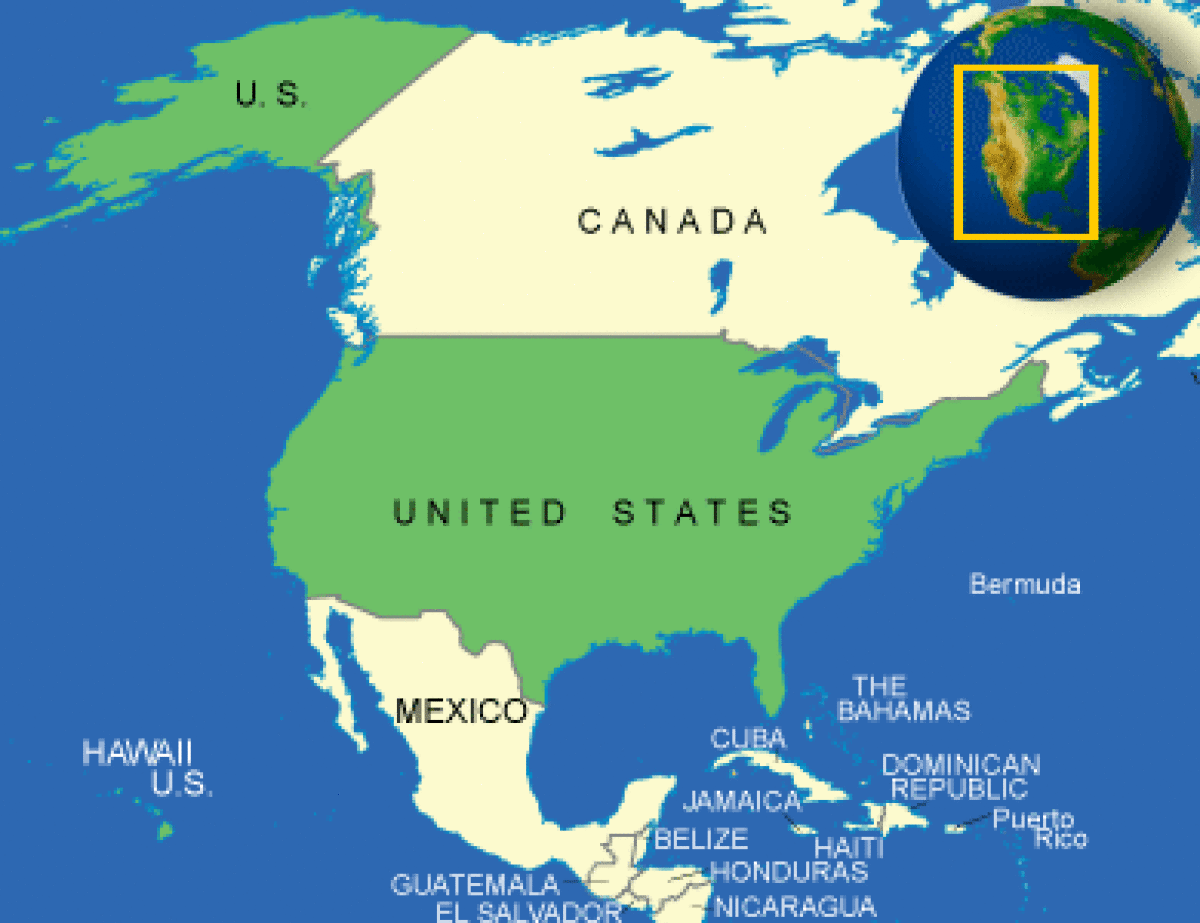
Hawaii’s geographical position in the mid-Pacific Ocean makes it a natural bridge between North America and Asia. For many American travelers, it serves as an ideal “gateway” experience to a more exotic, Polynesian or Asian-influenced culture without ever leaving the United States. This unique positioning offers a taste of international travel, with distinct flora, fauna, and cultural nuances, while providing the comfort and security of domestic travel.
For international visitors, Hawaii offers a captivating introduction to American diversity, showcasing a side of the nation that extends far beyond its continental borders. It embodies the expansive spirit of the United States – a nation capable of embracing and integrating vastly different cultures and geographies into its fabric.
In conclusion, the question of whether Hawaii is part of the United States can be definitively answered: yes, it is the 50th state, and this status profoundly shapes the travel experience. It provides a unique blend of seamless domestic travel with an exotic, culturally rich adventure, making it an unparalleled destination for explorers worldwide. From its compelling history to its vibrant present, Hawaii truly is America’s tropical paradise.
LifeOutOfTheBox is a participant in the Amazon Services LLC Associates Program, an affiliate advertising program designed to provide a means for sites to earn advertising fees by advertising and linking to Amazon.com. Amazon, the Amazon logo, AmazonSupply, and the AmazonSupply logo are trademarks of Amazon.com, Inc. or its affiliates. As an Amazon Associate we earn affiliate commissions from qualifying purchases.