
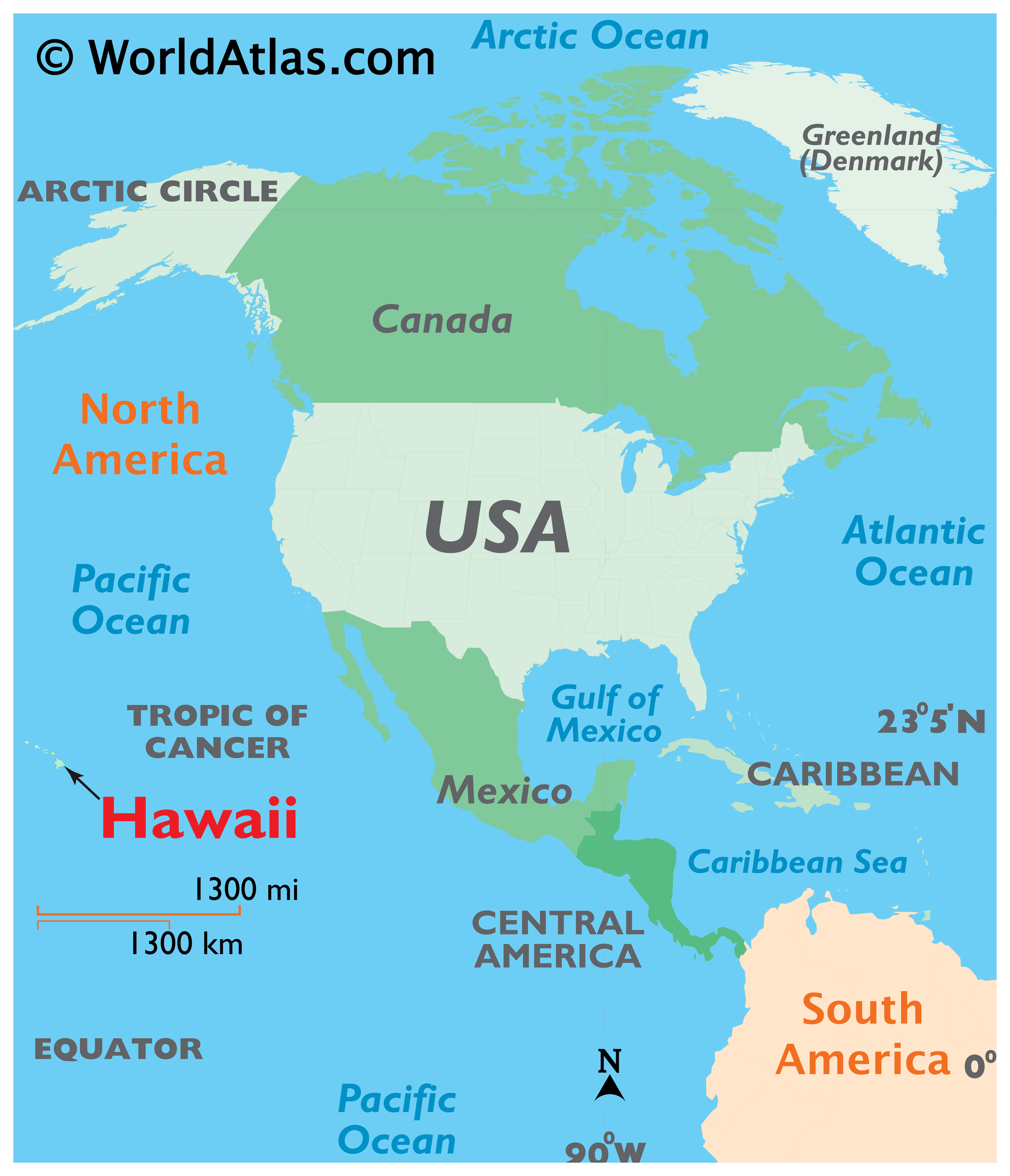
The question “Is Hawaii part of the USA?” might seem straightforward to many, but it occasionally surfaces, especially for international travelers or those unfamiliar with American geography and history. The definitive answer is an unequivocal yes. Hawaii is not only a part of the United States but proudly holds the distinction of being its 50th state, admitted to the Union on August 21, 1959. This tropical archipelago, nestled in the heart of the Pacific Ocean, offers a unique blend of American culture with a rich Polynesian heritage, making it a dream destination for travelers seeking diverse experiences.
For anyone planning a trip, understanding Hawaii’s status as a US state is fundamental. It simplifies travel logistics for US citizens and integrates the islands into the broader American travel and tourism infrastructure. From bustling cities like Honolulu to the serene landscapes of the Big Island, Maui, and Kauai, visitors can expect the conveniences and protections of American law, currency (US Dollar), and services, all wrapped in the enchanting Aloha Spirit. This article will delve into Hawaii’s fascinating journey to statehood and explore what makes this American paradise an unparalleled destination for travel, accommodation, and unforgettable lifestyle experiences.
A Definitive Yes: Hawaii’s Place in the Union
The path to Hawaii’s statehood is a compelling narrative of cultural exchange, political shifts, and ultimately, integration into the United States. Far from being a foreign territory, the islands have a deep-seated connection with the American identity that stretches back over a century.
From Kingdom to Statehood: A Brief History
Long before its current status, Hawaii was an independent kingdom, unified in 1810 by the legendary King Kamehameha I. For nearly a century, the Hawaiian monarchy flourished, navigating complex relationships with global powers, including the United States, Great Britain, and France. American missionaries and businessmen, particularly in the sugar industry, began to exert significant influence over the islands’ economy and politics throughout the 19th century.
The turning point came in 1893 with the overthrow of the Hawaiian monarchy, led by American and European residents, which saw the last reigning monarch, Queen Liliuokalani, deposed. This event was controversial and met with strong opposition from many native Hawaiians. A provisional government was established, which then declared itself the Republic of Hawaii in 1894. Driven by strategic interests, particularly in the burgeoning Pacific Ocean trade and military considerations, the United States officially annexed Hawaii in 1898, transforming it into a US territory.
The 50th State: Integration and Identity
For over 60 years, Hawaii operated as a US territory, its residents American citizens but without full voting representation in the US Congress. The territory’s strategic importance became tragically evident during World War II with the infamous attack on Pearl Harbor on Oahu in December 1941, an event that propelled the United States into the global conflict. The bravery and loyalty of Hawaiian residents, many of whom served in the American armed forces, further solidified the case for full statehood.
Following a popular referendum where an overwhelming majority of Hawaiian residents voted in favor of joining the Union, Hawaii was officially admitted as the 50th state on August 21, 1959. This marked a historic moment, not only for Hawaii but for the United States as it embraced a state with a distinctly non-continental and multicultural identity. Today, Hawaii thrives as a vibrant and integral part of the American fabric, contributing its unique cultural tapestry, breathtaking natural beauty, and economic vitality to the nation. Its status as the “Aloha State” perfectly encapsulates its welcoming spirit and distinct charm within the broader American experience.

Experiencing the American Paradise: Travel and Tourism in Hawaii
With its status firmly established as part of the USA, Hawaii stands as one of the world’s most coveted travel destinations. Its allure lies not just in its pristine beaches but in a rich tapestry of culture, adventure, and unparalleled natural beauty that caters to every type of traveler.
Destinations and Attractions: Beyond the Beaches
The Hawaiian archipelago comprises eight main islands, each offering a distinct personality and an array of attractions. Oahu, home to the capital city of Honolulu and the iconic Waikiki Beach, is a bustling hub combining urban sophistication with natural wonders. Visitors flock here for surfing lessons, world-class dining, and significant historical sites like Pearl Harbor and the USS Arizona Memorial.
Maui, known as the “Valley Isle,” boasts stunning scenic drives like the Road to Hana, breathtaking sunrises from Haleakala National Park‘s summit, and vibrant resort towns such as Lahaina. Kauai, the “Garden Isle,” captivates with its lush rainforests, dramatic cliffs of the Na Pali Coast, and the majestic Waimea Canyon. The Big Island, officially Hawaii Island, offers incredible diversity, from the active volcano Kilauea within Hawaii Volcanoes National Park to the black sand beaches of Hilo and the coffee farms of Kailua-Kona. Lesser-known islands like Molokai and Lanai offer even more secluded escapes, embodying a slower pace of life and untouched beauty.
Local Culture and Cuisine: A Melting Pot of Flavors
Hawaiian culture is a vibrant fusion of its indigenous Polynesian roots, Asian influences from immigrant laborers, and mainland American traditions. This unique blend is palpable in everything from its music and dance (hula is a must-see) to its diverse and delicious cuisine. Visitors can immerse themselves in the local culture by attending a traditional luau, which combines storytelling, hula performances, and a feast featuring kalua pig, poi, poke, and fresh seafood.
The food scene in Hawaii is a gastronomic adventure. Beyond the luau staples, one can savor fresh Ahi poke bowls, indulge in plate lunches, or explore innovative farm-to-table restaurants that highlight local ingredients. Coffee lovers will appreciate the world-renowned Kona coffee, while those with a sweet tooth can enjoy shave ice and malasadas. Engaging with the local culture also means experiencing the Aloha Spirit – a profound sense of hospitality, mutual respect, and love for the land and community that permeates daily life.
Activities and Experiences: Adventure Awaits
For adventurers and relaxation seekers alike, Hawaii presents an endless playground of activities. The surrounding waters are perfect for surfing (from beginner lessons in Waikiki to big wave challenges on the North Shore of Oahu), snorkeling, scuba diving amidst vibrant coral reefs, and seasonal whale watching, particularly off the coast of Maui. Deep-sea fishing, sailing, and kayaking are also popular aquatic pursuits.
On land, the islands offer world-class hiking trails, from challenging treks up volcanic peaks like Diamond Head on Oahu to leisurely walks through botanical gardens. Helicopter tours provide breathtaking aerial views of inaccessible valleys and waterfalls, while ziplining through rainforest canopies offers an adrenaline rush. For a deeper cultural immersion, attractions like the Polynesian Cultural Center on Oahu offer an enriching look into the island nations of Oceania. Whether it’s exploring active volcanoes, relaxing on a pristine beach, or delving into ancient Hawaiian legends, the Aloha State promises unforgettable experiences.

Accommodation and Lifestyle: Staying in Style or on a Budget
As a premier travel destination, Hawaii offers a vast spectrum of accommodation options, catering to every preference and budget. From ultra-luxury resorts to charming boutique hotels and practical vacation rentals, planning your stay is an integral part of shaping your Hawaiian lifestyle experience.
Hotels and Resorts: Luxury, Comfort, and Views
The islands are dotted with an impressive selection of hotels and resorts that define luxury and comfort. In Waikiki, iconic properties like The Royal Hawaiian, often called the “Pink Palace of the Pacific,” and the historic Moana Surfrider, A Westin Resort & Spa, offer beachfront elegance. On Maui’s sun-drenched shores, resorts like the Four Seasons Resort Maui at Wailea and the Hyatt Regency Maui Resort and Spa provide unparalleled amenities, from world-class spas and golf courses to exquisite dining and breathtaking ocean views.
For those venturing to Kauai, the Grand Hyatt Kauai Resort & Spa is a prime example of island luxury, blending seamlessly with the natural landscape. Family-friendly resorts, such as Aulani, A Disney Resort & Spa on Oahu, combine themed activities with Hawaiian charm, ensuring a magical vacation for all ages. These establishments often serve as destinations in themselves, offering an array of amenities like swimming pools, private beach access, concierge services, and organized excursions, making them perfect for a hassle-free and indulgent getaway.
Alternative Stays and Long-term Options
Beyond the traditional hotel experience, Hawaii offers a burgeoning market for alternative accommodations. Vacation rentals, including apartments, condos, and villas, are incredibly popular, especially for families or groups seeking more space and the convenience of a kitchen. Platforms allow travelers to book anything from cozy beachfront cottages to sprawling private estates, offering a more localized and independent travel experience.
For those planning an extended stay or considering a digital nomad lifestyle, long-term rentals are readily available. These options provide a sense of home away from home, allowing visitors to truly immerse themselves in the local community and rhythm of island life. Boutique hotels and charming bed-and-breakfasts also offer a personalized touch, often providing unique insights into local culture and hidden gems.
Budget-Friendly Trips vs. Lavish Getaways
While Hawaii is often associated with luxury, it’s entirely possible to experience the islands on a budget. Hostels and guesthouses provide affordable lodging, particularly in cities like Honolulu and Lahaina. Opting for vacation rentals and cooking some meals can significantly reduce food costs, while local eateries and food trucks offer delicious and economical alternatives to resort dining. Many of Hawaii’s most stunning attractions – its beaches, hiking trails, and scenic drives – are entirely free to enjoy.
On the other hand, for those seeking the pinnacle of indulgence, Hawaii delivers. Private yacht charters, exclusive helicopter tours, gourmet dining experiences by celebrity chefs, and stays in opulent private villas are readily available. Whether your travel lifestyle leans towards economical exploration or extravagant pampering, Hawaii has the infrastructure and options to accommodate your desires, ensuring an unforgettable trip tailored to your preferences.
Iconic Landmarks and Natural Wonders
Hawaii is a treasure trove of historical landmarks and awe-inspiring natural wonders, each telling a part of the islands’ compelling story and showcasing their breathtaking beauty. These sites are not merely tourist attractions but profound spaces that connect visitors to the past and the raw power of nature.
Historical Sites: Echoes of the Past
No visit to Oahu is complete without a solemn journey to Pearl Harbor. This active naval base is home to several memorials commemorating the December 7, 1941 attack, most notably the USS Arizona Memorial, which stands over the sunken battleship. It’s a poignant reminder of World War II and Hawaii’s critical role in American history.
In downtown Honolulu, the magnificent Iolani Palace stands as the only official residence of a reigning monarch on US soil. This architectural marvel offers a glimpse into the opulent lives of Hawaiian royalty, including King Kamehameha I and Queen Liliuokalani, and narrates the story of the Hawaiian Kingdom. On Maui, the historic whaling town of Lahaina preserves its 19th-century charm with wooden storefronts, a massive Banyan tree, and old missionary churches, offering a window into a bygone era of bustling maritime activity.
Breathtaking Landscapes: Nature’s Masterpiece
Hawaii’s natural landmarks are perhaps its most famous draw. The Big Island hosts Hawaii Volcanoes National Park, a UNESCO World Heritage Site, where visitors can witness the dynamic power of creation and destruction firsthand. The park is home to two of the world’s most active volcanoes, Kilauea and Mauna Loa, offering opportunities to see lava flows (when active and safe) and explore dramatic volcanic landscapes.
On Kauai, the Na Pali Coast is a spectacle of emerald-hued cliffs, cascading waterfalls, and secluded beaches, best viewed from a boat tour, helicopter, or a challenging hike. Also on Kauai, the immense Waimea Canyon, often called the “Grand Canyon of the Pacific,” stuns with its vibrant red soil and deep chasms. Maui’s Haleakala National Park allows visitors to stand above the clouds to watch unforgettable sunrises or sunsets from the summit of its dormant volcano, while Oahu’s iconic Diamond Head Crater offers a rewarding hike with panoramic views of Waikiki Beach and the Honolulu coastline. Each of these sites underscores Hawaii’s unique geological formation and its status as a pristine natural paradise within the United States.
Planning Your Trip to the Aloha State
Embarking on a journey to Hawaii means preparing for an incredible experience. As a US state, travel within the United States to Hawaii is seamless for US citizens, requiring no passports or special visas. For international visitors, the same entry requirements apply as for any other state in the USA.
Essential Tips for Travelers
When planning your trip to the Aloha State, consider the best time to visit. While pleasant year-round, the peak season generally runs from mid-December to March and during the summer months (June to August), when prices for flights and accommodations might be higher. Packing essentials should include reef-safe sunscreen, comfortable walking shoes, swimwear, and light clothing, though a light jacket may be needed for higher elevations or cooler evenings.
Respecting local customs and the delicate Hawaiian environment is paramount. Practice the Aloha Spirit by being mindful of the ‘aina (land) and kai (ocean), refraining from touching marine life, and leaving no trace behind. It’s also important to be aware of local traffic patterns, especially in popular areas like Honolulu, and plan travel times accordingly.
Navigating the Islands
Inter-island travel is primarily done by air, with short flights connecting the major islands of Oahu, Maui, Kauai, and the Big Island. Booking these flights in advance is advisable, particularly during peak season. Once on an island, renting a car is often the most convenient way to explore at your own pace, especially for destinations like the Road to Hana or Hawaii Volcanoes National Park. Public transportation options exist, particularly on Oahu with TheBus service, but they may not reach all tourist spots. Many resorts and tour operators also provide shuttle services or organized excursions.
Whether you’re exploring the bustling city life of Honolulu, the serene beaches of Maui, the dramatic cliffs of Kauai, or the volcanic landscapes of the Big Island, Hawaii offers a truly distinctive American experience. Its unique blend of history, culture, and natural splendor makes it an unforgettable destination for any traveler, firmly cementing its place not just as a part of the USA, but as one of its most cherished jewels.
LifeOutOfTheBox is a participant in the Amazon Services LLC Associates Program, an affiliate advertising program designed to provide a means for sites to earn advertising fees by advertising and linking to Amazon.com. Amazon, the Amazon logo, AmazonSupply, and the AmazonSupply logo are trademarks of Amazon.com, Inc. or its affiliates. As an Amazon Associate we earn affiliate commissions from qualifying purchases.