
When you imagine the vibrant landscapes of Hawaii – the turquoise waters, the lush green mountains, the fiery volcanoes – the question “Is Hawaii red or blue?” might initially evoke images of its natural palette. However, in the context of the United States political landscape, this seemingly simple query delves into the deep-seated historical, demographic, and cultural forces that have shaped the 50th state into a distinctive stronghold for one of the nation’s major political parties. Hawaii stands out as one of the most consistently “blue” states, not just in its electoral votes but in its very identity, reflecting a unique fusion of indigenous values, immigrant struggles, and a progressive vision for the future. Understanding this political hue is crucial not only for grasping the state’s governance but also for appreciating the unique lifestyle, tourism ethos, and cultural experiences that define the islands for both residents and visitors alike. From its early days as a kingdom to its tumultuous journey to statehood and its evolution into a modern global destination, Hawaii’s story is inextricably linked to its “blue” inclination, influencing everything from local governance to the approach to sustainable tourism and the preservation of its irreplaceable natural landmarks.
The Deep Roots of Hawaii’s Political Blue
Hawaii’s unwavering “blue” allegiance is not a recent phenomenon but a legacy forged over more than a century, deeply intertwined with its distinct socio-economic development and the demographic shifts that followed its annexation. Unlike many mainland states whose political identities might fluctuate, Hawaii’s Democratic leanings are as intrinsic to its character as the Pacific Ocean that surrounds it. This political identity is a testament to a powerful historical narrative, shaped by labor movements, ethnic solidarity, and a profound commitment to social welfare programs and environmental stewardship, all of which resonate deeply with the core tenets of the Democratic Party.
From Plantations to Political Powerhouses
The seeds of Hawaii’s “blue” identity were sown in the late 19th and early 20th centuries, a period dominated by the powerful “Big Five” sugar and pineapple plantation companies. These agricultural giants wielded immense political and economic power, primarily aligning with the Republican Party and maintaining a system that favored the land-owning elite. The plantations, however, relied heavily on a continuous influx of immigrant labor from China, Japan, the Philippines, Portugal, and other nations, creating an incredibly diverse population that would eventually challenge the established order.
These immigrant laborers faced harsh working conditions and low wages, leading to the gradual rise of labor movements. The decisive moment came after World War II, with the emergence of powerful unions such as the International Longshore and Warehouse Union (ILWU). The ILWU, under leaders like Harry Bridges, organized thousands of workers across ethnic lines, advocating for better pay, improved working conditions, and social justice. This collective struggle for workers’ rights transformed the political landscape, shifting power away from the traditional Republican elite and towards the burgeoning Democratic Party, which championed the cause of the working class and minorities.

Key figures emerged from this era, laying the foundation for modern Hawaii’s political identity. John A. Burns, a former police officer and tireless organizer, is often credited as the architect of the “New Hawaii” Democratic Party. He recognized the potential in uniting the diverse ethnic groups and rallied them under the Democratic banner, leading to what is famously known as the “Revolution of 1954.” This pivotal election saw Democrats gain control of the territorial legislature, paving the way for statehood in 1959. Other trailblazers, such as Daniel K. Inouye, a decorated World War II veteran who became the first Japanese American to serve in the United States Congress and later a powerful U.S. Senator, and George Ariyoshi, the first Asian American governor in the United States, solidified this “blue” dominance. Their legacies, alongside those of other iconic figures like Spark M. Matsunaga and Patsy T. Mink, an advocate for women’s rights and co-author of Title IX, continue to inspire Hawaii’s progressive political spirit.
A Modern-Day Democratic Stronghold
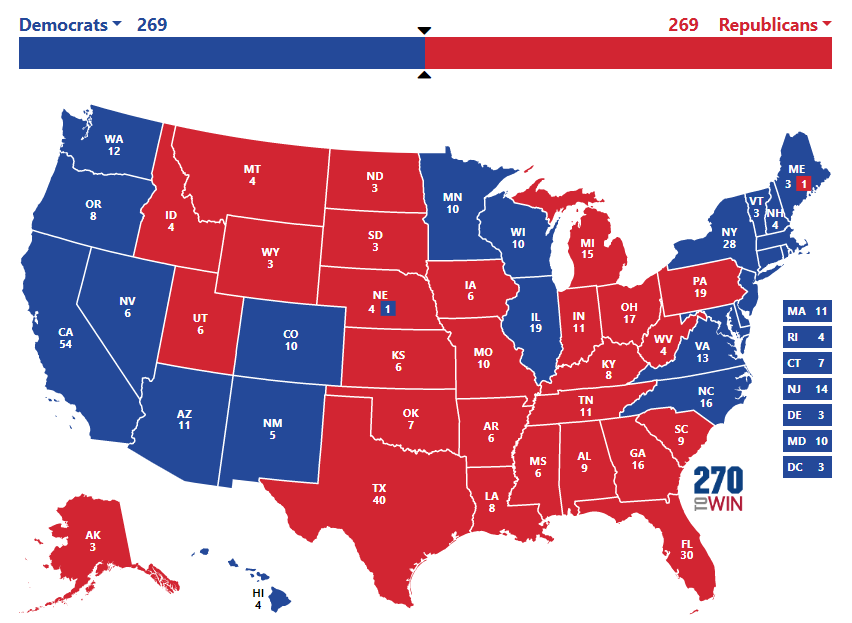
Today, Hawaii’s “blue” status remains unchallenged. In every presidential election since 1960, Hawaii has voted for the Democratic Party candidate, often by significant margins. In 2020, for instance, Joe Biden secured nearly 64% of the vote, and Kamala Harris visited the islands multiple times, highlighting the state’s importance to the national party. This consistent electoral preference extends beyond presidential races to the state’s representation in Washington D.C. and within its own state legislature.
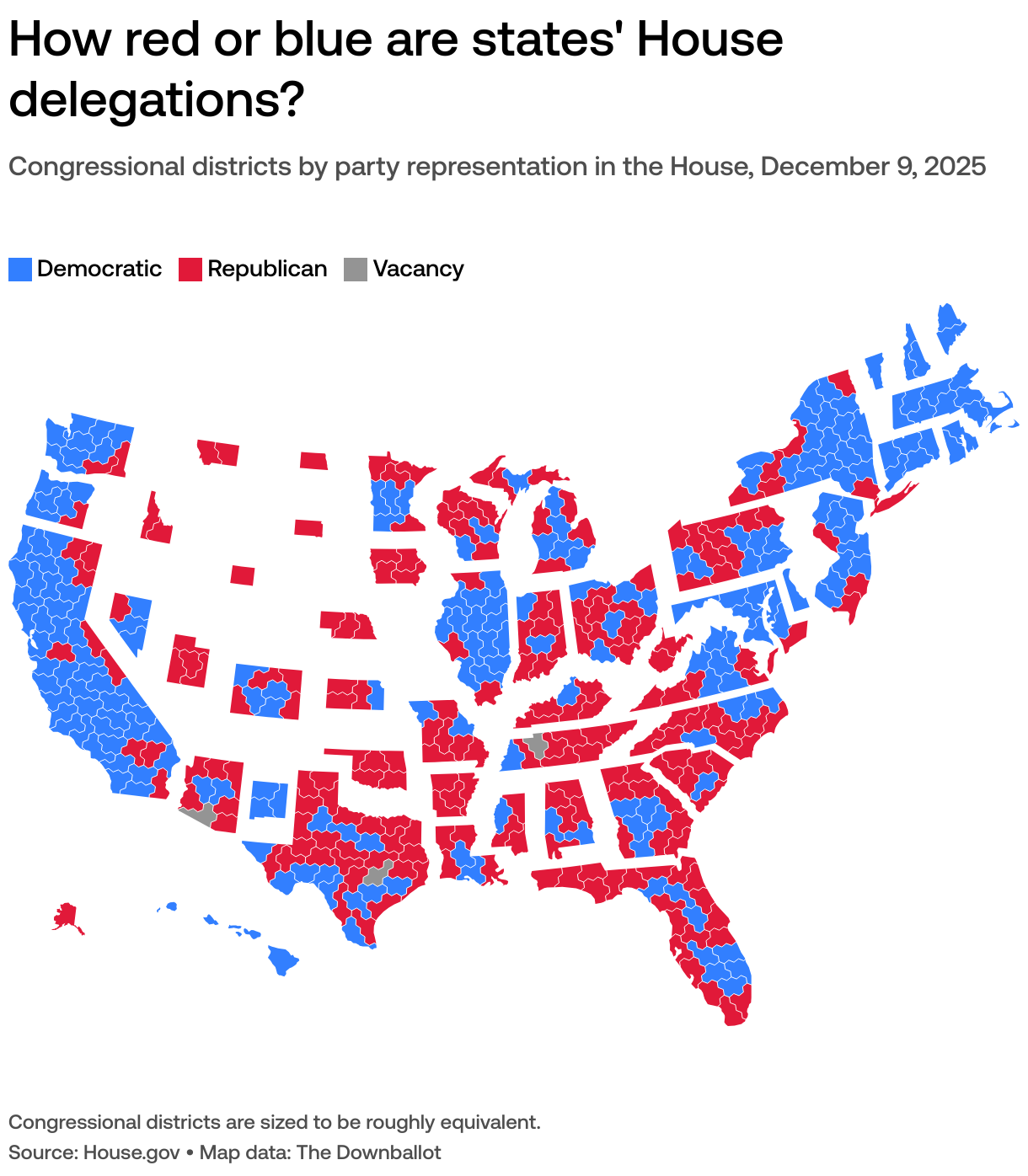
Currently, both of Hawaii’s U.S. Senators, Mazie Hirono and Brian Schatz, are Democrats. Similarly, its two members of the U.S. House of Representatives, Jill Tokuda and Ed Case, are also Democrats. At the state level, the Democratic Party holds supermajorities in both the State Senate and the State House of Representatives, effectively shaping virtually all legislation. This overwhelming dominance allows the state to pursue a progressive agenda, focusing on issues such as environmental protection, climate change initiatives, social welfare programs, affordable healthcare, and workers’ rights. The alignment with these values is not merely political convenience; it’s a reflection of the collective ethos of the islands, influenced by its unique history and demographics. The result is a consistent approach to governance that prioritizes community well-being and environmental sustainability, aspects that significantly impact the tourism sector and the overall quality of life for residents across Oahu, Maui, Kauai, and the Big Island.
The Mosaic of Aloha: Demographics and Cultural Identity
Beyond the political ballot, Hawaii’s “blue” identity is painted by the rich tapestry of its demographics and a unique cultural fabric that emphasizes community, harmony, and respect for the land. This human element is perhaps the most captivating aspect of the islands, profoundly influencing everything from local cuisine and festivals to the way tourism is managed and how visitors experience the Aloha spirit.
A Melting Pot of Pacific Influences
Hawaii is renowned as one of the most ethnically diverse states in the United States, a true “melting pot” where no single ethnic group constitutes a majority. This diversity is a direct result of its plantation history, which brought waves of laborers from Asia and beyond. Today, people of Asian descent make up the largest ethnic group, with significant populations of Japanese, Filipino, Chinese, Korean, and Vietnamese heritage. The islands also have a substantial Native Hawaiian and other Pacific Islander population, whose ancestral roots are deeply embedded in the land and culture. Caucasian residents form another significant demographic, alongside a smaller but vibrant mix of other ethnicities.
This demographic mosaic is further distinguished by incredibly high rates of intermarriage, leading to a unique multiracial population that is a source of pride and identity. Children growing up in Hawaii often identify with multiple ethnic backgrounds, fostering a distinct “local” culture that transcends traditional racial lines. This blending of cultures is evident in daily life, from the pidgin English spoken casually to the fusion cuisine found in Honolulu’s restaurants, and the diverse array of festivals celebrated throughout the year. For tourists, this means an immersive experience that goes beyond typical American cultural norms, offering a glimpse into a truly globalized, yet distinctly Hawaiian, way of life.
Preserving Pono: Values Shaping the Islands
At the heart of Hawaii’s identity are the core cultural values passed down through generations, notably the concept of “Aloha,” “Pono,” and “Malama Aina.” The Aloha spirit, often misunderstood as a simple greeting, encompasses unconditional love, compassion, peace, and mutual understanding. “Pono” refers to righteousness, balance, and harmony, guiding principles for ethical behavior and responsible governance. “Malama Aina” translates to caring for the land, emphasizing stewardship of the natural environment and resources – a value that is particularly resonant in an island ecosystem.
These values are not merely abstract concepts; they are actively integrated into the state’s policies and community initiatives. The strong emphasis on environmental protection, for example, aligns perfectly with “Malama Aina,” leading to strict regulations on development, robust conservation efforts for marine life and endangered species, and a pioneering role in renewable energy. This dedication to sustainability directly impacts tourism, as visitors are encouraged to participate in responsible travel practices and support eco-friendly accommodations and activities. The cultural respect embedded in “Pono” influences local interactions, encouraging a sense of community and collective responsibility, which contributes to Hawaii’s reputation for hospitality and safety. Whether exploring the historic Pearl Harbor memorials, hiking up Diamond Head, or relaxing on the famed beaches of Waikiki, visitors encounter a pervasive sense of cultural pride and a collective effort to preserve the unique heritage of the islands, tracing back to the legacy of monarchs like Kamehameha I.
Socio-Economic Realities and the Visitor Economy
While Hawaii’s political “blue” and cultural mosaic present an idyllic image, the state grapples with significant socio-economic challenges, primarily driven by its remote island geography and heavy reliance on specific industries. These realities profoundly shape the daily lives of residents and the dynamics of the state’s crucial visitor economy.
Cost of Paradise: Living in Hawaii
Living in paradise comes at a steep price. Hawaii consistently ranks among the states with the highest cost of living in the United States, particularly concerning housing and consumer goods. The vast majority of everyday necessities, from food to building materials and vehicles, must be shipped across the Pacific Ocean, incurring substantial transportation costs that are passed on to consumers. This economic reality creates significant pressure on residents, particularly those in lower-income brackets, and often leads to an exodus of young professionals seeking more affordable opportunities on the mainland, in places like California, Oregon, or Washington.
The state’s economy is predominantly reliant on two pillars: tourism and military spending. The presence of major military bases on Oahu provides stable employment and contributes significantly to the local GDP. However, tourism remains the largest private sector employer and revenue generator, meaning the state’s economic health is highly susceptible to global travel trends and unforeseen events, as dramatically illustrated during the COVID-19 pandemic. This economic dependence often places the state in a delicate balance between maximizing revenue and addressing the social and environmental impacts of a booming visitor industry.
Tourism’s Dual Role: Blessing and Burden
Tourism is undoubtedly a blessing for Hawaii’s economy, supporting hundreds of thousands of jobs and generating billions of dollars in revenue annually. It funds public services, maintains infrastructure, and provides entrepreneurial opportunities for local businesses. Visitors come from around the world – from North America (including Canada and Mexico) to Asia (Japan, Korea), Europe, and Oceania (Australia, New Zealand) – eager to experience the islands’ natural beauty, unique culture, and world-class resorts and hotels. From the bustling energy of Waikiki to the serene beaches of Maui and the dramatic cliffs of Kauai, the islands offer an unparalleled array of attractions and experiences.
However, tourism also presents significant burdens. Over-tourism can strain natural resources, degrade sensitive ecosystems like coral reefs and pristine beaches, and overcrowd popular landmarks such as Diamond Head or the slopes of Haleakala National Park. It contributes to traffic congestion, drives up housing costs for residents, and sometimes leads to cultural commodification. The state’s “blue” political leaning plays a crucial role in managing these challenges. The Democratic Party’s emphasis on environmental protection and community welfare translates into policies aimed at sustainable tourism. This includes efforts to diversify the economy, promote regenerative tourism that gives back to the environment and local communities, and educate visitors on responsible travel practices. Initiatives to protect natural wonders like Mauna Kea and Kilauea volcano, and to support local businesses, are often championed by the state’s progressive leadership. These efforts seek to strike a balance where the visitor economy thrives without compromising the unique “sense of place” that makes Hawaii so special, ensuring the long-term health of both its environment and its cultural identity.
In conclusion, asking “Is Hawaii red or blue?” elicits a resounding “blue,” but the answer is far more nuanced than a simple political affiliation. Hawaii’s political hue is a vibrant blend of its arduous past, its diverse present, and its progressive vision for the future. It’s a state where a unique history of labor struggles and immigrant solidarity fostered a deep-seated Democratic loyalty. This political leaning is interwoven with a rich tapestry of demographics, creating a cultural identity that values Aloha, Pono, and Malama Aina—concepts that extend beyond mere pleasantries to influence governance, social structures, and environmental policies. While the state grapples with the economic realities of its remote location and reliance on tourism, its “blue” orientation often guides its efforts toward sustainable solutions, aiming to preserve its natural beauty and cultural heritage for generations to come. For travelers seeking an authentic experience, understanding Hawaii’s “blue” heart is key to appreciating not just its stunning landscapes and welcoming accommodations, but also the resilient spirit and profound values that make it a truly unparalleled global destination. It is a place where political conviction and cultural identity converge to create a truly distinct and unforgettable island paradise.