
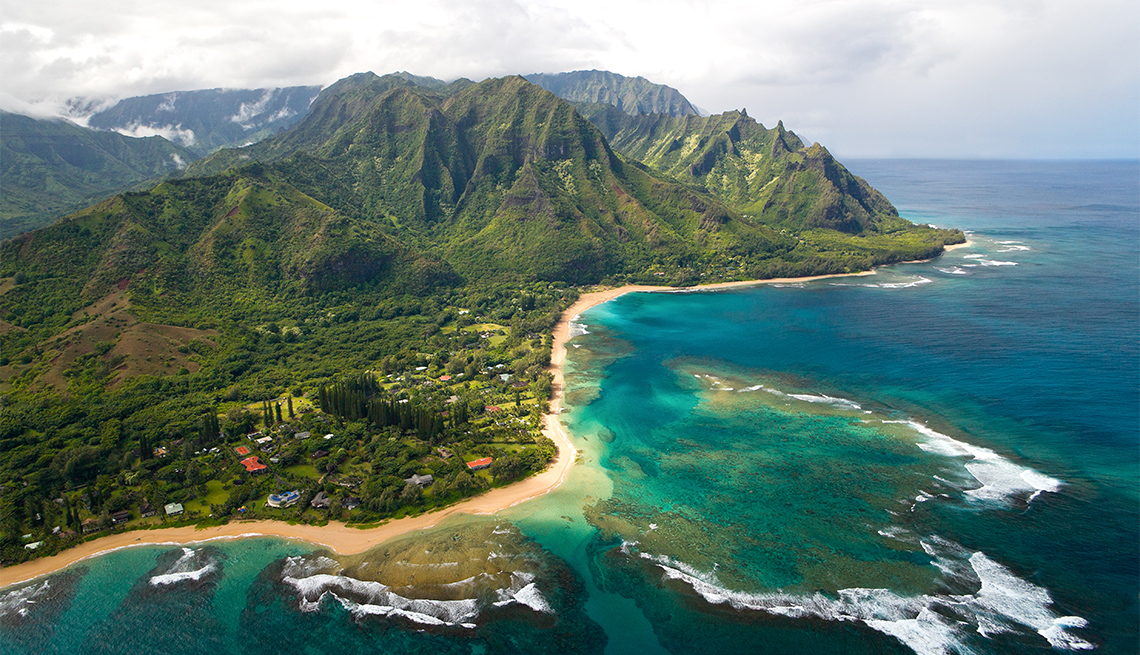
The allure of Hawaii is undeniable. From the emerald cliffs of the Napali Coast to the bustling urban energy of Honolulu, the islands offer a paradise that feels worlds away from the mainland United_States. However, for many first-time visitors or those returning after a long absence, the question of safety is paramount. Generally, the 50th state is considered one of the safest destinations for travelers globally, with a low violent crime rate and a culture rooted in the spirit of Aloha. Yet, “safety” in the context of Hawaii extends far beyond crime statistics. It encompasses environmental awareness, cultural respect, and a deep understanding of the unique geographical challenges that come with an archipelago in the middle of the Pacific Ocean. To truly understand if Hawaii is safe to travel, one must look through the lens of local tourism tips and cultural kuleana (responsibility).

Understanding Safety through the Lens of Respect and Culture
One of the most significant aspects of staying safe in the islands is understanding the local culture. Hawaii is more than just a vacation spot; it is a place with a complex history and a vibrant, living indigenous culture. Safety here often involves “social safety”—the idea that by being a respectful visitor, you mitigate conflict and enrich your own experience.
The Concept of Mālama and Kuleana
The residents of Oahu, Maui, Kauai, and the Island of Hawaii place a high value on the concept of Mālama, which means to care for, protect, and preserve. When travelers embrace this mindset, they are inherently safer. This means respecting “Kapu” (forbidden/sacred) signs, staying on marked trails, and not trespassing on private property. Many areas that may look like public parks are actually sacred burial grounds or private ancestral lands. Venturing into these areas not only risks legal trouble but can also lead to physical danger in unfamiliar, unmaintained terrain.
Navigating Cultural Sensitivities
In urban centers like Honolulu, safety is similar to any major city in the United States. However, visiting historical sites such as Pearl Harbor requires a different kind of awareness. Respectful behavior at these sites ensures a smooth experience. Similarly, when visiting the Polynesian Cultural Center, engaging with the staff and practitioners with humility goes a long way. On more rural islands like Molokai and Lanai, the pace of life is much slower. Safety here is about patience; aggressive driving or demanding service can lead to local friction. Being a “good guest” is the primary tip for any tourist looking to have a secure and welcoming stay.
Navigating the Natural Elements: Ocean and Volcanic Safety
The most common safety incidents in Hawaii are not related to human activity, but rather to the environment. The natural beauty of the islands can be deceptive, masking powerful currents and unpredictable geological activity.
Ocean Awareness at Waikiki Beach and North Shore
The Pacific Ocean surrounding the islands is powerful and should never be underestimated. At Waikiki Beach, the waters are generally calm, making it a safe haven for families and beginner surfers. However, the situation changes drastically as you move to the North Shore of Oahu, especially during the winter months. Massive swells can create dangerous shorebreaks and “rogue waves” that can sweep an unsuspecting tourist off the sand.
A vital tourism tip is to always swim at beaches with a lifeguard and to “never turn your back on the ocean.” If you are at Poipu Beach on Kauai or Hanalei Bay, check the local flags. A red flag means the water is closed for a reason, often due to high surf or strong “rip currents.” Understanding how to spot a rip current—a channel of churning, choppy water that looks like a river running out to sea—can save your life.
Exploring Hawaii Volcanoes National Park Securely
On the Island of Hawaii, the main safety concern revolves around volcanic activity. Hawaii Volcanoes National Park is home to Kilauea and Mauna Loa, two of the world’s most active volcanoes. While the park is exceptionally well-managed, safety depends on following ranger instructions. Volcanic gases, such as sulfur dioxide, can create “vog” (volcanic smog), which poses a health risk to those with respiratory issues. Furthermore, hiking on recent lava flows is dangerous; the rock is sharp as glass and the ground can be unstable. Always stay within the designated viewing areas to witness the geological wonders of Hawaii safely.
Hiking Safety on the Kalalau Trail and Diamond Head
Hiking is a premier activity in Hawaii, but it requires preparation. The Kalalau Trail on Kauai is world-famous but is also considered one of the most dangerous hikes if weather conditions turn. Flash floods can occur in mountain valleys with very little warning, turning a small stream into a raging torrent. Conversely, hiking Diamond Head on Oahu is relatively safe but can lead to heat exhaustion if you don’t carry enough water. In the Waimea Canyon, the “Grand Canyon of the Pacific,” the trails can be slippery and muddy. Proper footwear is not just a suggestion; it is a safety requirement.
Urban Safety and Practical Tips for the Modern Traveler
While the natural environment poses the most frequent risks, urban safety is still a consideration. Like any major tourist destination, petty crime exists, though violent crime remains rare.
Property Safety in Maui and Kauai
The most common crime affecting tourists in Hawaii is “smash-and-grab” car break-ins. This is particularly prevalent at trailhead parking lots and scenic lookouts along the Hana Highway in Maui. Local thieves often target rental cars because they know they contain luggage, cameras, and wallets.
The best safety tip is simple: leave nothing in your car. Even a seemingly empty bag or a charging cable can entice someone to break a window. If you are staying in Kapaa or Lihue on Kauai, use the hotel safe for your valuables. In the town of Lahaina, while undergoing recovery, it is important to stay within designated visitor zones and respect the privacy of local residents who are rebuilding.
Transportation Security across the Islands
Driving in Hawaii presents its own set of safety considerations. Roads like the Hana Highway are narrow, winding, and feature numerous one-lane bridges. The local etiquette is to let the locals pass and to be courteous at bridges—usually, one car goes, then the next from the opposite side. Speeding or aggressive driving on these roads is a major safety hazard.
If you are traveling between Kona and Hilo on the Island of Hawaii, be prepared for rapid changes in weather and visibility. Fog can roll in quickly on the Saddle Road, which cuts between the mountains. Ensuring your vehicle is in good condition and your gas tank is full is essential when traversing these long, often isolated stretches of highway.
Health and Seasonal Considerations
The tropical climate of Hawaii brings specific health and safety considerations that differ from those in temperate zones. From the sun’s intensity to the wildlife in the water, being informed is your best defense.
Sun Protection and Marine Life Interactions
The sun in Hawaii is much stronger than many visitors realize due to its proximity to the equator. Sunburn can happen in as little as 15 minutes. However, safety for the traveler must also mean safety for the environment. Hawaii has banned sunscreens containing oxybenzone and octinoxate to protect the coral reefs. Using reef-safe mineral sunscreen is a required practice for anyone entering the water.
Interactions with marine life also require a “safety first” mindset. While swimming in the Pacific Ocean, you may encounter sea turtles or Hawaiian monk seals. It is not only unsafe to approach them, but it is also a federal offense. These animals can be defensive if they feel cornered. Additionally, travelers should be aware of the lunar cycle, as box jellyfish often appear on the leeward shores of Oahu (like Waikiki Beach) approximately 8 to 10 days after a full moon. Local news outlets and beach signs will usually provide warnings during these times.
Weather Patterns and Natural Disasters
While Hawaii is a year-round destination, there are seasonal variations to consider. Hurricane season runs from June through November. While direct hits are rare, the resulting storms can cause significant flooding and high surf. If a siren sounds while you are in Hilo or Hanapepe, it is likely a test (usually the first working day of the month) or a genuine tsunami warning. Hawaii has a very sophisticated warning system. In the event of an actual emergency, follow the “Tsunami Evacuation Route” signs which lead to higher ground.
Safety at high altitudes, such as visiting the summit of Mount Haleakala in Maui, involves preparing for extreme temperature drops and altitude sickness. It can be 80 degrees at the beach and 40 degrees at the summit. Dressing in layers and staying hydrated are key tourism tips for those wanting to catch the sunrise or sunset from the “House of the Sun.”
By combining situational awareness with a deep respect for the land and its people, travelers will find that Hawaii is not only safe but also one of the most rewarding places to explore. Whether you are walking through the historic streets of Honolulu or trekking through the lush valleys of Kauai, your safety is largely a product of your preparation and your willingness to embrace the local way of life.
LifeOutOfTheBox is a participant in the Amazon Services LLC Associates Program, an affiliate advertising program designed to provide a means for sites to earn advertising fees by advertising and linking to Amazon.com. Amazon, the Amazon logo, AmazonSupply, and the AmazonSupply logo are trademarks of Amazon.com, Inc. or its affiliates. As an Amazon Associate we earn affiliate commissions from qualifying purchases.