
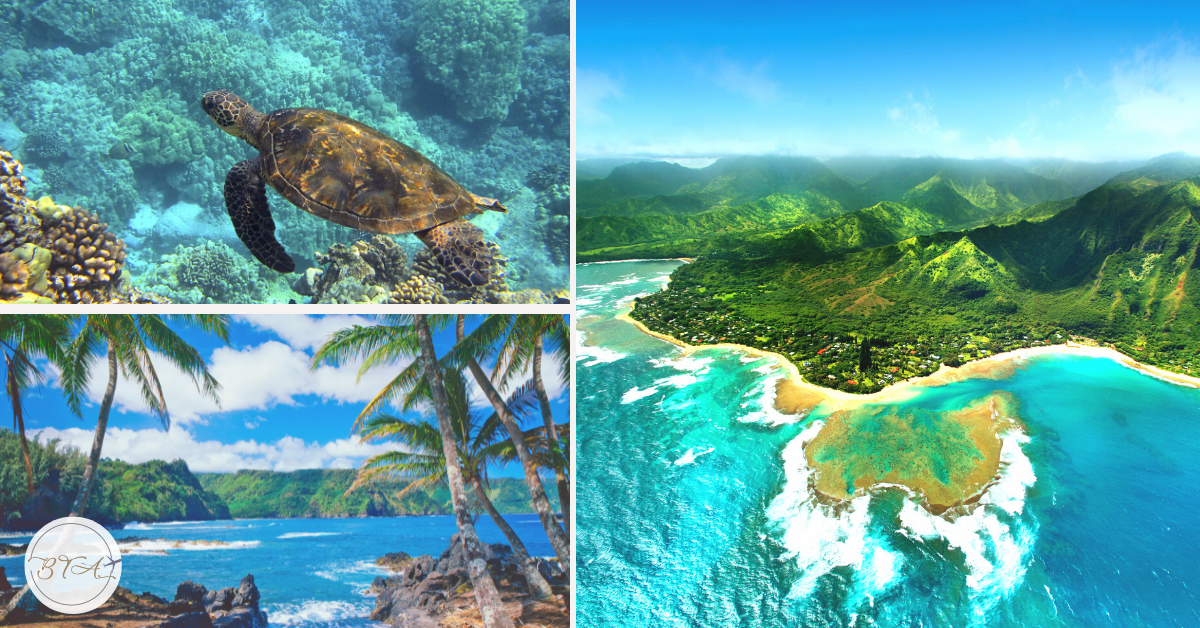
The question “Is Hawaii tropical?” might seem almost rhetorical, conjuring images of swaying palm trees, sun-drenched beaches, and vibrant coral reefs. Yet, a deeper dive into the nuances of what defines “tropical” reveals that while Hawaii unequivocally embodies the spirit and climate of the tropics, its unique geographical position, diverse microclimates, and rich cultural tapestry offer a far more intricate and captivating experience than a simple label can convey. This exploration will delve into the climatic, geographical, and experiential aspects that solidify Hawaii’s status as a tropical paradise, while also highlighting the fascinating variations that make each island a distinct destination.
Defining “Tropical” and Hawaii’s Place Within It
The term “tropical” typically refers to regions located between the Tropic of Cancer and the Tropic of Capricorn. These areas are characterized by warm temperatures year-round, high humidity, and distinct wet and dry seasons, though the seasonality can vary significantly depending on proximity to oceans and elevation. Hawaii, situated in the heart of the Pacific Ocean, precisely straddles the Tropic of Cancer, placing it squarely within this climatic zone.
Climate: Year-Round Warmth and Gentle Breezes
Hawaii’s climate is renowned for its pleasant, consistent warmth, a defining characteristic of tropical regions. Average temperatures hover around a comfortable 75-85°F (24-29°C) throughout the year, with minimal fluctuation between summer and winter. This balmy weather is largely dictated by the moderating influence of the Pacific Ocean and prevailing trade winds, which are a constant, refreshing presence on the islands, preventing the heat from becoming oppressive.
The humidity in Hawaii is noticeable, especially during the summer months, contributing to the lush, verdant landscapes. However, the trade winds often alleviate the feeling of stickiness, offering a gentle caress rather than stifling heat. Rainfall patterns do exhibit seasonality, with a wetter winter (November to April) and a drier summer (May to October). Yet, even the “wet” season rarely brings prolonged, dreary downpours. Instead, it often manifests as intermittent showers, frequently followed by sunshine, replenishing the islands’ abundant flora and contributing to the iconic rainbows that grace the skies.
The notion of distinct seasons in Hawaii is less about dramatic temperature shifts and more about variations in rainfall and ocean conditions. For instance, the winter months bring larger surf to the north shores of islands like Oahu and Maui, attracting professional surfers to legendary breaks such as Banzai Pipeline and Jaws. Conversely, the summer months offer calmer waters, ideal for swimming, snorkeling, and diving, particularly on the south and west shores. This subtle seasonal variation adds another layer to Hawaii’s tropical allure, offering different experiences depending on the time of year.
Geography: Islands Born of Fire in the Middle of the Ocean
The geographical origin of the Hawaiian Islands is intrinsically linked to their tropical nature. They are the emergent peaks of massive underwater volcanoes that rose from the ocean floor. This volcanic genesis has shaped Hawaii’s dramatic landscapes, from the black sand beaches of Hawaii Island to the lush rainforests and towering cliffs of Kauai.
Located approximately 2,400 miles west of California and 3,850 miles southeast of Japan, Hawaii is one of the most isolated archipelagos on Earth. This isolation has allowed for the evolution of unique endemic species, both flora and fauna, that are found nowhere else. The sheer vastness of the surrounding ocean contributes to the consistent warm ocean temperatures that embrace the islands, further cementing their tropical identity.
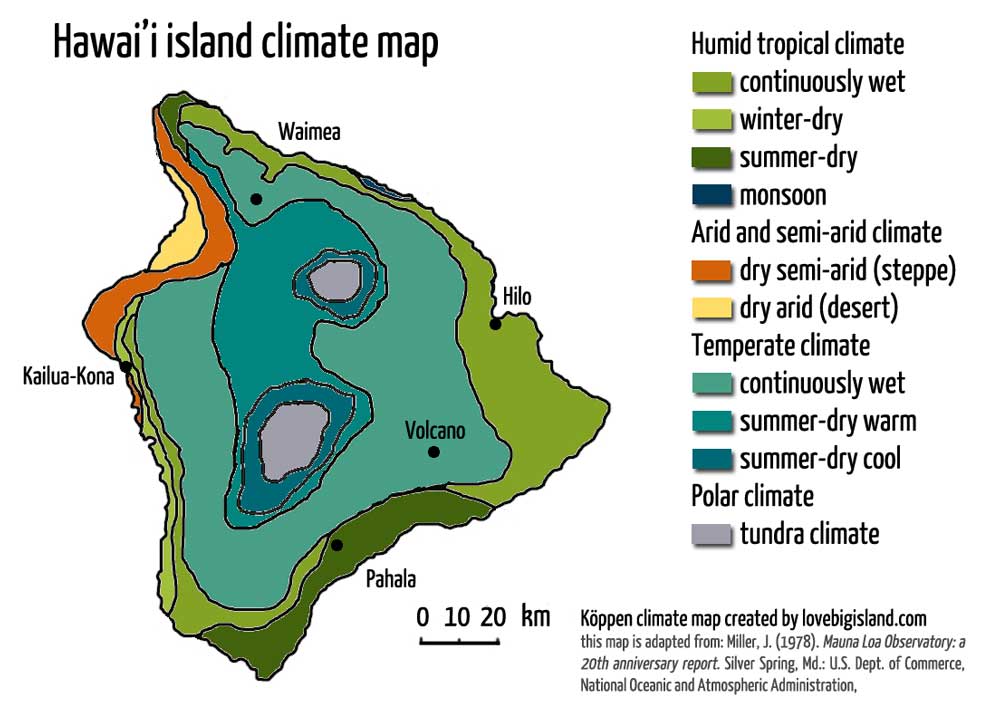
The volcanic origins have also created a fascinating array of topography across the islands. While the younger islands, like Hawaii Island, still feature active volcanoes such as Kilauea, the older islands, such as Kauai, have been dramatically eroded by wind and rain, resulting in breathtaking natural wonders like the Na Pali Coast. This geological diversity directly influences the microclimates found on each island, leading to variations in rainfall and vegetation even within short distances. For example, the windward sides of the islands, facing the prevailing trade winds, tend to be wetter and more verdant, supporting dense rainforests. The leeward sides, sheltered by mountain ranges, are often drier and exhibit more arid, savanna-like landscapes. This internal climatic variation, driven by geography, is a key aspect of Hawaii’s tropical charm, offering a surprising diversity of natural environments within a single state.
Experiencing the Tropics: Beyond Climate and Geography
While climate and geography lay the foundation for Hawaii’s tropical identity, the true essence of the islands is felt through their vibrant culture, diverse activities, and the unique lifestyle they offer.
Activities and Attractions: Embracing the Tropical Lifestyle
Hawaii offers an unparalleled range of activities that capitalize on its tropical setting. The turquoise waters surrounding the islands are a playground for water sports enthusiasts. Surfing, paddleboarding, kayaking, and sailing are popular pursuits, with numerous beaches offering lessons and rentals for all skill levels. The underwater world is equally enticing, with world-class snorkeling and diving opportunities to explore coral reefs teeming with colorful fish and majestic sea turtles. Popular snorkeling spots include Hanauma Bay on Oahu and Molokini Crater off the coast of Maui.
Beyond the water, hiking through lush rainforests to discover hidden waterfalls, such as the scenic Akaka Falls on Hawaii Island, is a must-do. Exploring volcanic landscapes, like those found in Hawaii Volcanoes National Park, provides a raw and powerful connection to the earth’s forces. For those seeking cultural immersion, visiting historical sites like Pearl Harbor or experiencing a traditional Hawaiian Luau offers insights into the islands’ rich history and traditions. The Aloha spirit, deeply ingrained in Hawaiian culture, permeates every interaction, making visitors feel welcomed and at ease.
Accommodation and Lifestyle: From Luxury Resorts to Budget Stays
The range of accommodation in Hawaii caters to every travel style and budget, all while immersing guests in the tropical ambiance. Luxury resorts, like the iconic Halekulani on Waikiki Beach, offer opulent suites and world-class amenities, often with direct beach access and stunning ocean views. Family-friendly resorts provide engaging activities for children, ensuring a memorable vacation for all.
For those seeking a more independent experience, vacation rentals and villas offer privacy and the convenience of self-catering, perfect for longer stays or family gatherings. Boutique hotels and charming bed and breakfasts scattered across the islands provide a more intimate and personalized lodging experience, often showcasing local craftsmanship and design. Even budget-conscious travelers can find comfortable and well-located accommodations, allowing them to experience the magic of Hawaii without breaking the bank.
The lifestyle in Hawaii is intrinsically tied to its natural beauty and relaxed pace. Whether it’s enjoying a sunrise over Diamond Head, savoring fresh tropical fruits from a local market, or simply relaxing on a pristine beach, the islands encourage a slower, more mindful way of living. This embrace of the natural environment and a focus on well-being are hallmarks of the Hawaiian tropical lifestyle. From the vibrant energy of Waikiki to the serene beauty of the Garden Isle, each island offers its own unique interpretation of the tropical dream, making Hawaii a destination that consistently lives up to its reputation as a tropical paradise.
Island Diversity: A Spectrum of Tropical Experiences
It’s crucial to acknowledge that while all of Hawaii is tropical, the experience varies significantly from island to island.
Oahu: The Gathering Place
Oahu, known as “The Gathering Place,” offers a dynamic blend of city life and natural beauty. Waikiki is a bustling hub of hotels, restaurants, and shops, serving as a gateway to the island’s attractions. Beyond the vibrant urban energy, Oahu boasts world-renowned surf spots on its North Shore, the historical significance of Pearl Harbor, and the iconic vista from the summit of Diamond Head. This island provides a taste of the tropics interwoven with modern convenience and historical depth.
Maui: The Valley Isle
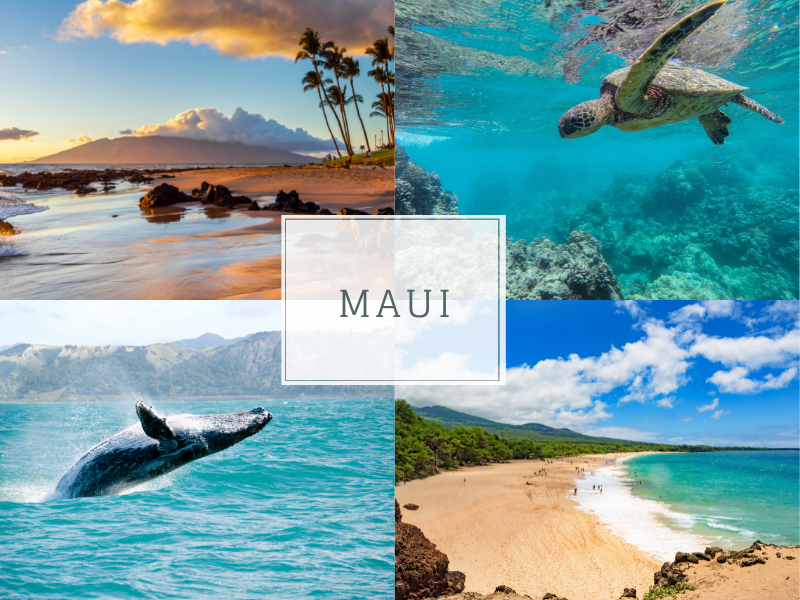
Maui, “The Valley Isle,” is celebrated for its breathtaking beaches, the scenic Road to Hana, and the majestic dormant volcano, Haleakala, which offers spectacular sunrise and sunset views above the clouds. The island’s diverse microclimates range from the lush rainforests of the east coast to the drier, golden shores of the west and south. Maui’s resorts, particularly in areas like Ka’anapali and Wailea, offer luxurious escapes with world-class amenities.
Kauai: The Garden Isle
Kauai, “The Garden Isle,” lives up to its name with its incredibly lush landscapes, dramatic cliffs of the Na Pali Coast, and the vast canyon of Waimea Canyon, often called the “Grand Canyon of the Pacific.” This island exudes a more tranquil and nature-focused tropical experience. Adventures here often involve hiking, exploring secluded beaches, and taking in the stunning natural vistas.
Hawaii Island: The Big Island
Hawaii Island, the largest and youngest of the Hawaiian Islands, is a land of dramatic contrasts. It is home to active volcanoes in Hawaii Volcanoes National Park, where visitors can witness the raw power of creation. The island also boasts diverse climates, from the black sand beaches of Punaluʻu to the snow-capped peaks of Mauna Kea (a stark contrast to its tropical setting at sea level) and the verdant coffee plantations of Kona. This island offers a visceral connection to the geological forces that shaped Hawaii.
Lanai and Molokai: The Unspoiled Isles
For those seeking a more secluded and authentic tropical experience, Lanai and Molokai offer a glimpse into a slower pace of life. Lanai, once known for its pineapple plantations, now offers a blend of luxury resorts and untouched natural beauty. Molokai, often referred to as the “Most Hawaiian Island,” preserves traditional culture and offers a more rustic, off-the-beaten-path adventure.
In conclusion, the answer to “Is Hawaii tropical?” is a resounding yes. However, this simple affirmation only scratches the surface of what makes this archipelago so extraordinary. The consistent warm climate, the ocean’s embrace, and the volcanic origins all contribute to its tropical designation. Yet, it is the unique interplay of geography, climate, culture, and the individual character of each island that elevates Hawaii from merely being tropical to being an unparalleled tropical paradise, offering a world of experiences for every traveler.
LifeOutOfTheBox is a participant in the Amazon Services LLC Associates Program, an affiliate advertising program designed to provide a means for sites to earn advertising fees by advertising and linking to Amazon.com. Amazon, the Amazon logo, AmazonSupply, and the AmazonSupply logo are trademarks of Amazon.com, Inc. or its affiliates. As an Amazon Associate we earn affiliate commissions from qualifying purchases.