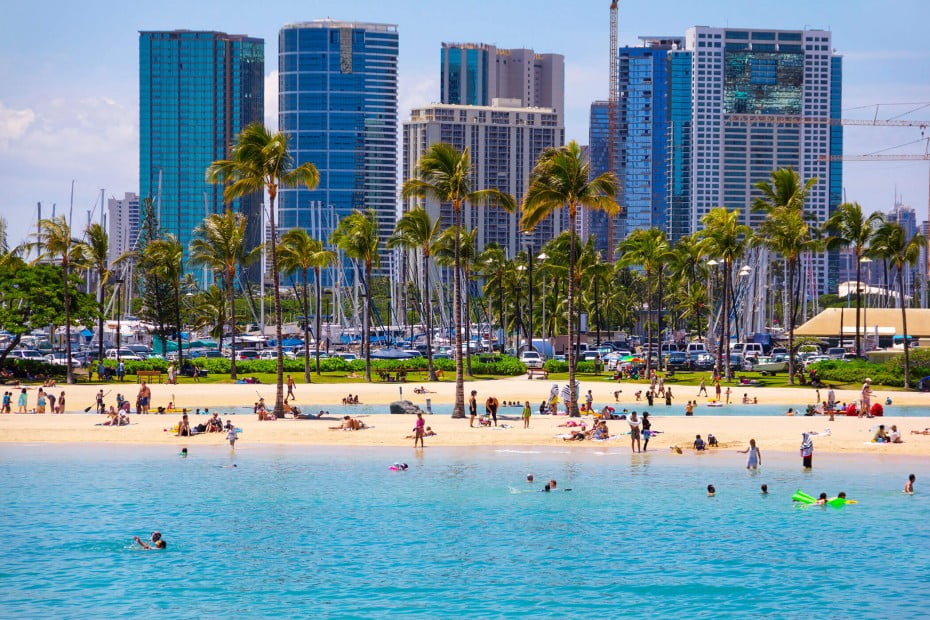
The question “Is Hawaii USA?” might seem straightforward to many, yet it often sparks curiosity, especially among international travelers or those just beginning to explore the geography and history of the United States. The simple answer is a resounding yes: Hawaii is the 50th state of the United States, a vibrant archipelago nestled in the heart of the Pacific Ocean, thousands of miles from the North American mainland. However, its unique geographical position, rich indigenous culture, and complex history set it apart, making it a truly distinctive part of the American fabric and a perpetually sought-after travel destination.
This article delves into Hawaii’s journey to statehood, explores its unparalleled appeal as a travel haven, and provides essential insights for planning your own unforgettable experience in this island paradise. From the bustling streets of Honolulu on Oahu to the serene beaches of Maui, the dramatic cliffs of Kauai, and the volcanic landscapes of the Big Island, Hawaii offers a mosaic of experiences unlike anywhere else.
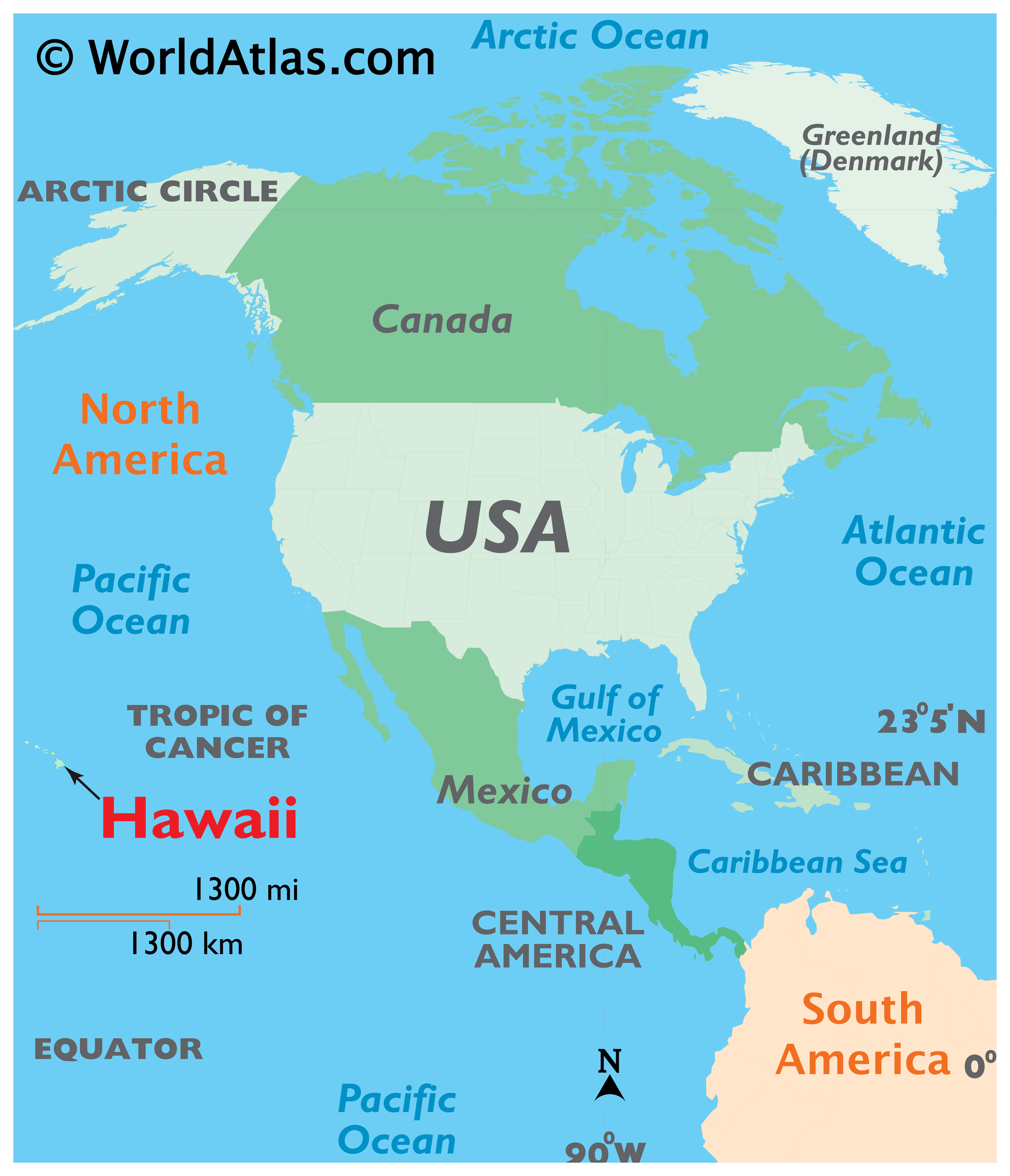
Hawaii’s Place in the Union: A History of Annexation and Statehood
Understanding Hawaii’s identity within the United States requires a brief look into its fascinating and often tumultuous past. For centuries, the islands were an independent sovereign nation, ruled by a succession of powerful monarchs who unified the various island kingdoms into the Kingdom of Hawaii.
From Independent Monarchy to US Territory
The indigenous Hawaiian people, descendants of Polynesian voyagers, developed a sophisticated culture, language, and governance system long before European contact. The arrival of Captain James Cook in 1778 marked the beginning of significant foreign influence. Over time, American missionaries, whalers, and sugar planters gained considerable economic and political power on the islands.
By the late 19th century, this foreign influence led to increasing tensions. In 1893, a group of American and European businessmen, with the support of the US military, overthrew the reigning monarch, Queen Liliuokalani. This controversial event led to the establishment of the Republic of Hawaii, which then sought annexation by the United States. In 1898, the US Congress officially annexed Hawaii, making it a US Territory.
The Path to Statehood
The journey from territory to state was a protracted one, spanning over six decades. Hawaiians served in both World Wars under the American flag, and the islands’ strategic importance, tragically highlighted by the attack on Pearl Harbor in 1941, further solidified their connection to the United States.
Finally, after numerous petitions and public referendums where a significant majority of residents voted in favor of joining the union, the US Congress passed the Statehood Act in March 1959. On August 21, 1959, Hawaii officially became the 50th state, integrating fully into the American political and economic system. Today, Hawaii operates under US law, its residents are US citizens, and it shares the same currency (US Dollar), postal service (US Postal Service), and governmental structures as the rest of the country.
The Allure of the Aloha State: Why Hawaii Captivates Travelers
Beyond its political status, Hawaii’s true magic lies in its stunning natural beauty, vibrant culture, and the pervasive “Aloha Spirit” – a unique blend of warmth, hospitality, and respect for the land and sea. This captivating combination makes it a premier global travel destination, appealing to a wide range of interests.
Iconic Islands and Their Unique Charms
Each of Hawaii’s main islands offers a distinct flavor of paradise:
- Oahu: The Gathering Place
Home to the capital city of Honolulu and the world-famous Waikiki Beach, Oahu is a dynamic blend of urban sophistication and natural wonders. Travelers can hike to the summit of Diamond Head for panoramic views, delve into history at the Pearl Harbor National Memorial and the USS Arizona Memorial, immerse themselves in Polynesian culture at the Polynesian Cultural Center, or catch legendary surf breaks on the North Shore. - Maui: The Valley Isle
Renowned for its luxurious resorts, breathtaking landscapes, and outdoor adventures, Maui offers something for everyone. Witness spectacular sunrises from the volcanic crater of Haleakala National Park, navigate the winding curves of the scenic Road to Hana, or explore the charming historic town of Lahaina. Maui is also a prime spot for whale watching during winter months when Humpback Whales migrate to its warm waters. - Kauai: The Garden Isle
With its lush rainforests, dramatic cliffs, and cascading waterfalls, Kauai is a paradise for nature lovers and adventurers. The iconic Na Pali Coast is best experienced via a boat tour or helicopter ride, while the vast “Grand Canyon of the Pacific,” Waimea Canyon, offers incredible hiking opportunities. - Big Island: Hawaii Island
The youngest and largest of the islands, the Big Island is home to the most active volcanoes in the world within Hawaii Volcanoes National Park, including the majestic Kilauea. Visitors can witness steaming vents, black sand beaches, and even flowing lava (conditions permitting). The island also boasts the towering Mauna Kea volcano, famous for its observatories and occasional snow-capped peak, as well as the world-renowned Kona Coffee plantations along the Kona Coast. - Molokai & Lanai: The Quieter Isles
For those seeking a more secluded and authentic Hawaiian experience, Molokai offers a glimpse into traditional Hawaiian life with minimal development, while Lanai provides luxury seclusion with its upscale resorts and rugged off-road adventures.
Activities, Culture, and Cuisine
Hawaii is a playground for all ages and interests. Beyond sunbathing on golden beaches, popular activities include surfing, snorkeling, scuba diving, paddleboarding, kayaking, and hiking through verdant trails. Helicopter tours provide unparalleled aerial views of volcanic craters and hidden waterfalls.
The islands’ culture is a vibrant tapestry woven from Polynesian roots and influences from Asia, Europe, and the Americas. Visitors can experience authentic luau feasts with traditional music and hula dancing, explore ancient sacred sites like Puuhonua o Honaunau National Historical Park, or learn about the rich history at museums like the Bishop Museum in Honolulu.
Hawaiian cuisine is a delicious fusion of local ingredients and diverse culinary traditions. Must-try foods include fresh poke bowls, kalua pig, loco moco, and refreshing shave ice. Don’t forget to sample local produce like pineapples – a visit to the Dole Plantation on Oahu or a Maui Pineapple Tour is a delightful experience – and sip on world-famous Kona Coffee from the Big Island or explore the Kauai Coffee Company.
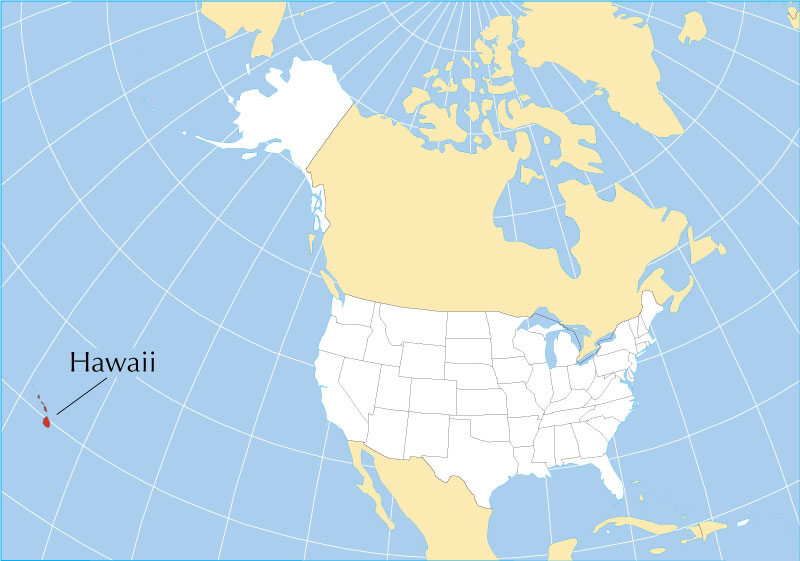
Planning Your Hawaiian Getaway: Travel & Accommodation
As a US state, traveling to Hawaii for US citizens is like domestic travel; no passport is required. For international visitors, standard US visa and entry requirements apply. This integration with the larger US infrastructure simplifies many aspects of travel, from currency to communications.
Getting There and Getting Around
Major airlines like Southwest Airlines, Hawaiian Airlines, United Airlines, Delta Air Lines, and American Airlines offer direct flights to Honolulu International Airport (HNL) on Oahu, as well as to airports on Maui (OGG), Kauai (LIH), and the Big Island (Kona – KOA, Hilo – ITO) from various cities across the United States and internationally.
Inter-island travel is primarily by air, with Hawaiian Airlines and Mokulele Airlines providing frequent short flights. Once on an island, renting a car is highly recommended for exploring at your own pace, especially on the larger islands. Public transportation exists in Honolulu (TheBus) but is limited elsewhere. Ride-sharing services like Uber and Lyft are also available in more populated areas.
Diverse Accommodation Options
Hawaii offers a vast array of accommodation options to suit every budget and travel style, from luxurious resorts to charming vacation rentals.
- Luxury Resorts and Hotels:
Destinations like Waikiki, Kaanapali, Wailea, Poipu, and Princeville are home to world-class resorts from brands such as Marriott, Hilton, Hyatt, Four Seasons, and Ritz-Carlton. These properties often feature multiple pools, spas, fine dining, and direct beach access. Examples include The Royal Hawaiian and Hilton Hawaiian Village Waikiki Beach Resort on Oahu, Grand Hyatt Kauai Resort & Spa on Kauai, Four Seasons Resort Maui at Wailea, Andaz Maui at Wailea Resort, Montage Kapalua Bay, Hyatt Regency Maui Resort and Spa on Maui, and Mauna Lani, Auberge Resorts Collection on the Big Island. They cater to those seeking luxury travel, romantic getaways, or comprehensive family trips with extensive amenities. - Boutique Hotels and Mid-Range Options:
Smaller, more intimate hotels and well-known chains like Sheraton Waikiki or Prince Waikiki offer comfortable stays with personalized service, often providing a more local feel. - Vacation Rentals (Apartments, Villas):
Platforms like Airbnb and VRBO are popular for travelers seeking more space, kitchen facilities, or a longer-term stay, offering everything from oceanfront villas to cozy apartments. This can be an excellent option for family trips or budget travel. - Budget-Friendly Stays:
Hostels, guesthouses, and smaller local hotels provide more economical choices, particularly in areas like Honolulu and Hilo. Camping is also available in designated state and county parks for adventurous budget travelers. - Unique Stays:
Consider options like the historic Volcano House on the Big Island for a truly unique experience overlooking Kilauea crater, or family-focused resorts like Aulani, A Disney Resort & Spa on Oahu.
Booking accommodation well in advance, especially during peak seasons (winter and summer holidays), is crucial. Comparing prices across various booking sites and reading reviews will help secure the best deals and ensure a comfortable stay.
A Seamless American Experience with an Island Twist
Visiting Hawaii means experiencing the best of both worlds: the familiarity and convenience of traveling within the United States, combined with a distinct Polynesian culture, unparalleled natural beauty, and an emphasis on the spirit of aloha. You’ll find standard US infrastructure – modern airports, highways, communication networks, and medical facilities – alongside ancient traditions, a unique language, and a way of life deeply connected to the ocean and land.
For US citizens, the ease of domestic travel means no currency exchange, no international phone plan worries (most major US carriers provide service), and familiar US laws and regulations (including driving on the right side of the road, and standard electrical outlets). International visitors will find a destination that bridges the gap between traditional American experiences and an exotic, tropical escape.
Whether you’re exploring the solemn history of Pearl Harbor, catching waves on Waikiki, trekking through rainforests on Kauai, or marveling at active volcanoes on the Big Island, Hawaii promises an adventure that is both deeply rooted in its American identity and vibrantly individual in its island charm. So, next time you hear “Is Hawaii USA?”, you’ll know it’s not just a yes, but a story of history, culture, and an irresistible invitation to explore one of the world’s most beautiful and welcoming places.