
The shimmering allure of Hollywood, California conjures images of red carpets, blockbuster movies, and the dazzling pursuit of stardom. It’s a name recognized globally, a symbol of dreams and the entertainment industry’s beating heart. But beneath the glitz and the glamour, a question often arises for those planning a visit or contemplating its geography: is Hollywood, California a city in its own right? The answer, like many things in the sprawling metropolis of Los Angeles, is nuanced.
While Hollywood possesses a distinct identity, a rich history, and is undeniably a world-renowned destination, it is not an independent municipality. Instead, Hollywood functions as a district, a vibrant and iconic neighborhood within the larger governmental and geographical framework of the City of Los Angeles. Understanding this distinction is crucial for travelers, offering clarity on everything from navigation and local governance to the sheer scale of the experience awaiting them.
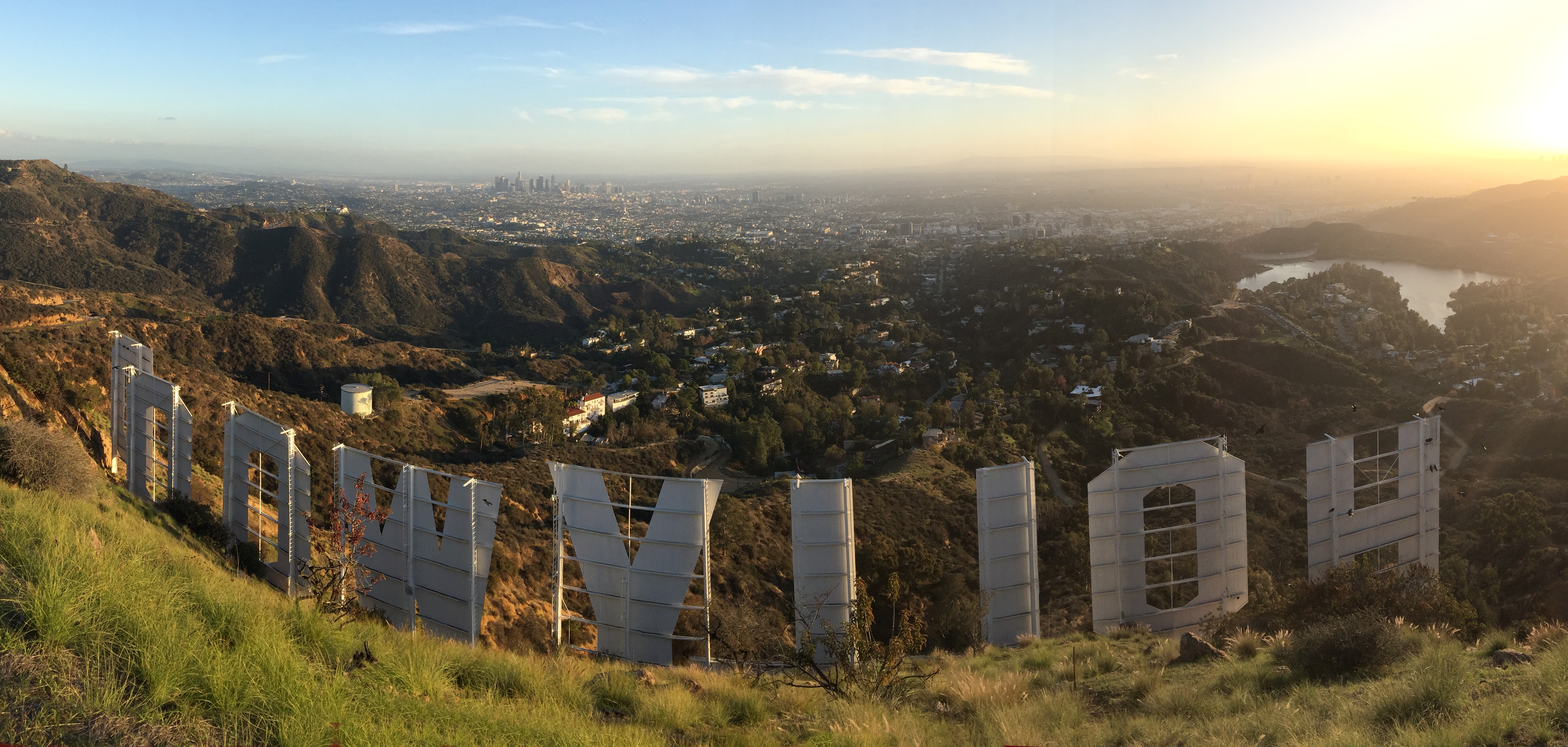
This exploration delves into the essence of Hollywood, examining its unique character, its integration into Los Angeles, and what this means for visitors seeking to experience its magic. From the legendary Hollywood Walk of Fame to the iconic Hollywood Sign, the area offers a wealth of attractions and experiences that, while geographically within Los Angeles, have cemented Hollywood as a destination that commands its own special recognition.
The Distinct Identity of a Legendary Neighborhood
A Cultural Epicenter and a Global Brand
The name “Hollywood” is more than just a place; it’s a brand, a phenomenon that transcends geographical boundaries. For decades, it has been the epicenter of the American film industry, drawing aspiring actors, directors, and screenwriters from every corner of the globe. This concentration of talent and ambition has fostered a unique cultural ecosystem, a blend of aspiration, innovation, and enduring glamour.
The very air in Hollywood seems to vibrate with the echoes of cinematic history. Walking down the Hollywood Walk of Fame, with its countless stars embedded in the sidewalks, is like stepping onto a living timeline of entertainment. Each name represents a journey, a contribution to the art of storytelling that has captivated audiences worldwide. From the silent film era stars to contemporary icons, these markers serve as a testament to the enduring power and influence of Hollywood‘s creative output.
Beyond the Walk of Fame, the district is dotted with historic theaters, studios, and landmarks that are synonymous with the magic of filmmaking. The TCL Chinese Theatre, with its iconic hand and footprints in the forecourt, is a pilgrimage site for movie buffs. The Dolby Theatre, home to the Academy Awards, stands as a modern monument to cinematic achievement. These venues are not merely buildings; they are custodians of Hollywood‘s legacy, places where history was made and continues to unfold.
The Evolution of a Dream Factory
The origins of Hollywood as a distinct entity are rooted in its rapid development as the center of the burgeoning film industry. In the early 20th century, filmmakers, seeking better weather, diverse scenery, and lower production costs compared to New York, began migrating west. Hollywood, then a relatively small agricultural community, offered the ideal landscape. Its natural beauty, from rolling hills to arid plains, provided a versatile backdrop for a myriad of cinematic narratives.
As studios like Paramount, Warner Bros., and Universal established their roots, Hollywood transformed from quiet farmland into a bustling hub of creative energy and industrial growth. This rapid expansion, fueled by the demand for motion pictures, created a sense of self-sufficiency and a distinct community identity. The very name “Hollywood” became synonymous with this emerging industry, solidifying its global recognition long before the concept of Los Angeles as a consolidated metropolitan area took its current form. This powerful association has allowed Hollywood to retain its singular brand, even as it became an integral part of a much larger city.
Hollywood’s Place within the Metropolis of Los Angeles
A Neighborhood, Not a Municipality
While Hollywood boasts a distinct cultural identity, its administrative status is that of a neighborhood within the vast expanse of the City of Los Angeles. This means that Hollywood does not have its own mayor, city council, or independent municipal services. Instead, these functions are handled by the city government of Los Angeles. Police protection, sanitation, and other essential public services are all provided by the city.

This integration into Los Angeles has both advantages and challenges. On one hand, it allows Hollywood to benefit from the resources and infrastructure of a major global city. Its residents and businesses are part of a larger economic and social network, with access to broader transportation systems and a wider range of amenities. On the other hand, the “neighborhood” status can sometimes lead to confusion for visitors who perceive Hollywood as a standalone entity due to its overwhelming global fame.
The Los Angeles City Council, for instance, has a council member representing the Hollywood district, reflecting its significant population and economic importance within the city. However, this representation is within the framework of the City of Los Angeles, not as an independent governmental body. The Hollywood Chamber of Commerce plays a vital role in promoting the area, but it operates as a business association rather than a municipal government.
Navigating the Urban Landscape: Travel and Accommodation Considerations
For travelers, understanding that Hollywood is a district within Los Angeles is paramount for planning a trip. It influences how you might book accommodation, plan your transportation, and explore the wider region. Los Angeles is an enormous and sprawling city, and Hollywood occupies a specific geographical area within its western half.
When searching for hotels, you’ll likely find listings for “Hollywood hotels” or accommodations situated in the “Hollywood” area. These are properties located within the geographical boundaries of the Hollywood district. You might find anything from boutique hotels offering a vintage Hollywood charm to more modern establishments catering to a diverse range of travelers, including those seeking luxury suites or budget-friendly options. Resorts offering extensive amenities can also be found, though often on the fringes or within easy reach of the district.
Booking platforms and travel guides often categorize Hollywood as a distinct destination for tourism purposes, which is understandable given its international recognition. However, when looking at maps or considering travel times, it’s essential to remember that journeying from Hollywood to other parts of Los Angeles, such as Downtown Los Angeles, Santa Monica, or Beverly Hills, involves navigating the city’s extensive road network. Public transportation options, while improving, may require transfers and can take significant time depending on the destination.
Experiencing Hollywood’s Unique Tourism Appeal
The tourism appeal of Hollywood is undeniable and multifaceted. It’s a place where visitors can immerse themselves in the history of cinema, explore iconic landmarks, and soak in the vibrant local culture.
Landmarks and Attractions: A Stroll Through Cinematic History
The sheer density of famous attractions within the Hollywood district makes it a prime tourist destination.
- Hollywood Walk of Fame: Stretching along Hollywood Boulevard and Vine Street, this iconic promenade features over 2,700 five-pointed terrazzo and brass stars, each honoring a notable figure in the entertainment industry. It’s a must-see for any visitor, offering endless photo opportunities and a tangible connection to the stars of stage and screen.
- TCL Chinese Theatre: Formerly known as Grauman’s Chinese Theatre, this legendary movie palace is renowned for its distinctive architecture and its forecourt, where countless celebrities have left their handprints and footprints in cement. It continues to host premieres and special events, maintaining its status as a significant landmark.
- Dolby Theatre: Located at the Hollywood & Highland complex, this state-of-the-art venue is famous for hosting the Academy Awards. It offers guided tours that provide a behind-the-scenes look at the world of the Oscars and the inner workings of a major entertainment production.
- Hollywood Sign: This iconic hillside landmark, a symbol of the Hollywood entertainment industry, is visible from many vantage points throughout the Hollywood area and beyond. While you can’t walk up to it directly without a strenuous hike, numerous viewpoints offer spectacular photo opportunities.
- Griffith Observatory: Perched on Mount Hollywood in Griffith Park, this astronomical observatory offers breathtaking panoramic views of Los Angeles, including the Hollywood Sign and the Pacific Ocean. It’s a fantastic spot for stargazing and learning about space science.
- Universal Studios Hollywood: While technically located in Universal City, just northwest of the main Hollywood district, this theme park and working studio offers a unique blend of rides, shows, and behind-the-scenes studio tours. It’s a major attraction for families and film enthusiasts alike.

Local Culture, Food, and Experiences
Beyond the major landmarks, Hollywood offers a vibrant local scene. The Hollywood Farmers Market showcases local produce and artisanal goods, providing a taste of Californian freshness. The district is also home to a diverse culinary landscape, ranging from casual eateries serving classic American fare to trendy restaurants offering international cuisine. The nightlife in Hollywood is also legendary, with numerous bars, clubs, and live music venues catering to various tastes.
For those interested in the history and architecture of Hollywood, self-guided walking tours can reveal hidden gems, from art deco movie palaces to historic studios. The Hollywood Heritage Museum, housed in the former Hollywood Pro Super & Post studio, offers a glimpse into the early days of filmmaking.
Hollywood‘s enduring magic lies in its ability to blend historical significance with contemporary vibrancy. While it may not be an independent city, its identity as a cultural beacon and a legendary district within Los Angeles is undeniable. For travelers, it offers an unparalleled opportunity to walk in the footsteps of legends, experience the thrill of cinematic history, and be part of the ongoing narrative of the dream factory. Whether you’re seeking luxury stays, budget-friendly adventures, family fun, or a glimpse into the world of cinema, Hollywood delivers an unforgettable experience, firmly establishing its place as a destination that is both a part of Los Angeles and a world unto itself.
LifeOutOfTheBox is a participant in the Amazon Services LLC Associates Program, an affiliate advertising program designed to provide a means for sites to earn advertising fees by advertising and linking to Amazon.com. Amazon, the Amazon logo, AmazonSupply, and the AmazonSupply logo are trademarks of Amazon.com, Inc. or its affiliates. As an Amazon Associate we earn affiliate commissions from qualifying purchases.