
The dream of a long-term stay in the Golden State often conjures images of sun-drenched beaches, vibrant cities, and stunning natural landscapes. Whether you’re a first-time homebuyer, relocating, or simply considering the practicalities of owning property in California, a fundamental question arises: is home insurance a legal requirement? The answer, while seemingly straightforward, involves nuances that are crucial for any homeowner or prospective buyer to understand. While state law doesn’t strictly mandate home insurance for all properties, the realities of property ownership, especially for those with mortgages, make it an indispensable aspect of accommodation and financial security.
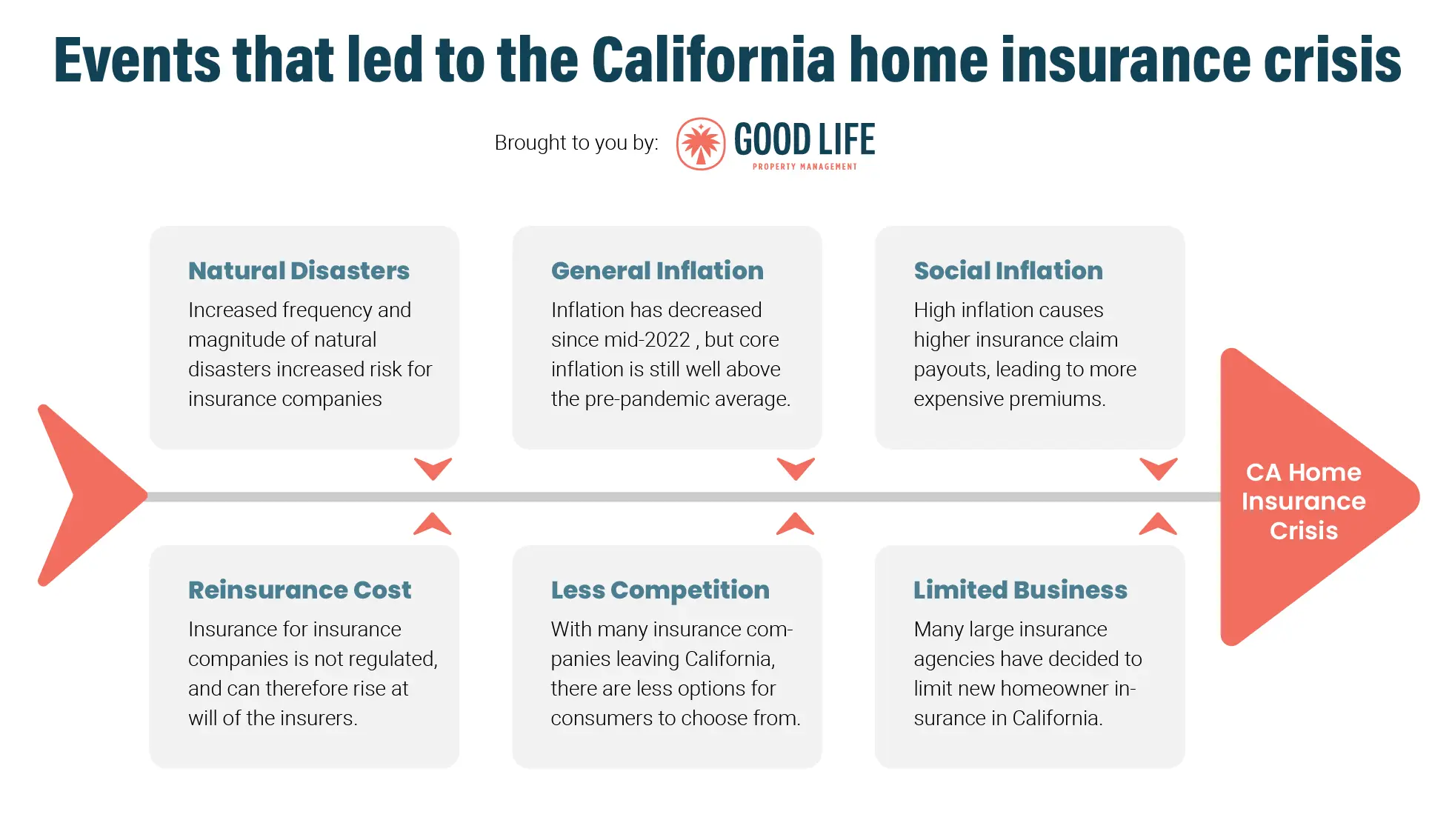
Navigating the complexities of home insurance in a state as unique as California requires more than just a cursory glance at legal statutes. It demands a deep dive into lender requirements, regional risks like earthquakes and wildfires, and the comprehensive protection that a robust policy can offer. This article will unravel these layers, providing an insightful guide to why home insurance is not just a policy but a cornerstone of responsible homeownership and a secure long-term stay in California.
Understanding Home Insurance in the Golden State
For many, the process of securing a home in California is an exciting journey into a new chapter of accommodation. However, amidst the excitement, understanding the role of home insurance is paramount. While often perceived as an optional expense, its necessity quickly becomes apparent when delving into the specifics of property acquisition and protection.
The Legal Landscape: Is it Mandatory?
From a purely statutory perspective, the state of California does not have a law that universally mandates homeowners to purchase insurance. Unlike auto insurance, which is legally required for all drivers, you won’t find a state statute explicitly stating that every homeowner must carry a policy. This means that if you own your home outright, free and clear of any mortgage, you technically have the freedom to decide whether or not to insure your property. However, this freedom comes with significant financial risk, as you would bear the full cost of any damage or liability claims. While not legally required by the state, the practical implications often dictate otherwise.
The Lender’s Mandate: Mortgage Requirements
The vast majority of homeowners in California – and indeed across the United States – finance their homes through a mortgage. This is where the “requirement” aspect of home insurance firmly establishes itself. Mortgage lenders view the property as collateral for the loan they’ve extended. To protect their investment, these lenders invariably stipulate that the borrower must maintain an active home insurance policy throughout the life of the mortgage. This contractual obligation is a standard clause in nearly every mortgage agreement.
Without adequate home insurance, the lender faces the risk of losing their collateral in the event of a catastrophic incident like a fire, flood, or earthquake. Should the home be damaged or destroyed, the lender wants assurance that funds will be available to rebuild or repair it, thereby preserving the value of their asset. Failure to maintain the required insurance can lead to the lender purchasing a “force-placed” policy on your behalf, which is typically more expensive and offers less comprehensive coverage than a policy you would procure yourself. This emphasizes that for most homeowners, home insurance is an unavoidable and essential condition of their accommodation financing.
Beyond Legalities: Why Home Insurance is Crucial
Even if you are among the fortunate few who own their home outright, opting out of home insurance can be a perilous gamble. The financial consequences of an uninsured loss can be devastating, wiping out years of savings and investment in an instant. Home insurance offers a critical safety net, providing peace of mind and financial security against a wide array of potential perils.
Consider the common risks faced by homeowners: accidental fires, theft, vandalism, burst pipes, or even someone being injured on your property. Without insurance, the cost of repairing damage, replacing stolen items, or covering legal fees and medical expenses for liability claims would fall entirely on you. For a significant portion of homeowners, these costs would be financially ruinous. Home insurance isn’t just about protecting the physical structure; it’s about safeguarding your financial future and ensuring the stability of your long-term accommodation. It transforms a house into a secure home, protected against unforeseen events that could otherwise shatter your peace of mind and financial well-being.
What Does Home Insurance Cover in California?
A standard homeowner’s insurance policy, often referred to as an HO-3 policy, is designed to offer a broad spectrum of protections. Understanding these coverages is essential for any California resident securing their accommodation, as it delineates exactly what financial assistance you can expect in the event of a covered loss.
Dwelling Coverage: Protecting Your Structure
This is the core of any homeowner’s policy, focusing on the physical structure of your home. Dwelling coverage protects the house itself, including the roof, walls, foundation, and attached structures like a garage or deck. It typically covers damage from perils such as fire, windstorms, hail, lightning, and vandalism. The amount of dwelling coverage you need should be sufficient to rebuild your home entirely from the ground up at current construction costs, not necessarily its market value. For instance, a home in Los Angeles or San Francisco with high property values might require a specific rebuild cost that differs from its market price, especially considering the unique building codes and labor costs in California.
Personal Property Coverage: Safeguarding Your Belongings
Beyond the walls of your house, personal property coverage protects your belongings inside the home and, in many cases, even when they’re away from your property. This includes furniture, electronics, clothing, and other personal items. Coverage is typically provided on an actual cash value (ACV) basis, which factors in depreciation, or on a replacement cost value (RCV) basis, which pays for the cost to replace the items with new ones. RCV coverage is generally recommended as it provides more comprehensive protection. High-value items like jewelry, art, or specialized equipment may have sub-limits and often require scheduled personal property endorsements for full coverage.
Liability Protection: Financial Security Against Claims
Liability coverage is a critically important, yet often underestimated, component of home insurance. It protects you financially if someone is injured on your property and you are found legally responsible, or if you accidentally cause damage to someone else’s property. This coverage can help pay for medical expenses, legal fees, and settlement costs. For example, if a guest slips and falls on your icy walkway in Lake Tahoe and breaks a leg, your liability coverage would kick in. The standard amount of liability coverage is usually $100,000 to $300,000, but many homeowners opt for higher limits or an umbrella policy for enhanced protection, especially in litigious states like California.
Additional Living Expenses (ALE): When You Can’t Stay Home
Also known as Loss of Use coverage, Additional Living Expenses (ALE) provides financial assistance if your home becomes uninhabitable due due to a covered peril. This coverage helps pay for temporary housing, food, and other necessary expenses while your home is being repaired or rebuilt. This is particularly vital in California, where large-scale events like wildfires can displace entire communities for extended periods. ALE ensures that you and your family can maintain a semblance of normalcy and secure alternative accommodation without incurring significant out-of-pocket costs during a stressful time.
Unique Challenges and Considerations for California Homeowners
While a standard policy offers robust protection, California’s distinct geography and climate present specific risks that often require specialized insurance considerations. For anyone seeking a long-term stay in the state, understanding these unique challenges is key to comprehensive accommodation security.
Earthquake Coverage: A Separate but Vital Protection
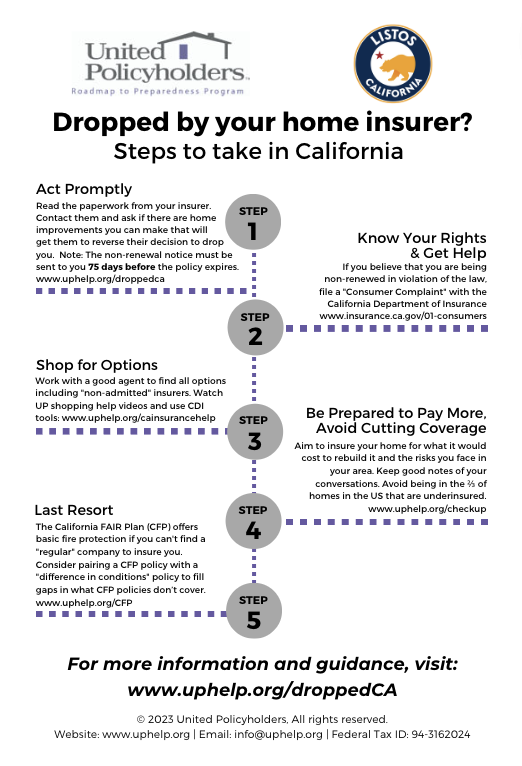
California is synonymous with seismic activity, making earthquake risk a primary concern for homeowners. Crucially, standard home insurance policies do not cover earthquake damage. For this vital protection, homeowners must purchase a separate earthquake insurance policy or add an endorsement to their existing policy. The California Earthquake Authority (CEA) is the primary provider of residential earthquake insurance in the state, offering various coverage options with different deductibles and limits. Given the state’s frequent tremors, particularly along fault lines near cities like San Jose and Sacramento, securing earthquake coverage is an astute decision for any long-term resident.
Wildfire Risks: Navigating High-Risk Zones
Wildfires have become an increasingly devastating threat across much of California, especially in areas bordering national forests and dry hillsides. While standard home insurance typically covers fire damage, securing a policy can be challenging and expensive in high-risk wildfire zones. Insurers may refuse to renew policies or charge exorbitant premiums, leading many homeowners to seek alternative options. It’s essential for property owners in areas like the Sierra Nevada foothills or parts of Orange County to understand their wildfire risk and ensure their coverage is adequate for rebuilding in the event of such a disaster.
Flood Insurance: Protecting Against Water Damage
Similar to earthquakes, flood damage is generally excluded from standard homeowner’s policies. With California’s diverse geography, from coastal regions prone to storm surges to river valleys susceptible to overflow, flood risk is a significant concern. Homeowners in designated flood zones, identified by the Federal Emergency Management Agency (FEMA), are typically required by lenders to purchase flood insurance through the National Flood Insurance Program (NFIP). Even outside high-risk areas, unexpected heavy rains can cause significant damage, making flood insurance a prudent consideration for many California residents who wish to secure their long-term accommodation.
The FAIR Plan: Insurance as a Last Resort
For homeowners in high-risk areas—whether due to wildfires, earthquakes, or other factors—who are unable to obtain coverage from the voluntary insurance market, California offers the FAIR Plan (Fair Access to Insurance Requirements). The FAIR Plan acts as an insurer of last resort, ensuring that basic property insurance is available to all eligible residents. While it provides essential fire and extended coverage, it typically offers less comprehensive protection and higher premiums than a standard policy from a private insurer. Often, homeowners using the FAIR Plan will need to purchase a “Difference in Conditions” (DIC) policy from another insurer to supplement coverage for perils not included in the FAIR Plan, such as liability and theft.
Navigating the California Home Insurance Market
The unique challenges of insuring a home in California underscore the importance of being an informed and proactive consumer. Securing the right policy for your accommodation requires careful consideration and diligent research.
Choosing the Right Policy: Factors to Consider
When selecting a home insurance policy in California, several factors should guide your decision. Beyond the basic coverage types, consider the specific risks associated with your property’s location. Is it in a wildfire zone near Pasadena? Close to a flood plain in the Central Valley? Or near a major fault line in Oakland? Evaluate the rebuild cost of your home, not just its market value, to ensure sufficient dwelling coverage. Also, consider the value of your personal property and whether you need additional endorsements for high-value items. Finally, assess your comfort level with different deductible amounts, as these significantly impact your premiums.
Shopping for Quotes: Finding the Best Value
The California insurance market is dynamic, with many providers offering a range of policies. It is highly recommended to obtain quotes from multiple insurance companies to compare coverage, premiums, and deductibles. Don’t just look at the price; scrutinize the details of what each policy covers and excludes. An independent insurance agent specializing in California property insurance can be an invaluable resource, helping you navigate the complexities and find policies tailored to your specific needs and location. Online comparison tools can also be helpful, but a human expert can often provide more personalized advice.
Understanding Your Deductibles and Premiums
Your deductible is the amount you pay out-of-pocket before your insurance coverage kicks in. Higher deductibles typically result in lower premiums (your regular payment for the policy). In California, earthquake policies often have very high deductibles (e.g., 10-20% of the dwelling coverage), which means you would bear a substantial initial cost in the event of a claim. It’s crucial to choose a deductible you can comfortably afford. Premiums, on the other hand, are influenced by various factors including your home’s age and construction, location, claims history, and chosen coverage limits. Understanding the interplay between these elements is key to managing your insurance costs effectively.
Regular Reviews: Keeping Your Policy Up-to-Date
Life changes, and so do insurance needs. It’s prudent to review your home insurance policy annually or whenever significant life events occur. Have you made major renovations to your home? Acquired new valuable possessions? Does your family situation change? These events might necessitate adjustments to your coverage limits or endorsements. Furthermore, the cost of rebuilding your home or replacing your belongings can fluctuate with inflation and market trends. Regular reviews ensure your policy remains adequate, preventing underinsurance that could leave you vulnerable in the event of a significant loss, thus ensuring the continued security of your accommodation.
The Long-Term Stay Perspective: Home Insurance as an Accommodation Essential
While the initial question focused on the requirement for home insurance in California, the broader context of a long-term stay underscores its fundamental importance. For anyone establishing roots and investing in property within the Golden State, home insurance transcends mere compliance; it becomes an indispensable component of a secure and stable life.
Peace of Mind for Residents
Living in California, with its stunning natural beauty, also means acknowledging its inherent risks—earthquakes, wildfires, and floods. Knowing that your primary accommodation, your home, is protected against these perils provides an unparalleled sense of security. It means that should disaster strike, you have a financial safety net to rebuild, repair, and recover, minimizing the disruption to your life and the long-term viability of your chosen residence. This peace of mind allows residents to fully embrace the California lifestyle without constant worry about potential catastrophes.
Investment Protection for Property Owners
For most, a home is the single largest financial asset and a significant long-term investment. Home insurance acts as a vital safeguard for this investment. Without it, the equity built over years, the down payment, and ongoing mortgage payments could all be jeopardized by a single uninsured event. In a state where property values are often high, such as in San Diego or the Bay Area, the stakes are even higher. Home insurance protects not just the physical structure but the financial foundation of your family and future, preserving your capacity for a secure long-term stay.

Enhancing Financial Stability
Unexpected property damage or a liability lawsuit can lead to immense financial strain, potentially forcing homeowners into debt or even bankruptcy. Home insurance mitigates these risks by absorbing the vast majority of these unforeseen costs. It ensures that your savings remain intact, your credit rating isn’t compromised, and your overall financial stability isn’t derailed by a single incident. This financial resilience is particularly critical for those planning a long-term stay, as it guarantees that your accommodation remains a source of security rather than a source of persistent financial anxiety.
In conclusion, while California state law may not explicitly require home insurance for all homeowners, the reality for anyone with a mortgage, or simply anyone who values their financial security and peace of mind, is that it is an absolute necessity. It is an integral part of responsible homeownership, offering comprehensive protection against a range of perils specific to the Golden State. From safeguarding your dwelling and personal belongings to providing crucial liability protection and additional living expenses, home insurance is not merely a policy; it’s a foundational element for a secure and enduring long-term stay in your California home.
LifeOutOfTheBox is a participant in the Amazon Services LLC Associates Program, an affiliate advertising program designed to provide a means for sites to earn advertising fees by advertising and linking to Amazon.com. Amazon, the Amazon logo, AmazonSupply, and the AmazonSupply logo are trademarks of Amazon.com, Inc. or its affiliates. As an Amazon Associate we earn affiliate commissions from qualifying purchases.