
The Ethereal Allure of the Hotel Concept
The phrase “Hotel California” immediately evokes a sense of enigmatic allure, a phantom establishment steeped in mystique and dark glamour, forever etched into popular culture by the Eagles‘ iconic song. While not a physical edifice one can book for a night, the concept it represents is deeply rooted in our collective understanding of hotels themselves. Hotels, at their core, are more than mere structures of bricks and mortar; they are transitional spaces, temporary havens, and stages for countless human dramas. They promise escape, luxury, anonymity, and often, an experience far removed from the mundane. This inherent duality—the promise of comfort juxtaposed with a sense of transient disconnection—makes them fertile ground for storytelling, from romantic comedies to chilling thrillers.

Hotels as Temporary Havens: Beyond Bricks and Mortar
Modern hotels strive to be sanctuaries, offering a curated environment designed to make guests feel secure, pampered, and detached from the outside world. From the moment one steps into a grand lobby, the intention is to transport them to a different reality, whether it’s a bustling urban retreat or a secluded Maldivian resort. The emphasis on service, privacy, and well-being positions hotels as temporary havens, places where responsibilities are suspended, and the focus shifts to personal comfort. Yet, even in the most opulent suites, there’s an underlying awareness of transience. The room, however luxurious, is not truly yours; it’s a rented space, a brief interlude before returning to the familiar. This fleeting nature contributes to the hotel’s mystique, making each stay a self-contained narrative, a brief chapter in a traveler’s journey.
Architecture and Ambiance: Crafting an Experience
The design and ambiance of a hotel are crucial in shaping its perceived identity and the guest experience. Grand Victorian hotels with their ornate facades and sprawling ballrooms evoke a sense of history and classic elegance, while sleek, minimalist boutique hotels speak to contemporary luxury and understated sophistication. The lighting, the scent, the soundscape, even the texture of the furnishings, are meticulously chosen to create a specific mood. In the context of “Hotel California,” the lyrics conjure images of lavish decor (“pink champagne on ice,” “mirrors on the ceiling”) that speak to an opulent yet potentially decadent environment. This attention to detail in real-world hotels—from the artfully arranged floral displays to the carefully selected background music in the lounge—is all aimed at crafting an immersive experience, one that can be uplifting, relaxing, or, as the song suggests, even unsettlingly captivating.
The Transient Nature of Hotel Stays
The very definition of a hotel implies transience. Guests check in, they occupy a space for a finite period, and then they check out. This continuous flow of people, each bringing their own stories, hopes, and secrets, imbues hotels with a unique character. Unlike a permanent residence, a hotel room is a blank canvas, briefly animated by its current occupant before being reset for the next. This constant turnover can be liberating, offering anonymity and a fresh start with each destination. However, it can also breed a sense of detachment, a feeling of being an observer rather than a participant in the hotel’s ongoing life. It’s this transient nature, this liminal space between arrival and departure, that artists often explore to reflect broader themes of life’s journey, societal pitfalls, or personal transformation, much like the Eagles did with their famous allegory.
Deconstructing the “Hotel California” Metaphor
The enduring fascination with “Is Hotel California About Hell?” stems from the song’s masterful use of metaphor and allegory. For decades, listeners have grappled with its rich, often unsettling imagery, seeking a concrete meaning behind the enigmatic lyrics. While the Eagles themselves have offered various interpretations over the years—often referring to the song as a commentary on the excesses of the Los Angeles music industry or the darker side of the American dream—its power lies in its ambiguity. This ambiguity allows the listener to project their own fears, experiences, and cultural understandings onto the narrative, making it a truly universal reflection on entrapment and the seductive nature of vice.
The Eagles’ Lyrical Tapestry: A Study in Allegory
The lyrics of “Hotel California” paint a vivid, almost hallucinatory picture. From the “dark desert highway” to the “warm smell of colitas” and the mysterious “mission bell,” every line contributes to an atmosphere of unsettling beauty. The recurring motifs of illusion (“mirrors on the ceiling”), addiction (“we are all just prisoners here, of our own device”), and inescapable fate (“you can check out any time you like, but you can never leave”) weave a complex allegorical tapestry. This narrative style transcends a simple story about a hotel, elevating it to a commentary on human desires, self-deception, and the often-insidious nature of chasing superficial pleasures. In the context of hotels, it explores the idea that some establishments, or the lifestyles they represent, can become more than temporary accommodations; they can become psychological traps.
The Sunset Strip Theory: Glamour and Decadence
One prevalent theory posits that “Hotel California” is a critique of the hedonistic lifestyle and moral decay prevalent in Los Angeles, particularly along the Sunset Strip, during the 1970s. The “hotel” in this interpretation symbolizes the entertainment industry itself, luring hopefuls with promises of fame and fortune, only to consume them in a cycle of excess and disillusionment. The “lovely place” with “plenty of room” becomes a metaphor for the enticing but ultimately hollow promises of the Hollywood dream machine. The descriptive elements of luxury—”pink champagne on ice,” “Mercedes-Benz”—point to a superficial glamour that masks a darker underbelly. This perspective grounds the song in a specific cultural context, reflecting how certain iconic locations or types of establishments can become synonymous with particular lifestyles, both aspirational and cautionary.
Interpreting “Hell”: A State of Mind or a Literal Place?
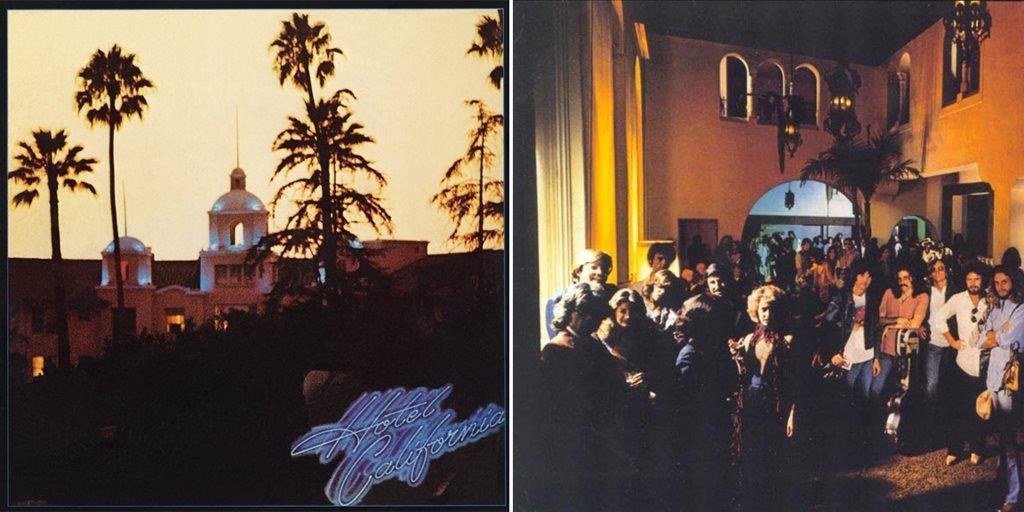
The question of whether “Hotel California” is “about hell” is less about a literal inferno and more about a psychological or spiritual one. “Hell” in this context can be understood as a state of perpetual entrapment, a self-inflicted torment, or an inescapable consequence of one’s choices. The chilling line, “You can check out any time you like, but you can never leave,” perfectly encapsulates this idea of a psychological prison. It speaks to the seductive nature of destructive habits or environments, where the initial allure gives way to an inability to break free. From a hotel perspective, it warns against the intoxicating escapism that some lavish establishments can offer, where the desire to prolong the illusion can lead to a loss of self and an eventual feeling of being irrevocably stuck. It’s a powerful testament to how hotels, as transient spaces, can symbolize deeper journeys into freedom or confinement.
Hotels in Pop Culture: Shaping Perception
Beyond the specific allegory of “Hotel California,” hotels frequently serve as potent symbols in popular culture, influencing how we perceive these real-world establishments. From grand, historic landmarks to minimalist, futuristic pods, cinematic and literary representations imbue hotels with personalities, transforming them from mere settings into characters in their own right. This cultural portrayal extends beyond the physical space, touching upon the psychology of isolation, the allure of luxury, and the unsettling possibilities hidden behind closed doors.
Iconic Establishments and Their Cultural Footprint
Pop culture is replete with hotels that have become almost as famous as the stories they house. The ominous Overlook Hotel from Stephen King’s The Shining transformed the grand, isolated resort into a terrifying symbol of madness and malevolent history. The humble yet chilling Bates Motel from Psycho turned the roadside inn into a harbinger of psychological horror and concealed depravity. Even the glamorous Beverly Wilshire Hotel in Pretty Woman became synonymous with aspirational luxury and romantic transformation. These fictional portrayals, whether for horror or romance, seep into our collective consciousness, shaping our expectations and even our subconscious fears or desires when we check into a real hotel. They demonstrate how cultural narratives can elevate an ordinary type of accommodation into an icon, influencing perceptions far beyond its physical attributes.
The Psychology of the Hotel Setting: Isolation, Luxury, and Mystery
Hotels inherently possess a unique psychological landscape. They are spaces designed for privacy, offering a transient form of anonymity that can be both liberating and isolating. The luxurious amenities, from room service to spa treatments, are meant to cocoon guests in comfort, yet this very cocoon can sometimes foster a sense of detachment from the outside world. This duality makes hotels ideal settings for exploring themes of identity, transformation, and hidden desires. The mystery of who occupies the room next door, the secrets whispered in the corridors, or the untold stories of past guests all contribute to an aura of intrigue. This is precisely what “Hotel California” taps into: the idea that beneath the veneer of luxury and hospitality, there can be an unsettling current of unknown possibilities, turning a place of temporary rest into a crucible of experience.
From Welcome to Farewell: The Narrative Arc of a Hotel Stay
Every hotel stay, no matter how brief, follows a narrative arc, from the initial anticipation of check-in to the inevitable farewell. This arc mirrors many literary structures, making hotels a natural stage for compelling stories. The welcome, often characterized by warmth and efficiency, sets the tone. The stay itself is a period of immersion, whether for business, leisure, or escape. Finally, the check-out signifies a return to reality, often leaving behind a changed perspective or a lasting memory. In some narratives, like “Hotel California,” this arc is distorted, with the “farewell” becoming an impossibility, trapping the protagonist in a perpetual cycle. This cultural representation highlights the profound impact hotels can have on personal narratives, serving as pivotal points where decisions are made, lives intersect, and destinies are altered, for better or for worse.
The Enduring Power of the Hotel Mystique
The question “Is Hotel California About Hell?” ultimately speaks to the enduring power of the hotel as a cultural icon, a symbol capable of embodying both heaven and hell. It’s a testament to how these establishments, designed for temporary lodging, transcend their practical function to become deeply embedded in our imaginations as places of profound significance. This mystique, fueled by popular culture and architectural grandeur, continues to shape our expectations and experiences when we interact with the hospitality industry.
Crafting Memorable Guest Experiences: Beyond the Myth
For hotel operators and designers, understanding this cultural resonance is paramount. While no reputable hotel aims to replicate the ominous atmosphere of “Hotel California,” the desire to create an unforgettable, immersive experience remains central. Hotels strive to move beyond mere provision of shelter, focusing on crafting memorable guest journeys that evoke feelings of comfort, wonder, and belonging. This involves everything from personalized service and bespoke amenities to unique design aesthetics that tell a story. The goal is to create a positive “trap”—a desire to return, to experience that specific brand of hospitality again—rather than the inescapable torment described in the song. Exceptional hotels, like the Ritz-Carlton or Four Seasons properties, understand that an outstanding guest experience leaves a lasting imprint, fostering loyalty and positive associations.
Modern Hotels and the Echoes of Lore
Even in the most modern, technologically advanced hotels, echoes of this rich cultural lore persist. Architects and interior designers often draw inspiration from historical narratives, local legends, or even fictional portrayals to imbue their spaces with character. A sleek urban hotel might incorporate elements of the city’s past, while a secluded mountain lodge could evoke tales of adventure and discovery. The challenge is to harness the alluring aspects of hotel mystique—the promise of escape, the hint of glamour, the potential for new experiences—without venturing into the unsettling territory of entrapment. Contemporary hospitality continually seeks to innovate while remaining sensitive to the deep-seated cultural narratives that define our perception of these important spaces.

The Ultimate Hospitality Question: Heaven or Hell?
Ultimately, whether a hotel experience feels like “heaven” or “hell” is subjective and often dependent on a myriad of factors, from the quality of service to personal circumstance. The Eagles’ “Hotel California” serves as a powerful reminder that even in the most ostensibly luxurious settings, there can be hidden complexities and psychological depths. It underscores the idea that a hotel is never just a room; it’s a temporary world, a transient stage where human stories unfold. And in those stories, the line between an unforgettable escape and an inescapable predicament can sometimes be surprisingly thin, making the hospitality industry a perpetual exploration of both ultimate comfort and profound human experience.
LifeOutOfTheBox is a participant in the Amazon Services LLC Associates Program, an affiliate advertising program designed to provide a means for sites to earn advertising fees by advertising and linking to Amazon.com. Amazon, the Amazon logo, AmazonSupply, and the AmazonSupply logo are trademarks of Amazon.com, Inc. or its affiliates. As an Amazon Associate we earn affiliate commissions from qualifying purchases.