
The landscape of online travel and digital lodging platforms is a complex web of acquisitions, mergers, and corporate parentage. For the modern traveler looking to secure a room in New York City or a villa in Bali, the variety of websites available can be overwhelming. One of the most common questions regarding these platforms is the relationship between two giants of the industry: Hotels.com and Expedia. To answer the question directly: Yes, Hotels.com is a subsidiary of Expedia Group.
Understanding this ownership is crucial for consumers who navigate the world of digital accommodation. It explains why user interfaces might feel similar, why certain rewards programs have merged, and how pricing parity is maintained across different URLs. This deep dive explores the corporate structure of these entities, the evolution of the accommodation booking industry, and what it means for the end-user seeking the best possible stay.
The Evolution of the Online Booking Ecosystem
The history of online accommodation booking is a story of rapid technological advancement and strategic consolidation. In the early days of the internet, travelers had to call properties directly or visit a local travel agent to book a stay at the Hilton or the Marriott International. The birth of the Online Travel Agency (OTA) changed everything, centralizing inventory and allowing users to compare prices in real-time.
The Genesis and Acquisition of Hotels.com
Hotels.com began its journey in 1991 as the Hotel Reservations Network (HRN). Its primary focus was providing hotel booking services via a toll-free number. By 2001, the company was acquired by USA Networks Inc., which also owned a majority stake in Expedia. Eventually, through a series of corporate restructurings, both brands became cornerstone assets of the Expedia Group.
This acquisition allowed the parent company to dominate the market in the United States and later expand its reach into Europe and Asia. By bringing these platforms under one roof, the corporation could leverage shared technology stacks while maintaining distinct brand identities to capture different segments of the market.
The Rise of Expedia Group as a Global Titan
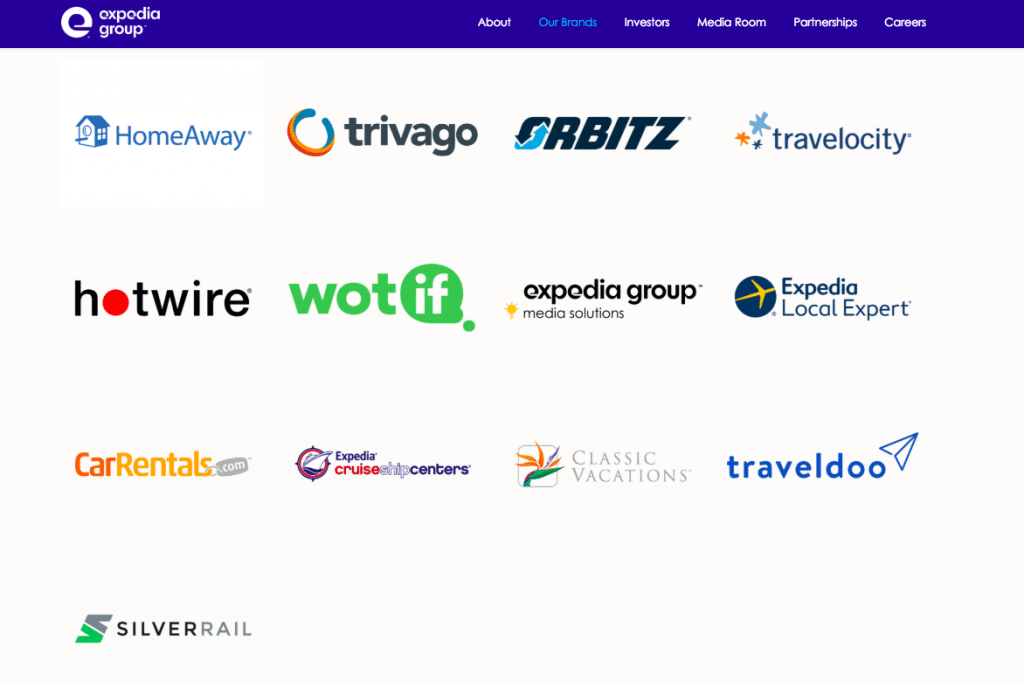
While many people think of Expedia as a single website, it is actually a massive conglomerate. Beyond its namesake site and Hotels.com, the group owns several other major players in the accommodation and travel sector, including Vrbo, Orbitz, Travelocity, and Trivago.
This consolidation has turned the industry into a virtual duopoly, with Expedia Group on one side and Booking Holdings on the other. For a traveler searching for a luxury suite at the Four Seasons in Paris, the choice of website often leads back to one of these two corporate giants.
Comparing Features and the User Experience in Accommodation
Despite having the same owner, Hotels.com and Expedia have historically targeted slightly different types of users. Understanding these nuances helps travelers decide which platform is better suited for their specific booking needs, whether they are looking for a budget apartment in Berlin or a five-star resort in Dubai.
Loyalty Programs and the One Key Transition
For years, the main differentiator for Hotels.com was its incredibly straightforward loyalty program: “Book 10 nights, get one free.” This simple value proposition made it a favorite for frequent travelers staying at various properties like the InterContinental or independent boutique hotels.
However, under the unified strategy of Expedia Group, the company recently launched One Key. This loyalty program integrates Expedia, Hotels.com, and Vrbo. This shift allows travelers to earn and spend “OneKeyCash” across different types of accommodations. While this adds flexibility—allowing you to earn credit on a flight and spend it on a stay at the Ritz-Carlton—it marked the end of the traditional “10th night free” model that many purists loved.
Inventory, Pricing, and Niche Specialization
From a technical standpoint, the inventory on both sites is largely identical. If a room is available at the Bellagio in Las Vegas on one site, it is almost certainly available on the other. The pricing is also usually synced to prevent internal competition.

The primary difference lies in the user interface and the filtering options. Hotels.com remains more focused on the accommodation experience itself, with a cleaner interface designed for comparing hotel amenities, guest reviews, and room types. Expedia, conversely, is built as a “one-stop shop,” encouraging users to bundle their stay with flights and car rentals to achieve “bundle savings” for a trip to London or Tokyo.
The Impact of Shared Ownership on the Traveler
When a single company owns multiple booking platforms, it has a significant impact on how consumers interact with the market. While consolidation offers convenience, it also raises questions about competition and the diversity of options available to those seeking a place to stay.
Price Parity and the Illusion of Choice
Travelers often spend hours “window shopping” across different websites to find the cheapest rate for a resort in Cancun. Because Expedia Group owns so many of these sites, the prices are often exactly the same. This can create an “illusion of choice” where the consumer thinks they are comparing different companies, but they are actually just looking at different storefronts for the same warehouse.
The benefit of this, however, is reliability. Whether you book through Orbitz or Hotels.com, the backend customer service and reservation management are handled by the same robust infrastructure. This ensures that when you arrive at the Sheraton in Sydney, your booking is confirmed and secure.
The Role of Customer Reviews and Trust
One of the most valuable assets owned by these platforms is their database of verified guest reviews. Because Expedia Group can aggregate reviews from across its various sites, it provides a more comprehensive picture of what it is actually like to stay at a property. If you are looking at a small apartment in Rome, seeing hundreds of reviews gathered from across the entire corporate network provides a level of trust that a single, independent site might lack.
Furthermore, the scale of the company allows for better protection policies. Large OTAs have the leverage to negotiate favorable cancellation policies with hotel chains like Hyatt, which can then be passed down to the consumer. This corporate muscle is particularly useful when travel plans change unexpectedly.
Navigating the Future of Digital Accommodations
As the world of travel continues to evolve, the relationship between Hotels.com and Expedia will likely become even more integrated. The rise of alternative lodging and the push for AI-driven travel planning are the next frontiers for the parent company.
The Integration of Alternative Accommodations
With the acquisition of Vrbo, the Expedia Group has begun to blur the lines between traditional hotels and vacation rentals. Travelers searching on Hotels.com for a stay in Barcelona will now see private apartments and villas listed alongside established hotels like the W Hotel.
This strategy is a direct response to the rise of Airbnb. By offering a “whole home” experience alongside the amenities of a traditional hotel, the group aims to keep travelers within its ecosystem regardless of their accommodation preference. For the consumer, this means more variety but also a greater need to carefully check the “amenities” list to ensure the property meets their expectations.
Leveraging AI for Personalized Stay Recommendations
The next phase for these platforms is the implementation of Artificial Intelligence to help travelers find the “perfect” stay. By analyzing years of data from millions of bookings in cities like Singapore or Amsterdam, the Expedia Group can predict which properties a user is most likely to enjoy.
For example, if a traveler frequently books luxury resorts with spa facilities, the AI might prioritize the Mandarin Oriental in their search results. This level of personalization is only possible because of the massive scale of the data collected across Hotels.com and its sister sites. While some may find this intrusive, it significantly reduces the “search fatigue” associated with booking a complex trip to Italy or Japan.
In summary, while Hotels.com and Expedia may appear to be competitors on the surface, they are two limbs of the same massive body. For the traveler, this ownership structure provides a standardized level of service, a unified rewards system through One Key, and access to a global inventory of accommodations. Whether you are seeking a quick overnight stay at a Holiday Inn or a month-long retreat in Thailand, understanding that these platforms are connected helps you navigate the booking process with greater insight and confidence.
LifeOutOfTheBox is a participant in the Amazon Services LLC Associates Program, an affiliate advertising program designed to provide a means for sites to earn advertising fees by advertising and linking to Amazon.com. Amazon, the Amazon logo, AmazonSupply, and the AmazonSupply logo are trademarks of Amazon.com, Inc. or its affiliates. As an Amazon Associate we earn affiliate commissions from qualifying purchases.