
When checking into a luxurious suite at the Ritz-Carlton in New York or settling down for an extended stay at an apartment in Tokyo, travelers are often greeted by a pristine environment. Crisp linens, sparkling bathrooms, and neatly arranged amenities set the stage for a relaxing getaway. However, as travel trends shift toward personalization, privacy, and sustainability, a common question arises among modern guests: is housekeeping actually required during a hotel stay?
The short answer is no, housekeeping is rarely mandatory from the guest’s perspective. You have every right to decline daily service, lock your door, and maintain your personal space undisturbed throughout your reservation. Yet, the relationship between guests and hotel cleaning staff is more nuanced than a simple yes-or-no answer. Understanding how the hospitality industry operates regarding room maintenance, guest expectations, and emerging trends helps travelers make informed decisions about their accommodation experience.
The Evolution of Hotel Housekeeping Policies
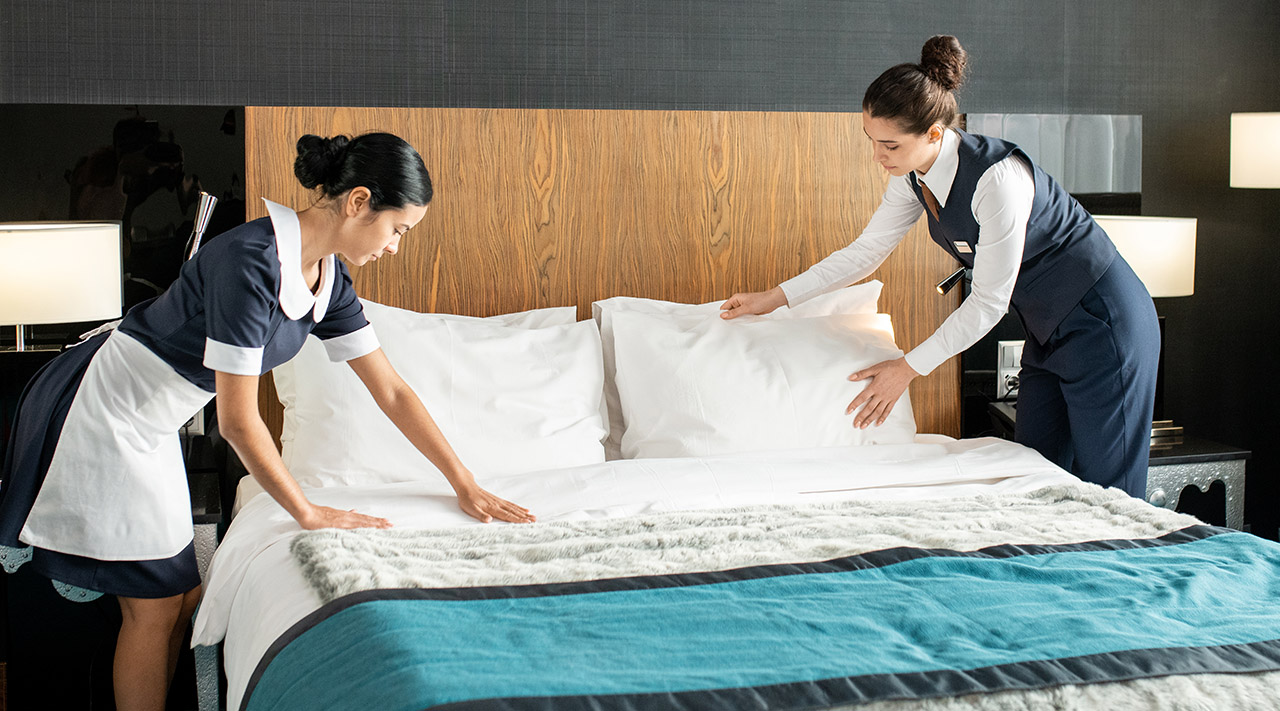
Housekeeping has long been considered the backbone of hotel operations. Traditionally, daily cleaning was an absolute standard, an unwritten promise that your bed would be made and your towels replaced the moment you stepped out to sightsee or attend business meetings. Properties like the Four Seasons built their legendary reputations on meticulous, twice-daily attention to detail, ensuring that every corner of a suite met exacting standards of cleanliness.
However, the operational landscape of the lodging sector has transformed dramatically. In recent years, major hospitality brands—ranging from boutique properties in Paris to global chains like Marriott International—have introduced flexible housekeeping options. Guests are increasingly given the autonomy to choose whether they want full daily service, light refresh services, or no service at all during their stay.
Why Hotels Are Offering Opt-Out Services
The shift away from mandatory daily housekeeping is driven by several converging factors:
- Environmental Sustainability: Washing thousands of sheets and towels daily consumes massive amounts of water, energy, and detergents. Allowing guests to opt out of daily linen changes significantly reduces the carbon footprint of properties like the Fairmont Hotel.
- Guest Privacy: Many travelers, particularly remote workers and long-term guests staying at extended-stay properties like Residence Inn, prefer not to have their personal belongings disturbed or to schedule their days around cleaning staff schedules.
- Operational Efficiency: Labor shortages and rising operational costs have prompted hotels to rethink how staff is deployed, prioritizing deep cleaning between guest turnovers over repetitive daily tidying.
Understanding Your Rights and Hotel Policies
When you book a room, you enter into a service agreement with the property. While housekeeping is a foundational amenity provided by hotels, it is fundamentally a service designed for your comfort, not an obligation forced upon you.
If you prefer complete solitude, you can utilize the “Do Not Disturb” sign or explicitly inform the front desk upon check-in that you do not require housekeeping services. Most boutique hotels and luxury resorts will gladly accommodate this preference. Conversely, if you are staying at a property like The Plaza in Manhattan and expect immaculate daily upkeep, it remains fully available to you as part of the standard resort fee or room rate.
Essential Exceptions: When Housekeeping Becomes Necessary
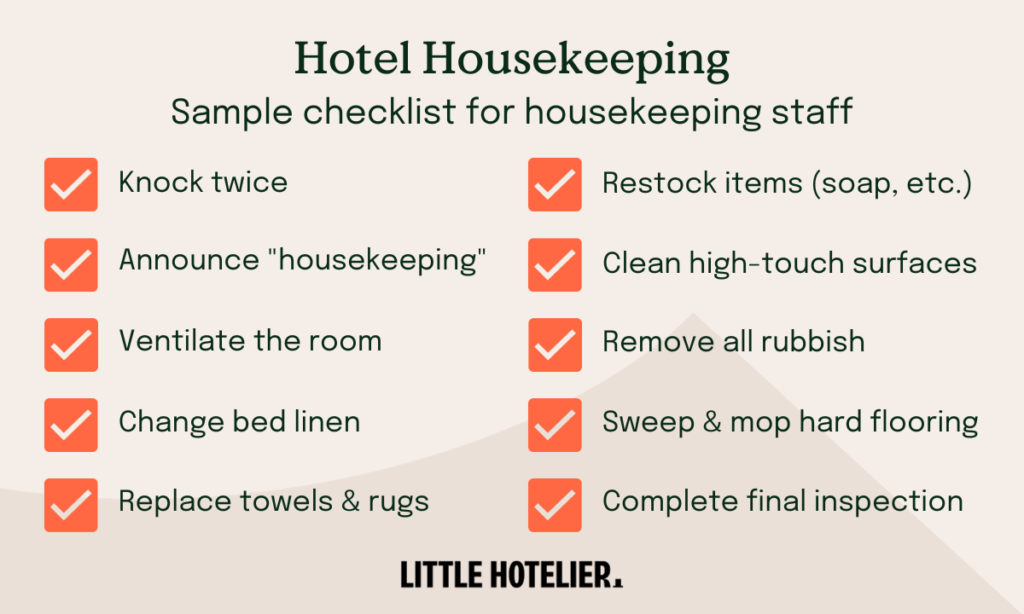
While daily tidying is optional, there are certain situations where hotel management or local regulations may require staff access to your room. Knowing these exceptions prevents misunderstandings during your stay.
Health, Safety, and Maintenance Checks
Hotels have a legal and ethical responsibility to ensure the safety of their premises. If a “Do Not Disturb” sign remains on a door for an extended period—typically 24 to 48 hours depending on regional laws and hotel policy—staff are usually required to conduct a welfare check. This policy ensures that no medical emergencies have occurred and that the room is not sustaining damage. Furthermore, mandatory maintenance inspections, such as checking smoke detectors or HVAC filters, may require brief entry regardless of your housekeeping preferences.
Severe Cleanliness Violations
Maintaining basic hygiene standards is a requirement of occupancy. If a room is left in a state that poses a biohazard, attracts pests, or risks permanent damage to the property—such as unauthorized smoking indoors or severe neglect—hotel management reserves the right to intervene. In extreme cases, housekeeping will be dispatched to restore the room, and additional cleaning fees may be charged to the guest’s account.
Financial and Incentive-Based Opt-Outs
To encourage eco-friendly behavior and streamline operations, many modern resorts and urban hotels now offer tangible incentives for guests who decline daily housekeeping.
Green Credits and Loyalty Points
When booking a stay at properties affiliated with groups like Hilton or Hyatt, you may be asked at check-in if you would like to participate in a “Green Stay” program. By opting out of housekeeping for a set number of days, guests often receive:
- Bonus Loyalty Points: Deposited directly into frequent guest accounts.
- Food and Beverage Vouchers: Usable at the hotel’s on-site restaurants, cafes, or bars.
- Retail Discounts: Credits toward spa treatments, local tours, or merchandise.
These programs create a win-win scenario: the hotel saves on labor and utility costs, the environment benefits from reduced resource consumption, and the guest is rewarded for their flexibility.
How to Customize Your Housekeeping Experience
Navigating hotel housekeeping preferences is straightforward if you communicate your expectations clearly. The hospitality industry thrives on guest satisfaction, meaning front desk agents and concierge teams are usually more than happy to tailor services to your exact liking.

Best Practices for Managing Room Service
- Communicate at Check-In: Let the front desk know your preferences immediately. If you want service only every third day, or none at all, establishing this upfront prevents miscommunication.
- Utilize Door Signage: Make active use of “Do Not Disturb” and “Please Make Up Room” door hangers. Digital door panels found in modern tech-forward hotels in London or Singapore make setting these preferences even easier.
- Tip Accordingly: If you do utilize housekeeping, standard industry etiquette suggests leaving a gratuity for the staff, either daily or as a lump sum upon departure. If you opt out entirely, tipping is unnecessary.
- Request Fresh Linens on Demand: Declining full housekeeping does not mean you have to live without fresh towels. You can simply call the front desk to request a drop-off of clean linens and toiletries without having someone enter and clean the entire room.
Ultimately, housekeeping is a cornerstone of the hotel experience, but it is entirely flexible to meet the diverse needs of today’s travelers. Whether you desire white-glove daily service or complete privacy during your escape, understanding how to navigate these policies ensures a seamless and comfortable stay wherever your travels take you.
LifeOutOfTheBox is a participant in the Amazon Services LLC Associates Program, an affiliate advertising program designed to provide a means for sites to earn advertising fees by advertising and linking to Amazon.com. Amazon, the Amazon logo, AmazonSupply, and the AmazonSupply logo are trademarks of Amazon.com, Inc. or its affiliates. As an Amazon Associate we earn affiliate commissions from qualifying purchases.