
Navigating the seasonal rhythms of Florida requires a blend of vigilance and preparation, particularly when your travel plans involve a visit to Miami. As one of the world’s most vibrant coastal destinations, this city offers unparalleled access to South Beach, world-class dining, and a unique cultural tapestry. However, the geographic position of this metropolis makes it susceptible to tropical weather patterns. Understanding how to interpret storm reports and mitigate risk is essential for any traveler looking to experience the magic of the Sunshine State without disruption.
Understanding the Tropical Weather Cycle in Florida
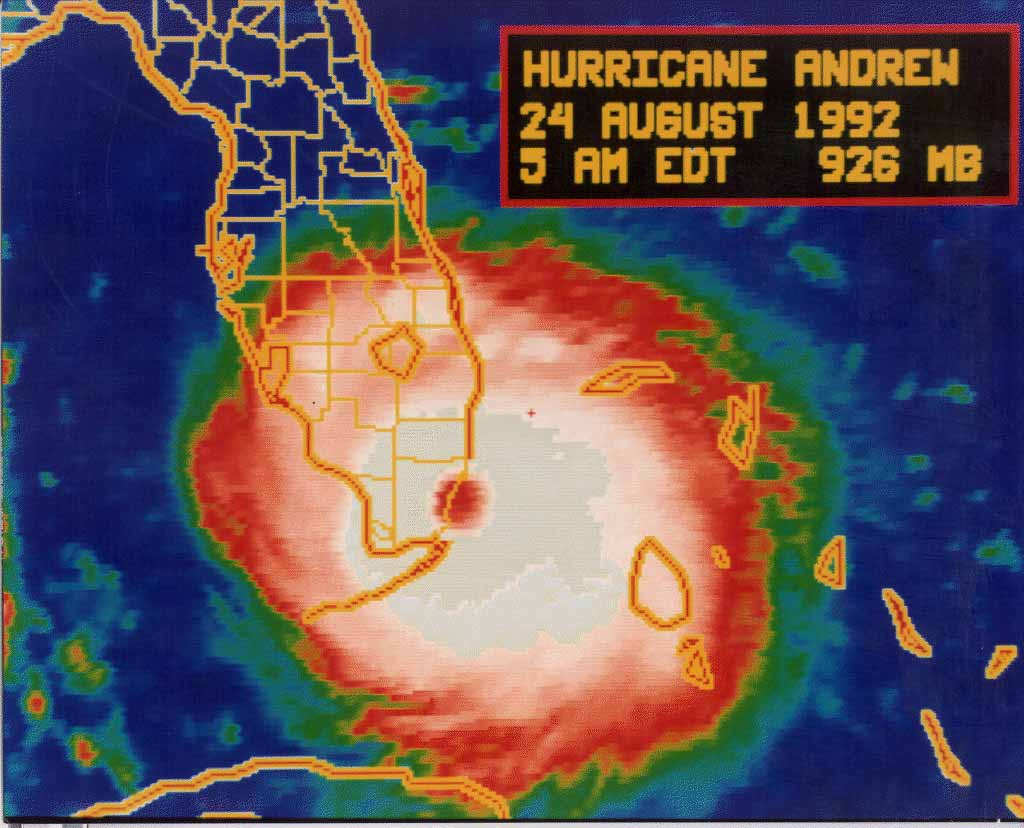
The Atlantic hurricane season is a formal window that stretches from June 1st through November 30th. While many visitors to Miami Beach enjoy clear skies throughout these months, it is a period that demands awareness.
Monitoring Official Forecasts
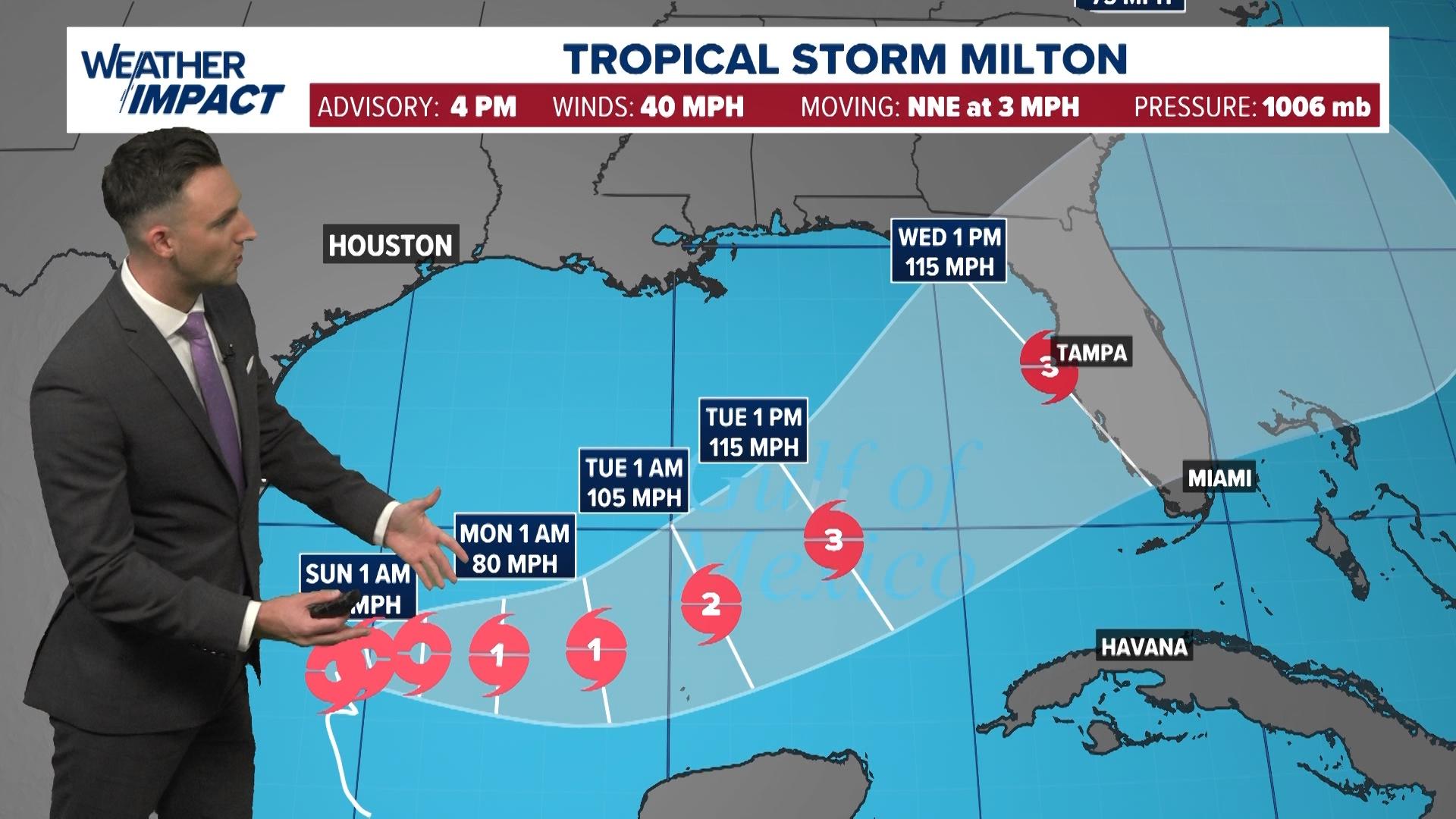
When asking whether a storm is approaching, the first step is to avoid hearsay. Social media can often amplify anxieties, leading to unnecessary cancellations. Rely exclusively on data from the National Hurricane Center. These experts provide “cone of uncertainty” maps that are the industry standard for determining if a specific system will make landfall in or near Miami-Dade County.
Distinguishing Between Watches and Warnings
Understanding terminology is critical for travelers. A “Hurricane Watch” means that hurricane conditions are possible within a specified area, usually issued 48 hours before the anticipated onset of tropical-storm-force winds. A “Hurricane Warning” indicates that these conditions are expected, and preparations should be rushed to completion. If you are currently staying at a property like the Fontainebleau Miami Beach, the staff will be well-versed in these protocols and will provide instructions should a warning be issued.
Practical Travel Preparations for Hurricane Season
If your travel dates fall within the summer or early autumn months, proactive planning ensures that a tropical system does not derail your vacation. Being prepared transforms a potentially stressful situation into a manageable logistics exercise.
Flexible Booking Strategies
When booking your trip to Downtown Miami, always prioritize accommodations with favorable cancellation policies. Many resorts, such as the 1 Hotel South Beach, offer specific “hurricane guarantees.” These policies typically allow guests to move their reservation dates or receive a full refund if a hurricane warning is officially issued for the area. Always review the fine print during the checkout process.
Travel Insurance Considerations
Comprehensive travel insurance is often treated as an afterthought, but during hurricane season, it is a non-negotiable asset. Ensure your policy includes “cancel for any reason” or specifically covers named storms. This provides a financial safety net should you need to evacuate or depart early from your stay at an establishment like the Ritz-Carlton Key Biscayne. It is essential to purchase this insurance at the time of booking, as buying it after a storm has been named will render it invalid for that specific event.
What to Do If a Storm Approaches During Your Stay
Should a storm path shift toward South Florida, your safety is the primary priority. Modern hotels and tourist infrastructure in Miami are built to rigorous standards, but there are steps you must take to ensure your personal well-being.
Engaging with Hotel Management
Luxury properties in the region are highly experienced in emergency management. If you are staying at the Faena Hotel Miami Beach, do not hesitate to ask the concierge about their emergency procedures. They will provide information regarding evacuation routes, the location of local shelters, and how they secure the property during high winds. Following the instructions of local authorities is mandatory if an evacuation order is issued for your zone.
Essential Emergency Kits for Tourists
If you find yourself in the city during a tropical weather event, maintain a small personal kit. This should include:
- A physical copy of your travel documents and passport.
- Portable power banks for mobile devices.
- A supply of non-perishable snacks and bottled water.
- Necessary medications.
While it is tempting to head to Ocean Drive to witness the intensity of the weather, stay indoors. The primary dangers are not just wind, but localized flooding and debris. Staying inside your hotel room or designated safe area is the most responsible way to wait out the storm.
Embracing the Resilience of the Miami Spirit
The reality of living and visiting in the path of tropical storms has shaped the very character of the United States. There is a profound sense of community and resilience found within the city. After a storm clears, the recovery process is often swift and efficient, reflecting the robust nature of the local tourism industry.
Exploring After the Storm
Once the weather clears and local officials announce that it is safe to venture out, the city often bounces back with incredible speed. Famous landmarks like Vizcaya Museum and Gardens or the Wynwood Walls typically conduct safety assessments before reopening to the public. Supporting local businesses immediately after a storm is a fantastic way to contribute to the local economy.

Assessing Your Travel Confidence
If you remain concerned about weather disruptions, consider scheduling your visit during the “shoulder season.” Late spring or the winter months offer the iconic Miami climate—sunny, mild, and virtually devoid of hurricane threats. However, for those who choose the summer, the rewards are often quieter beaches, better rates at premier properties like the Biltmore Hotel, and a deeper appreciation for the dramatic beauty of the Atlantic Ocean.
By staying informed, utilizing proper insurance, and choosing well-managed accommodations, you can enjoy all that Miami has to offer with total peace of mind. Tropical systems are a part of the local environment, but they do not have to be the defining feature of your holiday. With the right perspective, you can navigate the season safely and enjoy an unforgettable experience in this iconic tropical metropolis.
LifeOutOfTheBox is a participant in the Amazon Services LLC Associates Program, an affiliate advertising program designed to provide a means for sites to earn advertising fees by advertising and linking to Amazon.com. Amazon, the Amazon logo, AmazonSupply, and the AmazonSupply logo are trademarks of Amazon.com, Inc. or its affiliates. As an Amazon Associate we earn affiliate commissions from qualifying purchases.