
The approaching storm season always brings a degree of uncertainty for travelers, and when a significant weather system like Hurricane Milton begins to form, immediate concerns arise, particularly for popular tourist destinations. For those planning or currently experiencing a trip to Orlando, understanding the potential impact of such a storm is paramount to ensuring safety and minimizing disruption. This article delves into the current forecasts, historical precedents, and the crucial steps visitors can take to navigate the potential challenges posed by Hurricane Milton.
Understanding the Threat: Milton’s Path and Orlando’s Vulnerability
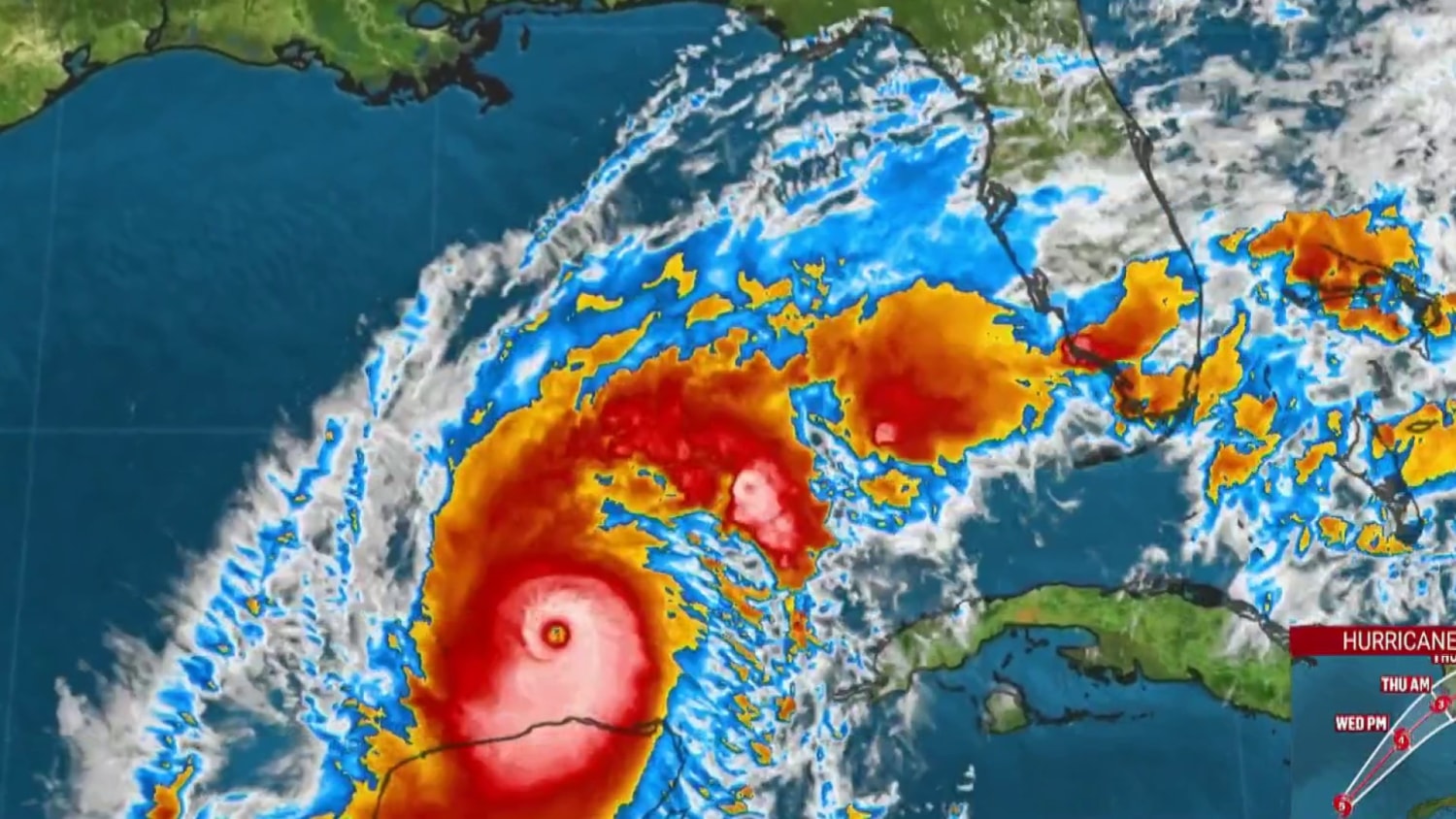
The formation and trajectory of hurricanes are complex phenomena influenced by a myriad of atmospheric conditions. As Hurricane Milton intensifies, meteorologists meticulously track its path, providing crucial data that helps forecast its potential landfall. While the precise track can shift, early indicators are vital for proactive planning. Orlando, situated in the heart of Florida, is not directly on the coast, but its inland location does not render it immune to the effects of a major hurricane. Strong winds, heavy rainfall, and potential flooding can extend hundreds of miles inland.

Early Warning Systems and Forecast Models
The National Hurricane Center (NHC) is the primary authority for tracking and forecasting hurricanes in the United States. They utilize sophisticated computer models and real-time data from satellites, reconnaissance aircraft, and weather buoys to predict a storm’s path and intensity. For Hurricane Milton, monitoring the NHC’s advisories, particularly the cone of uncertainty, is the most reliable way to gauge the potential threat to Orlando. The cone represents the area where the center of the storm is most likely to track, but it’s important to remember that tropical storm-force winds and heavy rain can occur well outside this cone.
Historical Perspective: Hurricanes and the Theme Park Capital
Orlando has experienced the impact of hurricanes in the past, though direct hits with the category of a potentially major storm are less frequent than for coastal cities. However, even storms that make landfall elsewhere in Florida can bring significant weather to the Central Florida region. For instance, hurricanes like Matthew and Irma caused widespread power outages, travel disruptions, and temporary closures of attractions in Orlando. Understanding these past events helps frame the potential severity of Hurricane Milton’s impact.
Preparing for the Storm: A Traveler’s Guide to Orlando
When a hurricane threat is imminent, preparedness is key for anyone visiting or residing in Orlando. This involves staying informed, securing accommodations, and having a plan in place for various scenarios. The focus for tourists should be on safety, information, and flexibility.
Staying Informed: Official Sources and Real-Time Updates
The most critical aspect of hurricane preparedness is reliable information. Travelers should rely on official sources for updates on Hurricane Milton’s path, intensity, and any potential evacuation orders.
- National Hurricane Center (NHC): The NHC website (nhc.noaa.gov) provides the most authoritative and up-to-date information.
- Local News and Emergency Management: Local television stations and Orange County emergency management agencies will provide specific information relevant to the Orlando area, including any local advisories or instructions.
- Accommodation Providers: Hotels and resorts will have their own communication channels and safety protocols. Staying in touch with your lodging provider is crucial for understanding their operational status and any guest advisories.
Accommodation and Safety: Hotels, Resorts, and Beyond
For travelers staying in hotels or resorts, understanding their hurricane policies is essential. Many establishments have contingency plans for severe weather.
- Hotel Hurricane Policies: Before booking, inquire about the hotel’s hurricane policy. This often includes details on cancellations, refunds, and guest safety procedures during a storm. Look for hotels that are built to withstand severe weather and have robust emergency plans.
- Evacuation Procedures: If an evacuation order is issued, follow the instructions of local authorities and your accommodation provider immediately. This might involve moving to a designated shelter or leaving the affected area.
- Securing Your Room: If you are in Orlando during a storm, ensure your room is secured. Close all blinds and curtains to protect against flying debris.
Theme Park Operations and Closures
Orlando is synonymous with its world-class theme parks, such as Walt Disney World Resort and Universal Orlando Resort. These parks have well-established protocols for hurricane threats.
- Park Closures: Major theme parks will close in advance of severe weather to ensure the safety of guests and Cast Members. Information regarding closures is typically announced well in advance on the parks’ official websites and social media channels.
- Reopening Schedules: The reopening of parks is contingent on safety assessments and the restoration of essential services. Travelers should monitor park websites for updates on operational status.
- Ticket and Reservation Flexibility: Most parks and resorts offer flexible policies for rescheduling or refunding tickets and reservations affected by hurricanes. It is advisable to contact the park or resort directly to understand their specific policies.
Navigating Disruptions: Travel and Logistics in a Stormy Climate
Beyond the immediate safety concerns, Hurricane Milton can significantly impact travel plans and logistical arrangements. Being prepared for these disruptions can help mitigate frustration and ensure a smoother experience, even amidst challenging circumstances.
Flight Cancellations and Rebooking
Air travel is often one of the first aspects of a trip to be affected by a hurricane. Airports in the path of the storm, or those serving as hubs for flights to and from affected regions, will experience cancellations.
- Airline Advisories: Airlines typically issue travel advisories for affected cities, allowing passengers to rebook flights without penalty. Monitor your airline’s website and communications closely.
- Airport Operations: Airports themselves may close if conditions become too dangerous. This can lead to widespread delays and cancellations for days.
- Alternative Transportation: Consider having backup plans for ground transportation if flights are significantly delayed or canceled, though road conditions can also be hazardous during and after a storm.
Ground Transportation and Road Conditions
While Orlando is inland, the impact of a hurricane can still affect ground transportation. Heavy rains can lead to flash flooding, and high winds can cause downed trees and power lines, making roads impassable.
- Rental Cars: If you have a rental car, secure it properly and follow any local guidance regarding vehicle safety.
- Public Transportation: Orlando’s public transportation services may be suspended or operate on a limited schedule during severe weather.
- Road Closures: Be aware that local authorities may close roads due to flooding, debris, or damage. Always heed warning signs and avoid driving through flooded areas.
Insurance and Financial Considerations
Travel insurance can be a critical safeguard against unforeseen events like hurricanes. Understanding your policy is essential.
- Trip Cancellation/Interruption Insurance: Many policies cover trip cancellations or interruptions due to severe weather events, including hurricane landfalls. Review your policy to understand what is covered.
- Reimbursement for Expenses: Ensure your insurance covers costs incurred due to weather-related disruptions, such as hotel stays, meals, and rebooking fees.
- Documentation: Keep thorough records of all expenses incurred due to the hurricane, as these will be necessary for insurance claims.
Beyond the Storm: Recovery and Future Travel Planning
The immediate aftermath of a hurricane can still present challenges, but understanding the recovery process and planning for future travel can help.
Post-Storm Assessment and Rebuilding
Following a hurricane, there is a period of assessment and rebuilding. Power outages can be widespread, and some infrastructure may be damaged.
- Patience and Understanding: Be patient with local services and businesses as they work to recover.
- Support Local Efforts: Consider how visitors can support local businesses and recovery efforts in a responsible manner.

Planning Future Trips to Orlando
For those whose trips were impacted, or for future travelers, understanding the best times to visit Orlando can help minimize the risk of encountering hurricane season disruptions.
- Peak Hurricane Season: The most active period for hurricanes in the Atlantic basin is from August through October.
- Shoulder Seasons: The spring (March-May) and fall (late October-November) often offer pleasant weather with fewer crowds and a lower risk of significant storm activity.
- Travel Insurance as a Standard: Regardless of the season, purchasing comprehensive travel insurance is always a prudent decision when planning a trip to a destination like Orlando, which is susceptible to weather events.
By staying informed, preparing thoroughly, and remaining flexible, travelers can navigate the potential challenges posed by storms like Hurricane Milton and continue to enjoy the magic of destinations like Orlando.
LifeOutOfTheBox is a participant in the Amazon Services LLC Associates Program, an affiliate advertising program designed to provide a means for sites to earn advertising fees by advertising and linking to Amazon.com. Amazon, the Amazon logo, AmazonSupply, and the AmazonSupply logo are trademarks of Amazon.com, Inc. or its affiliates. As an Amazon Associate we earn affiliate commissions from qualifying purchases.