
The question, “Is I-70 closed in Kansas?” is one that can send a ripple of concern through any traveler planning a journey across the Sunflower State. Interstate 70, a vital artery stretching from the East Coast to the West Coast, bisects Kansas and serves as a primary route for both commercial trucking and personal travel. Understanding its status, particularly during periods of inclement weather or unexpected events, is paramount to ensuring a safe and efficient journey. This article aims to provide comprehensive insights into how to ascertain the status of I-70 in Kansas, the factors that can lead to closures, and proactive measures travelers can take.

Understanding the Dynamics of I-70 in Kansas
Interstate 70 traverses the entire width of Kansas, connecting major cities like Kansas City on the eastern border to Salina, Hays, and eventually to the Colorado border in the west. Its strategic importance cannot be overstated. It facilitates the movement of goods, connects communities, and is a popular choice for cross-country road trips. However, its long, relatively flat expanse across the plains makes it susceptible to a range of environmental and man-made challenges.
Weather as a Primary Factor
The weather is the most frequent culprit behind I-70 closures in Kansas. The state experiences a wide spectrum of weather phenomena throughout the year, each posing a potential risk to road safety:
- Winter Storms: Snow, ice, and high winds can render sections of I-70 impassable. Heavy snowfall can create whiteout conditions, making visibility near zero. Ice accumulation on the roadway significantly reduces traction, leading to treacherous driving. Blizzard conditions, characterized by strong winds and blowing snow, can deposit snow drifts that completely block the interstate. The western parts of the state, particularly near the Colorado border, are often the first to experience severe winter weather.
- Severe Thunderstorms and Tornadoes: During the spring and summer months, Kansas is part of “Tornado Alley,” a region notorious for severe weather. While direct tornado impacts on I-70 are rare, the associated high winds, heavy rainfall, lightning, and hail can create hazardous driving conditions. Flash flooding, especially in low-lying areas or near river crossings, can lead to temporary closures.
- High Winds and Dust Storms: Even without precipitation, strong winds can be a hazard. In drier periods, especially in western Kansas, high winds can kick up dust storms, severely reducing visibility to mere feet. These conditions necessitate immediate closure of the interstate to prevent accidents.
Beyond Weather: Other Closure Causes
While weather is the dominant reason for closures, other factors can also impact I-70’s accessibility:
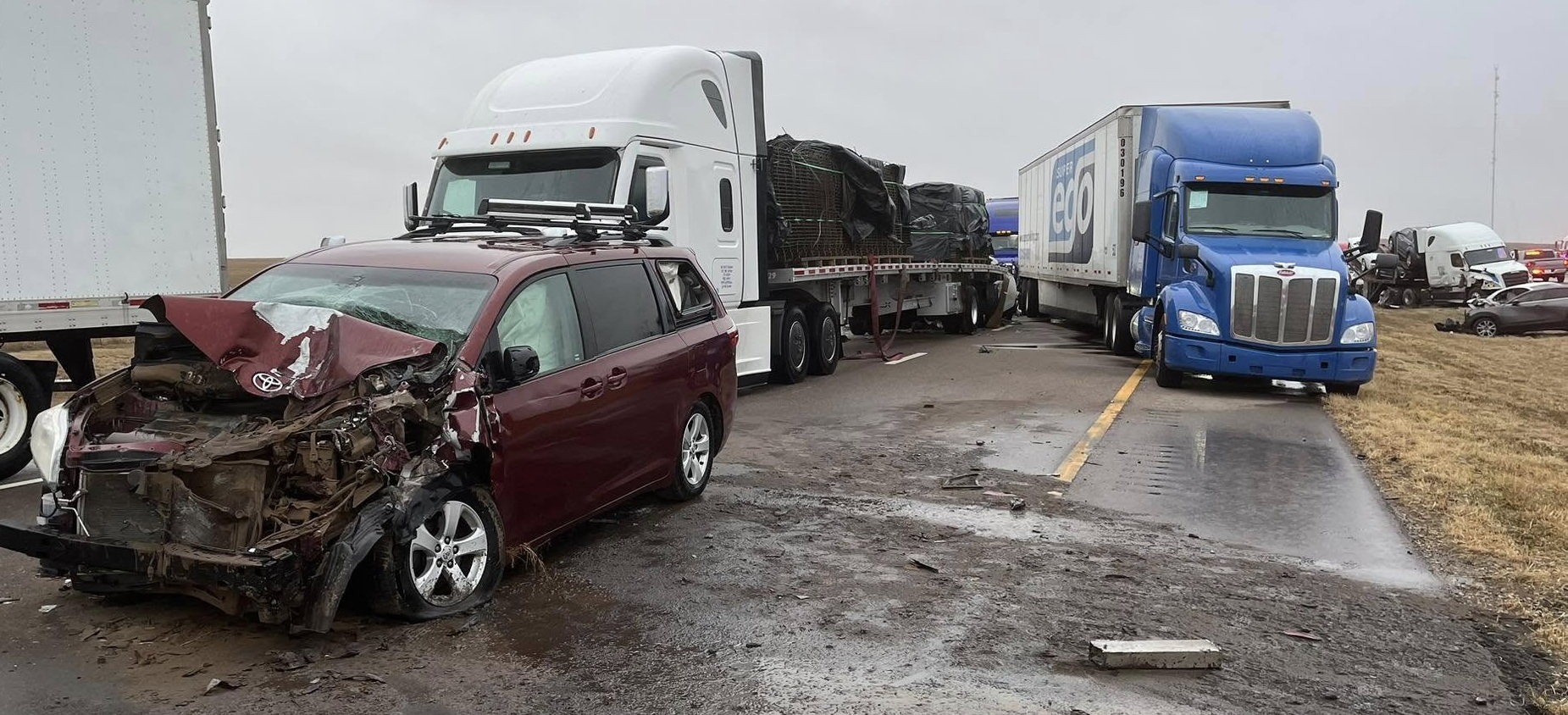
- Accidents and Multi-Vehicle Collisions: Unfortunately, accidents, sometimes involving multiple vehicles, can occur on any highway, including I-70. These incidents can block lanes, necessitating temporary closures for cleanup and investigation. Commercial vehicle accidents, due to the sheer size and weight of trucks, can be particularly disruptive.
- Road Construction and Maintenance: Like any major interstate, I-70 undergoes regular maintenance and construction projects. While these are often scheduled and communicated in advance, unexpected issues or the need for emergency repairs can lead to lane restrictions or full closures. These projects are crucial for maintaining the integrity and safety of the highway.
- Emergency Situations: Unforeseen events, such as hazardous material spills, fires near the right-of-way, or even localized natural disasters like sinkholes, could necessitate the closure of I-70 to ensure public safety and allow emergency responders to operate.
Real-Time Information: How to Check I-70 Status
Staying informed about the current status of I-70 in Kansas is critical for any traveler. Fortunately, there are several reliable resources available to provide real-time updates:
Official State Resources
The Kansas Department of Transportation (KDOT) is the primary authority responsible for managing and monitoring the state’s roadways. They provide several avenues for obtaining closure information:
- KanDrive Website: This is the official and most comprehensive resource for travelers in Kansas. The KanDrive website (kandrive.org) offers a dynamic map displaying current traffic conditions, including closures, construction zones, and incidents. Users can zoom in on specific sections of I-70 to see detailed information. The map is updated frequently, making it an invaluable tool for pre-trip planning and in-transit checks.
- KanDrive Mobile App: For convenience on the go, KDOT offers a mobile app that mirrors the functionality of the KanDrive website. This allows travelers to access real-time traffic information directly from their smartphones or tablets.
- KDOT Social Media: KDOT actively uses social media platforms, such as Twitter, to disseminate urgent traffic alerts, including I-70 closures. Following the official KDOT accounts for the region or the entire state can provide immediate notifications.
- KDOT Traveler Information Hotline: For those who prefer to speak with someone or do not have internet access, KDOT often provides a toll-free hotline number that travelers can call to inquire about road conditions.
Other Reliable Sources

Beyond official state channels, several other sources can supplement your information gathering:
- National Weather Service (NWS): While not directly reporting road closures, the NWS provides detailed weather forecasts and watches/warnings for Kansas. Understanding severe weather threats in the areas you plan to travel through can help you anticipate potential disruptions on I-70. Their website (weather.gov) offers detailed radar imagery and advisories.
- Local News Outlets: Many local television and radio stations in Kansas cities that I-70 passes through, such as Wichita, Topeka, and Kansas City, will report on significant road closures, especially those affecting major highways. Many of these outlets also have websites or apps that provide traffic updates.
- Mapping Applications: While not always the first to report minor or rapidly developing closures, popular navigation apps like Google Maps and Waze can sometimes display traffic incidents and route diversions that indicate I-70 disruptions. However, it’s essential to cross-reference this information with official KDOT sources for confirmation.
Planning Your Journey: Proactive Measures and Alternatives
Knowing how to check I-70’s status is crucial, but proactive planning can prevent many headaches.
Pre-Trip Planning Essentials
Before embarking on a journey that involves I-70 in Kansas, consider these steps:
- Check KanDrive: Always check KanDrive for the latest conditions along your planned route before you depart.
- Monitor Weather Forecasts: Pay close attention to weather forecasts for the entire duration of your trip, especially if traveling during seasons known for severe weather.
- Have a Flexible Itinerary: If possible, build some flexibility into your travel plans. This allows you to adjust your departure time or route if necessary.
- Pack an Emergency Kit: Especially during winter months, ensure your vehicle is equipped with an emergency kit including blankets, non-perishable food, water, a first-aid kit, a flashlight, and extra batteries.
Navigating Closures: Alternative Routes and Considerations
If I-70 is indeed closed in a section you intend to travel, exploring alternatives is key:
- State Highways: Kansas has a robust network of state highways that often run parallel or near I-70. For instance, sections of U.S. Highway 24 and U.S. Highway 40 can serve as alternatives. However, be aware that these routes may have lower speed limits, pass through more towns, and can be significantly slower than the interstate.
- U.S. Highways: Larger U.S. Highways, such as U.S. Highway 50, also traverse Kansas and can provide alternative east-west travel, though they may be further south or north of I-70.
- Northern and Southern Routes: Depending on the extent of the closure, you might need to consider diverting significantly north or south. For example, traveling further north in Nebraska or south through Oklahoma might be necessary, though this will add considerable mileage and time to your journey.
- Commercial Truck Routes: Commercial trucks are often rerouted onto specific designated routes when the interstate is closed. These are typically major U.S. Highways capable of handling heavy traffic. Information on these reroutes may be available through trucking associations or specific freight tracking services.
Safety First: Driving in Challenging Conditions
When driving on I-70 or any alternate route during or after a closure, safety should be your absolute top priority.
Winter Driving Precautions
- Slow Down: Reduce your speed significantly below the posted limits.
- Increase Following Distance: Leave ample space between your vehicle and the one in front of you.
- Smooth Maneuvers: Avoid sudden braking, acceleration, or steering.
- Headlights On: Keep your headlights on at all times for increased visibility.
- Check Tires: Ensure your tires are properly inflated and have good tread. Consider snow tires if you frequently travel in winter conditions.
Severe Weather Driving
- Pull Over Safely: If driving conditions become too severe (e.g., zero visibility, high winds), find a safe place to pull over, such as an exit ramp or a rest area, and wait for conditions to improve. Do not stop on the shoulder of the interstate unless absolutely necessary.
- Stay Informed: Continue to monitor updates from KDOT and the NWS.
- Be Aware of Debris: High winds and severe storms can blow debris onto the roadway.
The question of “Is I-70 closed in Kansas?” is more than just a logistical query; it’s a gateway to understanding the dynamic relationship between travel infrastructure and the environment. By utilizing the official resources, planning ahead, and prioritizing safety, travelers can navigate these potential disruptions with confidence and continue their journeys across the vast and beautiful landscape of Kansas.
LifeOutOfTheBox is a participant in the Amazon Services LLC Associates Program, an affiliate advertising program designed to provide a means for sites to earn advertising fees by advertising and linking to Amazon.com. Amazon, the Amazon logo, AmazonSupply, and the AmazonSupply logo are trademarks of Amazon.com, Inc. or its affiliates. As an Amazon Associate we earn affiliate commissions from qualifying purchases.