
Understanding Wildfire Risk in Southern California
When planning travel to Southern California, especially during drier seasons, concerns about wildfires are understandable and prudent. The question “Is Irvine, California near the fires?” reflects a crucial traveler’s query regarding safety, air quality, and potential travel disruptions. Irvine, a meticulously planned city in Orange County, is situated within a region that, due to its climate and topography, is susceptible to wildfires. Understanding this broader context is key to assessing immediate risks and planning travel effectively.
Geographic Context of Irvine
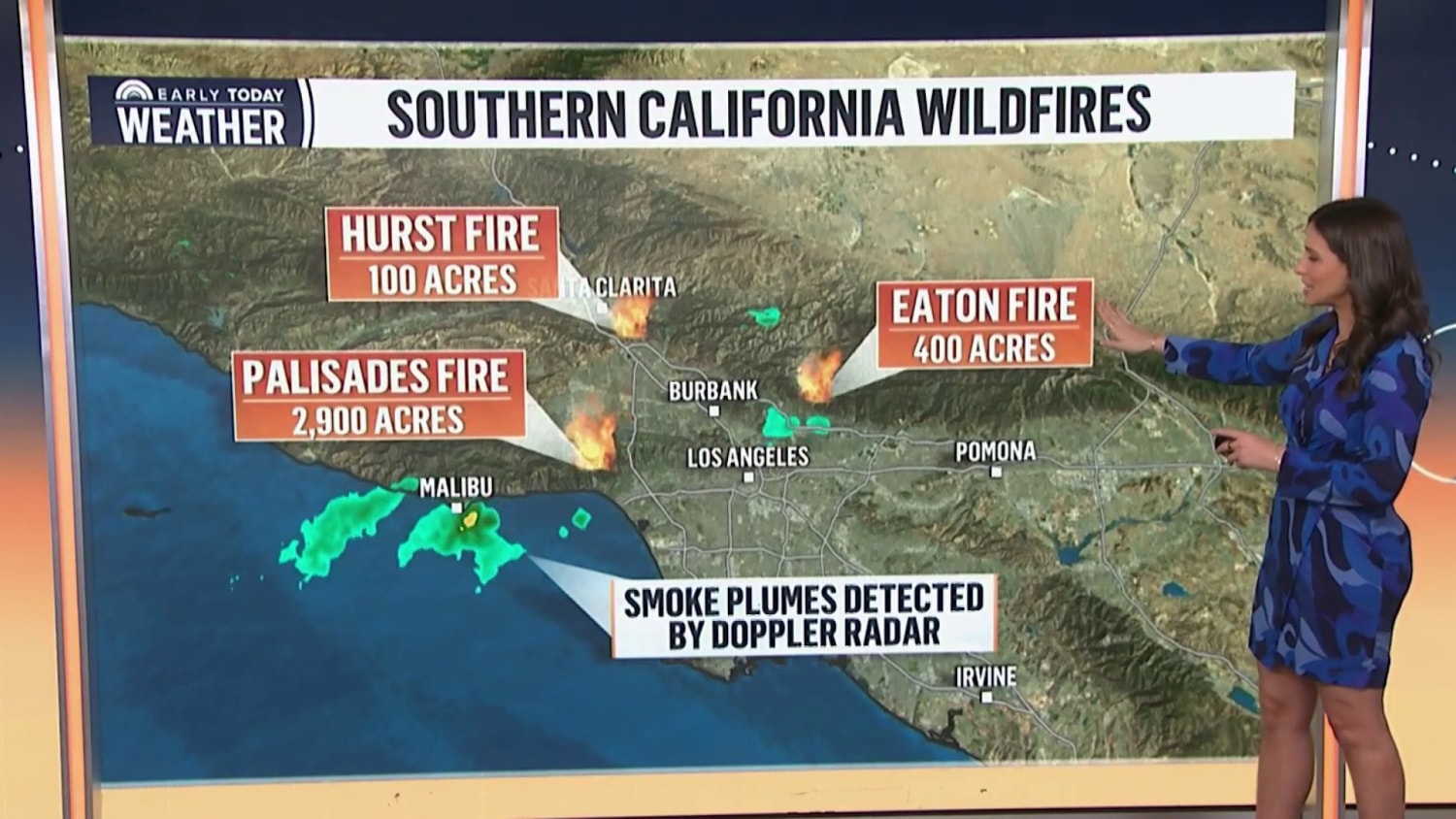
Irvine is nestled inland, roughly ten miles from the Pacific coastline, but within relatively close proximity to the hills and canyons that characterize much of Orange County’s geography. These areas, particularly those bordering wilderness preserves or open spaces like the Laguna Coast Wilderness Park or the Cleveland National Forest, are where wildfires most commonly ignite and spread. While Irvine itself is largely an urban and suburban environment, with extensive greenbelts and well-maintained landscaping, its edges can be vulnerable. More importantly, even if fires are not directly within the city limits, their proximity can impact Irvine through smoke, ash, and potential evacuation advisories in adjacent areas that might affect travel to or from the city. The prevailing Santa Ana winds, characteristic of the region, can also rapidly spread fires and smoke across considerable distances, affecting air quality far from the actual burn areas. Therefore, “near” is not just about direct physical proximity but also about the atmospheric and logistical ripple effects.
How Wildfires Affect Travel Decisions
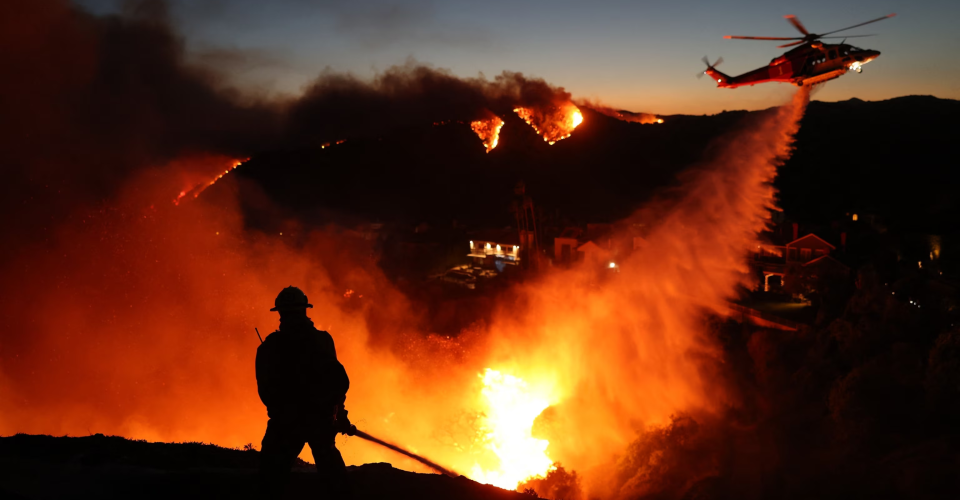
Wildfires introduce several layers of complexity to travel planning. Beyond the immediate threat to life and property, which is usually localized to specific burn zones, the broader impacts can include:
- Air Quality Deterioration: Smoke plume travel can significantly degrade air quality over a wide area, leading to health advisories, especially for sensitive groups. This can deter outdoor activities and impact the overall travel experience.
- Road Closures and Evacuations: Major freeways and local roads can be closed due to active fires, smoke, or emergency vehicle access, disrupting travel itineraries and increasing commute times. Evacuation orders in nearby communities might also cause traffic congestion or limit access.
- Attraction Closures: National and state parks, wilderness areas, and sometimes even specific attractions or businesses might temporarily close for safety reasons or due to poor air quality.
- Accommodation Impact: While direct damage to hotels in Irvine is rare unless a fire is immediately adjacent, cancellations by other travelers or impacts on staff can indirectly affect hospitality services.
Travelers must weigh these factors against their plans and remain flexible, prioritizing safety and official guidance above all else.
Current Conditions and Official Information Sources
In an era of rapid information dissemination, obtaining accurate and timely updates during a wildfire event is paramount for travelers. Relying on official sources ensures that decisions are based on the most current and verified data.
Staying Informed: Key Resources
When assessing wildfire proximity and impact on Irvine, always consult authoritative channels. These sources provide real-time updates on fire locations, containment levels, evacuation orders, road closures, and air quality advisories:
- Orange County Fire Authority (OCFA): The OCFA is the primary agency responsible for fire suppression and emergency response in Orange County. Their official website and social media channels (e.g., Twitter) are invaluable for localized updates.
- CalFire: As the state’s largest fire department, CalFire provides comprehensive information on all major wildfires across California, including interactive maps showing fire perimeters and incident reports.
- Local News Outlets: Reputable local news stations (TV, radio, online) in Southern California often provide very granular, neighborhood-level updates and real-time reporting from the field.
- Air Quality Management Districts: The South Coast Air Quality Management District (SCAQMD) issues daily air quality forecasts and alerts for Orange County and surrounding areas, crucial for understanding smoke impacts.
- California Office of Emergency Services (CalOES): CalOES provides statewide emergency information and resources.
Before and during your trip, regularly check these sources. If a fire is active, cross-referencing information from several official channels will provide the most complete picture.
Impact on Air Quality and Travel Routes
Even if Irvine itself is not directly threatened by flames, the impact on air quality can be significant. Smoke plumes can travel dozens or even hundreds of miles, affecting breathable air. Travelers with respiratory conditions, the elderly, and young children should be particularly mindful of air quality advisories. Days with “unhealthy” or “very unhealthy” air quality levels might necessitate staying indoors or adjusting travel plans to areas with better conditions.
Regarding travel routes, major arteries like the I-5, I-405, and SR-133 or SR-241 toll roads, which connect Irvine to other parts of Southern California, can experience temporary closures or significant delays. Travelers should check navigation apps and official traffic websites (e.g., Caltrans) for real-time traffic conditions and road closures. Flexibility in travel plans, including considering alternative routes or delaying non-essential travel, is a pragmatic approach during active fire incidents.
Exploring Irvine: A Premier Southern California Destination
Once immediate wildfire concerns are addressed and travel is deemed safe, Irvine stands out as a desirable destination in Southern California. Known for its master-planned communities, vast open spaces, top-tier educational institutions, and thriving business environment, Irvine offers a blend of urban sophistication and natural beauty.
Irvine’s Appeal: Beyond Safety Concerns
Irvine’s reputation as one of America’s safest big cities often leads to questions about safety in various contexts, including natural events. Its thoughtful urban planning includes extensive green spaces, parks, and trails that enhance its livability and appeal. The city boasts a highly educated populace, a vibrant economy, and a diverse cultural landscape. Its central location in Orange County makes it an excellent base for exploring the wider region, from coastal towns to theme parks. Whether visiting for business, education, or leisure, Irvine provides a high-quality experience with its modern infrastructure and family-friendly amenities.
Top Attractions and Activities in Irvine
Irvine offers a rich array of activities and attractions for all ages and interests:
- Orange County Great Park: Once a marine air station, the Orange County Great Park has been transformed into a sprawling metropolitan park. It features a giant orange balloon offering panoramic views, a farmers market, sports complexes, an arts complex, and miles of walking and biking trails. It’s a hub for community events and recreational activities.
- University of California, Irvine (UCI): The campus of University of California, Irvine is an architectural marvel with its unique circular design. Visitors can enjoy its botanical gardens, various cultural events, and the overall vibrant academic atmosphere.
- Irvine Spectrum Center: This outdoor entertainment and shopping complex is a major draw, featuring a wide array of retail stores, restaurants, a Ferris wheel, a carousel, and a large movie theater. It’s a lively spot for an evening out or a family fun day.
- San Joaquin Wildlife Sanctuary: A tranquil urban oasis, the San Joaquin Wildlife Sanctuary offers a peaceful escape for birdwatching and nature walks. Its freshwater wetlands are home to over 200 species of birds, making it a paradise for nature enthusiasts and photographers.
- Tanaka Farms: Offering an authentic farm experience, Tanaka Farms is a working farm that provides tours, strawberry picking, and seasonal festivals. It’s an excellent educational and recreational outing, especially for families with young children, connecting visitors with sustainable agriculture.
- Pretend City Children’s Museum: Designed for children up to 10 years old, Pretend City Children’s Museum is an interactive learning environment where kids can explore a miniature city, engaging in imaginative play and educational activities.
- Nearby Coastal Gems: Irvine’s proximity to the coast means easy access to beautiful beaches. Laguna Beach, known for its art galleries and coves, and Newport Beach, famous for its harbor and Balboa Island, are just a short drive away, offering additional recreational opportunities like surfing, paddleboarding, and whale watching.
Dining and Accommodation Options
Irvine’s diverse population is reflected in its extensive culinary scene, ranging from casual eateries to upscale dining experiences. The Irvine Spectrum Center and the University Park area are particular hotspots for dining. You can find everything from authentic Asian cuisine to modern Californian fare and international flavors.
For accommodation, Irvine offers a wide selection of hotels, from business-oriented properties near corporate parks to resorts with extensive amenities. Many properties cater to both short-term stays and longer visits, providing comfortable and convenient options for all travelers. The city’s clean and safe environment extends to its hospitality sector, ensuring a pleasant stay.
Travel Preparedness and Responsible Tourism
Traveling to Southern California during wildfire season requires a heightened sense of awareness and preparedness. Engaging in responsible tourism also means understanding how to minimize your impact and support local efforts during challenging times.
Essential Travel Safety Tips
When visiting Irvine or any area susceptible to wildfires:
- Monitor Conditions Regularly: Before and during your trip, keep a close eye on fire reports, weather forecasts (especially wind advisories), and air quality indexes.
- Have an Emergency Plan: Know the evacuation routes from your accommodation and keep your phone charged. Consider signing up for local emergency alerts if available.
- Pack Essentials: If traveling by car, ensure your vehicle has a full tank of gas. Keep an emergency kit with water, snacks, a first-aid kit, and any necessary medications.
- Stay Informed via Official Channels: As previously mentioned, rely solely on official sources for information to avoid misinformation.
- Respect Closures and Warnings: Adhere strictly to any road closures, evacuation orders, or warnings issued by local authorities. These measures are for your safety.
- Practice Fire Safety: If you’re hiking or spending time in natural areas, be extremely cautious with any heat sources. Follow all rules regarding campfires, smoking, and parking vehicles on dry vegetation. Even a small spark can ignite a devastating fire.
Supporting Local Communities During Recovery
Should a wildfire event impact nearby areas, responsible tourism also includes considerations for supporting the local community. If you are already in the area and it’s safe to stay, continuing to support local businesses (restaurants, shops, attractions) can help with economic recovery. However, if an area is directly affected or under evacuation, it is imperative to avoid it to allow emergency services to work unimpeded and to ensure your own safety. Post-fire, many organizations facilitate donations or volunteer opportunities for recovery efforts, which travelers can consider if they wish to contribute. By being prepared, informed, and respectful of local conditions, travelers can enjoy all that Irvine and Southern California have to offer, even during times when natural events present unique challenges.
LifeOutOfTheBox is a participant in the Amazon Services LLC Associates Program, an affiliate advertising program designed to provide a means for sites to earn advertising fees by advertising and linking to Amazon.com. Amazon, the Amazon logo, AmazonSupply, and the AmazonSupply logo are trademarks of Amazon.com, Inc. or its affiliates. As an Amazon Associate we earn affiliate commissions from qualifying purchases.