
The question “Is it cold in Alaska?” is almost as iconic as the state itself. While the answer is often a resounding “yes,” the reality is far more nuanced than a simple affirmation. Alaska, the United States’ largest state, boasts an incredible diversity of climates that challenge the one-dimensional stereotype of perpetual ice and snow. Understanding these regional variations and seasonal shifts is crucial for any traveler planning an adventure to the Last Frontier, transforming potential discomfort into an opportunity for unique experiences. From mild, rainy coasts to frigid interior plains and the truly arctic north, Alaska’s temperatures fluctuate wildly, offering distinct travel opportunities depending on when and where one chooses to visit.
Alaska’s Climate Mosaic: A Region-by-Region Breakdown
Alaska’s vast geographical expanse contributes to its dramatic climatic differences. Dividing the state into three primary climatic zones—coastal, interior, and arctic—helps paint a clearer picture of what temperatures to expect.
Coastal Alaska: The Milder Edge
The southeastern and southcentral coastal regions, including cities like Juneau, Anchorage, and Seward, experience a maritime climate heavily influenced by the Pacific Ocean. This means milder winters and cooler, wetter summers compared to the state’s interior. In Juneau, the capital city nestled within the Inside Passage, winter temperatures typically hover around freezing, with average lows in the 20s Fahrenheit (-6 to -2 degrees Celsius). Summers are comfortably cool, often in the 50s and 60s Fahrenheit (10-20 degrees Celsius), though rain is a frequent companion. Anchorage, Alaska’s largest city, benefits from the moderating influence of Cook Inlet and the protection of the Chugach Mountains. Its winters are colder than Juneau but still relatively mild compared to the interior, with averages in the teens and 20s Fahrenheit (-12 to -2 degrees Celsius). Summers are pleasant, often reaching the 60s and occasionally 70s Fahrenheit (15-25 degrees Celsius). The Kenai Peninsula, a popular southcentral destination, follows a similar pattern, known for its abundant rainfall and moderate temperatures.
Interior Alaska: Extremes of Heat and Cold
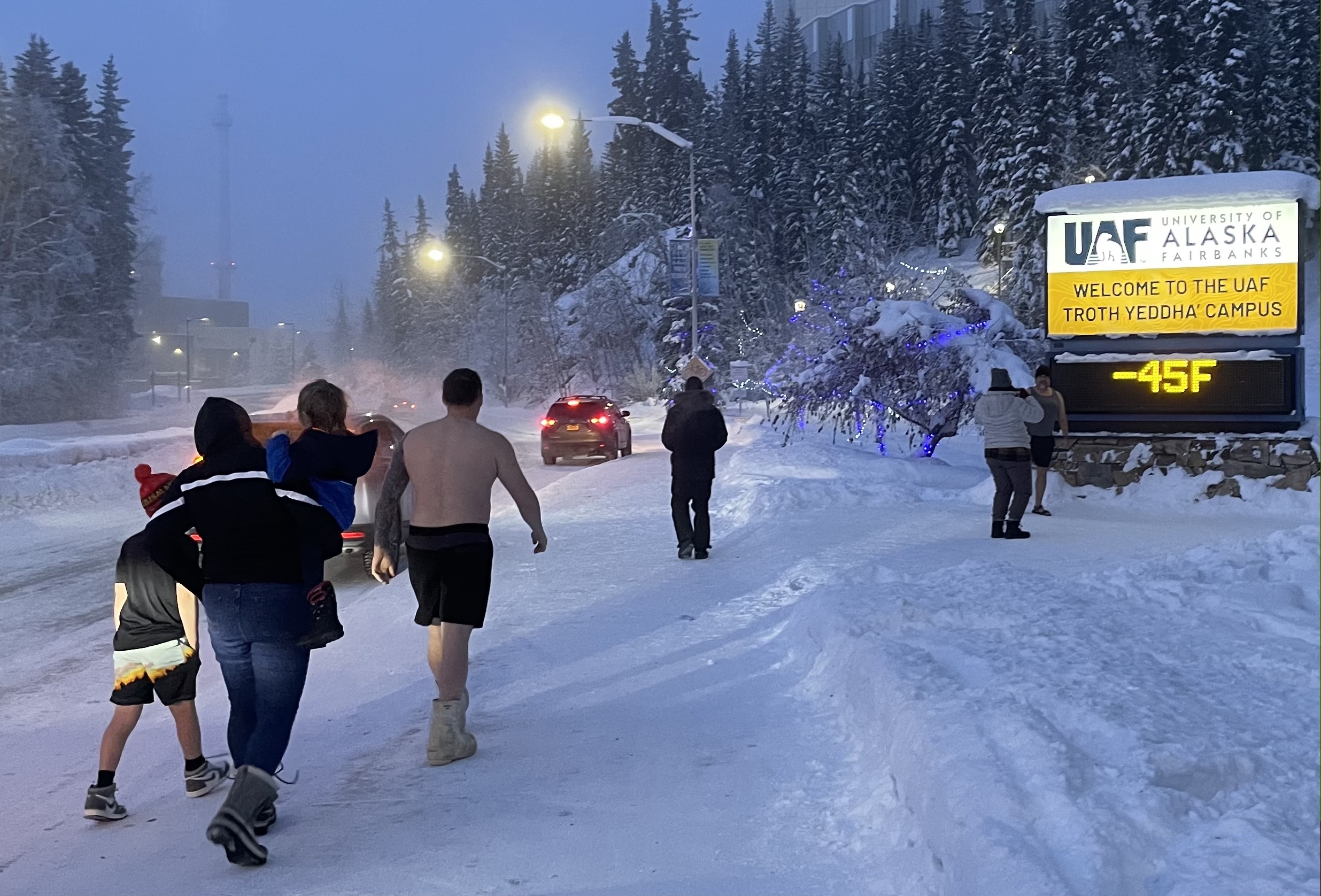
Venture inland to cities like Fairbanks, and the climate narrative shifts dramatically. Far from the ocean’s moderating effects, interior Alaska experiences a continental climate characterized by extreme temperature swings. Winters are notoriously long and frigid, with average temperatures consistently below zero Fahrenheit (-18 degrees Celsius) and often plummeting to -20s or even -40s Fahrenheit (-30s to -40s Celsius). Record lows can touch -60 degrees Fahrenheit (-51 degrees Celsius). Paradoxically, summers in the interior are surprisingly warm, offering long days of sunshine and temperatures frequently soaring into the 70s Fahrenheit (21-26 degrees Celsius), sometimes even reaching the 80s (27-32 degrees Celsius). This dramatic contrast is a hallmark of places like Fairbanks, where the cold is extreme, but so is the warmth.
Arctic Alaska: The Land of Permafrost
North of the Arctic Circle, stretching across the vast North Slope, lies Arctic Alaska, home to places like Utqiagvik (formerly Barrow). This region experiences a polar climate where the ground remains permanently frozen, a phenomenon known as permafrost. Here, winter is almost year-round. Average temperatures rarely climb above freezing, even in the height of summer, often lingering in the 30s and 40s Fahrenheit (0-10 degrees Celsius). Winters are brutally cold, with averages in the -10s to -20s Fahrenheit (-23 to -29 degrees Celsius), often exacerbated by strong winds. Utqiagvik, the northernmost city in the U.S., sees the sun set for over two months in winter, and rise for over two months in summer, further defining its unique and extremely cold climate.
Navigating Alaska’s Seasons: Temperature and Travel Implications
The time of year a traveler chooses to visit Alaska fundamentally dictates the temperatures they will encounter and the types of experiences available.
Summer (June-August): The Peak Travel Season
Summer is undeniably Alaska’s peak travel season, and for good reason. Temperatures across the state are at their warmest, ranging from comfortable 50s and 60s Fahrenheit (10-20 degrees Celsius) along the coast to occasionally hot 70s and 80s Fahrenheit (21-32 degrees Celsius) in the interior. The days are incredibly long, with the phenomenon of the “midnight sun” providing almost 24 hours of daylight in many areas, particularly further north. This period is ideal for wildlife viewing, hiking in Denali National Park, fishing, glacier cruises, and enjoying the vibrant flora. While “cold” is less likely to be the primary concern, travelers should still be prepared for cool evenings, sudden rain showers, and varying mountain temperatures.
Winter (November-March): Embracing the Cold
For those seeking the quintessential cold Alaska experience, winter is the time to visit. This season brings consistent sub-freezing temperatures across most of the state, with the interior and arctic regions seeing the most extreme cold. Snow blankets the landscape, transforming it into a pristine white wilderness. While the days are short, or non-existent in the far north, winter offers unparalleled opportunities for viewing the Northern Lights (Aurora Borealis), dog sledding, snowmachining (snowmobiling), skiing, and ice fishing. It’s a time of quiet beauty and intense cold, appealing to adventurers well-prepared for the elements.
Shoulder Seasons (April-May, September-October): Unpredictable Beauty
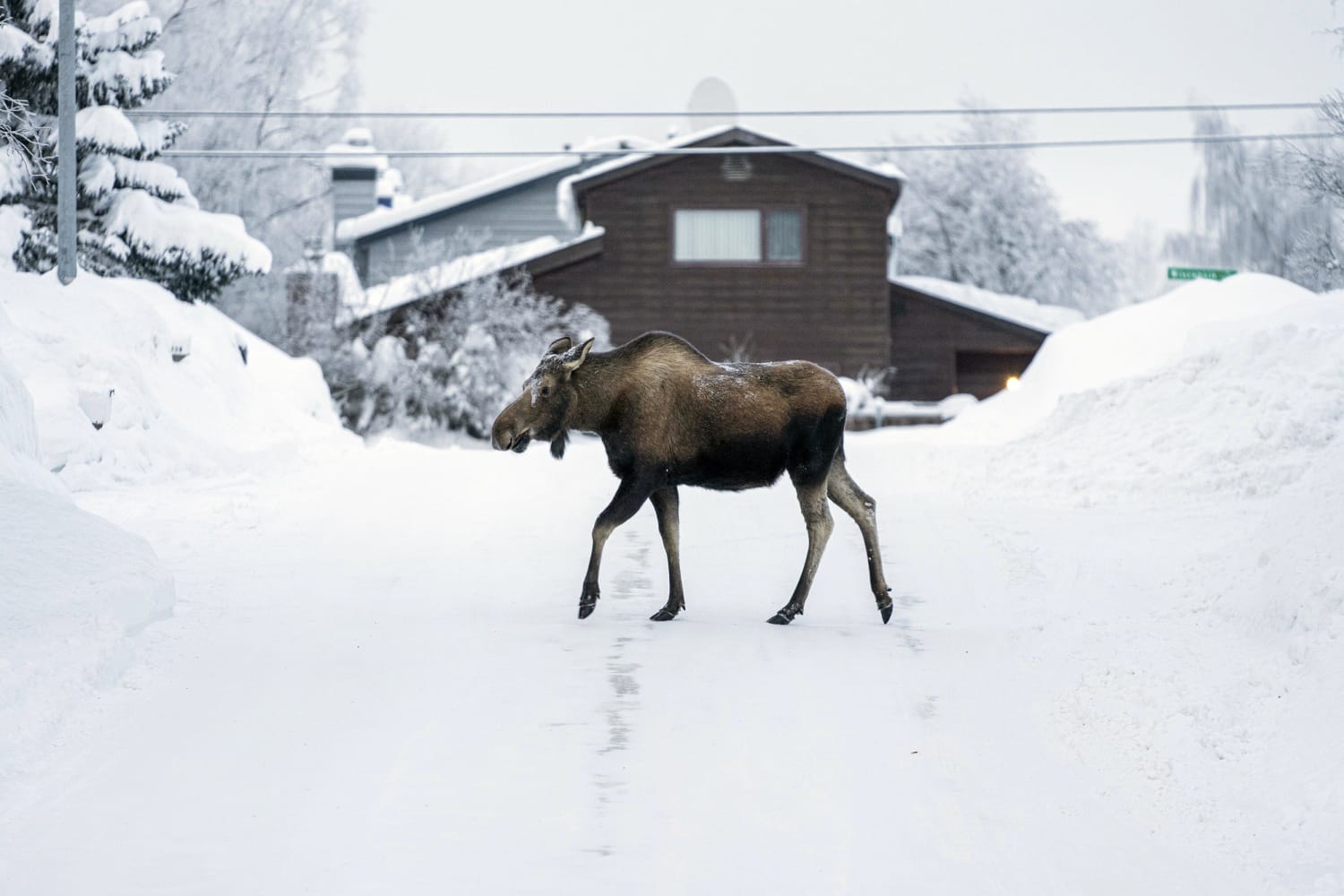
The shoulder seasons offer a blend of conditions and fewer crowds, though temperatures are more unpredictable. Spring (April-May) sees the slow melt of snow, rising temperatures, and the awakening of wildlife. Coastal areas begin to thaw, with temperatures often in the 30s and 40s Fahrenheit (0-10 degrees Celsius), while the interior remains colder but starts to warm up. Fall (September-October) brings crisp air, vibrant autumn foliage (especially in the interior), and increasingly colder temperatures. Coastal areas may see temperatures in the 40s and 50s Fahrenheit (5-15 degrees Celsius), while interior regions quickly drop to freezing or below. These transitional periods can be rewarding for travelers who enjoy cooler weather, photography, and the chance to witness the state’s dramatic seasonal shifts.
Essential Packing for Your Alaskan Adventure
Regardless of the season, preparing for Alaska’s diverse temperatures requires strategic packing. The key principle for staying comfortable in Alaska’s variable climate is layering.
The Art of Layering: A Non-Negotiable Strategy
Layering allows travelers to adapt to rapidly changing conditions, whether it’s the sudden warmth of direct sunlight, the chill of a breeze, or the temperature drop after sunset.
- Base Layer: Moisture-wicking material (synthetic or merino wool) worn directly against the skin. This helps regulate body temperature by pulling sweat away from the body.
- Mid-Layer: Insulating layer (fleece, down, or synthetic fill) for warmth. Multiple thinner mid-layers are often better than one thick one, offering more flexibility.
- Outer Layer: Waterproof and windproof shell jacket and pants. This protects against rain, snow, and wind, which can significantly lower perceived temperatures.
Even in summer, carrying a waterproof shell and a warm fleece or light down jacket is crucial, especially for activities like glacier cruises or exploring higher elevations.
Footwear, Outerwear, and Accessories: Protecting Against the Elements
- Footwear: Waterproof hiking boots are essential for spring, summer, and fall. In winter, insulated, waterproof boots with good traction are paramount. Consider traction aids like microspikes for icy conditions.
- Headwear: A warm hat (beanie) is vital, especially in colder months, as significant body heat is lost through the head. In summer, a wide-brimmed hat can offer sun protection.
- Gloves/Mittens: Warm, waterproof gloves or mittens are non-negotiable for winter travel. Even in summer, light gloves can be useful for chilly mornings or higher altitudes.
- Socks: Wool or synthetic socks are preferred over cotton, which retains moisture and can lead to blisters and cold feet. Bring multiple pairs.
- Sun Protection: Despite the cold, UV rays can be intense, especially with snow reflection. Sunglasses and sunscreen are important year-round.
- Insect Repellent: Particularly during summer, mosquitoes can be prevalent, so repellent is a must-have.
Activities and Experiences: Making the Most of Any Temperature
Alaska’s activities are as varied as its climate, ensuring there’s an adventure for every season and temperature preference.
Warm Weather Wonders: Glaciers, Wildlife, and Midnight Sun
Summer offers an abundance of activities. Cruising the Inside Passage or Prince William Sound provides breathtaking views of tidewater glaciers and marine wildlife like whales, puffins, and sea otters. Hiking and backpacking flourish in national parks such as Denali, where visitors can witness grizzly bears, moose, and caribou. Kayaking, fishing for salmon and halibut, and flightseeing over vast landscapes are also popular. The endless daylight of the midnight sun allows for extended exploration and enjoyment of outdoor activities late into the evening. A ride on the Alaska Railroad offers scenic routes through interior Alaska, showcasing mountains and forests that burst with greenery.
Cold Weather Thrills: Dog Sledding, Northern Lights, and Ice Sculptures
Winter in Alaska transforms the state into a snow-lover’s paradise. The primary draw for many is the chance to witness the spectacular Aurora Borealis, best viewed on clear, dark nights away from city lights, with Fairbanks being a prime location. Dog sledding, often available as a recreational tour or even a multi-day expedition, offers an authentic Alaskan experience. Skiing, both downhill at resorts like Alyeska near Girdwood and cross-country on extensive trail systems, is popular. Snowshoeing, ice fishing, and exploring ice sculptures at events like the World Ice Art Championships in Fairbanks provide unique ways to engage with the cold environment. Many small towns host winter festivals celebrating the snow and ice, offering a glimpse into local culture.

Choosing Your Alaskan Destination Wisely: Matching Expectation with Reality
Ultimately, the answer to “Is it cold in Alaska?” depends entirely on your definition of cold, your chosen destination, and the time of year. Alaska is a land of extremes, but it is also a land of unparalleled natural beauty and adventure. By understanding its diverse climates and preparing appropriately, travelers can ensure a comfortable and unforgettable journey, whether they are seeking the warmth of the midnight sun or the crisp embrace of a winter wonderland.
For those sensitive to cold, targeting the summer months in southcentral or southeastern Alaska will provide the mildest conditions. Conversely, adventurers craving sub-zero temperatures and snowy landscapes should plan a winter trip to the interior or arctic regions. Regardless of preference, the key is preparation and an appreciation for the raw, untamed beauty that Alaska offers in every temperature.
LifeOutOfTheBox is a participant in the Amazon Services LLC Associates Program, an affiliate advertising program designed to provide a means for sites to earn advertising fees by advertising and linking to Amazon.com. Amazon, the Amazon logo, AmazonSupply, and the AmazonSupply logo are trademarks of Amazon.com, Inc. or its affiliates. As an Amazon Associate we earn affiliate commissions from qualifying purchases.