
The allure of Alaska, the Last Frontier, is undeniable. A land of majestic mountains, vast wilderness, and unique cultural experiences, it beckons to adventurers, nature enthusiasts, and those seeking a lifestyle far removed from the hustle and bustle of more populated areas. However, this remote splendor often comes with a significant financial consideration: the cost of living. Many prospective residents and long-term visitors ponder, “Is it expensive to live in Alaska?” The short answer is yes, generally it is. But to truly understand the economic landscape of this incredible state, one must delve into the specific factors that drive up costs, explore the variations across different regions, and weigh the expenses against the unparalleled quality of life and unique opportunities it offers.
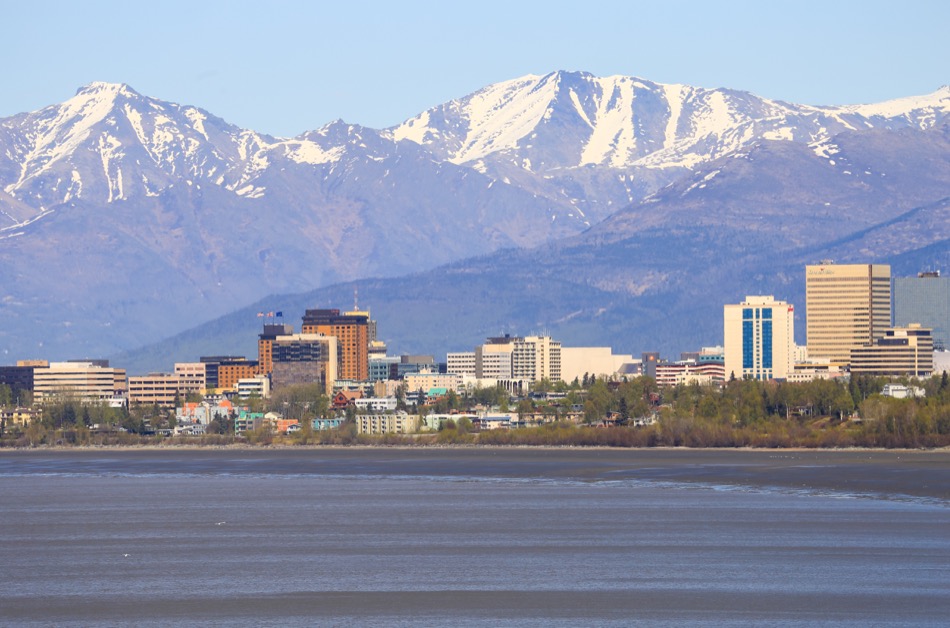
From the bustling streets of Anchorage to the isolated communities of the Arctic Circle, the cost of daily necessities, housing, and services can be significantly higher than the national average in the United States. This isn’t merely anecdotal; economic data consistently ranks Alaskan cities among the most expensive in the country. Yet, the high wages in certain sectors, coupled with the annual Alaska Permanent Fund Dividend (PFD), provide some offset. Navigating the expenses of Alaskan life requires careful planning, an understanding of local economics, and perhaps a willingness to adapt to a unique way of life. This comprehensive guide will break down the various financial aspects of living in Alaska, helping you assess whether the dream of the Last Frontier aligns with your budget and lifestyle aspirations.
Understanding Alaska’s High Cost of Living
The reasons behind Alaska’s elevated cost of living are multifaceted, primarily stemming from its geographical isolation, challenging climate, and specialized infrastructure needs. These factors collectively contribute to a complex economic environment where nearly everything, from a gallon of milk to a new home, carries a premium price tag. Understanding these underlying drivers is crucial for anyone considering a move or an extended stay in the 49th state.
Key Factors Driving Up Expenses
The most significant factor influencing prices in Alaska is its remote location relative to the contiguous United States. The vast majority of consumer goods, building materials, and even fresh produce must be transported thousands of miles, often by a combination of sea, air, and ground freight. This extensive supply chain adds substantial costs that are ultimately passed on to the consumer. For instance, a simple item like a new refrigerator that might cost $800 in Seattle could easily cost $1200 or more in Anchorage once shipping and handling fees are factored in, and even more in a remote village. This freight surcharge permeates nearly every aspect of the Alaskan economy, from groceries to vehicle parts.
Beyond transportation, the harsh Alaskan climate also plays a significant role. Construction costs are higher due to the need for specialized materials, robust insulation, and heating systems designed to withstand extreme cold and heavy snow loads. Labor costs are also often elevated to compensate for working in challenging conditions. The short building season further restricts supply and drives up demand for construction services. Similarly, maintaining infrastructure, such as roads, utilities, and communication networks, in a vast and rugged landscape with permafrost and seismic activity, is an ongoing and expensive endeavor. These operational costs are reflected in higher utility bills and taxes. Furthermore, the limited population base, while part of Alaska’s charm, means smaller markets and less competition, which can also contribute to higher prices for goods and services.
The Impact of Geographic Isolation
Geographic isolation fundamentally shapes the economic reality of life in Alaska. Unlike other states where goods can be trucked in relatively easily, Alaska’s primary connections to the outside world are limited to specific shipping lanes and air routes. Cities like Anchorage and Fairbanks serve as major hubs, but even they rely heavily on goods arriving from the Lower 48. For smaller, more remote communities, especially those not connected by road, such as Juneau or many villages in the Arctic, the reliance on air cargo or costly barge services is even greater. This translates directly into exorbitant prices for everyday items.
Consider the local culture surrounding food. While Alaskans benefit from abundant wild resources like salmon, moose, and berries, supplementing a diet with store-bought items can quickly become expensive. Fresh produce, dairy, and processed foods command premium prices due to their perishable nature and the cost of transport. This economic reality often influences lifestyle choices, with many Alaskans engaging in hunting, fishing, and gardening to reduce their reliance on expensive imported goods. For visitors exploring Alaskan tourism, especially in remote areas, this also means that local food experiences, while authentic, might carry a higher price tag compared to other travel destinations. The isolation also impacts the availability of certain services and specialized products, making them either more costly or entirely inaccessible in some areas, necessitating advance planning for everything from car repairs to medical appointments.
Breaking Down the Costs: Housing, Utilities, and Necessities
When evaluating the expense of living in Alaska, a detailed examination of specific cost categories is essential. Housing and utilities typically represent the largest portions of a household budget, and in Alaska, these figures can be strikingly high compared to national averages. Understanding these costs is key to accurate financial planning for anyone considering a move to the Last Frontier.
Housing: A Significant Financial Hurdle
Housing is arguably the most substantial financial challenge for residents in Alaska. Whether renting or buying, costs are considerably elevated, particularly in desirable urban centers and areas with strong job markets. Anchorage, as the state’s largest city, sees median home prices and rental rates significantly above the national average. A modest two-bedroom apartment in Anchorage might easily cost upwards of $1,500-$2,000 per month, while purchasing a single-family home can range from $350,000 to well over $500,000, depending on the neighborhood and amenities. Similarly, Juneau, the capital city, which is only accessible by air or sea, experiences even higher housing costs due to its limited land availability and high demand. Fairbanks, another major hub, also presents high housing expenses, albeit often slightly less than Anchorage.
Rural areas and smaller towns often have varying housing markets. While some very remote villages might have lower property values, the availability of quality housing can be extremely limited. Moreover, building a new home in these areas is often more expensive due to material transportation costs. For those considering long-term stay accommodation, researching specific regions is vital. Options range from apartments and traditional houses to cabins and even more rustic dwellings depending on the location and desired lifestyle. Property values in popular tourist destinations like Seward or Homer can also spike due to seasonal demand for vacation rentals and limited inventory. Factors like access to schools, medical facilities, and job opportunities heavily influence prices. Prospective residents should research thoroughly, perhaps considering temporary accommodation like extended-stay hotels or furnished apartments upon arrival to explore neighborhoods before committing to a long-term lease or purchase. This prudent approach can help new Alaskans find housing that fits both their budget and their lifestyle expectations amidst the state’s unique housing landscape.
The Price of Comfort: Utilities and Everyday Goods
Beyond housing, the cost of utilities in Alaska is another major budgetary concern. Heating is often the most significant expense, given the extended cold season. Many homes rely on fuel oil, propane, or natural gas, all of which can be considerably more expensive than in the Lower 48. Electricity rates are also higher due to the challenges of power generation and transmission across vast distances. For instance, a typical winter utility bill, including heat and electricity, for an average family home in Fairbanks or Anchorage could easily reach $400-$800 per month, sometimes even more in older, less insulated properties or extremely remote locations. Water and sewer services, while often municipal, also reflect the higher costs of infrastructure maintenance in a challenging environment.
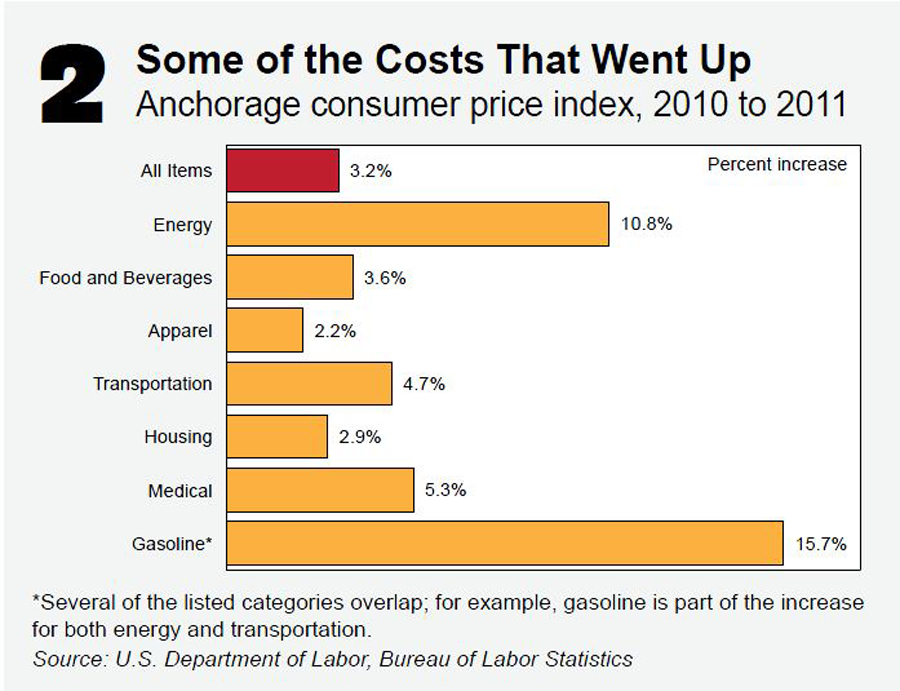
When it comes to everyday goods, Alaskans quickly notice the markup on groceries, clothing, and household items. A trip to the supermarket will reveal prices that are consistently 20-50% higher, and sometimes double, what one would pay elsewhere in the United States. Fresh produce, dairy products, and imported specialty items are particularly affected by freight costs and the need for climate-controlled transportation. A gallon of milk or a loaf of bread, staples in most households, can cost significantly more. For those passionate about local food and culture, many Alaskans embrace subsistence living where possible, supplementing their diets with wild game, fish, and berries, a reflection of the pragmatic lifestyle often necessitated by the state’s economics. However, for those without the skills or access to such resources, grocery bills can quickly become daunting. Even simple activities like dining out or enjoying local tourism activities and attractions can incur higher costs due to the elevated operational expenses faced by local businesses. This means budgeting for necessities requires a realistic understanding of these increased prices and potentially adjusting spending habits.
Transportation, Healthcare, and Lifestyle Choices
Living in Alaska involves more than just covering housing and groceries; transportation, healthcare, and discretionary spending also contribute significantly to the overall cost. These categories are similarly affected by the state’s unique geography and infrastructure, shaping the lifestyle choices available to residents and visitors alike.
Navigating the Last Frontier: Travel Costs
Transportation in Alaska presents its own set of challenges and costs. For most residents, personal vehicle ownership is almost a necessity, especially outside of the core areas of Anchorage or Fairbanks. Fuel prices are consistently higher than the national average, fluctuating with global oil markets and regional distribution costs. Maintaining a vehicle is also more expensive; parts often need to be shipped in, and labor rates for mechanics are elevated. Due to the harsh winters, vehicles need to be robust and often require block heaters and specialized tires, adding to initial purchase and ongoing maintenance costs.
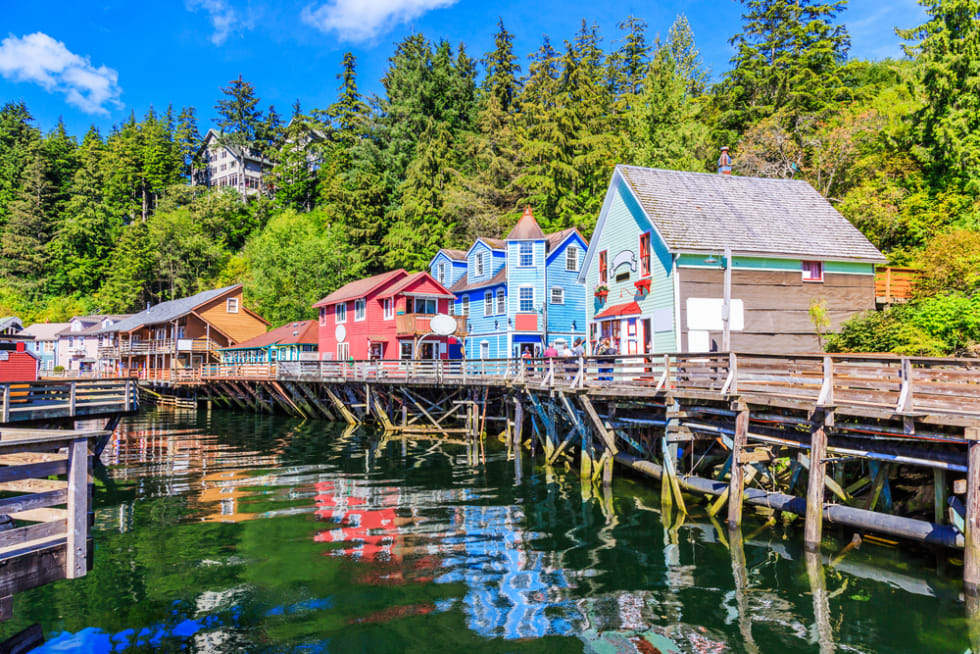
Inter-city travel within Alaska can be complex and expensive. The vast distances and limited road network mean that flying is often the only practical option for getting between major population centers, and internal flights are notoriously pricey. For instance, a round-trip flight from Anchorage to Juneau can easily cost hundreds of dollars. The Alaska Marine Highway System (ferry system) provides a scenic alternative for coastal communities like Ketchikan, Sitka, and along the Inside Passage, connecting them to the road system via destinations like Bellingham in Washington State or to other Alaskan towns like Seward on the Kenai Peninsula. However, ferry travel, especially with a vehicle, is also a significant expense and requires substantial time. For tourists, understanding these travel dynamics is crucial for planning memorable experiences and navigating popular attractions like Denali National Park or Glacier Bay National Park. Whether it’s a budget travel adventure or a luxury resort stay, the cost of simply moving around the state profoundly impacts the overall experience and requires careful budgeting.
Healthcare: An Unavoidable Expense
Healthcare costs in Alaska are notably higher than in most other parts of the United States. This is largely due to the limited number of medical facilities, specialists, and the high operational costs associated with running hospitals and clinics in remote areas. Everything from medical supplies to personnel salaries commands a premium. Residents often face higher insurance premiums, deductibles, and out-of-pocket expenses. For specialized treatments, patients may need to travel to Anchorage or even outside the state, incurring additional travel and accommodation costs.
Access to healthcare can also be a challenge, particularly in very rural or indigenous communities, where medical services might be limited to a single clinic or a visiting health aide. Emergency services in such areas often rely on air transport, which is extremely expensive. This economic reality means that comprehensive health insurance is not just recommended but virtually essential for anyone living in Alaska, and even with insurance, unexpected medical needs can lead to substantial financial burdens. For those considering long-term stay accommodation or retirement in Alaska, factoring in these elevated healthcare expenses is a critical component of financial planning, impacting overall lifestyle and peace of mind.
Balancing the Books: Income, Opportunities, and the PFD
While the cost of living in Alaska is high, it’s also important to consider the other side of the equation: income and unique financial benefits. Wages in many sectors in Alaska are generally higher than the national average, intended to offset the increased expenses. Industries such as oil and gas, mining, fishing, and certain government jobs often offer competitive salaries. The tourism sector, while seasonal, also provides numerous job opportunities, from guides and hospitality staff to air taxi pilots, many with competitive pay that can make a travel-centric lifestyle viable. For those seeking career changes or new opportunities, Alaska can present attractive prospects, particularly in specialized fields.
Perhaps the most unique financial aspect for Alaskan residents is the Alaska Permanent Fund Dividend (PFD). Established in 1976, this annual payment is distributed to eligible Alaskan residents (those who have lived in the state for a full calendar year and intend to remain a resident) from the earnings of the state’s oil wealth. The amount varies each year based on the fund’s performance and legislative decisions, but it often ranges from $1,000 to over $2,000 per person. For a family of four, the PFD can provide a significant annual boost, helping to alleviate some of the financial pressures of the high cost of living. This dividend represents a unique economic benefit that distinguishes Alaskan residency from any other state in the United States, offering a tangible advantage that can contribute to a more sustainable lifestyle in the Last Frontier, especially for budget-conscious families.
Is Living in Alaska Worth the Investment?
The question of whether living in Alaska is expensive is unequivocally answered with a “yes.” However, the follow-up question, “Is it worth it?” is far more nuanced and depends entirely on individual priorities, lifestyle preferences, and financial preparedness. For many, the high costs are a worthwhile trade-off for an extraordinary life filled with unparalleled natural beauty, unique cultural experiences, and a strong sense of community.
The Unquantifiable Value: Experiences and Scenery
The true value of living in Alaska often lies in its intangible benefits, which cannot be measured in dollars and cents. The state is a sanctuary for those who crave vast open spaces, pristine wilderness, and an intimate connection with nature. Residents have unparalleled access to some of the world’s most breathtaking natural landmarks and attractions. Imagine having Denali National Park, home to North America’s highest peak, in your backyard, offering endless opportunities for hiking, wildlife viewing, and mountaineering. Or the majestic tidewater glaciers of Glacier Bay National Park, where icebergs calve with thunderous roars, are a ferry ride away. The regular spectacle of the Northern Lights dancing across the winter sky is a profound experience that becomes a part of everyday life for many.
Beyond the iconic destinations, Alaskans embrace a lifestyle that celebrates outdoor adventure, from world-class fishing and hunting to kayaking, skiing, and dog mushing. The unique culture, influenced by Native Alaskan traditions, pioneer spirit, and a resilient community ethic, offers a richness of experience found nowhere else. For those who prioritize these experiences, who seek a life less ordinary, and who value stunning natural scenery over bustling urban conveniences, the investment in a higher cost of living is often seen as a fair exchange for an incomparable quality of life. This aspect of Alaskan living strongly resonates with the “Experiences” and “Nature” components of the website’s topics, emphasizing that sometimes the greatest returns are not financial.
Finding Your Alaskan Home: Tips for Budgeting
For those determined to make Alaska their home despite the expenses, strategic planning and smart budgeting are essential. Firstly, choosing your location wisely can significantly impact your costs. While cities like Anchorage and Juneau offer more job opportunities and amenities, they also come with the highest housing and utility costs. Exploring communities slightly outside these major hubs, or smaller towns like Kodiak or Palmer, might offer a better balance. Researching accommodation options thoroughly, including long-term stay considerations and booking well in advance, can help secure more favorable rates. Utilizing local resources for housing comparisons and reviews is also highly recommended.
Secondly, embracing a “frugal Alaskan” lifestyle can help stretch your budget. This might involve hunting and fishing for food, growing your own produce in the summer, or learning energy-saving practices to reduce utility bills. Many Alaskans become adept at DIY projects and maintenance to avoid high service costs. Exploring local markets for unique food and crafts, which are part of the vibrant tourism scene, can offer more budget-friendly and culturally rich options. Thirdly, actively seeking employment in industries with higher wages or leveraging remote work opportunities can help offset the increased cost of living. Finally, taking advantage of the annual Alaska Permanent Fund Dividend as a supplemental income source can make a tangible difference in balancing the household budget. By adopting these strategies, prospective residents can make the dream of living in Alaska a sustainable reality, ensuring that the adventures and unparalleled beauty are within reach.
In conclusion, living in Alaska is indeed expensive, with costs for housing, utilities, transportation, and everyday goods consistently above the national average. These elevated expenses are a direct consequence of the state’s remote geography, challenging climate, and specialized infrastructure requirements. However, this financial reality is often balanced by higher wages, unique economic benefits like the Alaska Permanent Fund Dividend, and most importantly, an extraordinary quality of life. For those who are drawn to its breathtaking natural beauty, its unique culture, and the spirit of adventure it embodies, the investment in living in the Last Frontier is often seen as a profound and worthwhile choice. It’s a commitment to a lifestyle defined by rugged independence, stunning landscapes, and unforgettable experiences, proving that for the right person, the unparalleled richness of Alaskan life far outweighs its financial demands.
LifeOutOfTheBox is a participant in the Amazon Services LLC Associates Program, an affiliate advertising program designed to provide a means for sites to earn advertising fees by advertising and linking to Amazon.com. Amazon, the Amazon logo, AmazonSupply, and the AmazonSupply logo are trademarks of Amazon.com, Inc. or its affiliates. As an Amazon Associate we earn affiliate commissions from qualifying purchases.