
Navigating the financial landscape of a major metropolis like Chicago is a perennial question for many. As one of the largest and most influential cities in the United States, Chicago offers a vibrant cultural scene, a thriving job market, and iconic architecture, but these come with a cost. Understanding the nuances of the cost of living is crucial for anyone considering a move or simply curious about urban economics. While Chicago is often perceived as expensive, a closer examination reveals a more complex picture, with various factors influencing affordability and opportunities for budget-conscious living.

Housing Costs: The Largest Determinant
The most significant factor influencing the cost of living in any city is undeniably housing. Chicago is no exception, with its diverse neighborhoods offering a wide spectrum of rental and purchase prices. The city’s extensive public transportation system means that living further from the downtown core can significantly reduce housing expenses, making it possible to find more affordable options without sacrificing commute accessibility.
Rental Market Dynamics
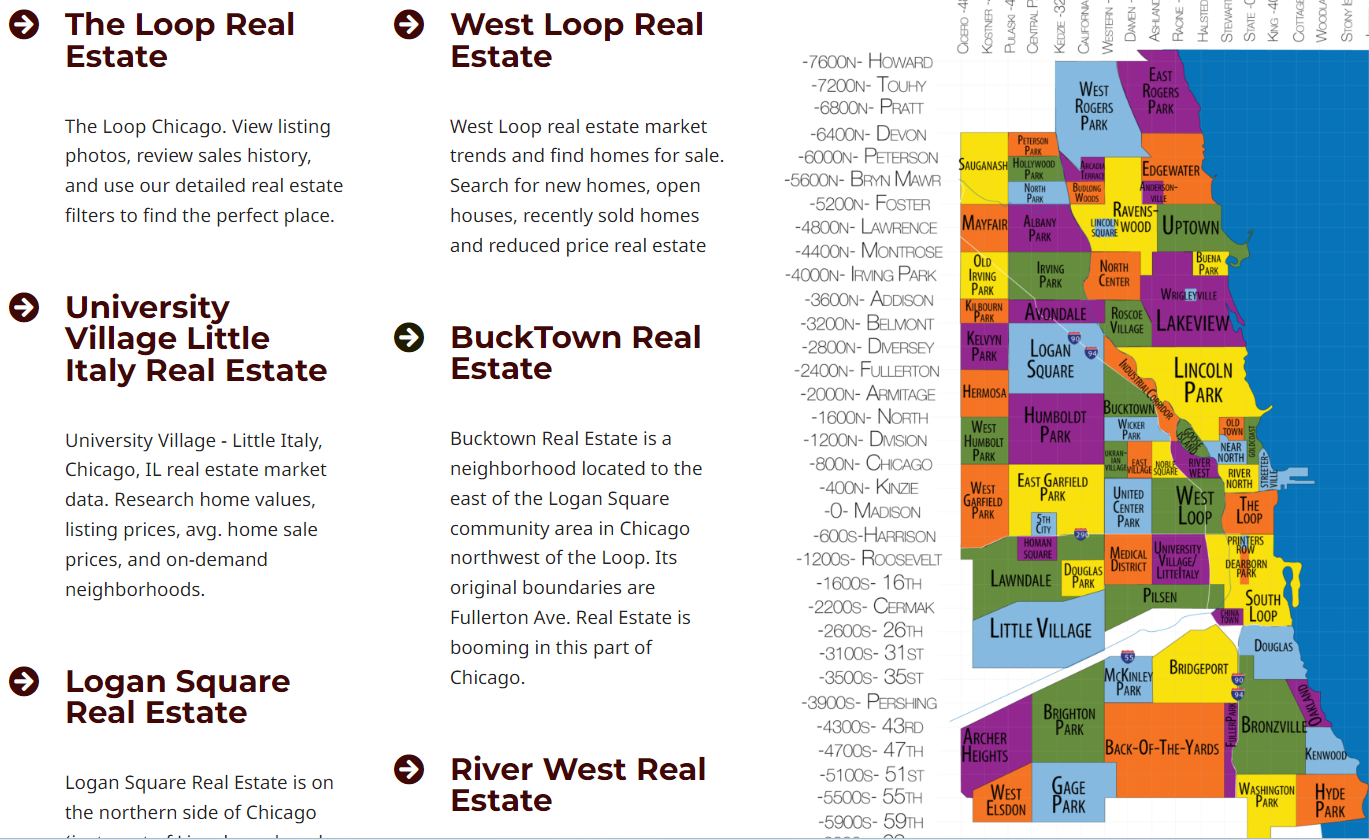
Renting an apartment in Chicago can vary dramatically depending on location, size, and amenities. For instance, a studio or one-bedroom apartment in a popular downtown neighborhood like the Loop or Lincoln Park will command a much higher price than a similar unit in neighborhoods further afield, such as Ashburn or Jefferson Park.
- Downtown and Near North Side: Expect premium prices for apartments in areas like the Gold Coast and Streeterville. These neighborhoods are desirable for their proximity to the Magnificent Mile, Millennium Park, and major employment centers. Rental rates for a one-bedroom can range from $2,000 to $3,500 or more per month.
- Popular Residential Neighborhoods: Areas like Wicker Park, Bucktown, and Lakeview offer a blend of trendy vibes and residential charm. Rents here are competitive, often falling between $1,700 and $2,800 for a one-bedroom.
- Outer Neighborhoods and Suburbs: For more affordable options, consider neighborhoods on the city’s periphery or its numerous suburbs. These areas often provide larger living spaces for less money and may still be well-connected by the Metra commuter rail or CTA ‘L’ train lines. Rents for a one-bedroom can drop to $1,200 to $1,700.
Homeownership Costs
Purchasing a home in Chicago involves not only the mortgage but also property taxes and homeowner’s insurance. Property taxes in Cook County are among the highest in the nation, which can add a substantial monthly cost. The median home price in Chicago has been steadily increasing, but still remains more affordable than in coastal cities like New York City or San Francisco. For example, a median-priced home might cost anywhere from $350,000 to $500,000+, with higher prices in desirable urban enclaves and lower prices in more outlying areas.
Utilities and Other Household Expenses
Beyond rent or mortgage, essential utilities like electricity, gas, water, and internet contribute to monthly expenses. Chicago experiences four distinct seasons, meaning heating costs in winter can be significant. The average monthly utility bill for an apartment can range from $150 to $300, depending on usage and apartment size. Internet service typically adds another $60 to $100 per month.
Transportation: A Tale of Two Systems
Chicago boasts an extensive public transportation network, the Chicago Transit Authority (CTA), which includes buses and the ‘L’ train system. This makes it possible to live without a car, significantly reducing expenses. However, owning and maintaining a vehicle in the city comes with its own set of costs.
Public Transportation
A monthly CTA pass is relatively affordable, offering unlimited rides on buses and trains. This is a major advantage for residents and a key factor in making Chicago more accessible than cities with less developed public transit. The cost of a monthly pass is currently around $105, a fraction of the cost of owning and operating a car in the city. The ‘L’ train lines connect many popular neighborhoods and provide access to O’Hare International Airport and Midway International Airport.
Car Ownership
For those who choose to own a car, expenses include car payments, insurance, gas, parking, and maintenance. Car insurance in Chicago can be higher than in suburban areas due to increased traffic density and potential for theft. Parking can be a significant daily or monthly expense, especially in denser neighborhoods. Garage parking can easily add $200 to $400 or more to a monthly budget. Gas prices fluctuate, but driving in city traffic also contributes to increased fuel consumption.
Daily Living Expenses: Food, Entertainment, and More
Beyond the major expenses of housing and transportation, the cost of everyday life in Chicago includes groceries, dining out, entertainment, and personal care. These costs can be managed with mindful spending.
Groceries
Grocery prices in Chicago are comparable to national averages, with variations depending on the type of store and brands chosen. Utilizing discount grocers, farmers’ markets, and planning meals can help reduce food costs. The average monthly grocery bill for a single person can range from $300 to $500.
Dining Out and Entertainment
Chicago is a renowned culinary destination, offering everything from Michelin-starred restaurants to casual neighborhood eateries. Dining out can be a significant expense, but there are ample opportunities for affordable and enjoyable meals. Exploring ethnic enclaves for authentic and budget-friendly cuisine, taking advantage of happy hour deals, and enjoying street food can make dining out more accessible.
The city also offers a wealth of free and low-cost entertainment options. Many of the city’s world-class museums, such as the Art Institute of Chicago and the Museum of Science and Industry, offer free admission days or affordable memberships. Parks like Grant Park and Lincoln Park Zoo provide free outdoor recreation. Attending free summer festivals, concerts, and exploring vibrant neighborhoods like Pilsen for its murals and street art can add to the cultural experience without breaking the bank. Ticket prices for major sporting events, concerts at venues like the United Center, or Broadway shows will naturally be higher.
Healthcare and Personal Care
Healthcare costs are generally in line with national averages, though specific insurance plans and healthcare providers will influence out-of-pocket expenses. Personal care services, such as haircuts and gym memberships, can also add to monthly budgets, but many affordable options exist within the city.
Income and Job Market
The perceived expense of living in Chicago is often counterbalanced by its strong job market and competitive salaries, particularly in sectors like finance, technology, healthcare, and education. The average salary in Chicago is higher than the national average, which helps to offset the cost of living for many residents.
Salary Expectations by Industry
- Technology: Chicago has a growing tech scene, with software engineers, data scientists, and IT professionals earning competitive salaries.
- Finance: The city is a major financial hub, offering lucrative positions in banking, investment, and trading.
- Healthcare: With numerous hospitals and research institutions, the healthcare sector provides stable employment opportunities with good compensation.
- Education: The city’s extensive public school system and numerous universities employ many educators and support staff.
Cost of Living vs. Income: A Balancing Act
Ultimately, whether Chicago is “expensive” depends heavily on individual income levels, lifestyle choices, and spending habits. For those earning a solid income, Chicago can offer a high quality of life with access to world-class amenities and cultural experiences at a cost that is more manageable than many other major global cities. For individuals with lower incomes or those who prioritize luxury, the city’s expenses can certainly feel substantial.

Conclusion: Affordability in an Urban Landscape
Chicago presents a compelling case for urban living, offering a rich tapestry of experiences alongside a cost of living that, while not inexpensive, is often more accessible than its coastal counterparts. By understanding the breakdown of costs, leveraging public transportation, exploring diverse neighborhoods, and being mindful of spending habits, residents can effectively manage their finances and enjoy all that this dynamic city has to offer. The key lies in strategic planning and an informed approach to urban economics, making Chicago a viable and desirable home for a wide range of individuals and families.
LifeOutOfTheBox is a participant in the Amazon Services LLC Associates Program, an affiliate advertising program designed to provide a means for sites to earn advertising fees by advertising and linking to Amazon.com. Amazon, the Amazon logo, AmazonSupply, and the AmazonSupply logo are trademarks of Amazon.com, Inc. or its affiliates. As an Amazon Associate we earn affiliate commissions from qualifying purchases.