
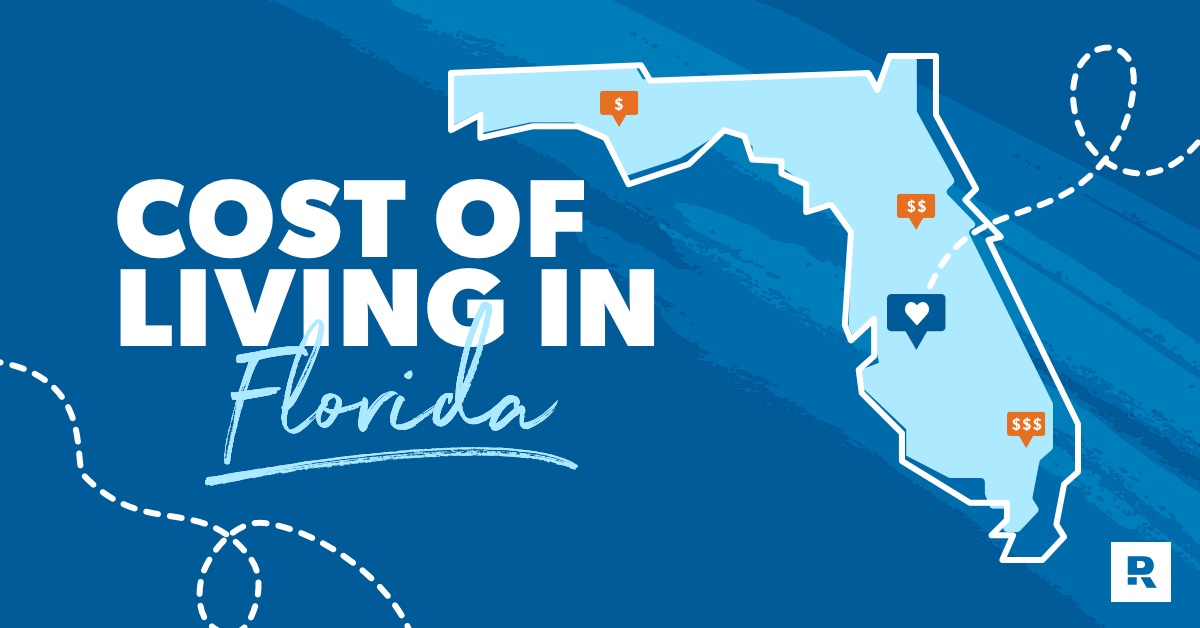
Florida, often dubbed the “Sunshine State,” conjures images of pristine beaches, vibrant theme parks, and a laid-back lifestyle. It’s a perennial favorite for vacationers and a dream destination for many seeking a permanent escape from colder climates. But beyond the tourist facade, a significant question lingers for those contemplating a move: Is it expensive to live in Florida? The answer, like many things, is nuanced. While Florida offers certain cost advantages, particularly in terms of taxes, its overall affordability is a complex equation influenced by a multitude of factors, from the specific city you choose to your personal spending habits.

The allure of Florida is undeniable. Its warm weather year-round provides a constant invitation to outdoor living, from exploring the vibrant coral reefs off the coast of the Florida Keys to wandering through the historic streets of St. Augustine. The state boasts an impressive array of natural wonders, including the vast wetlands of the Everglades National Park, home to unique wildlife like alligators and manatees, and the sugar-white sands of Clearwater Beach. For thrill-seekers, the world-renowned theme parks of Orlando, such as Walt Disney World and Universal Orlando Resort, offer endless entertainment. This constant influx of tourists and the desirability of its attractions undoubtedly impact the cost of living, particularly in popular tourist hubs.
However, for residents, the cost of living is a more tangible concern. It’s not just about the price of a vacation; it’s about daily expenses, housing, utilities, and the overall financial picture. When comparing Florida to other states, its tax structure often stands out. One of the most significant financial draws for many considering relocation is Florida’s lack of a state income tax. This can translate into substantial savings for individuals and families, especially those with higher incomes. This makes the prospect of living in a desirable location more financially attainable for a broader range of people.
Housing: The Biggest Variable in Florida’s Cost of Living
When dissecting the cost of living in any locale, housing invariably emerges as the most significant expense. Florida is no exception, and the variations across the state are dramatic. From the bustling metropolitan areas of Miami and Fort Lauderdale to the quieter coastal towns and inland communities, housing prices can fluctuate wildly.
Urban Centers vs. Suburban and Rural Areas
In major urban centers and popular coastal destinations, the demand for housing is exceptionally high. Cities like Miami, with its glamorous South Beach and vibrant arts scene, command some of the highest real estate prices in the state. Similarly, areas along the Gulf Coast, such as Naples and Sarasota, known for their upscale resorts and beautiful beaches, also present a considerable housing expense. The proximity to world-class amenities, cultural attractions, and desirable lifestyles in these areas drives up demand and, consequently, prices.
For instance, the median home price in Miami-Dade County can be significantly higher than in less densely populated areas. Renting an apartment in South Beach will likely be a far more substantial monthly outlay than renting a house in a smaller town in North Florida. This isn’t to say that affordability is nonexistent in these popular areas, but it requires a much larger budget. Luxury apartments and waterfront villas, often sought after by those embracing a high-end lifestyle, are readily available but come with a premium price tag.
Conversely, moving away from the immediate coastlines or major tourist hubs can lead to a significant reduction in housing costs. Inland cities and smaller towns often offer more affordable housing options, whether you’re looking to buy a single-family home or rent an apartment. For those who prioritize affordability and are less concerned with immediate proximity to the most famous attractions, exploring these areas can make living in Florida much more financially manageable. The availability of long-term stay accommodations in these regions can also be a more budget-friendly option for those looking to settle down.
Factors Influencing Housing Costs
Beyond location, several other factors contribute to housing expenses. The type of accommodation plays a crucial role. A sprawling villa on the Gulf Coast will naturally be more expensive than a modest condo in an inland suburb. Resorts and luxury apartments, while offering premium amenities, come with a higher price point. The housing market itself is dynamic, influenced by supply and demand, economic conditions, and investment trends. Even within the same city, a property’s condition, size, and proximity to specific landmarks or business districts can lead to significant price differences. For those considering a long-term stay, the nuances of the local real estate market and the availability of different accommodation types are paramount to understanding their potential housing budget.
Beyond Housing: Other Significant Costs of Living
While housing is often the largest single expense, a comprehensive understanding of Florida’s cost of living requires examining other essential expenditures. These can vary significantly based on individual lifestyles, consumption patterns, and the specific region within the state.
Utilities and Transportation
Utility costs in Florida can be a mixed bag. Electricity bills, especially during the hot summer months when air conditioning is a necessity, can be substantial. However, compared to some other states, the overall cost of utilities might be more moderate. The availability of natural gas can also influence heating costs in cooler months.
Transportation is another key consideration. Florida is a car-dependent state, and owning a vehicle can be essential, especially outside of major metropolitan areas with robust public transportation systems like Miami-Dade Transit. This means factoring in the cost of car payments, insurance, fuel, and maintenance. While public transportation is improving in some cities, it may not be a viable option for all residents. Driving distances can also be considerable, particularly for those commuting between suburbs and city centers or traveling to different attractions across the state.

Food and Groceries
The cost of food and groceries in Florida is generally in line with the national average, though it can fluctuate based on regional markets and shopping habits. Access to fresh, local produce is abundant, especially in agricultural areas, which can help manage grocery bills. Dining out, however, can range from budget-friendly eateries in local towns to upscale restaurants in tourist hotspots and affluent communities. Exploring the local food scene, from casual seafood shacks to diverse ethnic restaurants, offers a spectrum of price points. Tips for enjoying Florida’s culinary offerings without breaking the bank involve seeking out local favorites and avoiding establishments directly within major tourist zones where prices are often inflated.
Healthcare and Insurance
Healthcare costs are a significant factor for any resident. While Florida’s healthcare system is robust, insurance premiums and out-of-pocket medical expenses can vary widely depending on age, health status, and the type of insurance plan. It’s crucial for potential residents to research healthcare providers and insurance options in their chosen area and factor these costs into their budget.
Taxes: The Florida Advantage
As mentioned earlier, Florida’s lack of a state income tax is a considerable financial benefit for residents. This means that a larger portion of your earned income remains in your pocket. However, it’s important to note that other taxes exist. Property taxes are levied, and their rates can vary significantly by county and municipality. Sales tax is also applied to most goods and services, though the rate is generally moderate. For retirees and those on fixed incomes, the absence of state income tax can be a particularly attractive feature, allowing them to stretch their savings further. When considering the overall financial picture, the absence of state income tax is a major draw, but it’s crucial to account for property and sales taxes as well.
Lifestyle and Entertainment: Budgeting for Fun in the Sunshine State
Florida is synonymous with leisure and entertainment, offering a vast array of activities for residents and visitors alike. How much you spend on these pursuits will heavily depend on your lifestyle choices.
Theme Parks and Attractions
For families and entertainment enthusiasts, the allure of Orlando’s world-class theme parks is undeniable. Visiting Walt Disney World, Universal Orlando Resort, or SeaWorld Orlando regularly can become a significant expense. Annual passes, while offering value for frequent visitors, still represent a considerable upfront investment. Beyond theme parks, Florida offers a wealth of other attractions, from historical sites like Fort Zachary Taylor Historic State Park to natural wonders like Bok Tower Gardens. The cost of admission to these attractions can add up, especially for regular excursions.
Beaches and Outdoor Recreation
One of Florida’s most significant draws is its extensive coastline and numerous natural parks. Accessing beaches is often free, making them an accessible form of entertainment. However, costs can arise from parking fees, beach equipment rentals, and enjoying waterfront dining. Activities like boating, fishing, and diving can also incur expenses related to equipment, permits, and tour operators. The lifestyle of enjoying Florida’s natural beauty can be as budget-friendly or as extravagant as one chooses.
Cultural Experiences and Nightlife
Florida’s cities boast a growing cultural scene, with museums, theaters, and live music venues. The cost of attending performances, exhibitions, and concerts will vary. For those who enjoy the nightlife, bars and clubs in popular areas can also contribute to monthly expenses. However, there are also numerous free or low-cost events and activities available, especially in smaller communities and during local festivals.
Luxury vs. Budget Travel and Stays
Florida caters to a wide spectrum of budgets and lifestyles. Luxury travel and stays are readily available, with opulent resorts like the Ritz-Carlton and exclusive private villas offering premium amenities and experiences. These come with a significant price tag, reflecting the exclusivity and high level of service. On the other hand, budget travel and family trips can be thoroughly enjoyed by strategically planning accommodation and activities. Numerous budget-friendly hotels, vacation rentals, and camping options exist. Embracing a more modest lifestyle, focusing on free natural attractions, and seeking out local dining spots can make living in Florida very affordable. This flexibility in lifestyle choices is key to managing expenses and enjoying all that the Sunshine State has to offer, whether you’re looking for a luxurious escape or a modest, fulfilling life.
In conclusion, the question of whether it’s expensive to live in Florida doesn’t have a simple yes or no answer. While the absence of state income tax offers a substantial financial advantage, the cost of housing, particularly in desirable tourist areas, can be a significant expenditure. By carefully considering location, lifestyle, and personal spending habits, it is entirely possible to live comfortably and affordably in the Sunshine State. Whether you are drawn to the bustling energy of Miami, the family-friendly attractions of Orlando, or the serene beaches of the Gulf Coast, Florida offers a diverse range of living experiences, each with its own unique financial considerations.
LifeOutOfTheBox is a participant in the Amazon Services LLC Associates Program, an affiliate advertising program designed to provide a means for sites to earn advertising fees by advertising and linking to Amazon.com. Amazon, the Amazon logo, AmazonSupply, and the AmazonSupply logo are trademarks of Amazon.com, Inc. or its affiliates. As an Amazon Associate we earn affiliate commissions from qualifying purchases.