
The Beaver State, renowned for its dramatic coastline, verdant forests, and vibrant cities, presents a compelling picture for potential residents and visitors alike. However, the question of affordability often looms large. Understanding the cost of living in Oregon involves a nuanced look at housing, transportation, daily expenses, and the unique economic landscape that shapes this Pacific Northwest gem. From the bustling urban centers of Portland and Eugene to the more tranquil towns dotting the landscape, the financial picture can vary significantly. This exploration delves into the factors that contribute to the overall cost of inhabiting Oregon, offering insights for those contemplating a move or planning an extended stay.
Housing Costs: The Biggest Determinant
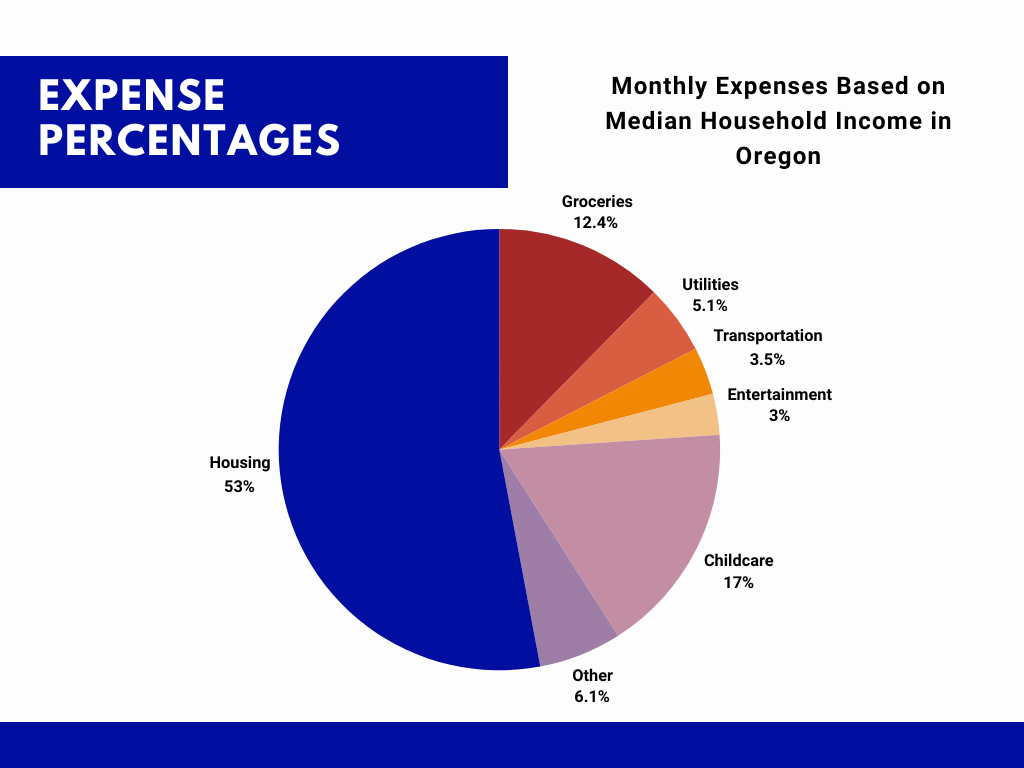
Housing is invariably the largest single expense for most individuals and families, and Oregon is no exception. The state has experienced significant appreciation in property values and rental rates over the past decade, driven by strong population growth, a robust job market, and limited housing supply in desirable areas.
Urban Centers vs. Rural Communities
The most substantial housing costs are concentrated in and around the major metropolitan areas. Portland, Oregon’s largest city, consistently ranks among the pricier cities for both renting and buying. The demand for housing in Portland is fueled by its thriving tech sector, creative industries, and appealing quality of life. Neighborhoods within the city, such as the Pearl District or Nob Hill, command premium prices, while even surrounding suburbs can be quite expensive.
Other populous cities like Salem, the state capital, and Eugene, home to the University of Oregon, also present higher-than-average housing expenses. However, compared to Portland, these cities may offer slightly more affordable options, particularly for those willing to venture a bit further from the core urban centers.
Conversely, rural Oregon and smaller towns, especially those east of the Cascade Mountains or along the more remote stretches of the coast, typically offer considerably lower housing costs. While these areas may have fewer amenities and job opportunities, they can present a more budget-friendly living situation for those prioritizing space and a slower pace of life. The trade-off often involves longer commutes or a reliance on less developed infrastructure.
Rental Market Dynamics
The rental market in Oregon reflects the same trends as the for-sale market. Vacancy rates can be low in popular areas, leading to competitive bidding and rapidly increasing rents. A one-bedroom apartment in Portland can easily command prices upwards of $1,500-$2,000 per month, with studios and larger units naturally costing more. Outside the major cities, rents tend to decrease, but the availability of rental properties might also be more limited. For those seeking long-term stays, exploring short-term rentals or considering areas slightly outside the main hubs can be strategic.
Homeownership Costs
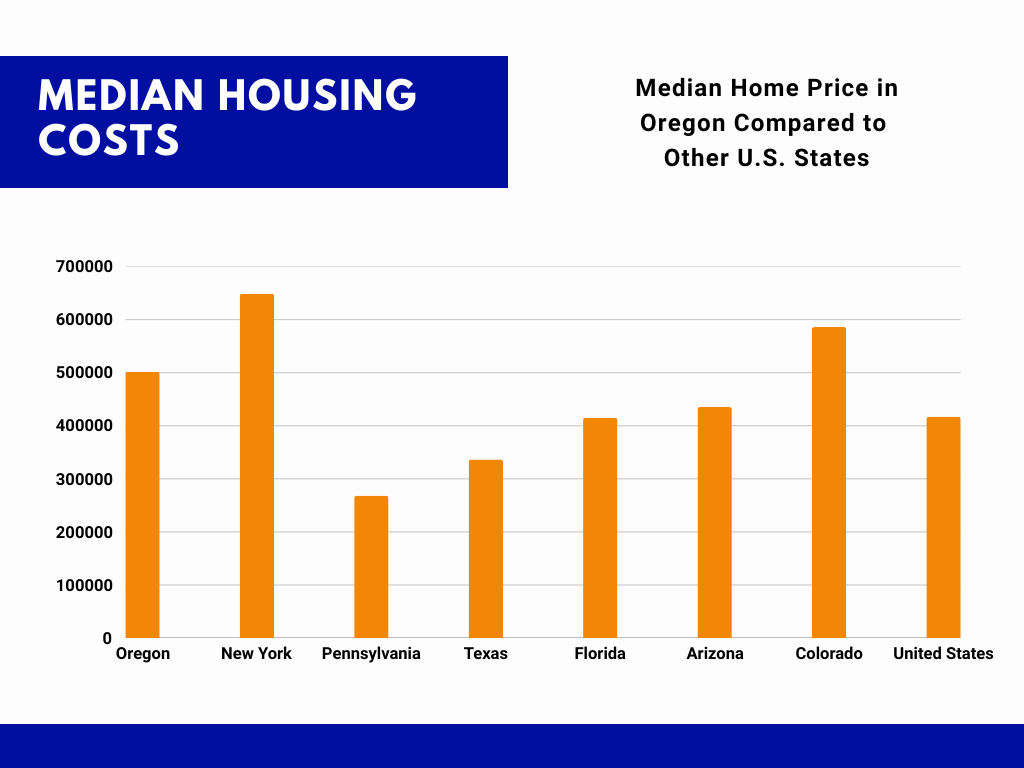
For those looking to purchase property, the median home price in Oregon has seen substantial growth. While it varies by region, the median sale price for a single-family home can range from the mid-$400,000s to well over $600,000 in highly sought-after areas. Property taxes, while generally not as high as in some other states, are an additional annual expense to consider. Mortgage rates, insurance, and potential homeowner association (HOA) fees further contribute to the overall cost of homeownership.
Daily Expenses: Beyond Housing
While housing dominates the budget, other daily expenses also play a significant role in the overall cost of living in Oregon. These include transportation, utilities, groceries, healthcare, and entertainment.
Transportation
Oregon boasts a diverse transportation landscape. For residents of Portland, the public transportation system, operated by TriMet, is extensive, offering bus, light rail, and streetcar services. This can significantly reduce or even eliminate the need for a personal vehicle, saving on gas, insurance, and maintenance costs. Ridesharing services and bike-sharing programs are also prevalent in urban areas.
However, in most other parts of Oregon, a personal vehicle is often a necessity. The cost of gasoline fluctuates, but Oregon has historically had relatively high gas prices due to state taxes and environmental regulations. Car insurance rates can also vary considerably depending on the location and individual driving record. For those who rely on cars, budgeting for fuel, maintenance, and insurance is crucial.
Utilities
Utility costs in Oregon are generally in line with the national average, though they can fluctuate based on location, usage, and the type of dwelling. Electricity, natural gas (where available), water, and sewer services are common expenses. Heating costs can be significant, particularly during the cooler, wetter months in the western part of the state. Internet and cellular service are also standard monthly expenses. Bundling services or opting for providers with competitive rates can help manage these costs.
Groceries and Food
The cost of groceries in Oregon is slightly above the national average. This is influenced by factors such as transportation costs for goods and the prevalence of organic and specialty food markets, which often carry higher price tags. However, Oregon also has a strong agricultural sector, with numerous farmers’ markets offering fresh, local produce, which can sometimes provide a more affordable and higher-quality alternative to supermarket fare. Dining out in Oregon, especially in Portland, can range from very affordable food cart experiences to high-end dining, with costs varying widely based on the establishment and cuisine.
Healthcare
Healthcare costs are a national concern and Oregon is no different. The expense of health insurance premiums, deductibles, and out-of-pocket medical expenses can be substantial. While Oregon has a relatively healthy population, access to affordable healthcare and the cost of medical services are factors that individuals and families must consider. Employer-sponsored health insurance plans are common, but for those without such benefits, private insurance can be a significant financial commitment.
Economic Factors and Tax Landscape
Beyond direct expenses, the broader economic environment and Oregon’s tax structure significantly impact the cost of living.
Income Tax
Oregon is one of only a handful of states with a graduated income tax system, meaning higher earners pay a higher percentage of their income in taxes. This can be a substantial consideration for individuals or families relocating from states with no income tax or a flat tax rate. The tax brackets are adjusted annually for inflation. While this system aims for progressive taxation, it means that a larger portion of income is allocated to state taxes for many residents.
Sales Tax
A notable aspect of Oregon’s tax landscape is the absence of a state sales tax. This is a significant advantage for consumers, as the prices displayed for goods and services do not include an additional sales tax at the point of purchase, unlike many other states. This can lead to considerable savings on retail purchases, electronics, clothing, and other discretionary spending.
Job Market and Wages
The economic health of Oregon is largely driven by its diverse industries, including technology (often referred to as the “Silicon Forest”), advanced manufacturing, agriculture, timber, tourism, and healthcare. The job market in Portland and its surrounding areas is generally robust, offering competitive salaries in certain sectors. However, wage growth has not always kept pace with the rising cost of living, particularly in the housing sector. Understanding the average wages for one’s profession in Oregon is crucial for assessing affordability.
Lifestyle and Recreation: Valuing the Experience
Oregon offers an unparalleled quality of life, with abundant opportunities for outdoor recreation and a vibrant cultural scene. The cost associated with enjoying these aspects can vary.
Outdoor Activities
The natural beauty of Oregon is a major draw. From hiking in the Columbia River Gorge and exploring the Oregon Coast to skiing in the Cascades and visiting the state’s numerous national and state parks, outdoor pursuits are often low-cost or free. However, gear, travel to destinations, and park entrance fees (where applicable) can add up. For instance, a ski pass to Mt. Hood or a camping permit for a popular spot can represent a notable expense.

Culture and Entertainment
Oregon boasts a rich cultural tapestry, particularly in Portland. This includes a thriving music scene, numerous theaters, art galleries, museums (such as the Portland Art Museum), and a diverse culinary landscape. While many cultural events and activities can be enjoyed affordably, attending concerts, theater performances, professional sports games (like those of the Portland Trail Blazers or the Portland Timbers), or frequenting high-end restaurants will naturally increase living expenses.
In conclusion, the question of whether it is expensive to live in Oregon does not have a simple yes or no answer. It is a state that offers a high quality of life and remarkable natural beauty, but this comes at a cost, particularly in its urban centers where housing is a primary driver of expense. While the absence of a sales tax is a financial advantage, the progressive income tax and the rising cost of goods and services mean that careful financial planning and a realistic understanding of local economic conditions are essential for anyone considering making Oregon their home.
LifeOutOfTheBox is a participant in the Amazon Services LLC Associates Program, an affiliate advertising program designed to provide a means for sites to earn advertising fees by advertising and linking to Amazon.com. Amazon, the Amazon logo, AmazonSupply, and the AmazonSupply logo are trademarks of Amazon.com, Inc. or its affiliates. As an Amazon Associate we earn affiliate commissions from qualifying purchases.