
Understanding Tampa’s climate is crucial for any visitor aiming to maximize their experience in this vibrant Florida city. Whether you’re planning to explore its renowned attractions, indulge in its culinary scene, or simply soak up the sun, a little meteorological foresight can go a long way. This guide delves into the likelihood of rain in Tampa, offering insights beyond a simple forecast, and how to best navigate the weather for a memorable trip.
Navigating Tampa’s Tropical Climate
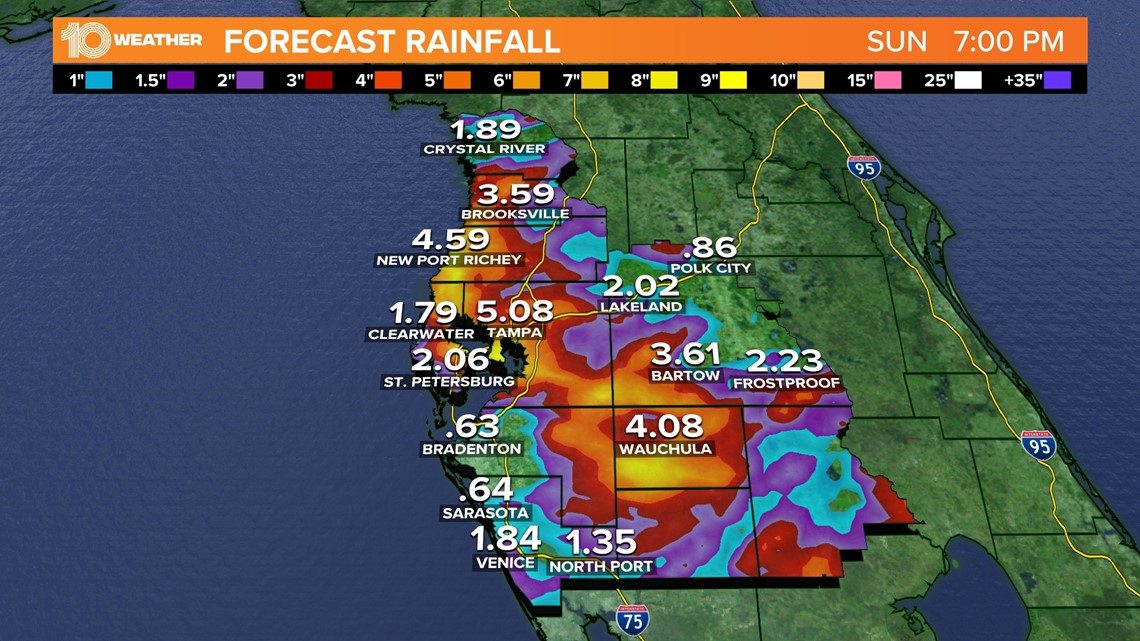
Tampa, situated on the west coast of Florida, enjoys a humid subtropical climate. This means warm to hot temperatures year-round, with a distinct wet season that typically runs from June through September. During these months, afternoon thunderstorms are a common occurrence. These are often characterized by their intensity – heavy downpours, lightning, and strong winds – but also their brevity. They tend to form rapidly, unleash their fury, and then dissipate, often leaving behind clear skies and a refreshed atmosphere.
The Wet Season: When to Expect Showers
The summer months in Tampa are synonymous with rain. From June to September, the chances of encountering a shower or thunderstorm on any given day are significantly higher. These storms are fueled by the abundant moisture in the air and the intense solar heating of the land. While they can disrupt outdoor plans, they also bring a welcome respite from the heat and humidity.
- Afternoon Thunderstorms: The most common form of precipitation during the wet season. These are typically brief but can be quite dramatic.
- High Humidity: Even on days without rain, the humidity levels can be very high, contributing to the “tropical” feel of Tampa.
- Impact on Activities: While a sudden downpour might necessitate a temporary pause in outdoor exploration, it’s rarely an all-day affair. Many attractions are equipped to handle such weather, offering indoor alternatives or covered areas.
The Dry Season: Sunshine and Clear Skies
Conversely, the dry season, from October through May, offers more predictable weather patterns, with significantly less rainfall. While isolated showers can still occur, they are far less frequent and generally less intense than their summer counterparts. This period is ideal for those who prefer consistent sunshine and a lower chance of weather-related disruptions to their itinerary.
- Pleasant Temperatures: The dry season often brings milder temperatures, making it perfect for exploring outdoor attractions.
- Lower Humidity: The air feels less heavy, enhancing the comfort of walking tours and beach visits.
- Ideal for Events: Outdoor festivals, sporting events, and leisurely strolls are more reliably enjoyable during these months.
Factors Influencing Daily Rain Chances
While general seasonal patterns provide a good overview, predicting rain on a specific day in Tampa involves considering several dynamic factors.
Atmospheric Instability
The primary driver of afternoon thunderstorms in Tampa is atmospheric instability. When warm, moist air near the surface is overlifted by various mechanisms – such as a sea breeze front, a weak frontal boundary, or even just localized heating – it can rise rapidly through the atmosphere. As this air ascends, it cools, and its moisture condenses, forming towering cumulonimbus clouds, the harbingers of thunderstorms. The degree of instability, often measured by meteorologists, directly correlates with the potential for severe weather.
Sea Breeze Convergence
Tampa’s coastal location plays a significant role in its weather. The sea breeze, a wind that blows inland from the cooler ocean surface, is a crucial factor in initiating thunderstorm development. As the sea breeze front moves inland, it can act as a lifting mechanism, pushing the warm, moist air upwards and triggering cloud formation. Often, these fronts from the Gulf of Mexico and the Atlantic Ocean can converge over the peninsula, creating localized areas of enhanced thunderstorm activity. Monitoring the timing and strength of these sea breezes can offer clues about where and when rain might develop.
Tropical Systems

While less frequent, the possibility of tropical cyclones – hurricanes and tropical storms – developing in the Atlantic or Gulf of Mexico can significantly impact Tampa’s weather. Even storms that don’t make direct landfall can bring widespread rain, gusty winds, and storm surge to the region. During hurricane season (June 1 to November 30), staying informed about tropical weather advisories is paramount for anyone in or traveling to Florida.
Planning Your Tampa Itinerary with Weather in Mind
A little preparation can ensure that a rainy day doesn’t derail your Tampa adventure.
Embrace the Flexibility of Afternoon Showers
If you’re visiting during the wet season, embrace the likelihood of afternoon showers. Instead of scheduling your most important outdoor activities for the peak afternoon hours, consider front-loading your day. Enjoy a leisurely morning exploring Ybor City or visiting the Florida Aquarium, and then plan for indoor pursuits or a relaxed lunch during the typical thunderstorm window.
- Morning Exploration: Take advantage of the drier, cooler mornings for outdoor activities.
- Indoor Alternatives: Tampa boasts a wealth of indoor attractions. Consider visiting the Tampa Museum of Art, the Glazer Children’s Museum, or enjoying a show at the David A. Straz, Jr. Center for the Performing Arts.
- Culinary Delights: Use a rainy spell as an opportunity to explore Tampa’s diverse culinary landscape. From Cuban sandwiches in Ybor City to fresh seafood along the waterfront, there are plenty of delicious indoor dining options.
Packing Essentials for Any Weather
Regardless of the season, a few key items can help you stay comfortable.
- Lightweight Rain Gear: A compact, waterproof jacket or poncho is invaluable. Even if you don’t need it, it takes up minimal space.
- Umbrella: A sturdy, portable umbrella is a must-have, especially during the wet season.
- Waterproof Footwear: Comfortable, water-resistant shoes can make a significant difference if you encounter unexpected puddles.
- Sun Protection: Even on cloudy days, the Florida sun can be intense. Sunscreen, a hat, and sunglasses are essential year-round.
Staying Informed: Real-Time Weather Resources
To get the most accurate, up-to-the-minute information about whether it’s going to rain today in Tampa, Florida, it’s best to consult reliable weather resources.
Local Weather Forecasts
Several reputable sources provide detailed local forecasts for Tampa. National weather services, local news channels, and dedicated weather apps offer hourly and daily predictions, radar imagery, and severe weather alerts.
- National Weather Service (NWS): The NWS provides comprehensive meteorological data and forecasts for the Tampa Bay area. Their website often includes detailed discussions on current weather patterns.
- Local News Outlets: Tampa has several local news stations that provide timely weather updates, often with on-the-ground reporting during significant weather events.
- Weather Apps: Numerous smartphone applications offer real-time weather data, including radar loops that show the movement of rain cells, allowing for precise timing of potential showers.
Radar and Satellite Imagery
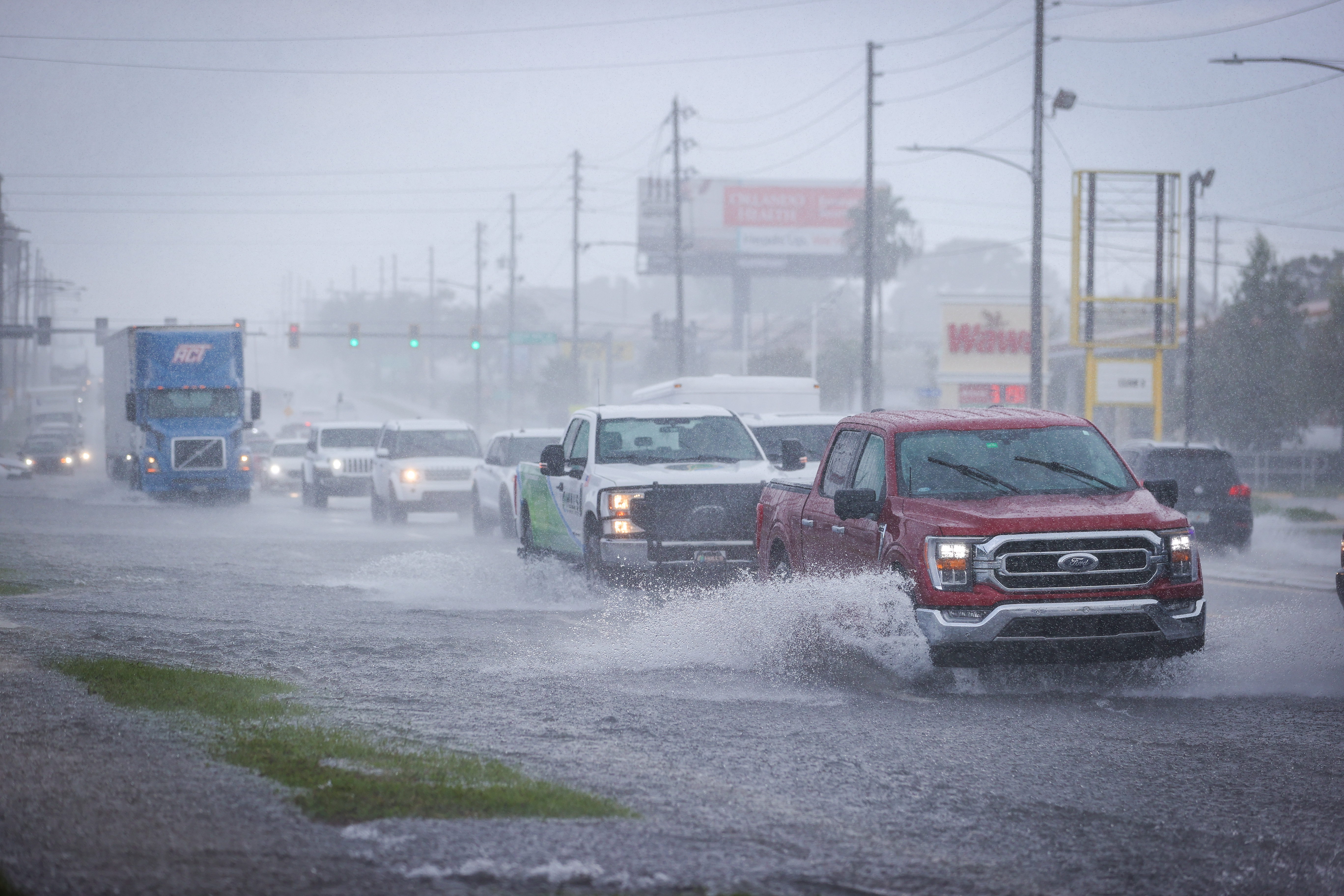
For a visual understanding of approaching weather systems, radar and satellite imagery are indispensable tools. Radar displays show precipitation intensity and movement, allowing you to see exactly where rain is falling and in which direction it is heading. Satellite imagery provides a broader view of cloud cover and storm development across the region.
By understanding Tampa’s climate, embracing a flexible attitude towards its weather, and utilizing readily available resources for real-time information, visitors can ensure a seamless and enjoyable experience in this dynamic Florida city, rain or shine. Whether you’re destined for Busch Gardens Tampa Bay or a serene afternoon on Clearwater Beach, a bit of weather awareness is your best companion.
LifeOutOfTheBox is a participant in the Amazon Services LLC Associates Program, an affiliate advertising program designed to provide a means for sites to earn advertising fees by advertising and linking to Amazon.com. Amazon, the Amazon logo, AmazonSupply, and the AmazonSupply logo are trademarks of Amazon.com, Inc. or its affiliates. As an Amazon Associate we earn affiliate commissions from qualifying purchases.