
For many, the mere thought of snow conjures images of cozy firesides, glistening landscapes, and perhaps a touch of winter magic. But when the destination is Texas, the prospect of snowfall often evokes a mix of curiosity, skepticism, and sometimes, a little bit of hopeful anticipation among travelers. The Lone Star State, vast and climatically diverse, is renowned more for its scorching summers and mild winters than for powdery white blankets. Yet, it does snow in Texas, albeit infrequently and unevenly across its expansive geography. For those planning a winter escape to this vibrant state, understanding the likelihood and implications of snow is crucial for crafting the perfect travel itinerary.

This article delves into the nuances of Texas winter weather, offering insights for travelers curious about whether their upcoming trip might include a rare snowfall experience. We’ll explore historical patterns, regional variations, and practical advice to help you prepare for a Texas winter, whether it’s mild and sunny or, just perhaps, dusted with snow.
Understanding Texas’s Diverse Climate and Snowfall Patterns
Texas’s sheer size means that its climate is far from uniform. From the arid deserts of the west to the humid Gulf Coast and the temperate forests of the east, each region experiences winter in its own unique way. This diversity is the primary factor influencing the likelihood and extent of snowfall across the state.
Geographic Influences on Winter Weather
The geography of Texas plays a pivotal role in dictating its winter weather. The northernmost regions, particularly the Panhandle, are situated on the edge of the Great Plains, making them susceptible to cold fronts sweeping down from the Arctic. Cities like Amarillo and Lubbock in the Panhandle experience colder temperatures and, consequently, a higher probability of snowfall compared to other parts of the state. Elevation also plays a role, with the mountainous Trans-Pecos region in West Texas, including areas around El Paso and Guadalupe Mountains National Park, sometimes receiving significant winter precipitation.
In contrast, the central and eastern parts of Texas, including major metropolitan areas like Dallas, Fort Worth, and Austin, typically experience milder winters. While not immune to snow, accumulations are generally lighter and less frequent. The closer one gets to the Gulf Coast cities like Houston and Corpus Christi, the warmer the winter temperatures become, making snow an exceptionally rare event due to the moderating influence of the ocean. Further south, the Rio Grande Valley is known for its subtropical climate, where winter is more akin to a pleasant autumn, and snow is virtually unheard of.
Historical Snowfall Trends in Key Texas Regions
Looking at historical data provides a clearer picture of what travelers might expect. The Texas Panhandle sees, on average, several inches of snow annually, making it the most reliable spot for winter flakes. Amarillo, for instance, averages about 17 inches per year. Moving south and east, the averages drop significantly. Dallas typically receives less than an inch per year, often manifesting as a light dusting that melts quickly. Austin and San Antonio also hover around this minimal average, with many years passing without any measurable snow. For Houston, a true snowfall that accumulates is a headline-making event, often occurring only once every few years, if at all.
What this trend reveals for travelers is that if your primary goal is to experience snow in Texas, your best bet is to target the northern Panhandle or the higher elevations of West Texas during the peak winter months of January and February. For the rest of the state, any snow would be a delightful bonus rather than an expectation.
The Elusive Nature of a Texas Winter Wonderland
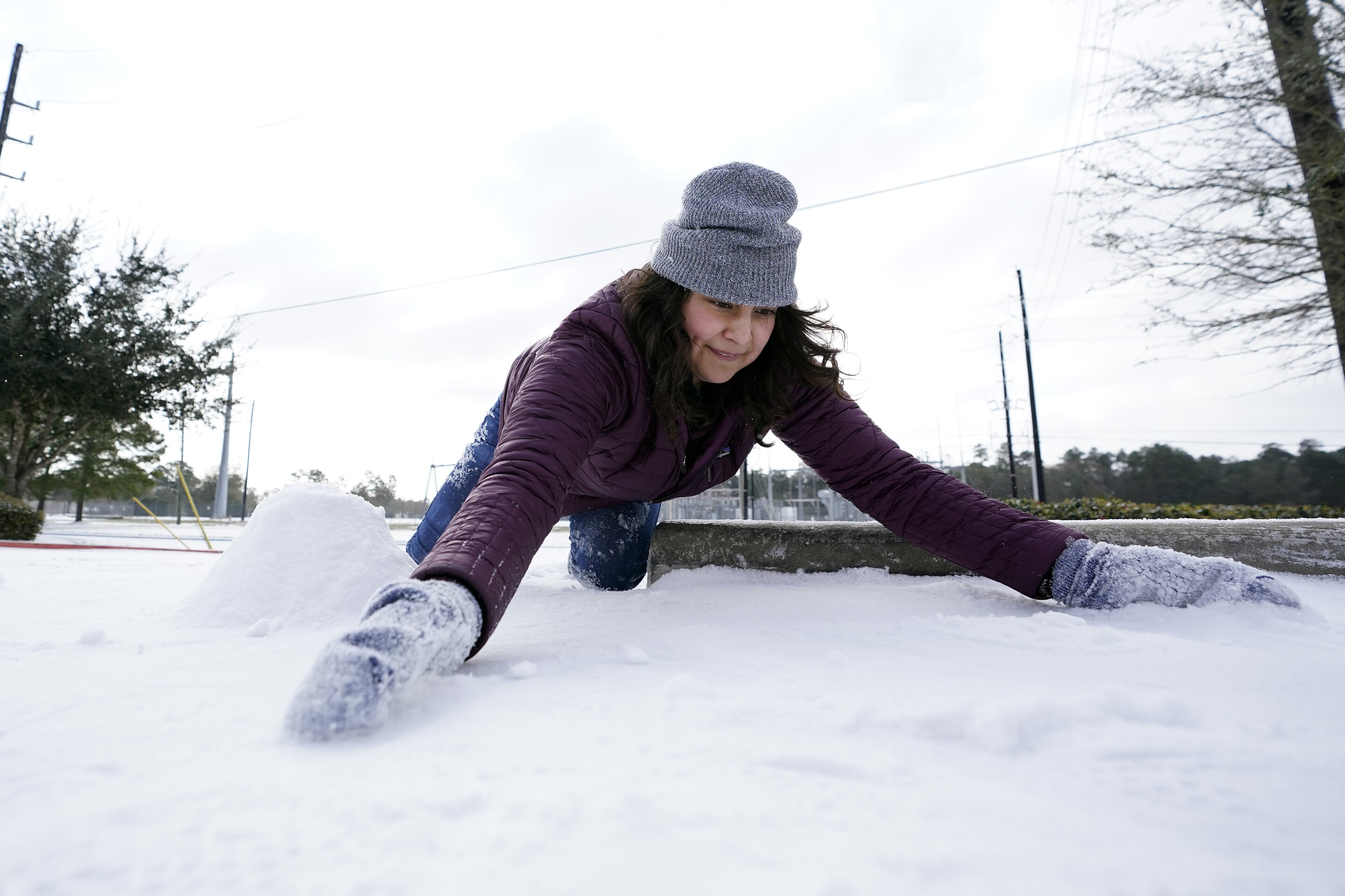
The allure of a “snow day” in Texas often stems from its rarity. When snow does fall in the more populated central and eastern regions, it tends to be fleeting. Temperatures often rise quickly after a cold front passes, melting the snow within hours or a day. This ephemeral quality makes a Texas snow event a unique and memorable experience for both residents and visitors, transforming familiar landscapes into temporary, picturesque scenes. Travelers hoping for this experience should understand that it’s more about being in the right place at the right time, rather than a predictable seasonal occurrence.
Planning Your Texas Winter Getaway: What to Expect
Even without snow, Texas offers a plethora of winter travel experiences. Its mild winters in much of the state make it an attractive destination for those looking to escape colder climates, offering comfortable temperatures for outdoor activities and exploration.
Snow-Dependent Activities and Attractions
If you do happen to encounter snow during your Texas travels, particularly in the northern or western parts, certain activities take on a whole new dimension. In areas like the Panhandle, a fresh snowfall can create stunning photographic opportunities, especially in parks or open landscapes. Some smaller communities might even have makeshift sledding hills or ice-skating rinks if conditions allow. For those visiting Guadalupe Mountains National Park or Big Bend National Park during a rare cold snap, snow on the desert mountains can be a breathtaking sight, offering unique hiking experiences for well-prepared adventurers. However, it’s crucial to be aware that icy conditions can also close roads and trails, making flexibility paramount.
Non-Snow Winter Experiences in the Lone Star State
For the vast majority of Texas winter travelers, the absence of snow opens up a world of comfortable outdoor and indoor activities.
- City Exploration: Austin, San Antonio, Dallas, and Houston come alive with holiday festivities, vibrant arts scenes, and world-class dining. Winter is an ideal time to explore historic sites like the Alamo in San Antonio, wander through Dallas’s diverse neighborhoods, or enjoy Austin’s live music without the summer heat.
- Nature and Outdoors: The Hill Country offers excellent hiking, bird watching, and winery tours in mild temperatures. Big Bend National Park in West Texas, while potentially chilly, often provides clear skies and comfortable daytime temperatures perfect for exploring its vast wilderness without the intense summer heat. The Gulf Coast remains a popular destination for fishing, wildlife viewing, and enjoying beaches with fewer crowds.
- Cultural and Culinary Journeys: From BBQ trails across central Texas to exploring the rich German heritage in towns like Fredericksburg, winter is a fantastic time for culinary adventures and diving into Texas’s unique cultural tapestry.
Preparing for Unpredictable Weather: A Traveler’s Guide

The best approach for winter travel in Texas is to prepare for a range of conditions. Even if snow doesn’t fall, temperatures can still drop significantly, especially overnight.
- Layering is Key: Pack versatile clothing that can be layered. Think sweaters, light jackets, and a heavier coat for evenings, especially if you’re venturing north or west.
- Check Forecasts Regularly: Before and during your trip, monitor local weather forecasts from reliable sources like the National Weather Service or NOAA.
- Road Conditions: If snow or ice is predicted, especially on less-traveled roads, check for road closures or advisories before heading out. The Texas Department of Transportation website is an excellent resource.
- Flexibility: Build some flexibility into your itinerary. If an unexpected cold front or rare snowfall occurs, you might want to adjust plans to either embrace the winter novelty or seek warmer alternatives.
The Economic and Experiential Impact of Snow on Texas Travel
While infrequent, snow in Texas has a dual impact on the travel sector, presenting both unique opportunities and potential challenges.
Boost for Winter Sports and Novelty Tourism
A significant snowfall in parts of Texas can, paradoxically, become a minor tourism draw. For local Texans, the rare chance to build a snowman or experience a truly white landscape leads to impromptu “snow day” tourism, with families flocking to local parks. Travelers who happen to be in the state during such an event often cherish the unique experience, sharing photos and stories of the unexpected winter wonderland. While Texas isn’t a ski destination, some areas might see brief opportunities for sledding or cross-country skiing in more rural, higher elevation areas. This novelty factor can generate buzz and provide a distinct memory for visitors, setting their Texas trip apart.
Potential Disruptions and Mitigation Strategies
On the flip side, snow and especially ice can cause significant disruptions in regions unaccustomed to winter weather. Infrastructure, particularly roads and power grids, may not be fully equipped to handle sustained freezing temperatures or heavy snowfall. This can lead to:
- Travel Delays: Flights at major airports like Dallas/Fort Worth International or Houston George Bush Intercontinental can be delayed or canceled. Road closures due to ice are common, even with minimal precipitation.
- Business Closures: Many businesses, including tourist attractions, may close or operate on reduced hours for safety reasons.
- Utilities: Power outages can occur, impacting accommodation and local services.
For travelers, the best mitigation strategies involve:
- Travel Insurance: Consider purchasing travel insurance, especially if you’re traveling during peak winter months and have tight connections.
- Communication: Stay in touch with your airline, hotel, and local contacts for real-time updates.
- Emergency Kit: If undertaking a road trip, have an emergency kit in your car, including blankets, water, snacks, and a charged phone.
- Alternative Plans: Have backup plans for attractions or activities in case primary choices are affected by weather.
Local Business Adaptations and Opportunities
Local businesses, especially in major cities, have become more adept at handling infrequent winter weather. Hotels might offer special rates during unexpected snow events, restaurants might adjust menus, and indoor attractions often remain open, providing a warm refuge. In areas like Austin or San Antonio, an unexpected dusting of snow can lead to a surge in hot chocolate sales or novelty souvenirs. For travelers, supporting these local businesses during weather events can contribute to a unique travel experience and help the local economy adapt.
Forecasting the Future: Predictive Models and Traveler Considerations
Predicting snowfall in Texas months in advance is notoriously challenging. However, understanding the broader climatic influences and knowing where to find reliable information can help travelers set realistic expectations.
El Niño/La Niña and Other Climate Drivers
Large-scale climate phenomena like El Niño and La Niña can influence winter weather patterns across North America, including Texas.
- La Niña: Often brings warmer, drier winters to the southern U.S., including Texas. This typically means a lower chance of snow for most of the state.
- El Niño: Tends to bring cooler, wetter conditions to the southern U.S., which could increase the probability of snowfall, particularly in the western and northern parts of the state, especially if cold air masses are present.
Other factors, such as the Arctic Oscillation or specific jet stream patterns, also play a significant role. Scientists at organizations like NOAA (National Oceanic and Atmospheric Administration) and NASA continuously monitor these global patterns, providing long-range outlooks. However, these are general trends and do not guarantee snow in specific locations or during specific weeks.
Reliable Weather Resources for Travelers
For immediate and short-term forecasts, travelers should rely on official meteorological sources:
- National Weather Service (NWS): Provides detailed, localized forecasts, advisories, and warnings for all of Texas. This is the gold standard for accurate weather information.
- Reputable Weather Apps/Websites: Utilize well-known weather apps or websites that pull data from the NWS for hourly and 7-day forecasts.
- Local News Channels: For specific city forecasts and community alerts, local Texas news channels (online or TV) can provide valuable real-time information.
Embracing Flexibility: The Key to a Great Texas Trip
Ultimately, the question “Is it going to snow in Texas this year?” for a traveler is best answered with an outlook of cautious optimism and strategic flexibility. While a widespread, significant snowfall remains a rare event outside of the northern Panhandle, the possibility of a brief, magical dusting is always there.
The beauty of winter travel in Texas lies in its versatility. You can plan for a mild, enjoyable trip exploring its cities, natural parks, and cultural attractions, knowing that these experiences will be fantastic regardless of the weather. If a surprise snowfall occurs, view it as an added, extraordinary bonus, offering a truly unique perspective on the diverse and ever-surprising Lone Star State. Pack accordingly, stay informed, and most importantly, be ready to embrace whatever winter brings to your Texas adventure.
LifeOutOfTheBox is a participant in the Amazon Services LLC Associates Program, an affiliate advertising program designed to provide a means for sites to earn advertising fees by advertising and linking to Amazon.com. Amazon, the Amazon logo, AmazonSupply, and the AmazonSupply logo are trademarks of Amazon.com, Inc. or its affiliates. As an Amazon Associate we earn affiliate commissions from qualifying purchases.