
Texas, a state renowned for its scorching summers and generally mild winters, often sparks curiosity when the subject of snow arises. While not a common occurrence across the entire state, certain regions and specific weather patterns can indeed bring a dusting, or even a significant accumulation, of snow to the Lone Star State. Understanding the factors that influence snowfall in Texas is key to preparing for this unique meteorological event, and for those planning a visit or a local experience in 2024, a forecast update is always welcome.
Understanding Texas Winter Weather Patterns
The likelihood of snow in Texas is intrinsically tied to several meteorological factors, primarily the interaction of cold air masses from the north with moisture-laden systems. Texas’s vast size and varied topography mean that weather can differ dramatically from its northern borders to its southern coast.

The Role of Arctic Air Masses
For snow to fall, temperatures must be at or below freezing (32°F or 0°C) throughout the atmospheric column, from the clouds to the ground. Texas is susceptible to incursions of frigid air from Canada and the northern United States, particularly during winter months. These arctic blasts can rapidly lower temperatures, creating the necessary conditions for precipitation to fall as snow rather than rain. The intensity and duration of these cold snaps are crucial determinants of whether snow is a possibility. The notorious 2021 winter storm that crippled much of Texas was a prime example of a prolonged and severe arctic air intrusion.
Moisture is Key
Cold air alone does not guarantee snow. A significant moisture source is also required. This typically comes from low-pressure systems that track across the southern United States. When these systems encounter a sufficiently cold air mass entrenched over Texas, precipitation can form. The Gulf of Mexico, despite its generally warmer waters, can sometimes contribute moisture to these systems, especially when winds are favorable. The balance between cold air and ample moisture is delicate, and slight shifts can mean the difference between a rainy day and a snowy one.
Geographic Variations in Snowfall
Texas is not a monolith when it comes to winter weather. Snowfall is far more probable in the Panhandle and North Texas regions, which are geographically closer to the cold air sources. Cities like Amarillo and Lubbock have a higher average annual snowfall than areas further south. Central Texas, including Austin and San Antonio, can experience snow, but it is often infrequent and fleeting. South Texas and the immediate Gulf Coast, while experiencing occasional cold snaps, are very unlikely to see significant snow due to consistently warmer temperatures.
Snowfall Prospects for Texas in 2024
Predicting specific snowfall amounts for an entire winter season this far in advance is inherently challenging. However, meteorologists analyze various climate signals to provide general outlooks. For the 2024 winter season in Texas, several factors are being monitored.
Climate Model Projections
Long-range climate models, such as those produced by the National Oceanic and Atmospheric Administration (NOAA), offer insights into potential temperature and precipitation trends. These models consider factors like sea surface temperatures in the Pacific Ocean (influencing the El Niño-Southern Oscillation or ENSO) and atmospheric circulation patterns. While not definitive for snowfall, these projections can indicate whether a winter is likely to be colder or wetter than average.
ENSO Influence
The ENSO cycle, particularly El Niño and La Niña, can have a significant impact on Texas weather. During an El Niño phase, Texas often experiences cooler and wetter conditions, which can increase the potential for snowfall, especially in the northern and western parts of the state. Conversely, La Niña years can bring warmer and drier conditions, reducing the likelihood of snow. The specific phase and strength of ENSO during the 2023-2024 winter season will be a critical factor in determining Texas’s snow prospects. As of late 2023, there is a strong likelihood of El Niño conditions persisting into early 2024, which would suggest a greater possibility for colder and wetter weather patterns in Texas.
Historical Snowfall Data and Trends
Examining historical snowfall records for various Texas cities provides a baseline for what is considered “normal.” For instance, Dallas-Fort Worth typically sees an average of about 2.3 inches of snow per year, with most of it occurring in January or February. El Paso in West Texas can receive more substantial amounts, averaging around 8 inches annually. Understanding these historical averages allows us to assess whether any potential snowfall in 2024 would be a deviation from the norm or a confirmation of expected patterns. Looking at recent years, Texas has experienced some memorable snow events, even in areas not accustomed to them, highlighting the unpredictable nature of its winter weather.
Preparing for Snowfall in Texas
Even if significant snowfall is not guaranteed, being prepared for winter weather in Texas is always a prudent approach for residents and travelers alike.
Travel Considerations
For those planning to travel to or within Texas during the 2024 winter months, staying informed about weather forecasts is paramount. Road conditions can deteriorate rapidly, especially in North Texas and the Panhandle. Major highways, such as I-35, I-45, and I-10, can become hazardous.

Checking Weather Alerts and Road Conditions
Reliable sources for weather alerts include the National Weather Service and local news stations. For real-time road condition updates, the Texas Department of Transportation (TxDOT) provides valuable information through its website and social media channels. If snow is in the forecast, especially for areas like Houston or the Texas Hill Country, check these resources frequently before embarking on any journeys.
Adjusting Travel Plans
If severe winter weather is anticipated, it may be wise to adjust travel plans. This could mean delaying departure, taking an alternate route, or even rescheduling the trip. Many airports, including Dallas/Fort Worth International Airport (DFW) and George Bush Intercontinental Airport (IAH) in Houston, can experience delays or cancellations due to icy conditions on runways or in surrounding areas.
Local Activities and Experiences
While snow is less common than in many other states, when it does occur in Texas, it can offer unique opportunities for enjoyment.
Embracing the Winter Wonder
For areas that receive snow, it can transform the landscape into a picturesque winter wonderland. This can be a rare treat for many Texans. Cities and towns may offer impromptu sledding opportunities in parks, or simply provide a beautiful backdrop for scenic drives. Exploring charming towns in North Texas like Grapevine or the historic streets of Galveston can take on a special charm under a blanket of white.
Winter Tourism Opportunities
While not a primary winter destination like Colorado or Utah, Texas does have some niche winter tourism appeal. Resorts in areas prone to occasional snow might see an uptick in visitors seeking a unique cold-weather experience. Skiing and snowboarding are generally not options, but the novelty of snow can be an attraction in itself. For those residing in or visiting the Panhandle, places like the Palo Duro Canyon State Park can offer breathtaking views with a dusting of snow, providing a stark contrast to its usual arid beauty.
Frequently Asked Questions About Texas Snow
The prospect of snow in Texas often leads to a few recurring questions. Addressing these can help manage expectations and prepare for winter weather.
Will it snow in Dallas-Fort Worth in 2024?
While predicting exact snowfall is impossible, the Dallas-Fort Worth metroplex has a historical average of a couple of inches of snow per year. Given potential El Niño influences favoring wetter and cooler conditions, there’s a reasonable chance of at least some snowfall, though the amount and timing remain uncertain.
What about Houston? Will it snow there?
Snow in Houston is a very rare event. While freezing temperatures can occur during winter cold snaps, the moisture needed to produce snow often doesn’t coincide with the coldest periods. If it does snow, it’s usually a very light dusting that quickly melts.
How can I best prepare for potential snow in Texas?
Preparation involves staying informed. Monitor weather forecasts from reliable sources like the National Weather Service. If snow is expected, ensure your vehicle is equipped with emergency supplies, and be prepared for potential travel disruptions. For homeowners, knowing how to protect pipes from freezing is essential, as seen in past severe winter events.
Are there specific events or festivals related to winter or snow in Texas?
While Texas is not known for widespread winter festivals centered around snow, some communities, particularly in North Texas, may hold holiday-themed events during December and January that incorporate winter decorations and a festive atmosphere, even if actual snow is absent. For instance, the city of Grapevine is known for its extensive Christmas light displays and festive events during the holiday season. If a significant snow event does occur, local communities might organize impromptu outdoor activities, but these are typically spontaneous rather than scheduled events.
Conclusion: A Watchful Eye on the 2024 Winter Skies
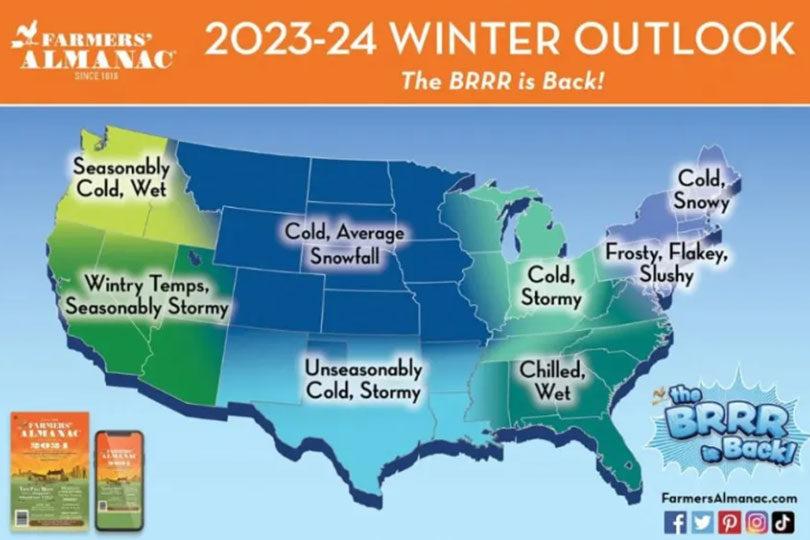
The question of whether it will snow in Texas in 2024 is a dynamic one, influenced by a complex interplay of atmospheric conditions. While the southern parts of the state remain largely snow-free, the northern and western regions have a recurring, albeit often light, chance of experiencing this winter phenomenon. For travelers and residents, staying informed through official meteorological channels is the best way to anticipate and prepare for any winter weather that the 2024 season may bring to the Lone Star State. The possibility of snow adds a unique, albeit infrequent, charm to the Texan winter, making it an event worth noting for those residing in or planning a visit to the state.
LifeOutOfTheBox is a participant in the Amazon Services LLC Associates Program, an affiliate advertising program designed to provide a means for sites to earn advertising fees by advertising and linking to Amazon.com. Amazon, the Amazon logo, AmazonSupply, and the AmazonSupply logo are trademarks of Amazon.com, Inc. or its affiliates. As an Amazon Associate we earn affiliate commissions from qualifying purchases.