
The question “Is it gonna snow in Texas?” often elicits a chuckle from those unfamiliar with the Lone Star State’s vast and diverse climate. For many, Texas conjures images of scorching deserts, endless prairies, and sun-drenched beaches, not a winter wonderland. Yet, the reality is far more nuanced, offering a fascinating paradox for travelers considering a winter visit. While a white Christmas might be a rarity in most parts of the state, snow is not an impossibility, and understanding where and when it might fall is crucial for planning a memorable and appropriate travel experience. This article delves into the likelihood of snow in Texas, providing insights for travelers eager to embrace the unexpected or simply prepare for a cooler, drier winter escape.
The Unpredictable Charm of Texas Winters
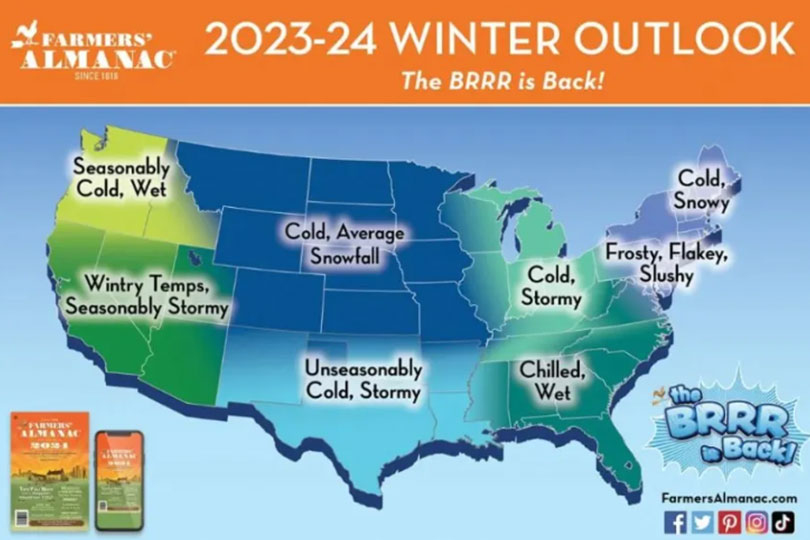
Texas is a land of extremes, not just in its sprawling geography but also in its meteorological moods. Its immense size means that what’s happening in one corner of the state can be dramatically different from another, especially when it comes to winter weather. This climatic diversity is precisely what makes predicting snow in Texas such an intriguing challenge for meteorologists and a delightful surprise for travelers.
A Land of Climatic Contrasts
Stretching from the humid subtropical coast along the Gulf of Mexico to the arid desert landscapes of West Texas and the cooler, higher elevations of the Panhandle, the state encompasses several distinct climate zones. This geographical tapestry plays a critical role in determining the probability of snowfall. The dry, continental air masses that sweep down from the north during winter have a greater impact on the northern and western reaches of the state, where temperatures are consistently colder and moisture, when available, is more likely to fall as snow. Conversely, the moderating influence of the Gulf of Mexico tends to keep coastal and southeastern Texas warmer, making snow an infrequent, almost mythical event. Understanding these broad climatic distinctions is the first step in assessing your chances of encountering snow during your Texas travels.
Historical Snow Events: Proving the Possibility
While not an annual occurrence for most Texans, the state has a documented history of significant snowfalls, reminding residents and visitors alike that winter can, on occasion, make a dramatic statement. Perhaps the most impactful recent event was Winter Storm Uri in February 2021, which brought unprecedented freezing temperatures and widespread snowfall across virtually the entire state, including areas like Houston and Corpus Christi, which rarely see more than a dusting. Other notable events include the rare Christmas Eve snow in Dallas in 2012, or the heavy snowfalls that have periodically blanketed the Panhandle region for days. These historical occurrences serve as a powerful testament to the state’s capacity for winter weather, underscoring that while unlikely in many areas, the possibility of snow should never be entirely dismissed, especially for those planning winter travel. They also highlight the potential for travel disruptions, making preparation and flexibility key components of a successful winter trip.
Where and When to Expect Snow in Texas
Pinpointing where snow is most likely to fall in Texas requires a regional breakdown, as the state’s expansive geography dictates vastly different winter experiences. For travelers hoping to witness a Texan snowfall, or those looking to avoid it, understanding these patterns is essential.
North and West Texas: The Snowiest Regions
If your travel itinerary includes a quest for snow in Texas, your best bet is undoubtedly the northern and western parts of the state. The Texas Panhandle, situated at a higher elevation and exposed to colder air masses from the Rockies, experiences the most consistent and often heaviest snowfall. Cities like Amarillo, often dubbed the “gateway to the Panhandle”, and Lubbock in the South Plains, typically see several inches of snow each winter, and occasionally much more. Further west, mountainous regions such as those encompassing Guadalupe Mountains National Park and parts of Big Bend National Park can also receive significant snow, though it’s often confined to higher elevations. The city of El Paso, nestled in far West Texas at a relatively high desert elevation, also sees occasional snowfall, making these regions the primary destinations for winter enthusiasts seeking a snowy Texan landscape.
Central and East Texas: A Rarity, Not an Impossibility
Moving eastward into Central and East Texas, the probability of snow diminishes significantly, becoming more of a delightful surprise than a regular occurrence. Major metropolitan areas like Dallas and Fort Worth in North Central Texas might receive light dustings or a few inches of snow once every few years, often melting quickly. Further south, in cities like Austin in the Hill Country and Waco in Central Texas, snowfall becomes even rarer, typically just a brief flurry or a very light accumulation that vanishes by midday. For destinations like Houston in Southeast Texas, snow is an extremely infrequent event, often making headlines when it does occur due to its infrequency and the city’s mild, humid climate. While these areas are less likely to offer a snowy backdrop, the sheer delight and novelty when it does snow can create a uniquely memorable travel experience for those lucky enough to witness it.
South Texas and the Coast: A True Winter Wonderland Mirage
For travelers venturing into South Texas or along the Gulf Coast, the idea of snow is largely a mirage. Cities like San Antonio, Corpus Christi, Galveston, and South Padre Island very rarely see even a snowflake. Their proximity to the warm Gulf of Mexico moderates winter temperatures, keeping them generally mild and comfortable, making these regions popular for those seeking to escape colder northern climates. While Winter Storm Uri proved that even these areas are not entirely immune to extreme cold, significant or lasting snow remains an exceptional anomaly, not a travel expectation. Travelers to these regions can confidently pack for mild winter weather, focusing on layers for cooler evenings rather than heavy snow gear.
The Peak Season for Potential Snow
For areas of Texas where snow is possible, the window of opportunity is typically from December through February. January often stands out as the coldest month statewide, and thus, statistically, the most likely time for snow to occur in the northern and western regions. Early December or late February can also see snow, especially during strong cold fronts. However, the exact timing and intensity are highly dependent on the confluence of cold air, moisture, and atmospheric conditions, making long-range predictions for specific snow events notoriously difficult. Travelers planning a winter trip during this period should keep an eye on weather forecasts as their departure date approaches, particularly if their destination is in the Panhandle or West Texas.
Preparing for a Texas Winter Travel Experience
Whether you’re actively hoping for snow or just planning a winter getaway to Texas, preparation is paramount. The state’s unpredictable winter weather demands a flexible and informed approach to packing and itinerary planning, ensuring your trip is comfortable and safe, regardless of the meteorological outcome.
Essential Packing for Varied Weather

Given the variability of Texas winters, smart packing involves layers. Even if your destination is typically mild, unexpected cold snaps can occur. For travelers headed to the Panhandle or West Texas, warm coats, hats, gloves, and waterproof footwear are advisable. Even in central cities like Austin or Dallas, bringing a medium-weight jacket, sweaters, and scarves will ensure comfort during cooler evenings or sudden drops in temperature. For coastal destinations, lighter jackets or fleeces might suffice, but always check the forecast. The key is adaptability: be prepared for temperatures ranging from pleasantly mild to surprisingly chilly, and for conditions that could include anything from sunshine to rain, sleet, or even a rare dusting of snow.
Road Conditions and Travel Advisories
Snow and ice, particularly in areas unaccustomed to it, can significantly impact travel. Even a light accumulation can cause hazardous driving conditions, leading to road closures and delays, especially on major interstates and in urban centers that lack extensive snow-clearing infrastructure. Travelers planning to drive through or to snow-prone regions should closely monitor local weather forecasts and highway patrol advisories. Resources like Drive Texas (txdot.gov) provide real-time updates on road conditions. It’s prudent to have an emergency kit in your vehicle, including blankets, water, snacks, and a full tank of gas, especially if traversing remote areas like those leading to Big Bend National Park or Marfa in West Texas, where services can be sparse. Flexibility with travel plans, including booking refundable accommodations or having alternative routes, can save significant stress.
Alternative Winter Activities (Snow or No Snow)
One of the great joys of a Texas winter trip is the abundance of activities available, regardless of whether snow makes an appearance. If your hopes for a white landscape don’t materialize, you can still enjoy:
- Outdoor Exploration: Mild winter days are perfect for hiking and biking in state parks like Dinosaur Valley State Park or exploring the unique geological formations of Palo Duro Canyon State Park near Amarillo.
- City Adventures: Major cities like Dallas, Houston, Austin, and San Antonio offer world-class museums, vibrant culinary scenes, live music, and diverse shopping, all thriving regardless of the weather.
- Holiday Lights and Festivals: Throughout December, many Texas towns and cities host spectacular holiday light displays, like the Trail of Lights in Austin or the Riverwalk lights in San Antonio, creating a festive atmosphere.
- Hill Country Wineries: The mild winter weather in the Texas Hill Country makes it an ideal time to visit wineries around Fredericksburg, enjoying tastings without the summer crowds.
Embracing the Unique Beauty of Texas Snow
For those fortunate enough to witness snow in Texas, it’s often a magical experience, transforming familiar landscapes into something ethereal and unexpected. This rare beauty offers unique opportunities for travelers.
Photographic Opportunities
When snow graces the diverse landscapes of Texas, the photographic possibilities are truly captivating. Imagine the iconic desert cactuses dusted with white, the rolling Hill Country draped in a pristine blanket, or historic cityscapes like those in San Antonio or Dallas adorned with a rare layer of white. The contrast of the often vibrant Texan scenery against the soft, muted tones of snow creates stunning visual narratives. Photographers, both amateur and professional, should be ready to capture these fleeting moments, as Texan snow often melts quickly, leaving behind only memories and photographs of its ephemeral charm. Whether it’s the stark beauty of a snow-kissed Palo Duro Canyon or a quaint town square frosted with white, the visual appeal is undeniable.
Unique Local Experiences
A rare snowfall in Texas often sparks a collective joy and sense of community. Texans, not accustomed to regular snow days, tend to embrace the moment with gusto. You might find impromptu snowball fights, families building snowmen (often with limited snow), or locals gathering to marvel at the unusual sight. For travelers, this provides a unique opportunity to witness and participate in authentic local reactions to a rare phenomenon. It’s a chance to see a different side of Texan culture – one that finds delight and novelty in the unexpected. Local businesses might offer special “snow day” deals, and the general atmosphere can become one of celebratory wonder.
Planning a “Snow Trip” to Texas
Is it feasible to plan a dedicated “snow trip” to Texas? While not as reliable as a trip to the Rockies, it is possible to increase your chances. Focus your travel plans on the Panhandle region, particularly Amarillo or Lubbock, between December and February. Keep a close eye on long-range forecasts as your travel date approaches, and be prepared to be flexible. Consider having a car suitable for winter conditions and ensure your accommodation can handle potential cold or power outages, though these are rare outside of extreme events. Even if a significant snowfall doesn’t occur, these regions still offer unique high plains experiences, like exploring the second-largest canyon in the US at Palo Duro Canyon State Park, or visiting the Cadillac Ranch near Amarillo. The pursuit of snow in Texas is less about a guaranteed outcome and more about embracing the adventurous spirit of seeking out the state’s less-expected charms.
Beyond the Flurries: The Broader Texas Winter Appeal
Even if your Texan winter trip doesn’t involve snow, the cooler months offer a distinct and appealing travel experience, free from the scorching summer heat and often with fewer crowds.
Mild Weather for Outdoor Exploration
For much of Central, South, and East Texas, winter means comfortably cool temperatures, ideal for outdoor activities that would be unbearable in summer. It’s the perfect season for hiking, birdwatching, or cycling in the numerous state parks. Big Bend National Park becomes particularly inviting, offering stunning desert landscapes without the intense heat. Cities like Austin and San Antonio see pleasant daytime temperatures, making strolls along the Riverwalk or exploring historic neighborhoods a pure delight. Golf courses remain open and enjoyable, and the mild coastal weather allows for comfortable walks on the beaches of Galveston or South Padre Island, albeit without swimming.
Cultural Festivals and Events
Winter in Texas is also a vibrant time for cultural events. The world-renowned Fort Worth Stock Show and Rodeo kicks off in January, offering an authentic taste of Texan heritage. Holiday markets abound in December, particularly in the Hill Country towns like Fredericksburg which infuse German traditions into their festive celebrations. Major cities host various arts and music festivals, and the lack of extreme heat makes attending outdoor events much more comfortable. From historical reenactments to live music showcases, the winter calendar is rich with opportunities to delve into the local culture.

Culinary Delights and Cozy Retreats
A Texan winter trip is also an excellent opportunity to indulge in the state’s diverse culinary scene. From warming bowls of authentic chili and hearty barbecue to sophisticated fine dining experiences in cities like Dallas or Houston, winter is a great time to savor comfort food. Many towns offer charming bed and breakfasts or cozy boutique hotels, perfect for a romantic escape or a relaxing retreat. The cooler weather encourages lingering over meals, enjoying robust Texan wines, or sipping craft beers in welcoming breweries. Whether you’re nestled by a fireplace in a Hill Country lodge or enjoying a gourmet meal overlooking a city skyline, Texas in winter offers a distinctly comfortable and inviting atmosphere for travelers.
In conclusion, while the question “Is it gonna snow in Texas?” carries an air of playful skepticism for many, the answer is a resounding “sometimes,” depending heavily on your chosen destination and the whims of nature. For the adventurous traveler, the possibility of snow adds a unique layer of excitement to a winter trip, particularly in the northern and western reaches of the state. However, even without snow, Texas in winter offers a plethora of attractions, from comfortable outdoor exploration to rich cultural experiences and delightful culinary journeys. By understanding the climatic nuances and preparing accordingly, travelers can ensure a fulfilling and unforgettable Texas adventure, snow or no snow.
LifeOutOfTheBox is a participant in the Amazon Services LLC Associates Program, an affiliate advertising program designed to provide a means for sites to earn advertising fees by advertising and linking to Amazon.com. Amazon, the Amazon logo, AmazonSupply, and the AmazonSupply logo are trademarks of Amazon.com, Inc. or its affiliates. As an Amazon Associate we earn affiliate commissions from qualifying purchases.