
Florida, a state synonymous with sunshine, theme parks, and pristine beaches, also exists within the watchful eye of a powerful natural phenomenon: hurricane season. For travelers and residents alike, understanding the timing and potential impact of these storms is crucial for planning safe and enjoyable experiences. This guide delves into the intricacies of Florida’s hurricane season, offering insights and practical advice for navigating this annual cycle.
Understanding Florida’s Hurricane Season Timeline
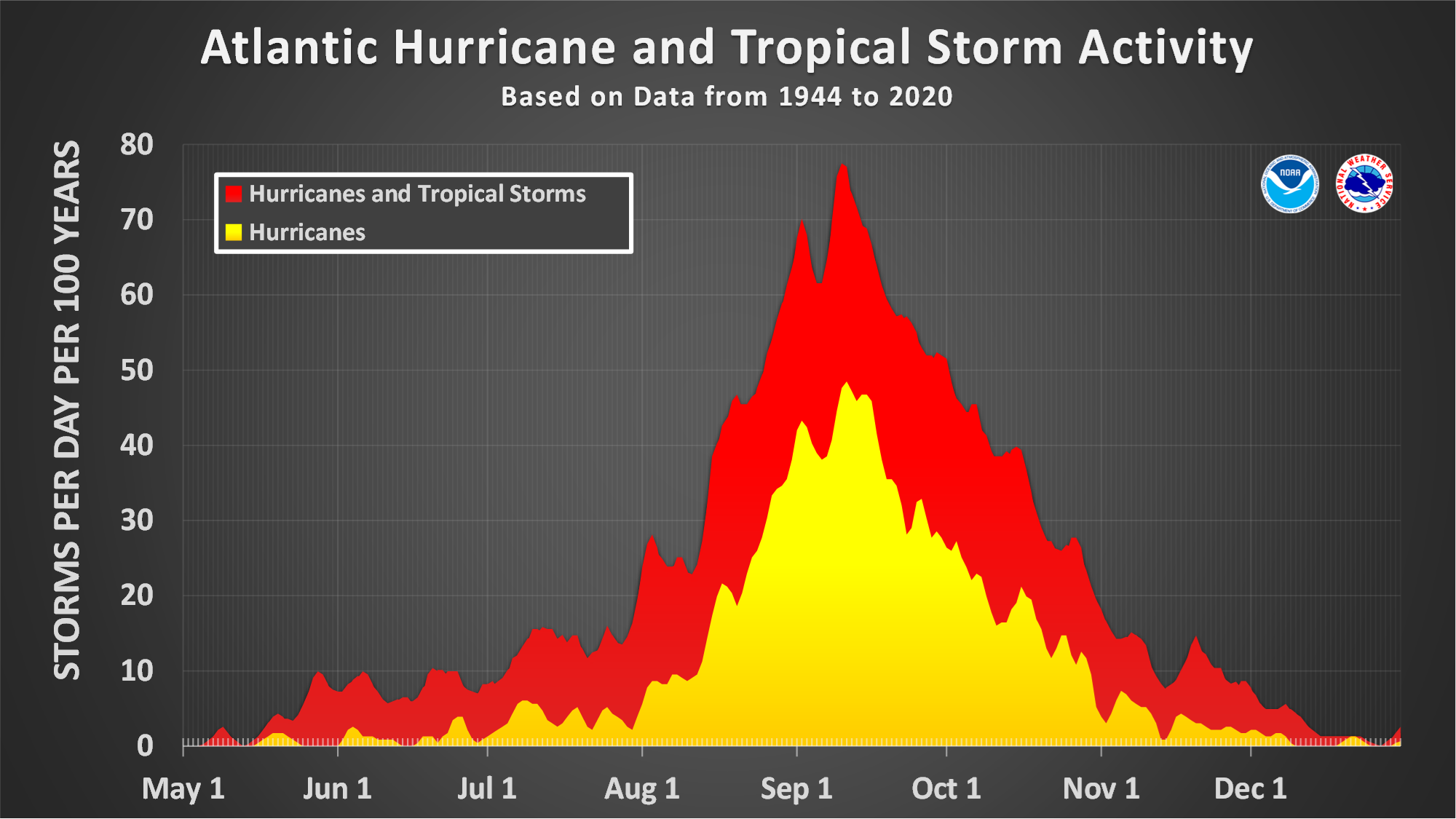
The Atlantic hurricane season officially begins on June 1st and concludes on November 30th each year. While these six months encompass the period when tropical cyclones are most likely to form and impact the region, the peak activity often occurs within a more concentrated timeframe.
The Official Dates: June 1st to November 30th
The National Hurricane Center (NHC) designates these dates to encompass the vast majority of tropical storm and hurricane development in the Atlantic Basin, which includes the waters off Florida’s coast. During this period, several atmospheric and oceanic conditions converge to create a favorable environment for storm formation:
- Warm Ocean Waters: Sea surface temperatures above 80°F (26.7°C) are a primary fuel source for tropical cyclones. The waters off the southeastern United States, particularly the Atlantic and Gulf of Mexico, often reach these temperatures during the summer and early fall months.
- Low Vertical Wind Shear: Winds that change speed or direction significantly with height can disrupt the formation and organization of a tropical storm. During hurricane season, wind shear tends to be lower, allowing nascent storms to develop vertically.
- Moist Air: Ample moisture in the atmosphere is essential for the development of thunderstorms, which are the building blocks of hurricanes.
- Pre-existing Weather Disturbances: Tropical waves, which are areas of low pressure that move westward across the tropics, often serve as the genesis for tropical storms.
The Peak of the Season
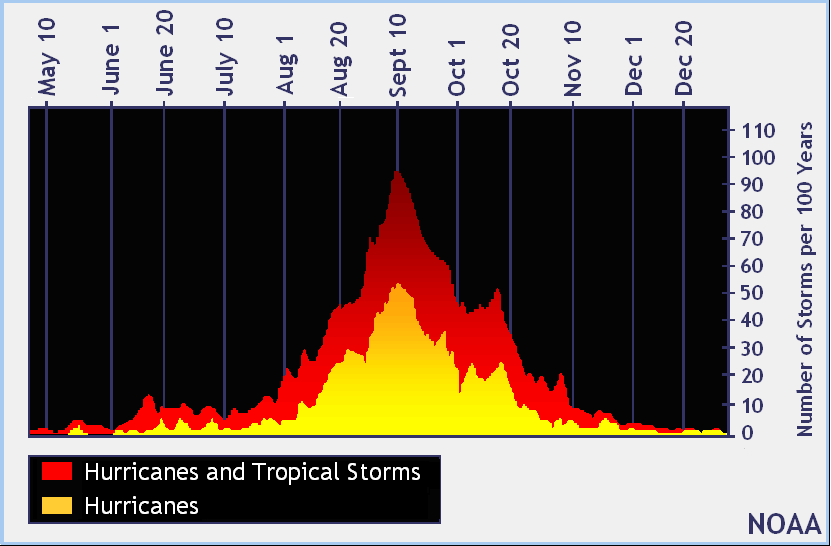
While the entire six-month period warrants vigilance, the most active phase of hurricane season typically runs from mid-August through mid-October. This “peak” period is characterized by the highest likelihood of storm formation and intensification. Historically, many of the most significant hurricanes to impact Florida have occurred during these months.
- August: As the ocean waters continue to warm, storm activity begins to pick up. By late August, the conditions are often ripe for significant development.
- September: This month is historically the most active for hurricanes in the Atlantic. The confluence of warm waters, favorable atmospheric conditions, and the potential for tracking systems to move towards the U.S. coastline makes September a critical month.
- October: While activity generally begins to wane in October, powerful storms can still form and impact Florida. Cooler ocean temperatures and increasing wind shear begin to suppress storm development towards the end of the month.
It is important to remember that hurricanes can and have occurred outside of these official dates, though such events are rare.
Factors Influencing Florida Hurricanes
The formation and track of hurricanes are complex phenomena influenced by a myriad of atmospheric and oceanic factors. Understanding these variables can provide a broader perspective on hurricane season preparedness.
The Role of Ocean Temperatures
As previously mentioned, sea surface temperatures are a critical ingredient. Warmer waters provide more energy, leading to more intense storms. El Niño and La Niña phenomena, which are variations in sea surface temperatures across the equatorial Pacific Ocean, can also indirectly influence Atlantic hurricane activity.
- El Niño: Typically, El Niño years are associated with increased wind shear in the Atlantic, which tends to suppress hurricane development and lead to a less active season.
- La Niña: Conversely, La Niña years often bring lower wind shear, fostering a more active hurricane season.
Atmospheric Patterns and Steering Currents
The path a hurricane takes is largely determined by the prevailing atmospheric steering currents. These currents are like invisible rivers in the atmosphere that guide storm systems.
- High-Pressure Systems: Large areas of high pressure can block or redirect hurricanes. For instance, a strong high-pressure ridge over the Atlantic might steer a storm westward towards Florida.
- Low-Pressure Systems: Troughs of low pressure can also influence a hurricane’s path, often drawing storms northward or northeastward.
Meteorologists closely monitor these patterns throughout hurricane season to forecast potential storm tracks.
The Impact of Climate Change

There is growing scientific consensus that climate change may be influencing hurricane intensity. Warmer ocean temperatures can provide more energy for storms, potentially leading to stronger hurricanes with higher rainfall rates. While the impact on the frequency of hurricanes is still a subject of ongoing research, the potential for increased intensity is a significant concern for coastal communities.
Preparing for Hurricane Season in Florida
Whether you are a resident or a visitor, preparedness is key to mitigating the risks associated with hurricane season. This involves proactive planning and staying informed.
For Travelers
If you are planning a trip to Florida during hurricane season, particularly during the peak months, a degree of flexibility and awareness is essential.
- Monitor Forecasts: Stay updated on weather forecasts from reliable sources such as the National Hurricane Center and local news outlets.
- Purchase Travel Insurance: Consider travel insurance that covers weather-related cancellations or interruptions. This can help recoup non-refundable costs if your trip is significantly impacted.
- Understand Hotel Policies: Familiarize yourself with the cancellation and rebooking policies of your accommodation. Many hotels in storm-prone areas have hurricane guarantees.
- Pack Smart: Include essentials like a portable phone charger, flashlight, and any necessary medications.
- Have a Plan B: Be prepared for the possibility of flight delays or cancellations and have alternative travel arrangements in mind.
- Respect Evacuation Orders: If an evacuation order is issued for your location, heed it immediately. Your safety is paramount.
For Residents
Florida residents should have a comprehensive hurricane preparedness plan in place well before any storm threatens.
- Develop a Household Plan: This plan should include evacuation routes, communication strategies with family members, and designated meeting points.
- Build a Disaster Kit: Stock your kit with at least three days’ worth of non-perishable food, water, medications, first-aid supplies, a flashlight, batteries, a battery-powered or hand-crank radio, and sanitation items.
- Secure Your Home: Reinforce windows and doors with hurricane shutters or plywood. Trim trees and shrubs that could pose a hazard.
- Understand Your Evacuation Zone: Know if you live in an evacuation zone and what your designated evacuation route would be.
- Stay Informed: Sign up for local emergency alerts and monitor official advisories.
- Insurance Review: Ensure your homeowner’s or renter’s insurance policy adequately covers hurricane damage, including wind and flood damage.
Florida’s Tourist Destinations and Hurricane Season
Florida’s world-renowned attractions, from the theme parks of Orlando to the beaches of the Florida Keys and the vibrant culture of Miami, are all subject to the potential impacts of hurricane season. While the state is well-equipped to handle the ebb and flow of these weather events, awareness and preparation are key for visitors.
Theme Park Preparedness
Major theme park destinations like Walt Disney World Resort and Universal Orlando Resort have robust contingency plans for hurricanes. They typically offer flexible cancellation policies and may even close attractions temporarily for guest safety. Visitors are advised to check park websites and local news for updates on operational status during significant weather events. The parks often have advanced infrastructure designed to withstand severe weather, but safety remains the top priority.
Coastal Attractions and Activities
Beaches, boating excursions, and other coastal activities in popular areas such as the Gulf Coast and the Atlantic Coast may be affected by rough seas, strong winds, and heavy rainfall. Many tour operators and water sports providers will suspend services if conditions become unsafe. Visitors planning beach vacations or water-based adventures should be prepared for potential disruptions and always heed local advisories regarding water safety.
South Florida’s Vulnerability
Regions like South Florida, including cities like Fort Lauderdale and Palm Beach, are particularly susceptible to hurricane impacts due to their low elevation and extensive coastline. While these areas boast vibrant tourism sectors with luxury resorts and cultural attractions, residents and visitors must remain vigilant during hurricane season. Emergency management agencies in these counties provide detailed information on evacuation zones and preparedness.
The Panhandle’s Experience
Florida’s Panhandle, with destinations like Destin and Panama City Beach, has experienced some of the most devastating hurricane impacts in recent history. The geography of the Panhandle, facing the northern Gulf of Mexico, can make it a direct target for storms. Visitors and residents in this region should be particularly mindful of storm surge potential and heed all evacuation warnings.
Conclusion: Navigating Florida with Preparedness
Florida’s hurricane season is an annual reality that shapes travel plans and daily life. By understanding the timeline, the influencing factors, and the importance of preparedness, both visitors and residents can navigate this period with greater confidence and safety. Staying informed through official channels, developing personal and household plans, and being flexible with travel arrangements are the cornerstones of a secure experience in the Sunshine State. While the possibility of a hurricane exists, responsible planning ensures that the allure of Florida remains accessible and enjoyable, even during its most formidable weather season.
LifeOutOfTheBox is a participant in the Amazon Services LLC Associates Program, an affiliate advertising program designed to provide a means for sites to earn advertising fees by advertising and linking to Amazon.com. Amazon, the Amazon logo, AmazonSupply, and the AmazonSupply logo are trademarks of Amazon.com, Inc. or its affiliates. As an Amazon Associate we earn affiliate commissions from qualifying purchases.