
For many embracing a sustainable lifestyle in the Sunshine State, the idea of collecting rainwater often sparks curiosity, frequently accompanied by concerns about legality. In a region known for both abundant rainfall and stringent water management, understanding the regulations around rainwater harvesting is crucial for homeowners and eco-conscious residents. Far from being illegal, rainwater collection in Florida is not only permissible but actively encouraged under specific guidelines, aligning perfectly with a lifestyle focused on self-sufficiency and environmental stewardship.
The Legal Landscape of Rainwater Harvesting in Florida
The notion that collecting rainwater is illegal stems from historical myths and varied regulations across different states. In Florida, the legal framework is clear and generally supportive of rainwater harvesting, recognizing its potential benefits for water conservation.

Historical Context and Evolving Regulations
Historically, some states had regulations that were misinterpreted as banning rainwater collection, often linked to complex water rights laws designed to manage surface and ground water resources. These laws were primarily concerned with riparian rights and the rights to divert water from natural bodies, not the capture of precipitation on private property. Florida’s approach has evolved, acknowledging the ecological and economic advantages of utilizing this natural resource. The state has proactively developed policies that facilitate, rather than hinder, responsible rainwater harvesting.
Key Statutes and Local Ordinances
The pivotal legislation that clarifies and supports rainwater harvesting in Florida is found within the state’s statutes regarding homeowner associations (HOAs) and local government comprehensive plans.
- Florida Statute 163.04: This crucial statute prohibits HOAs from disallowing property owners from installing drought-tolerant landscaping or a rain barrel or other rainwater harvesting system. This means that if you live in a community governed by an HOA, they cannot prevent you from installing a system, although they may have reasonable guidelines regarding its placement, aesthetics, and maintenance to ensure it doesn’t negatively impact the community’s appearance or safety.
- Local Comprehensive Plans: Many local governments across Florida incorporate elements of water conservation and sustainable development into their comprehensive plans. These plans often endorse or even recommend rainwater harvesting as a strategy to reduce demand on potable water supplies, manage stormwater runoff, and promote green infrastructure. Specific local ordinances might detail permitting requirements for larger systems, particularly those integrated into a building’s plumbing or used for irrigation of significant areas.
- Florida Building Code: While the state promotes rainwater harvesting, any system, especially those connected to the indoor plumbing of a home, must adhere to the Florida Building Code. This ensures that systems are safely installed, prevent contamination of potable water supplies, and meet structural integrity requirements. For example, systems intended for non-potable uses like irrigation or toilet flushing must have appropriate backflow prevention devices and clear signage indicating the water is not for drinking.
Understanding these statutes and potential local requirements is the first step for anyone looking to integrate rainwater harvesting into their Florida lifestyle. It’s always advisable to check with your local municipality and HOA (if applicable) for any specific guidelines.
The Lifestyle Benefits of Rainwater Collection
Beyond legal permissibility, adopting rainwater harvesting offers a wealth of benefits that resonate deeply with a sustainable and self-sufficient lifestyle, particularly in Florida’s unique climate.
Water Conservation and Environmental Impact
Florida faces significant challenges with water management due to its growing population and delicate ecosystems, including the Everglades and numerous springs. Rainwater harvesting directly contributes to water conservation by reducing the demand on municipal water supplies and groundwater sources.
- Reduced Demand on Potable Water: Using collected rainwater for irrigation, car washing, or toilet flushing means less reliance on treated drinking water, preserving this precious resource for essential human consumption.
- Stormwater Management: In a state prone to heavy rainfall and hurricanes, rainwater collection helps mitigate stormwater runoff. This reduces the burden on municipal drainage systems, prevents localized flooding, and minimizes the transport of pollutants from urban landscapes into natural waterways, protecting Florida’s fragile aquatic environments.
- Reduced Energy Consumption: Less demand on municipal water treatment plants also translates to reduced energy consumption associated with pumping, treating, and distributing potable water.
Economic Advantages for Florida Residents
Implementing a rainwater harvesting system can lead to tangible economic benefits for homeowners committed to a conscious lifestyle.
- Lower Water Bills: By supplementing your outdoor or even indoor non-potable water needs with free rainwater, you can significantly reduce your monthly utility bills. This saving can be substantial, especially during dry spells when irrigation demands are high.
- Potential for Rebates and Incentives: Some local governments or water management districts (such as the South Florida Water Management District, St. Johns River Water Management District, Southwest Florida Water Management District, Suwannee River Water Management District, and Northwest Florida Water Management District) may offer rebates or incentives for installing rain barrels or larger harvesting systems, further offsetting the initial investment.
- Increased Property Value: For buyers interested in sustainable living, a well-designed and maintained rainwater harvesting system can be an attractive feature, potentially increasing your property’s marketability and value.
Enhancing Self-Sufficiency and Property Value
Embracing rainwater harvesting is a powerful step towards greater self-sufficiency. It provides a reliable, independent water source for various uses, reducing dependence on external utilities. This resilience is particularly valuable in a state that experiences occasional droughts or power outages, ensuring a reserve of water for essential functions like gardening or even emergency flushing. It represents a proactive choice to manage resources on one’s own terms, a core tenet of many sustainable lifestyles.
Practical Considerations for Florida Homeowners
For those in Florida ready to integrate rainwater harvesting into their lifestyle, several practical aspects need careful consideration.
System Design and Installation
The type and scale of your rainwater harvesting system will depend on your specific needs, property size, and budget.
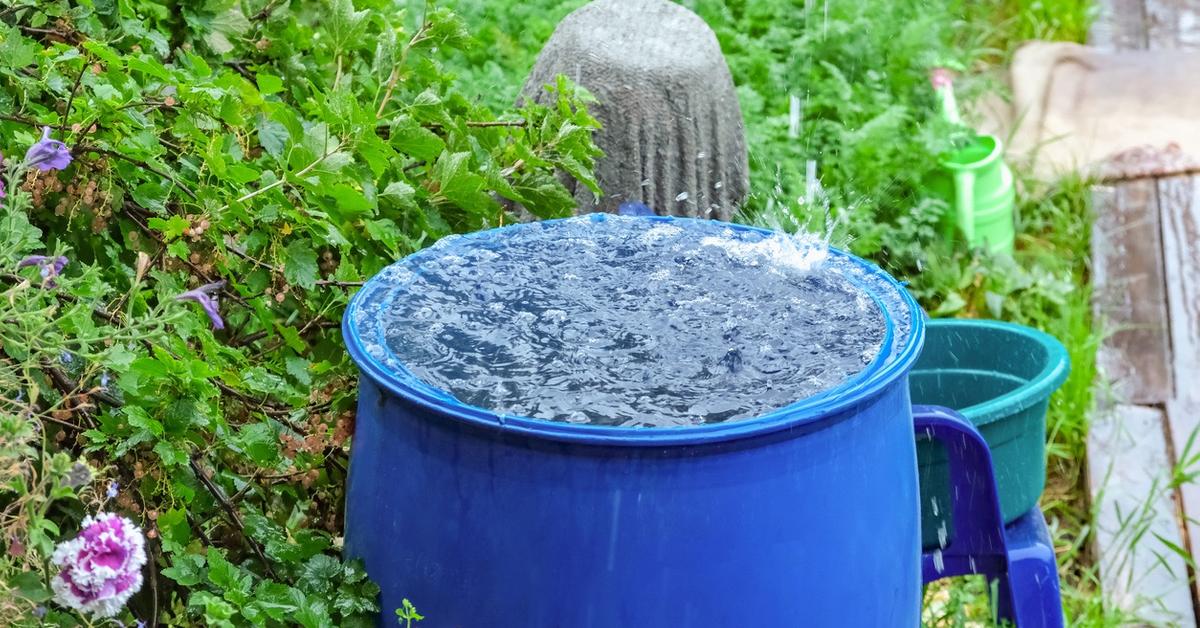
- Rain Barrels: These are the simplest and most common entry point for residential harvesting. A typical rain barrel holds 50-80 gallons and connects directly to a downspout, ideal for small-scale irrigation.
- Cisterns: For larger water demands, cisterns offer significantly greater storage capacity (hundreds to thousands of gallons) and can be above-ground or underground. These often require more complex installation, including pumps and filtration systems, especially if connecting to indoor plumbing.
- First-Flush Diverters: Essential in Florida to ensure water quality. These devices divert the initial flow of rainwater, which often contains debris, leaves, and pollutants accumulated on the roof, before the cleaner water is sent to the storage container.
- Roof Material: While most roof types are suitable, avoid roofs treated with certain chemicals (e.g., some asphalt shingles with algaecides containing copper or zinc) if the water is intended for edible gardens. Metal roofs are generally excellent for rainwater collection.
Permitting and Safety Guidelines
While rain barrels typically don’t require permits, larger, integrated systems might. Always consult your local building department, especially if your system involves pumps, connections to existing plumbing, or significant structural changes. Adherence to the Florida Building Code is paramount to prevent cross-contamination with potable water, ensure proper venting, and maintain structural integrity. Safety is also key; ensure barrels and cisterns are securely installed to prevent tipping, especially during strong winds, and that openings are screened to prevent mosquito breeding.
Maintenance and Water Quality
Regular maintenance is crucial for the longevity and effectiveness of any rainwater harvesting system.
- Cleaning: Periodically clean gutters and downspouts to remove leaves, debris, and sediment. Inspect and clean screens on rain barrels or cisterns to prevent blockages.
- Pest Control: Ensure all openings are properly screened to keep out insects, especially mosquitoes, which can breed in standing water.
- Water Usage: For non-potable uses, collected rainwater is generally safe. However, it’s not advised for drinking, cooking, or personal hygiene unless it undergoes rigorous filtration and purification suitable for potable use, which is complex and costly for residential systems.
- Storage: Store collected water in opaque containers to prevent algae growth.
Debunking Myths and Understanding Nuances
The question of legality often arises from a place of misinformation. Clarifying these points is vital for anyone considering rainwater harvesting.
Common Misconceptions
The most pervasive myth is that collecting rainwater is illegal. As established, in Florida, it is not, and is often encouraged. Another misconception is that the water is inherently unsafe for all uses. While it’s not typically potable without treatment, it is perfectly safe and beneficial for many non-potable applications. Concerns about attracting mosquitoes are valid but easily addressed with proper screening and maintenance.
Differentiating Greywater from Rainwater
It’s important to distinguish between rainwater harvesting and greywater recycling.
- Rainwater is precipitation collected directly from a roof or other surfaces.
- Greywater is wastewater from sinks, showers, bathtubs, and washing machines (excluding toilet water), which also has distinct legal frameworks and practical considerations for reuse. Florida has specific regulations governing greywater systems, which are separate from rainwater harvesting guidelines.
Embracing Sustainable Living in the Sunshine State
Rainwater harvesting is more than just a practical utility; it’s a testament to a lifestyle choice that prioritizes environmental responsibility, resourcefulness, and self-sufficiency. In Florida, with its unique hydrological cycle and environmental pressures, embracing rainwater collection is a powerful way for residents to make a tangible difference.
Rainwater Harvesting as Part of a Broader Eco-Conscious Lifestyle
For those who choose an eco-conscious lifestyle, rainwater harvesting integrates seamlessly with other sustainable practices like xeriscaping, composting, and energy efficiency. It represents a holistic approach to managing one’s property and consumption, contributing to a greener Florida for future generations. It’s an active participation in local water conservation efforts, fostering a deeper connection to the environment.

Resources and Support for Florida Residents
Numerous resources are available for Florida residents interested in rainwater harvesting. Local extension offices, water management districts (e.g., South Florida Water Management District, St. Johns River Water Management District), and the Florida Department of Environmental Protection offer educational materials, workshops, and sometimes even rebate programs. Engaging with these resources can provide invaluable guidance, ensuring your rainwater harvesting journey is both effective and fully compliant with state and local regulations. By making informed choices, Florida residents can confidently and legally embrace this beneficial practice.
LifeOutOfTheBox is a participant in the Amazon Services LLC Associates Program, an affiliate advertising program designed to provide a means for sites to earn advertising fees by advertising and linking to Amazon.com. Amazon, the Amazon logo, AmazonSupply, and the AmazonSupply logo are trademarks of Amazon.com, Inc. or its affiliates. As an Amazon Associate we earn affiliate commissions from qualifying purchases.