
A drive along the scenic coastlines or through the bustling cities of California is an iconic experience, whether you’re a long-time resident or a first-time tourist exploring the Golden State. With its warm climate and myriad beach destinations, it’s not uncommon for drivers, particularly after a day at the beach, to wonder about the legality of slipping off their shoes and driving barefoot. This seemingly simple question often sparks debate and misinformation, leading many to assume it’s against the law. However, as with many aspects of traffic law, the reality is more nuanced than a simple yes or no. Understanding the truth behind this common query is essential for any driver in California who prioritizes both comfort and adherence to regulations.
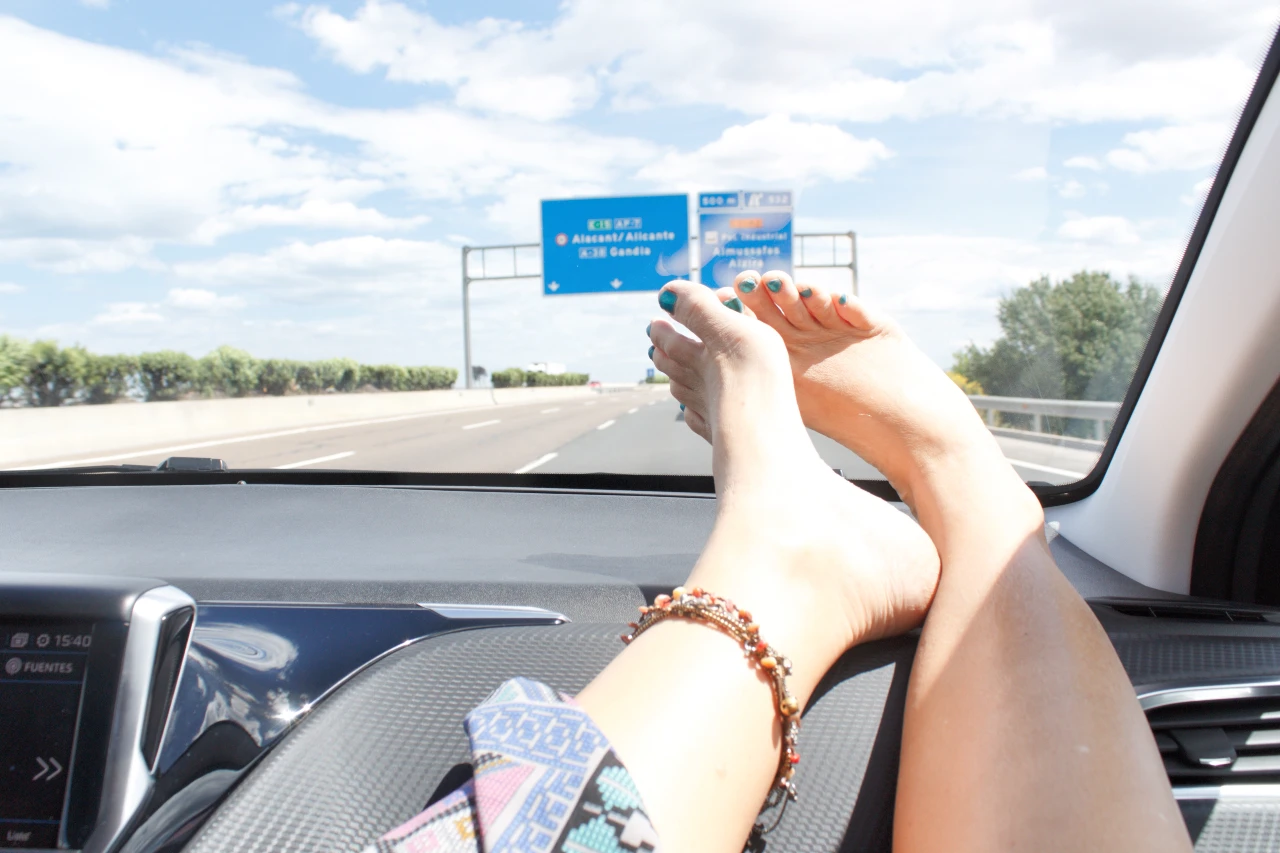
For those planning to explore California’s diverse landscapes, from the vibrant streets of Los Angeles to the serene vineyards of Napa Valley, knowing the local driving “tips” can significantly enhance your experience. This article delves into the specifics of California law, dispelling myths and providing practical insights into driving barefoot, ensuring you’re well-informed for your journey.
The California Vehicle Code: What It Says (and Doesn’t Say)
When it comes to driving regulations, the California Vehicle Code is the ultimate authority. It outlines everything from speed limits and parking rules to driver licensing and vehicle registration. Many drivers assume that a state as regulated as California would have a specific statute prohibiting barefoot driving. However, a closer look reveals a different story.
No Specific Prohibition
Contrary to popular belief, the California Vehicle Code does not contain any specific statute or section that explicitly prohibits a person from driving a motor vehicle barefoot. This means that, from a strictly legal standpoint, driving without shoes on in California is not illegal per se. You won’t find a line item that says, “Thou shalt not drive barefoot.” This often surprises people who have grown up hearing otherwise, perhaps influenced by urban legends or rules from other states or countries.
The absence of a specific law implies that drivers are free to choose their footwear, or lack thereof, without fear of a direct citation for the act of being barefoot. This is a crucial distinction that clarifies much of the confusion surrounding the topic. If a law enforcement officer were to pull you over solely for driving barefoot, they would not have a specific vehicle code section to cite.
General Safety & Reckless Driving Statutes
While there’s no direct prohibition, it’s vital to understand the broader context of driving laws. The California Vehicle Code does have provisions designed to ensure general road safety and prevent reckless or unsafe driving. These statutes are much broader and focus on a driver’s ability to maintain control of their vehicle and operate it safely.
For example, sections relating to reckless driving (CVC 23103) or driving with willful or wanton disregard for the safety of persons or property can come into play. If, for any reason, driving barefoot demonstrably impairs your ability to control the vehicle, affects your reaction time, or contributes to an accident, then you could potentially be cited under these more general safety statutes. The key here is causation: it’s not the act of being barefoot that’s illegal, but rather if that act leads to unsafe driving or an incident.
An officer might argue that driving barefoot hindered your ability to brake effectively in an emergency, or that your foot slipped off a pedal, leading to an unsafe situation. In such scenarios, the lack of footwear could be presented as a contributing factor to unsafe driving, even if not the primary offense. This is where the legal gray area exists and where practical considerations become paramount. The law prioritizes a driver’s constant ability to operate their vehicle safely and competently, regardless of their footwear choice.
Dispelling Common Myths and Misconceptions
The belief that driving barefoot is illegal is widespread, not just in California but across various parts of the United States. Understanding the origins of this myth can help clarify why it persists and why it’s often mistakenly assumed to be a universal rule.
The Myth’s Origins
The myth likely stems from a combination of factors. One common theory is that it originated from recommendations, rather than laws, issued by driving schools or vehicle manufacturers. Driving instructors often advise against driving in certain types of footwear (like flip-flops or high heels) that can interfere with pedal operation, get caught, or reduce tactile feedback. It’s possible that this advice was then extended, mistakenly, to bare feet, perhaps as a generalization to discourage anything that isn’t a sturdy, secure shoe.
Another source could be generalized safety concerns. The idea that bare feet might slip on pedals, lack the necessary leverage for emergency braking, or simply be less protected in an accident could have led to a widespread informal discouragement that slowly morphed into a perceived legal prohibition. Additionally, some states do have specific laws or administrative rules regarding footwear while driving, which could contribute to the misconception spreading across state lines. However, this is not the case for California.
The “Comfort vs. Control” Debate
The debate over driving barefoot often boils down to a conflict between comfort and perceived control. Many drivers find going barefoot more comfortable, especially in hot weather or after activities like swimming at the beach. They might argue that driving barefoot offers a better feel for the pedals, allowing for more precise control and immediate feedback, similar to how race car drivers sometimes prefer very thin-soled shoes or even race barefoot to maximize pedal feel.
Conversely, opponents of barefoot driving emphasize the safety aspects. They argue that bare feet may lack the necessary grip, especially if wet or sweaty, increasing the risk of slipping off the pedals. There’s also the concern about insufficient leverage for emergency braking, where significant force is required. In the event of an accident, a bare foot is also much more vulnerable to injury from debris or the vehicle’s structure. This “comfort vs. control” dichotomy is at the heart of why some people advocate for it and others strongly advise against it, despite its legality.
Practical Considerations for Barefoot Driving in California
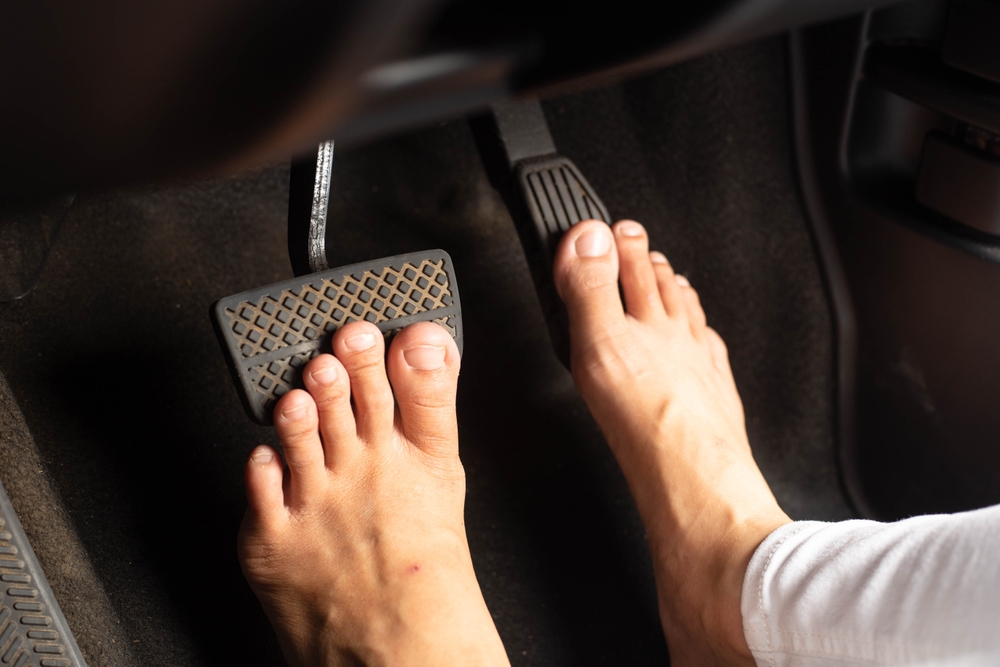
While legal, the decision to drive barefoot in California should not be taken lightly. Beyond the letter of the law, there are significant practical implications that every driver should consider. These considerations often lean towards discouraging the practice for safety and liability reasons.
Safety Implications
The primary concern with driving barefoot is safety. Even if you feel more “connected” to the pedals, several hazards can arise:
- Slipping: Sweaty feet or a damp pedal from a spilled drink can significantly reduce friction, increasing the risk of your foot slipping off the brake or accelerator at a critical moment.
- Reduced Leverage: In an emergency braking situation, you might need to apply considerable force to the brake pedal. Bare feet may not provide the same leverage or comfort as a properly shod foot, potentially leading to delayed or less effective braking.
- Foot Injury: In the event of an accident, your feet are completely exposed. Glass, sharp metal, or even the force of impact against the pedals can cause severe foot injuries that could be mitigated by even minimal footwear.
- Pedal Interference: While less common, the bare foot might get caught on parts of the pedal or shift oddly, momentarily hindering your ability to operate the controls smoothly. Additionally, prolonged pressure on a hot or cold pedal surface can be uncomfortable and distracting.
Insurance and Liability
This is perhaps one of the most critical, yet often overlooked, aspects of driving barefoot. Even though driving barefoot is legal, it could potentially complicate matters if you are involved in an accident. An insurance company or an opposing counsel in a personal injury lawsuit might try to argue that driving barefoot constituted negligence or contributed to your inability to control the vehicle, thereby increasing your liability.
While the absence of a specific law makes it harder to prove outright illegality, they could still contend that your choice of footwear (or lack thereof) was an unsafe practice that impaired your driving, especially if there’s any evidence that your foot slipped or you couldn’t brake effectively. This could potentially affect the outcome of your insurance claim or legal defense. It introduces an avoidable variable that could be used against you, regardless of the explicit legality.
Vehicle Type and Ergonomics
Different vehicles have varying pedal designs and ergonomics. Some cars, particularly older models with heavy clutches or widely spaced pedals, might be more challenging to operate barefoot. The material of the pedals (rubber, plastic, metal) and their temperature can also affect comfort and grip. A modern car with well-designed pedals might feel fine barefoot, but a truck with a stiff clutch and industrial-style pedals could be a different story. Drivers should consider their specific vehicle and its controls before deciding to drive without shoes.
Best Practices for Drivers in California (Regardless of Footwear)
Navigating the roads of California safely and legally extends beyond just footwear. Whether you choose to drive with shoes or barefoot, the overarching principle is driver responsibility and maintaining absolute control of your vehicle.
Focus on Driver Control and Alertness
The paramount duty of any driver in California is to operate their vehicle safely and maintain full control at all times. This means being alert, attentive, and free from any impairments. Factors like distracted driving (e.g., cell phone use), driving under the influence of alcohol or drugs, excessive fatigue, or aggressive driving are far greater threats to road safety than the presence or absence of shoes. Prioritizing focus and alertness is the most effective way to ensure a safe journey, regardless of your chosen footwear. Your ability to react quickly and appropriately to changing road conditions is always the most important factor.
Choosing Appropriate Footwear
To minimize any potential risks and avoid questions of liability, most driving safety experts recommend wearing appropriate footwear. “Appropriate” generally means shoes that:
- Have a secure fit and won’t slip off your feet.
- Provide good grip on the pedals.
- Have a thin-to-moderate sole that allows for good tactile feedback.
- Do not have thick soles or heels that could get caught under or between pedals.
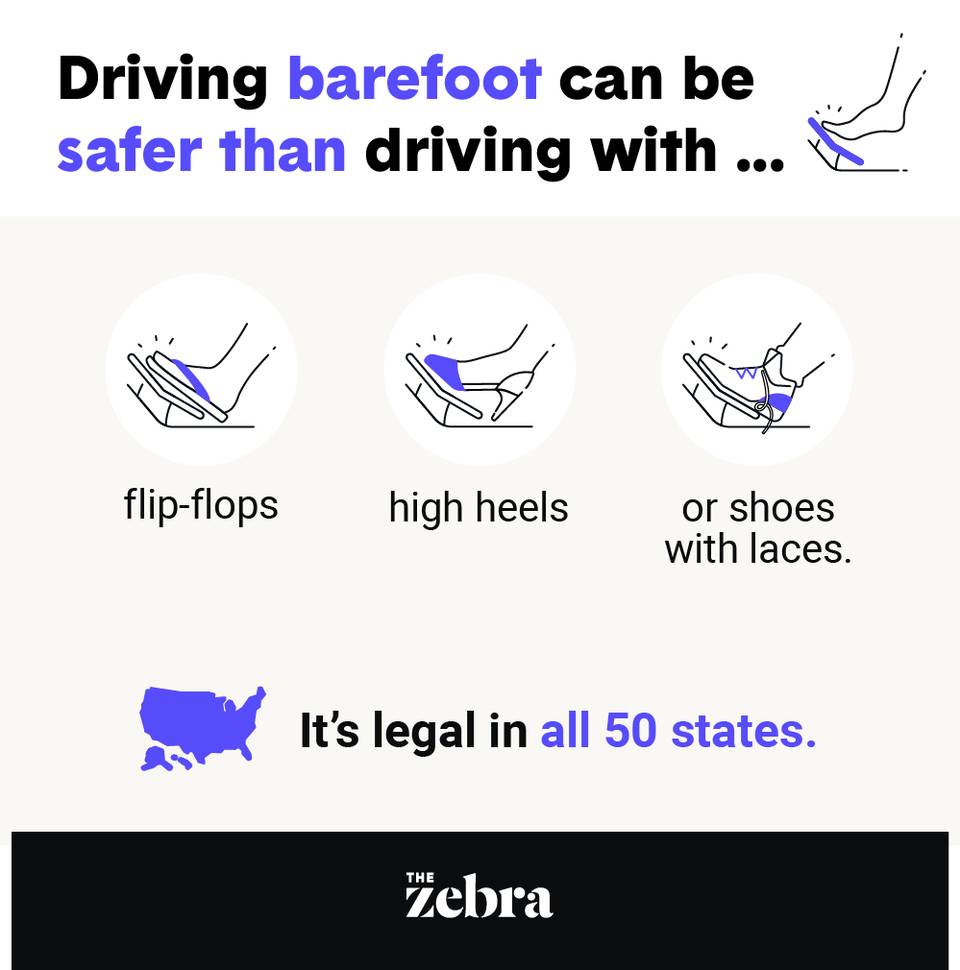
Examples of suitable footwear include athletic shoes, loafers, or driving shoes. It’s advisable to avoid flip-flops, high heels, heavy boots, or any footwear that could impede your ability to operate the pedals smoothly and safely. For ultimate peace of mind, many drivers simply keep a dedicated pair of comfortable, secure driving shoes in their vehicle.
General Driving Tips for California
For tourists and residents alike, understanding and adhering to general driving tips in California is crucial for a smooth and enjoyable experience:
- Adhere to Speed Limits: California has varied speed limits, often well-posted. Pay attention, especially in residential areas and on highways.
- Defensive Driving: Always be aware of your surroundings and anticipate the actions of other drivers. California roads can be busy, especially during rush hour in major metropolitan areas like San Francisco or San Diego.
- Lane Splitting: Be aware that motorcycle lane splitting is legal in California, meaning motorcyclists can drive between lanes of stopped or slow-moving traffic.
- Seatbelt Law: Seatbelts are mandatory for all occupants of a vehicle.
- Hands-Free Devices: Use hands-free devices for mobile phones while driving; holding a phone while driving is illegal.
- Carpool Lanes: Understand carpool lane rules (HOV lanes) to avoid fines.
In conclusion, while driving barefoot in California is not explicitly illegal under the vehicle code, it is a practice laden with practical considerations and potential safety risks. The law primarily concerns itself with a driver’s ability to maintain control and operate their vehicle safely. Opting for appropriate footwear eliminates unnecessary risks and potential legal complications, allowing you to focus on enjoying the scenic beauty and diverse attractions that California has to offer. When exploring a new destination, understanding local nuances and prioritizing safety are always the best tips for a memorable journey.
LifeOutOfTheBox is a participant in the Amazon Services LLC Associates Program, an affiliate advertising program designed to provide a means for sites to earn advertising fees by advertising and linking to Amazon.com. Amazon, the Amazon logo, AmazonSupply, and the AmazonSupply logo are trademarks of Amazon.com, Inc. or its affiliates. As an Amazon Associate we earn affiliate commissions from qualifying purchases.