
The shimmering sun, the endless beaches, and the vibrant atmosphere of Florida often inspire a relaxed, carefree attitude. It’s a place where flip-flops are practically formal wear, and the urge to kick off your shoes after a day on the sand is almost irresistible. This laid-back vibe naturally leads many visitors and residents alike to wonder: is it illegal to drive barefoot in Florida?
It’s a common question, and one that’s often met with conflicting answers and long-standing urban legends. The short, definitive answer is: No, it is not illegal to drive barefoot in Florida. There is no specific state law in Florida, nor in the vast majority of the United States, that explicitly prohibits driving without shoes. This often comes as a surprise to many, especially given how frequently this myth is perpetuated.
However, while not illegal, the conversation doesn’t end there. Understanding the nuances, potential risks, and practical considerations behind this common query is essential for any traveler navigating the Sunshine State’s roads, whether you’re heading to the theme parks of Orlando or the pristine shores of Key West.
The Legal Landscape: Is Barefoot Driving Really Against the Law?
The myth of barefoot driving being illegal is deeply ingrained in popular culture. It’s a tale told to new drivers, a snippet heard in passing, and often accepted as fact without verification. But when you delve into the actual statutes, the picture becomes much clearer.
Dispelling the Myth: What the Law Actually Says
The Florida Department of Highway Safety and Motor Vehicles (FLHSMV) clearly outlines the state’s traffic laws. A thorough review of these regulations reveals no mention of footwear requirements for drivers. This means that, from a purely legal standpoint, you are just as lawfully permitted to operate a vehicle with bare feet as you are with sneakers, boots, or sandals. The focus of traffic laws is primarily on safe vehicle operation, driver sobriety, licensing, and vehicle maintenance, not on what attire a driver chooses to wear – or not wear – on their feet.
The lack of specific legislation is largely due to the difficulty in proving that being barefoot directly causes an accident. While some may argue it reduces control, there’s no widespread data to support this as a primary cause of collisions. Law enforcement officers, therefore, don’t have a specific statute to cite if they pull someone over purely for driving barefoot.
Why the Misconception Persists
So, if it’s not illegal, why does this myth persist so strongly? Several factors contribute to its longevity:
- Misinterpretation of “Driver Safety” Clauses: While no law bans barefoot driving, some general traffic safety laws might be loosely interpreted by individuals. For instance, if driving barefoot demonstrably led to erratic driving or an accident, a driver could be cited for careless driving, but this would be due to their actions, not their lack of shoes.
- Company Policies: Some trucking companies or commercial vehicle operators do have internal policies prohibiting barefoot driving for their employees. This is often for liability and occupational safety reasons, not because of a state law.
- Parental Warnings: Many of us grew up with parents or driving instructors warning against it, often citing safety concerns. These well-intentioned warnings, over time, can morph into perceived legal restrictions.
- The “Slippery Pedal” Argument: The idea that bare feet might slip off pedals, particularly if wet or sweaty, is a common argument. While this is a valid safety concern, it’s not enshrined in law.
- Regional Differences (or lack thereof): The myth is widespread across the United States, suggesting a general societal apprehension rather than specific local legislation.
It’s important to differentiate between what is legally prohibited and what is generally considered advisable for safety.
Safety First: Understanding the Risks of Barefoot Driving
Just because something isn’t illegal doesn’t automatically make it a good idea. When it comes to driving, safety should always be the paramount concern. While driving barefoot in Florida is legally permissible, there are several compelling safety reasons why it might not be the best practice, particularly in unexpected or emergency situations.
The Mechanics of Driving Without Shoes
Consider the physical act of driving:
- Pedal Feel and Pressure: Shoes, especially those with sturdy soles, distribute pressure evenly across the foot when operating pedals. Bare feet, conversely, can feel the concentrated pressure points of the pedals, which might become uncomfortable or even painful over longer drives or during sustained braking.
- Grip and Stability: Shoes provide a consistent grip on pedals. While dry bare feet might have decent grip, sweat, moisture, or even a small amount of sand from a beach visit could significantly reduce traction, potentially causing a foot to slip off the brake or accelerator pedal.
- Emergency Braking: In a sudden emergency, quick and forceful application of the brake pedal is crucial. With bare feet, the immediate instinct might be to pull back due to the sudden pain or discomfort of pressing hard on a metal pedal, potentially delaying or weakening the braking effort.
- Foot Entrapment: Imagine your foot getting stuck between the pedals, or a stray object (like a water bottle) rolling under your foot while it’s bare. Shoes offer a layer of protection and can sometimes prevent such entrapment or make it easier to dislodge your foot.

Potential Hazards and Liabilities
Beyond the immediate mechanics, there are broader implications:
- Debris on the Floorboard: The floor of a car, especially after a few trips to Clearwater Beach or Siesta Key Beach, can accumulate small pebbles, sand, or other sharp debris. Stepping on these with bare feet could be painful and distracting, potentially leading to a loss of focus on the road.
- Hot Pedals/Floor: In the sweltering Florida heat, the interior of a car can become incredibly hot. Pedals and floor mats, particularly those exposed to direct sunlight, can reach temperatures uncomfortable or even painful for bare feet.
- Post-Accident Scrutiny: While driving barefoot is not illegal, if you were involved in an accident, your choice of footwear (or lack thereof) could become a point of contention. An opposing attorney or insurance adjuster might argue that driving barefoot contributed to the accident by impairing your ability to control the vehicle, even if the primary cause was something else. This could potentially affect liability determinations or insurance claims.
- Exiting the Vehicle: In the event of a roadside breakdown or accident, you might need to exit your vehicle quickly. Stepping onto broken glass, hot asphalt, or sharp debris with bare feet could lead to injury.
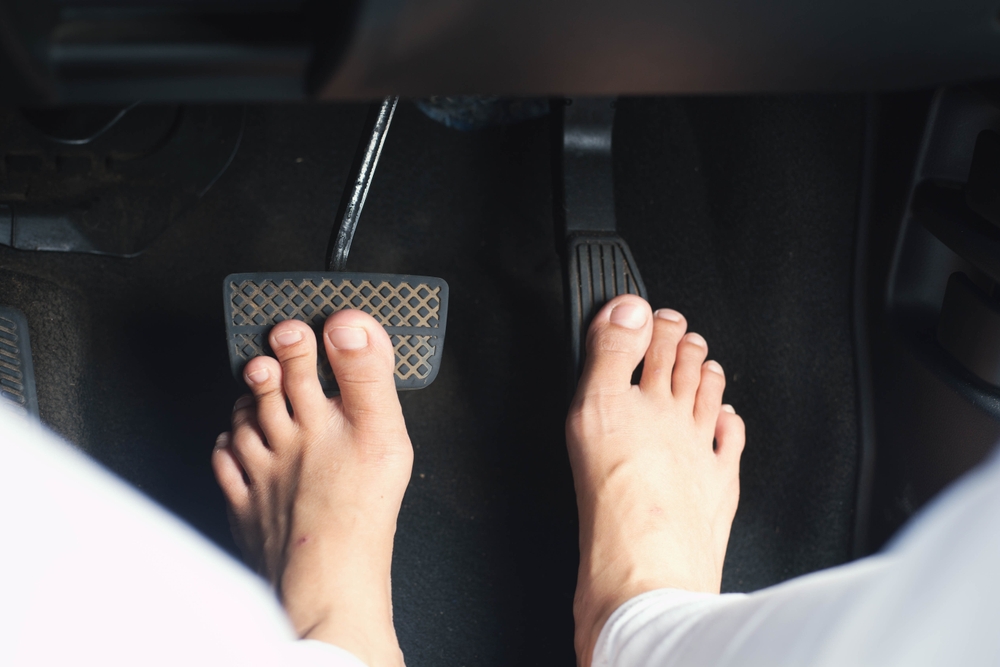
The Traffic Safety Administration and other safety organizations consistently recommend wearing appropriate footwear while driving to ensure maximum control and safety. While casual shoes are generally fine, flip-flops are often discouraged due to their tendency to slip off or get caught under pedals.
Footwear That Enhances Safety (and Comfort)
For optimal safety and comfort, especially on long Florida road trips, consider footwear that:
- Has a thin, firm sole: This allows for good pedal feel without being overly flexible or bulky.
- Provides good grip: Non-slip soles are ideal.
- Secures firmly to your foot: Laces or straps that hold the shoe in place prevent it from slipping off or bunching up under the pedals.
- Is comfortable: Especially important for extended periods behind the wheel.
Sneakers, driving moccasins, or sturdy sandals that strap securely to your feet are excellent choices. Many travelers even pack a dedicated pair of driving shoes to ensure comfort and safety on their journeys through destinations like Orlando, Miami, or Tampa.
Florida’s Allure: The Barefoot Lifestyle and Travel Considerations
Florida’s identity is inextricably linked to its stunning natural beauty, especially its beaches, and the laid-back culture they inspire. This is where the desire to drive barefoot often stems from.
Beach Culture and the Call of the Sand
The Atlantic Coast and Gulf Coast of Florida boast some of the world’s most acclaimed beaches, from South Beach in Miami to the sugary sands of Siesta Key Beach near Sarasota. After a refreshing swim, a stroll along the shore, or a relaxing sunbath, the last thing many people want to do is put on hot, sand-filled shoes. The convenience of simply hopping into your car and driving off barefoot is undeniably appealing.
This “barefoot lifestyle” extends beyond just beach visits. Many Florida communities, especially coastal towns like Key West or Anna Maria Island, embrace a casual, outdoor-oriented way of life where shoes are often optional until absolutely necessary. This cultural context helps explain why the barefoot driving question comes up so frequently in the Sunshine State.
Navigating Florida’s Diverse Attractions
Florida is a land of incredible diversity, offering everything from world-class theme parks to serene natural wonders. Whether you’re planning a family trip to Walt Disney World Resort or Universal Orlando Resort, exploring the historic streets of St. Augustine, or embarking on an eco-adventure in Everglades National Park, driving is often essential.
- Theme Park Hopping: After a long day of walking at Walt Disney World or Universal Studios, your feet might be tired and sore. The temptation to kick off your shoes for the drive back to your hotel or resort is strong.
- Beach Day Adventures: From Jacksonville to Naples and Fort Lauderdale, Florida offers endless coastal drives. Many visitors will drive from one beach town to another, and the habit of going shoeless might carry over into the car.
- Nature Exploration: After a swamp buggy tour at Gatorland or a hike in a state park, shoes might be muddy or wet, making barefoot driving seem like a convenient alternative.
For all these scenarios, having a clean, dry pair of driving-appropriate shoes readily available in the car is a smart move. It allows you to indulge in the barefoot fun at your destination while ensuring safety on the road.
Practical Tips for Florida Road Trips
When planning your Florida itinerary, consider these travel tips:
- Footwear Strategy: Pack a range of footwear. Casual sandals or flip-flops for the beach, comfortable walking shoes for theme parks, and a dedicated pair of secure driving shoes.
- Car Interior: Keep your car interior clean. Regular shakes of floor mats can prevent sand and debris from accumulating, making it more pleasant if you do decide to drive barefoot for a very short, non-eventful distance (though still not recommended).
- Climate Control: Utilize your car’s air conditioning to keep the interior and pedals cool, especially on hot days, to avoid discomfort if driving barefoot.
Beyond Barefoot: Essential Driving Tips for Florida Visitors
While the barefoot driving question is interesting, it’s just one small aspect of navigating the roads of Florida. For visitors, understanding general driving practices and local nuances is far more critical for a smooth and enjoyable trip.
Renting a Car and Insurance
Most visitors to Florida will rent a car, as public transportation outside of major metropolitan areas like Miami or Orlando can be limited.
- Booking in Advance: Especially during peak season (winter, spring break, summer holidays), book your rental car well in advance. Companies like Avis, Hertz, Enterprise, and Budget have extensive presences across the state, including at major airports.
- Insurance Coverage: Understand your rental car insurance options. Your personal car insurance may extend to rentals, or your credit card might offer coverage. Always confirm before purchasing additional insurance at the rental counter, but ensure you have adequate protection for liability and damage.
- GPS and Navigation: Florida’s road network is extensive. A reliable GPS (either built-in, a separate device, or a smartphone app like Google Maps or Waze) is indispensable for navigating complex intersections, finding attractions, and avoiding traffic hotspots.
Navigating Toll Roads and Traffic
Florida has a significant number of toll roads, especially around major cities and on routes connecting popular destinations.
- Cashless Tolls: Many toll roads in Florida are now completely cashless, relying on electronic transponders or “Toll-By-Plate” systems.
- Rental Car Options: Rental car companies offer various toll programs (e.g., SunPass, E-ZPass). While convenient, these often come with daily fees in addition to the tolls. Understand the pricing structure to avoid surprises. For infrequent toll use, “Toll-By-Plate” where a bill is mailed to the rental company (who then charges you) might be more cost-effective, but it can also incur administrative fees.
- Traffic Hotspots: Be prepared for traffic, particularly in and around Orlando, Miami, and Tampa, especially during rush hour or on weekends. Plan your travel times accordingly or use navigation apps that provide real-time traffic updates. Major highways like I-4, I-75, and I-95 can experience significant congestion.
- Speed Limits: Pay close attention to posted speed limits. Florida is known for strict enforcement, particularly in school zones and residential areas.
Staying Hydrated and Prepared
Florida’s climate demands certain precautions for drivers and passengers.
- Hydration: The heat and humidity can be intense, especially from May to October. Always keep water bottles in your car to stay hydrated, even for short drives.
- Sun Protection: Sunscreen isn’t just for the beach. Prolonged sun exposure through car windows can lead to sunburn. Sunglasses are also crucial to reduce glare, especially when driving towards the rising or setting sun.
- Emergency Kit: While hopefully never needed, a basic emergency kit with jumper cables, a flashlight, a first-aid kit, and roadside assistance information is always a good idea.
- Accommodation Planning: After a long day of driving and exploring, comfortable accommodation is key. Whether you prefer a luxury resort near Walt Disney World Resort or a cozy villa on the Treasure Coast, booking in advance, especially during peak travel seasons, ensures you have a place to relax and recharge. Websites often offer guides to specific areas, like Orlando hotels or Key West guesthouses, to help you compare options.
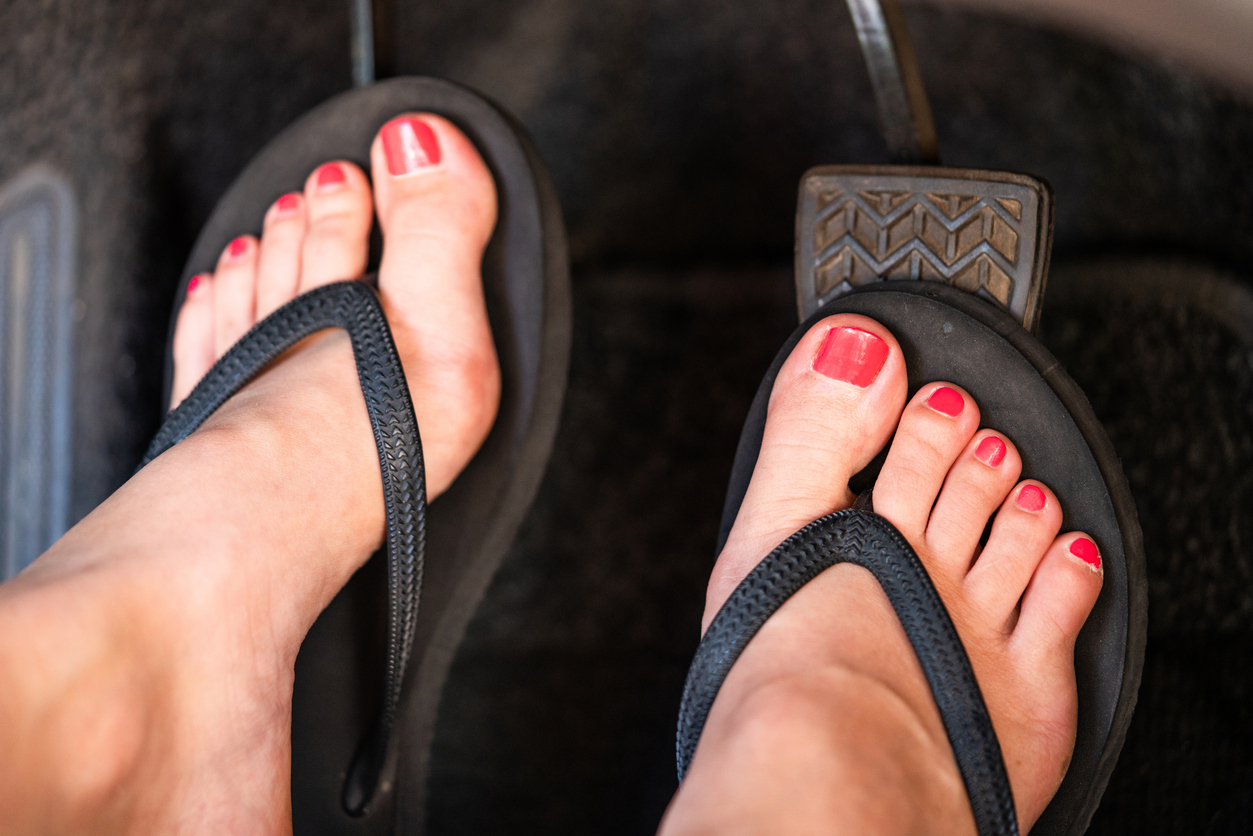
In conclusion, while the myth of it being illegal to drive barefoot in Florida persists, the law actually says otherwise. However, prioritizing safety and comfort with appropriate footwear is a recommendation that holds true regardless of legal statutes. Enjoy the sun, sand, and fantastic attractions of Florida, but do so with mindful driving practices for a truly stress-free and unforgettable travel experience.
LifeOutOfTheBox is a participant in the Amazon Services LLC Associates Program, an affiliate advertising program designed to provide a means for sites to earn advertising fees by advertising and linking to Amazon.com. Amazon, the Amazon logo, AmazonSupply, and the AmazonSupply logo are trademarks of Amazon.com, Inc. or its affiliates. As an Amazon Associate we earn affiliate commissions from qualifying purchases.