
Florida, a state synonymous with sunshine, sandy beaches, and of course, alligators, offers a unique wildlife encounter for many visitors. The allure of seeing these prehistoric creatures in their natural habitat is undeniable. However, for those venturing into the Sunshine State’s wetlands, swamps, and even its numerous canals, a crucial question arises: is it illegal to feed alligators in Florida? The answer is a resounding yes, and understanding the regulations and reasoning behind this prohibition is paramount for both human safety and the well-being of these magnificent reptiles.
The Dangers of Handouts: Why Feeding Alligators is Prohibited
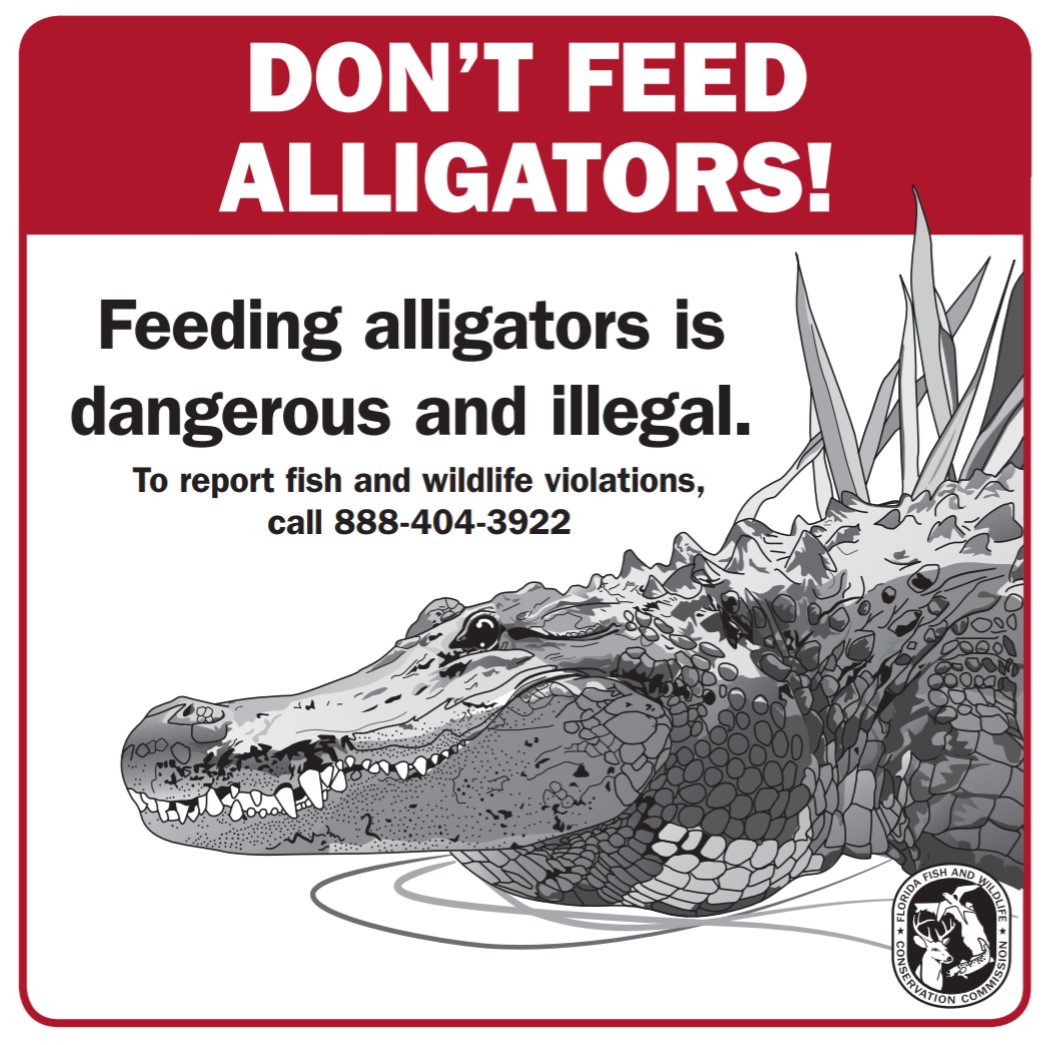
Feeding alligators, whether intentionally or through negligence, can have severe and often tragic consequences. The primary concern is habituation. When alligators become accustomed to receiving food from humans, they lose their natural fear of people and associate them with an easy meal. This can lead to aggressive behavior, as they begin to approach people, boats, and even homes in search of food. Such encounters can escalate rapidly, resulting in bites, serious injuries, and in unfortunate circumstances, fatalities.
Altering Natural Behavior
Alligators are apex predators perfectly adapted to their environment. Their diet consists of fish, turtles, birds, and small mammals, which they hunt using their incredible stealth and power. When fed by humans, their natural hunting instincts diminish. They become reliant on an artificial food source, which can disrupt the delicate balance of the ecosystem. Furthermore, the types of food humans might offer are often not nutritionally appropriate for alligators, potentially leading to health problems.
Increased Risk to the Public
The most direct consequence of feeding alligators is the elevated risk to human safety. A habituated alligator no longer perceives people as a threat and may view them as potential prey. This can lead to alligators lurking in areas where people swim, fish, or engage in recreational activities, creating a dangerous situation for everyone. Emergency services and wildlife officials spend considerable time and resources dealing with the aftermath of alligator feeding incidents, which often involves the removal and relocation, or in severe cases, the euthanasia of the alligator involved.
Legal Ramifications and Penalties
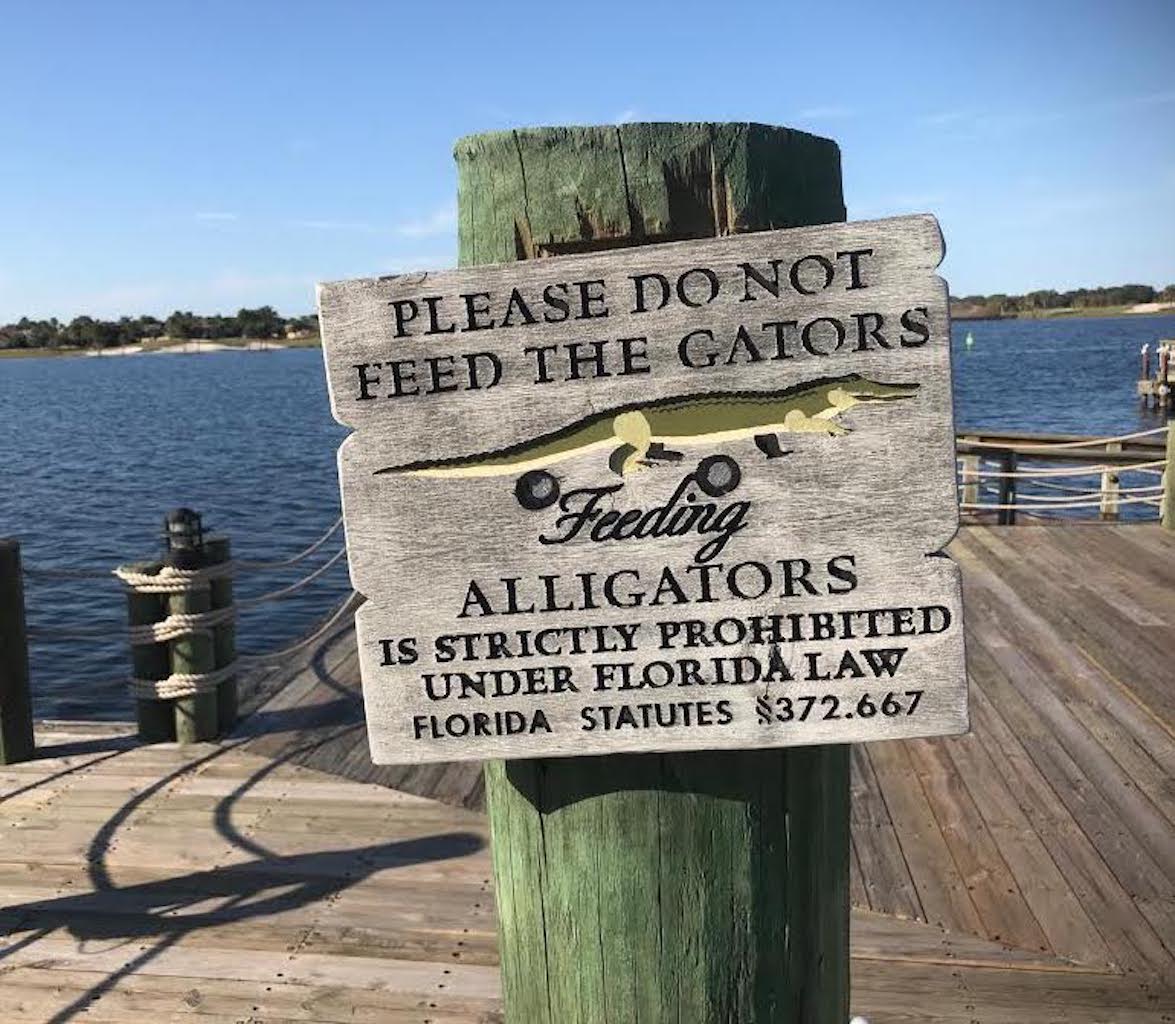
Florida law is quite clear on the matter of feeding alligators. The Florida Fish and Wildlife Conservation Commission (FWC) strictly prohibits the feeding of alligators. This prohibition is established under Florida Statute 379.2521, which states that it is unlawful to feed, in any manner, any wild alligator or crocodile. Violators can face significant penalties, including fines and even misdemeanor charges. The FWC takes these regulations seriously to protect both the public and the alligator population.
Navigating Alligator Country Safely: Responsible Tourism Practices
For tourists visiting Florida, particularly those planning to explore areas where alligators are common, such as the Everglades National Park or numerous state parks and nature preserves, understanding how to coexist safely with these animals is crucial. Responsible tourism practices ensure that your encounter with Florida’s wildlife is a memorable and positive one, without posing a threat to the animals or yourself.
Respecting Their Space
The golden rule when encountering any wild animal, especially alligators, is to give them plenty of space. Never approach an alligator, regardless of its size. Maintain a distance of at least 30 feet, and if an alligator appears to be approaching you, slowly back away. Do not attempt to touch, corner, or provoke the animal in any way. Remember that alligators are wild creatures, and their behavior can be unpredictable.
Avoiding Enticement
Beyond direct feeding, certain actions can inadvertently entice alligators. Leaving pet food or garbage accessible in areas where alligators are present can attract them. This is why it’s essential to dispose of trash properly and keep pets leashed and under close supervision, especially near water bodies. Even discarded fishing bait can be an attractant.
Educated Sightseeing
Many Florida destinations offer guided tours and educational programs that provide safe and informative ways to observe alligators. These tours are led by trained professionals who understand alligator behavior and can educate visitors on how to appreciate these animals from a safe distance. Opting for these guided experiences is a far better and safer alternative to seeking out individual encounters. Popular locations offering such opportunities include Gatorland in Orlando and various eco-tours operating out of cities like Naples or along the coast.
The Ecological Importance of Wild Alligators
Alligators play a vital role in the Florida ecosystem. As keystone species, they significantly influence the structure and function of their wetland habitats. Their presence is an indicator of a healthy environment, and their activities contribute to the biodiversity of the areas they inhabit.
Habitat Engineers
Alligators are often referred to as “ecosystem engineers.” Their nesting activities and the creation of “alligator holes” – depressions in the ground that hold water during dry periods – provide essential habitats for a multitude of other species, including fish, amphibians, reptiles, and birds. These water sources are critical for the survival of many aquatic organisms during droughts.
Food Web Dynamics
As predators, alligators help regulate populations of their prey species, preventing any single species from becoming too dominant. This predation also ensures a healthy food supply for other animals further up the food chain. Their presence contributes to a balanced and resilient ecosystem.
Indicators of Environmental Health
The health of alligator populations can serve as an indicator of the overall health of Florida’s aquatic environments. Declines in alligator numbers or the presence of deformities can signal pollution, habitat degradation, or other environmental stressors that may also be affecting human health. Protecting alligators and their habitats is, therefore, intrinsically linked to protecting the broader environment that we all depend on.
Understanding Florida’s Regulations: A Guide for Visitors and Residents
Florida’s commitment to protecting its native wildlife is evident in its stringent regulations regarding alligators. Familiarizing oneself with these rules is not just a matter of avoiding legal trouble but also a demonstration of respect for the natural world and a commitment to public safety.
FWC Regulations and Enforcement
The Florida Fish and Wildlife Conservation Commission (FWC) is the primary agency responsible for wildlife management and enforcement in the state. The FWC provides extensive information on its website regarding alligator safety, regulations, and reporting of nuisance or aggressive alligators. They encourage the public to report any instances of people feeding alligators or any alligator exhibiting unusual or aggressive behavior.
Reporting Nuisance Alligators
If you encounter an alligator that you believe poses a threat to people, pets, or property, it is essential to contact the FWC. The FWC has a dedicated nuisance alligator program that assesses and responds to such situations. They have trained personnel who can safely handle and relocate problem alligators. It is never advisable for private citizens to attempt to capture or harm an alligator.

Education and Awareness
Many organizations and educational institutions in Florida are dedicated to promoting awareness about alligators and the importance of their conservation. These initiatives aim to dispel myths and foster a greater understanding and appreciation for these often-misunderstood creatures. Supporting these educational efforts and sharing accurate information within your community can significantly contribute to responsible coexistence.
In conclusion, the answer to whether it is illegal to feed alligators in Florida is a definitive yes. The prohibition stems from a critical need to protect both human safety and the welfare of the alligators themselves, ensuring their natural behaviors and roles within the ecosystem are preserved. By understanding and adhering to these regulations, visitors and residents can enjoy Florida’s unique wildlife responsibly, contributing to the preservation of this remarkable natural heritage for generations to come.
LifeOutOfTheBox is a participant in the Amazon Services LLC Associates Program, an affiliate advertising program designed to provide a means for sites to earn advertising fees by advertising and linking to Amazon.com. Amazon, the Amazon logo, AmazonSupply, and the AmazonSupply logo are trademarks of Amazon.com, Inc. or its affiliates. As an Amazon Associate we earn affiliate commissions from qualifying purchases.