
California, a state synonymous with freedom, open roads, and iconic journeys, often conjures images of adventurers thumbing their way across its diverse landscapes. From the sun-drenched beaches of Southern California to the majestic redwoods of the north, the allure of spontaneous travel is strong. However, when it comes to the practice of hitchhiking, the question of legality often arises, sparking debate and confusion among both seasoned travelers and curious newcomers. Understanding the legal framework surrounding hitchhiking in the Golden State is crucial for anyone considering this mode of transport.
The Legal Landscape: California’s Stance on Hitchhiking
The straightforward answer to whether hitchhiking is illegal in California is nuanced. Unlike many other states that have outright bans, California has a more permissive approach, largely dependent on the specific location and circumstances. Generally, hitchhiking itself is not prohibited. However, this freedom is circumscribed by regulations designed to ensure public safety and maintain traffic flow. The primary legal considerations revolve around where one can stand while attempting to solicit rides and how that action might impede traffic or pose a hazard.

Pedestrian Laws and Roadway Access
California Vehicle Code Section 22520.5 is the cornerstone of the legal discussion. This section prohibits soliciting a ride, employment, or business from an operator of a vehicle while standing in a roadway. The key term here is “roadway,” which typically refers to the paved portion of the highway designed for vehicular travel, excluding shoulders. Therefore, standing on the traveled portion of a highway to hitchhike is illegal. This is a critical distinction, as it differentiates between standing in the road versus standing near the road.
The Shoulder Exception: A Grey Area
While standing on the traveled portion is prohibited, California law is less definitive regarding shoulders. Shoulders are generally considered part of the roadway, but their intended use is for emergency stops and as a buffer. Attempting to solicit rides from the shoulder can still lead to issues if it obstructs traffic or creates a safety concern. Law enforcement officers have discretion in interpreting whether a hitchhiker’s presence on a shoulder is disruptive or dangerous. Many jurisdictions within California also have local ordinances that may further restrict or prohibit hitchhiking, even on shoulders.
Freeway Restrictions: No Entry for Hitchhikers
Freeways, with their high speeds and controlled access points, present a particularly hazardous environment for hitchhikers. California Vehicle Code Section 21954 prohibits pedestrians from walking or standing on a freeway, except in emergencies. This means that attempting to hitchhike on or near an on-ramp, off-ramp, or the freeway itself is unequivocally illegal and dangerous. The rapid pace of traffic on freeways leaves little room for error, and pedestrians are not expected to be present.
Safety Concerns and Practical Realities
Beyond the legalities, the decision to hitchhike in California, or anywhere for that matter, involves significant safety considerations. While stories of successful and enriching hitchhiking experiences abound, the inherent risks cannot be overlooked. The freedom of the open road comes with the responsibility of assessing potential dangers.
Personal Safety and Vulnerability
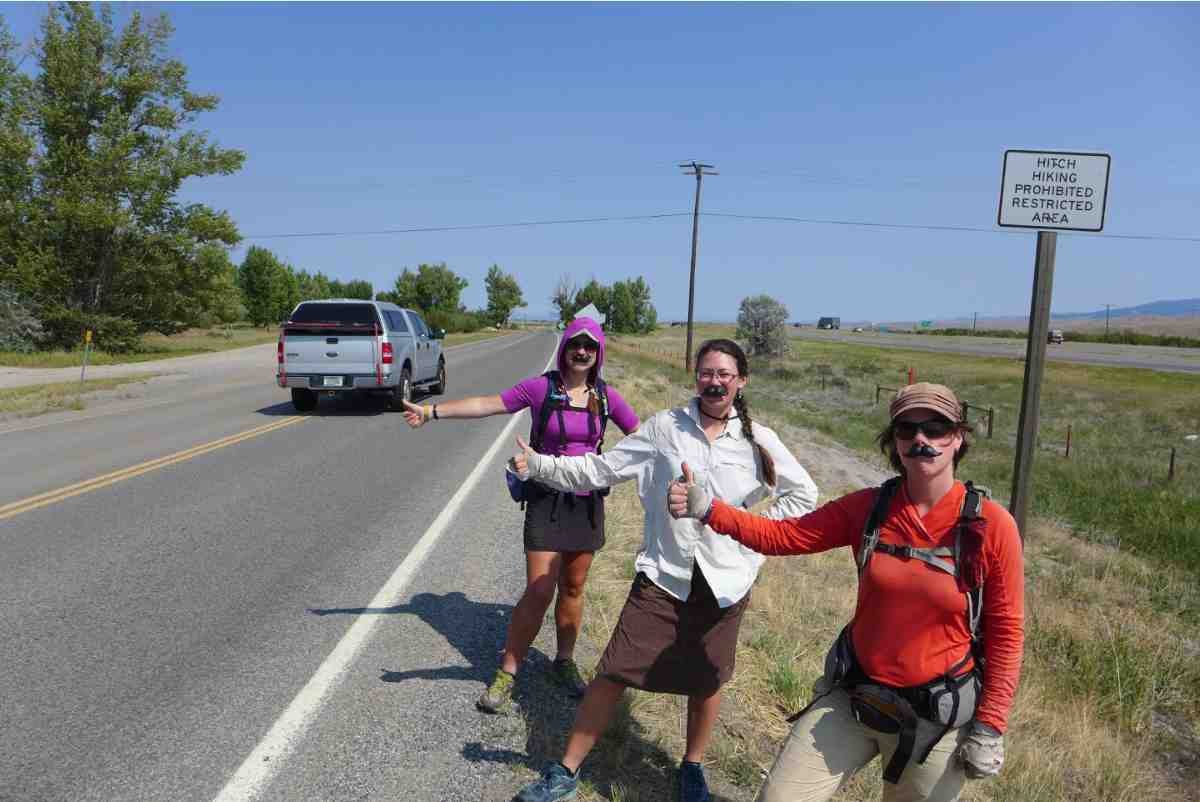
Hitchhiking places individuals in a vulnerable position. Without pre-arranged transport, there is an element of the unknown regarding the driver of an approaching vehicle. Factors such as intoxication, aggressive behavior, or malicious intent from a potential ride-giver are risks that every hitchhiker must contemplate. While many people are kind and willing to help, the possibility of encountering someone with ill intentions is a persistent concern. It’s essential for individuals to trust their instincts and to never feel pressured into accepting a ride that feels unsafe.
The Risks of the Road
The California highway system, while vast and scenic, is also traversed by millions of vehicles daily. Hitchhikers are exposed to the elements, traffic noise, and the general unpredictability of the road. Accidents, even those not involving the hitchhiker directly, can pose a danger. Furthermore, the act of waiting for an extended period can make a hitchhiker a target for other types of crime or harassment.
Alternatives for the Adventurous Traveler
For those drawn to the spirit of adventure and independent travel that hitchhiking often symbolizes, California offers numerous safer and equally engaging alternatives. The state’s extensive public transportation network, coupled with ride-sharing services and community-based travel platforms, provides a wealth of options for exploring without the inherent risks of thumbing a ride.
Public Transportation: A Network of Possibilities
California boasts a comprehensive public transportation system that connects its major cities and many smaller towns. Amtrak trains offer scenic routes through diverse landscapes, providing a comfortable and often breathtaking way to travel between destinations like Los Angeles and San Francisco. Greyhound and other bus lines offer extensive routes across the state, often at budget-friendly prices. Within cities, local bus and rail systems are well-developed, allowing for exploration of urban centers and their surrounding areas.
Ride-Sharing and Carpooling Platforms
In recent years, ride-sharing and carpooling platforms have revolutionized how people travel. Services like Uber and Lyft offer on-demand transportation within cities and between many towns. For longer distances, carpooling apps and websites connect drivers with passengers heading in the same direction, allowing for shared travel costs and a more social experience. These platforms offer a degree of vetting and tracking that significantly enhances safety compared to traditional hitchhiking.
Community and Local Travel Networks
Many communities in California have informal or organized networks for sharing rides. Local forums, social media groups, and community bulletin boards can be excellent resources for finding travel companions or arranging rides for specific events or destinations. These grassroots initiatives often foster a sense of community and can lead to authentic local experiences, mirroring some of the positive aspects of hitchhiking while mitigating its risks.

Conclusion: Navigating California’s Roads Responsibly
While the romantic ideal of hitchhiking may persist, California’s legal framework and inherent safety concerns necessitate a cautious approach. Understanding that standing in the roadway or on freeways is illegal is paramount. For the modern adventurer seeking the spirit of exploration without compromising safety, numerous reliable and engaging alternatives exist. By embracing these options, travelers can still experience the freedom and serendipity of discovering California, one mile at a time, in a manner that is both responsible and secure.
LifeOutOfTheBox is a participant in the Amazon Services LLC Associates Program, an affiliate advertising program designed to provide a means for sites to earn advertising fees by advertising and linking to Amazon.com. Amazon, the Amazon logo, AmazonSupply, and the AmazonSupply logo are trademarks of Amazon.com, Inc. or its affiliates. As an Amazon Associate we earn affiliate commissions from qualifying purchases.