
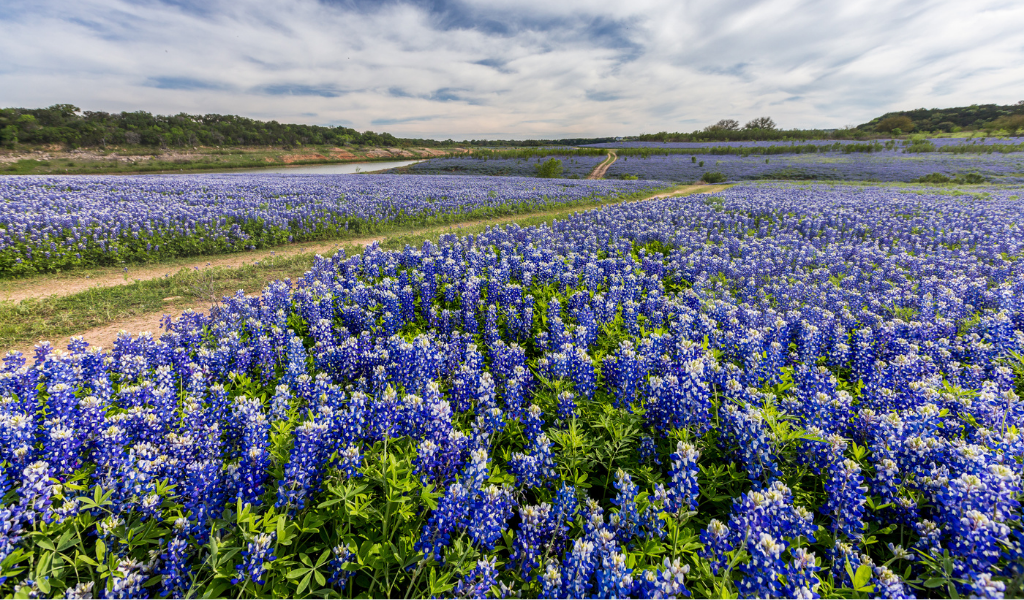
The vibrant blue tapestry that carpets the fields and roadsides of Texas each spring is nothing short of a natural marvel. These captivating wildflowers, known affectionately as bluebonnets, are not just beautiful — they are the official state flower and a deeply cherished symbol of the Lone Star State. Their annual appearance signals the arrival of spring, drawing countless visitors from across the United States and beyond, eager to witness their splendor and capture that quintessential bluebonnet photo. This seasonal spectacle transforms ordinary landscapes into breathtaking vistas, making it a prime destination for nature lovers, photographers, and families seeking unforgettable travel experiences.
However, amidst the excitement and admiration, a persistent question often arises, casting a shadow of doubt over the simple act of enjoying these blooms: “Is it illegal to pick bluebonnets in Texas?” This question, steeped in local lore and well-meaning admonitions, has become a cornerstone of bluebonnet etiquette. Understanding the truth behind this myth, along with the ethical considerations and best practices for appreciating these iconic flowers, is crucial for any traveler planning a spring visit to Texas. This guide will delve into the legalities, offer insights into responsible tourism, and highlight the best ways to experience the magic of bluebonnets while preserving their beauty for generations to come.
The Allure of Bluebonnets and the Truth About the Law
The bluebonnet holds a special place in the heart of Texas, representing resilience, beauty, and the wild spirit of the state. Its proliferation each spring turns highways and meadows into seas of blue, inviting travelers to pull over, breathe in the fresh spring air, and immerse themselves in a uniquely Texan tradition. But with such widespread appeal comes the need for clarity on how to interact with these natural treasures, particularly regarding the persistent rumor about their legal protection.
Bluebonnets: A Texas Treasure and Cultural Icon
The bluebonnet, specifically Lupinus texensis and five other species, earned its title as the state flower in 1901. Its widespread presence and captivating beauty have cemented its status as a significant cultural icon, deeply interwoven with the identity of Texas. For many Texans, the sight of the first bluebonnets is a deeply personal and nostalgic experience, reminiscent of childhood memories, family road trips, and the enduring natural beauty of their home state.
Beyond personal sentiment, bluebonnets play a vital role in the ecosystem. As legumes, they enrich the soil with nitrogen, supporting the health of other plants and contributing to the overall biodiversity of the region. Their vibrant blooms also provide essential nectar for pollinators, including bees and butterflies, which are crucial for the health of various agricultural crops and wild plants. This ecological significance further underscores the importance of preserving bluebonnet fields.

For tourists, the bluebonnet season, typically from late March through April, is a major draw. It transforms the Texas Hill Country and other regions into prime destinations, boosting local economies through increased travel, accommodation bookings, and spending on local attractions and food. Guides and itineraries often revolve around chasing the blooms, recommending scenic drives and picturesque spots. The allure isn’t just about the flowers themselves; it’s about the entire experience: the open roads, the charming small towns, and the unique Texan hospitality that accompanies a spring visit.
Unraveling the Legal Question: Fact vs. Fiction
The question “Is it illegal to pick bluebonnets in Texas?” is one that generates much discussion, often leading to conflicting advice. Let’s set the record straight: there is no state law in Texas that explicitly makes it illegal to pick bluebonnets. This might come as a surprise to many, as the myth of illegality is incredibly pervasive.
However, while there’s no specific “bluebonnet picking” law, this doesn’t grant a free pass to indiscriminately harvest the flowers. The crucial nuance lies in where the bluebonnets are growing and the general laws that do apply:
- Private Property: It is absolutely illegal to trespass on private property to pick bluebonnets without the owner’s permission. This is a fundamental property right, and violators can face charges for trespassing. Many of the most stunning bluebonnet fields are on private land, and respecting “No Trespassing” signs is paramount.
- State Parks and Protected Areas: Most Texas State Parks, national parks, and other protected natural areas have rules against disturbing or removing natural vegetation, including wildflowers. These regulations are in place to preserve the natural habitat and ensure the enjoyment of all visitors. Always check park-specific rules before entering. For example, the Lady Bird Johnson Wildflower Center in Austin actively conserves native plants and prohibits picking.
- Roadsides and Highway Medians: This is where much of the confusion lies. While you technically won’t be arrested for picking a few bluebonnets on the side of a highway (as long as it’s not private land), there are significant safety concerns. Stopping abruptly or parking haphazardly on highway shoulders, especially busy ones, can be incredibly dangerous, posing risks to yourself, your passengers, and other motorists. Furthermore, obstructing traffic or creating a hazard is illegal and punishable by law.
- County and City Ordinances: While no state law prohibits picking, some local counties or cities might have specific ordinances regarding the removal of vegetation from public lands. It’s always wise to be aware of local regulations, though these are less common for common wildflowers than for trees or shrubs.
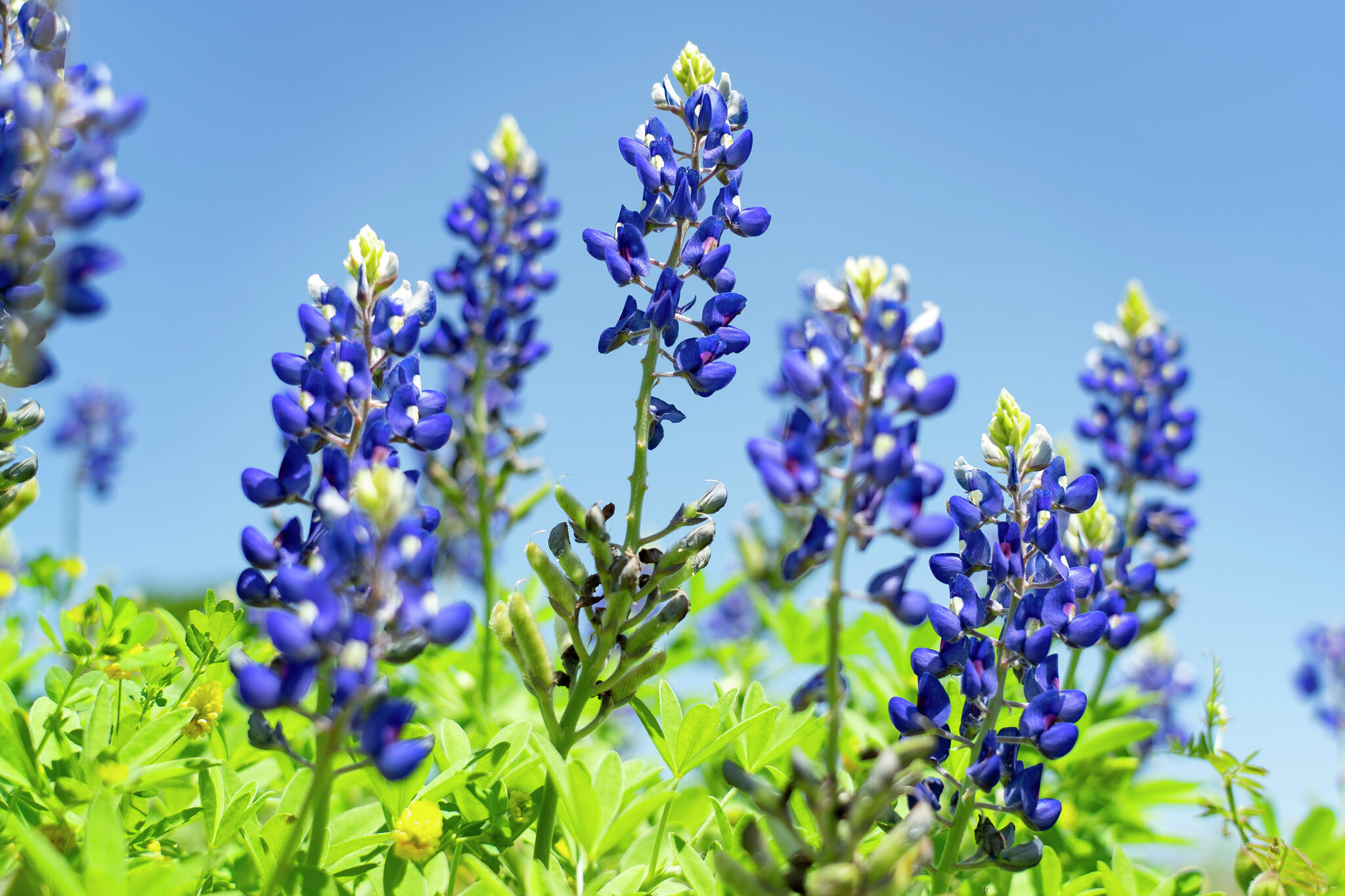
In essence, the “illegality” of picking bluebonnets is more often tied to trespassing, damaging public property, or creating a traffic hazard, rather than the act of picking the flower itself. The spirit behind the myth, however, is deeply rooted in conservation and the desire to preserve these beautiful blooms for everyone to enjoy.
Conservation and Responsible Enjoyment of Texas’s Wildflower Spectacle
Beyond the legal technicalities, there’s a profound ethical responsibility that comes with enjoying natural wonders like the bluebonnets. Responsible tourism and a mindful approach ensure that these breathtaking displays continue to thrive year after year, offering joy and beauty to countless future visitors. This ethos aligns perfectly with the principles of sustainable travel and respecting local culture and environment, core tenets promoted by organizations dedicated to conservation.
Protecting the Future of Texas’s Blooms
The bluebonnet’s lifecycle is delicate and dependent on successful seeding for future generations of blooms. When bluebonnets are picked, especially in large quantities, their ability to go to seed is diminished. Each flower produces seeds that fall to the ground, lying dormant until the following season’s optimal conditions trigger germination. By removing the flowers before they can complete this process, we inadvertently reduce the number of seeds available, potentially impacting the density and vibrancy of future bluebonnet fields.
Furthermore, trampling through fields to reach a desired patch can compact the soil, harm existing plants, and crush nascent seedlings, making it harder for the flowers to grow back in that area. This is particularly problematic in popular bluebonnet viewing spots that see heavy foot traffic. The delicate balance of the ecosystem relies on the undisturbed growth and propagation of these plants.
Conservation efforts for bluebonnets extend beyond just not picking them. They involve supporting organizations like the Lady Bird Johnson Wildflower Center, which is dedicated to protecting and restoring North America’s native plants. These organizations promote sustainable land management practices, educate the public, and conduct research to ensure the long-term health of wildflower populations. As travelers, making conscious choices to support eco-friendly tourism initiatives and respect natural habitats contributes directly to these vital conservation goals.
Etiquette for Enthusiasts: Photography and Preservation
For most visitors, the primary goal when encountering bluebonnets is to capture their beauty through photographs. While photography is encouraged, adhering to a few simple etiquette guidelines ensures that the experience remains positive for everyone and harmless to the flowers:
- Stay on Designated Paths: If available, use paths or existing clearings to minimize trampling. Avoid creating new trails through dense fields.
- “Leave No Trace” Principles: Beyond not picking, this means taking out everything you bring in. No litter, no discarded props, just footprints and memories.
- Be Mindful of Your Surroundings: Before stepping into a patch, look for signs of new growth or delicate plants. Be aware of wildlife that might be sheltering in the flowers, such as snakes or insects.
- Positioning for Photos: Instead of standing directly in the densest part of a patch, try kneeling or sitting at the edge, or finding naturally sparse areas to create the illusion of being surrounded by flowers without causing damage. Use a wide-angle lens to capture the breadth of the field from a safe distance.
- Respect Private Property: Always assume bluebonnet fields are on private land unless clearly marked otherwise. If you see “No Trespassing” signs, obey them without question. Even if you don’t see a sign, if the land appears to be a farm, ranch, or residential property, err on the side of caution and admire from the roadside.
- Safety First: When stopping on roadsides, ensure you are fully off the road and visible to oncoming traffic. Use hazard lights. Never stop on blind curves or hills. Prioritize personal safety over the perfect photo.
- Educate Others: Gently share these tips with fellow travelers if you observe practices that could harm the bluebonnets or create unsafe conditions. Promoting responsible enjoyment helps preserve the beauty for everyone.
By embracing these practices, travelers can enjoy the stunning beauty of Texas’s bluebonnets without contributing to their decline, ensuring that this cherished spring tradition continues for generations to come.
Your Ultimate Bluebonnet Road Trip: Destinations, Stays, and Beyond
Experiencing bluebonnets in Texas is often best accomplished as part of a scenic road trip, allowing you to explore diverse landscapes and charming small towns. Planning your journey, from identifying the best viewing spots to securing comfortable accommodation, is key to a memorable experience during this popular spring season.
Top Destinations for Spectacular Bluebonnet Views
The timing of peak bluebonnet season can vary slightly year to year depending on rainfall and temperatures, but generally runs from late March through April. The Texas Hill Country is arguably the most famous region for bluebonnet viewing, but other areas also offer magnificent displays.
-
Burnet: The Bluebonnet Capital of Texas
Located in the heart of the Texas Hill Country, Burnet proudly claims the title of “Bluebonnet Capital of Texas.” Each April, it hosts the annual Burnet Bluebonnet Festival, drawing thousands with parades, live music, and art vendors. The surrounding areas, including State Highway 29 and Ranch Road 2341, are renowned for their dense bluebonnet fields. Don’t miss the picturesque drives around Lake Buchanan. -
Ennis: The Official Texas Bluebonnet Trail
Just south of Dallas, Ennis is home to the Official Texas Bluebonnet Trail, a self-guided driving tour spanning over 40 miles of mapped routes that highlight the most breathtaking bluebonnet fields. The Ennis Garden Club updates the trail map weekly during peak season, making it easy for visitors to find the best blooms. The Ennis Bluebonnet Festival also takes place here in April, offering similar festivities to Burnet. -
Fredericksburg and the Willow City Loop
A charming German-heritage town in the Texas Hill Country, Fredericksburg serves as an excellent base for exploring wildflowers. The famous Willow City Loop, a 13-mile scenic drive north of Fredericksburg, is legendary for its spectacular displays of bluebonnets, Indian paintbrushes, and other wildflowers, winding through rolling hills and picturesque valleys. Be aware that the loop is on private property, so stay on the road. -
Chappell Hill and Washington County
Located between Houston and Austin, Washington County, particularly around Chappell Hill, boasts some of the earliest and most vibrant bluebonnet displays. This historic region, home to Washington-on-the-Brazos State Historic Site (where Texas declared its independence), offers a blend of history and natural beauty, with numerous back roads yielding stunning wildflower vistas. -
Other Notable Areas:
- Llano and Mason: West of Burnet, these towns offer equally impressive, and sometimes less crowded, bluebonnet fields.
- Marble Falls: Close to Burnet, this city provides beautiful lake views combined with wildflower scenery.
- Gainesville: North of Dallas, Gainesville offers a northern gateway to wildflower country, often blooming slightly later than southern areas.
Before heading out, always check local tourism websites or social media for up-to-date information on bloom conditions and any road closures.
Planning Your Stay: Hotels and Hospitality in Bluebonnet Country
A successful bluebonnet trip requires not just stunning views but also comfortable accommodation. Given the seasonal popularity, booking your hotels, suites, or resorts well in advance is highly recommended, especially if you plan to visit during a bluebonnet festival weekend.
In major cities like Austin, Dallas, or San Antonio, you’ll find a wide range of options, from luxury hotels to budget-friendly apartments. For instance, the Hyatt Regency Austin offers excellent views of Lady Bird Lake and convenient access to Hill Country drives. In smaller, charming towns like Fredericksburg, Burnet, or Ennis, you might opt for boutique hotels, cozy bed & breakfasts, or vacation rentals that offer a more localized experience. For example, consider the historic charm of the Fredericksburg Bluebonnet Inn for an authentic Hill Country stay, or the Burnet Wildflower Resort for amenities nestled closer to the heart of the bluebonnet action. In Ennis, the modern comforts of The Ennis Bloom Hotel could serve as an excellent base for exploring the Bluebonnet Trail. For a truly unique experience, consider a stay at the Chappell Hill Country Suites, offering a tranquil retreat amidst the early blooms of Washington County.
Many hotels and resorts in these areas offer special packages during the bluebonnet season, sometimes including maps, picnic baskets, or guided tours. Look for properties with amenities such as pools, on-site dining, or family-friendly options if traveling with children. Always read reviews and compare prices to find the best fit for your travel style and budget.
Beyond bluebonnets, Texas offers a wealth of other attractions. In Fredericksburg, explore wineries and peach orchards. Near Austin, enjoy live music and culinary delights. History buffs can visit the Alamo in San Antonio or various museums in Houston and Dallas. Integrating these other attractions into your bluebonnet road trip creates a comprehensive and rewarding travel experience that showcases the diverse appeal of Texas.
In conclusion, while the answer to “Is it illegal to pick bluebonnets in Texas?” is nuanced and largely no, the spirit of the warning holds true: these cherished state flowers are best left undisturbed for all to enjoy, now and in the future. By respecting property, practicing safety, and embracing ethical tourism, every traveler can contribute to the preservation of Texas’s most iconic spring spectacle. So pack your bags, plan your route, and prepare to be enchanted by the glorious bluebonnets of the Lone Star State.
LifeOutOfTheBox is a participant in the Amazon Services LLC Associates Program, an affiliate advertising program designed to provide a means for sites to earn advertising fees by advertising and linking to Amazon.com. Amazon, the Amazon logo, AmazonSupply, and the AmazonSupply logo are trademarks of Amazon.com, Inc. or its affiliates. As an Amazon Associate we earn affiliate commissions from qualifying purchases.