
Navigating the legal landscape of recording conversations can be a complex undertaking, especially when traveling or engaging in business within a specific jurisdiction. California, being a popular destination for both leisure and commerce, has established clear guidelines that govern the act of recording audio. Understanding these regulations is paramount for tourists, business travelers, and residents alike, ensuring compliance and avoiding unintended legal entanglements. This guide delves into the specifics of California’s recording laws, offering insights into what is permissible and what is not, with a focus on how these rules might impact your experiences within the state.

Understanding California’s “All-Party” Consent Law
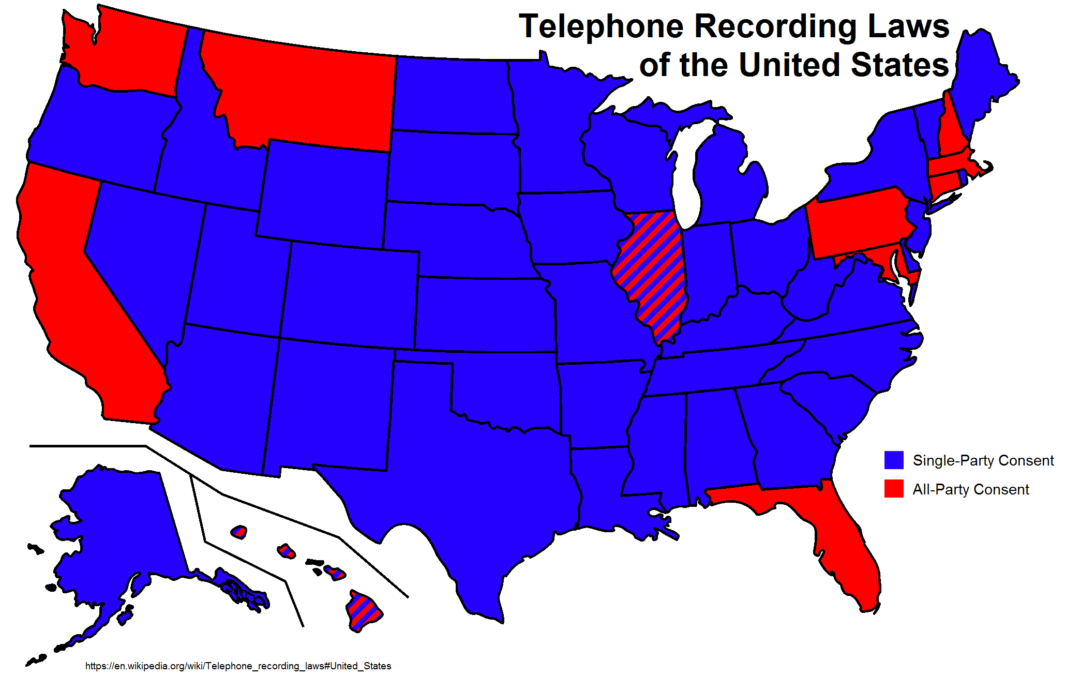
At the heart of California’s recording laws lies the principle of “all-party consent.” This means that for a conversation to be legally recorded, all individuals participating in that conversation must be aware of and consent to the recording. This is a significant distinction from states that operate under a “one-party consent” rule, where only one participant needs to consent for the recording to be lawful. The rationale behind California’s stricter approach is to protect individual privacy and prevent clandestine surveillance.
The Legal Framework
California Penal Code Section 632 is the primary statute governing the recording of confidential communications. It explicitly states that any person who intentionally eavesdrops upon or records, by means of any electronic amplifying or recording device, any communication, and thereby obtains knowledge of the contents of any communication, while any party to the communication has a reasonable expectation that the communication is not being overheard or recorded, shall be punished by a fine not exceeding two thousand five hundred dollars ($2,500), or by imprisonment in the county jail not exceeding one year, or by both.
What Constitutes a “Confidential Communication”?
The crucial element in this statute is the “reasonable expectation that the communication is not being overheard or recorded.” This means that the law is primarily concerned with conversations where participants believe their words are private. Casual conversations in a public park where others can easily overhear might not fall under this protection. However, a discussion in a hotel room, a business meeting in a private office, or even a phone call where individuals expect privacy are generally considered confidential communications.
The Implications for Travelers
For visitors to California, this law has several practical implications:
- Business Meetings: When attending meetings in cities like Los Angeles or San Francisco, ensure all participants are aware if you intend to record the discussion. This includes formal presentations, brainstorming sessions, and even informal debriefings.
- Interviews and Consultations: If you are conducting interviews for research or seeking professional advice, obtaining consent is essential. This applies whether you are meeting with a tour guide about local attractions, a hotel manager at a resort, or a legal professional.
- Personal Conversations: While less common, even personal conversations in private settings, such as inside your hotel suite at the Beverly Hills Hotel, should be consensual if being recorded.
It is crucial to remember that ignorance of the law is not a valid defense. Failing to obtain consent, even unintentionally, can lead to civil liability and, in some cases, criminal charges.
Exceptions and Nuances to the Law
While the all-party consent rule is the general standard, there are certain situations and exceptions where recording might be permissible or where the law’s application is nuanced. Understanding these can provide a more complete picture of California’s recording regulations.
Public Spaces and Non-Confidential Conversations
As mentioned, conversations that take place in public spaces where there is no reasonable expectation of privacy are generally not protected under Section 632. This could include:
- Street Interviews: If you are conducting interviews on a busy street or at a public event like a festival in San Diego, and the participants are aware they are in a public setting, recording may be permissible.
- Concerts and Public Gatherings: While recording the performance itself might be subject to copyright laws, the conversations of attendees in a public seating area are unlikely to be considered confidential.
- Tourist Hotspots: Discussions happening in the open at famous landmarks like the Golden Gate Bridge or Alcatraz Island are generally not considered private.
However, even in public spaces, if a conversation becomes sufficiently private and participants exhibit an expectation of privacy, the law can still apply. For instance, if you move to a secluded corner of a park to have a private discussion, that conversation would likely be protected.
Law Enforcement and Court Proceedings
There are specific exemptions for law enforcement officers acting within the scope of their duties and for recording proceedings in court. These are established legal contexts where recording might be permitted under different statutory provisions or court rules. This does not extend to private citizens attempting to record law enforcement officers without proper authorization or in a manner that violates the officer’s privacy, though citizens generally have the right to record police activity in public spaces as long as it doesn’t interfere with their duties.
Recording Via Business Telephone Lines
Another area with specific considerations involves recording business telephone calls. While the general rule of all-party consent applies, businesses often use automated systems that provide a notification that the call is being recorded. This notification, if audible to all parties, generally satisfies the consent requirement for business-related calls. However, personal calls made or received on business lines may still require explicit consent from all parties.
Digital Voice Recorders and Smartphones
The technology used for recording is also relevant. Modern smartphones and digital voice recorders are capable of capturing conversations with high fidelity. Whether you use a dedicated device or your smartphone, the legal principles remain the same: if the conversation is confidential and all parties have not consented, the recording is likely unlawful.
Practical Tips for Recording in California
Given the strictures of California’s all-party consent law, it is prudent to adopt a cautious and ethical approach to recording any conversation within the state. Here are some practical tips to ensure you remain compliant:
Always Obtain Explicit Consent
This is the golden rule. Before you begin recording, clearly state your intention to record and ask for explicit consent from everyone involved. A verbal statement like, “I’d like to record this conversation for my notes. Is that okay with everyone?” followed by an affirmative response from each participant is the safest approach.
Document Consent
While not always legally mandated, documenting consent can be invaluable. This could be:
- Verbal Agreement: As mentioned above, a clear verbal agreement.
- Written Agreement: For formal settings, a signed waiver or agreement can be highly effective.
- Automated Notifications: For business calls, ensure the automated notification is clear and audible to all parties.
Understand Your Surroundings
Be mindful of the environment in which you are conversing. If you are in a place where privacy is reasonably expected, assume the conversation is confidential and requires consent to be recorded. If you are in a clearly public and open area, the need for consent diminishes, but caution is still advised for sensitive discussions.
Be Transparent in Business Settings
If your business necessitates recording conversations, such as for customer service or training purposes, implement clear policies and ensure all employees are trained on California’s recording laws. Customers should be informed before their calls are recorded. This is particularly relevant for businesses operating in the tourism sector, such as tour operators in Yosemite National Park or hotels along the Pacific Coast Highway.
Seek Legal Counsel When in Doubt
If you are involved in a situation where the legality of recording is unclear, or if you are planning to use recordings for significant legal or business purposes, it is always best to consult with a legal professional familiar with California law. They can provide specific advice tailored to your situation.
The Ramifications of Non-Compliance
Failing to adhere to California’s all-party consent law can have serious consequences, ranging from civil lawsuits to criminal prosecution.
Civil Liability
Individuals whose conversations are recorded without their consent may file a civil lawsuit against the recorder. This can result in significant monetary damages, including statutory penalties and compensation for any harm caused by the unlawful recording. The damages can be substantial, especially if the recording reveals sensitive or damaging information.
Criminal Penalties
As outlined in the California Penal Code, intentional violations can lead to fines and imprisonment. While criminal prosecution for recording personal conversations is less common for individuals, it remains a possibility, particularly in cases involving malicious intent or commercial exploitation of illegally obtained recordings.
Impact on Business and Reputation
For businesses, non-compliance can lead to severe reputational damage. Customers and clients may lose trust, leading to a decline in business. Furthermore, legal battles can be costly and time-consuming, diverting resources from core operations. Companies operating in industries heavily reliant on trust, such as the hospitality sector in Napa Valley or the entertainment industry in Hollywood, must be particularly vigilant.
Evidentiary Issues in Court
In legal proceedings, an illegally obtained recording is generally inadmissible as evidence. If you are hoping to use a recording to support a legal claim or defense, and it was obtained in violation of California law, it will likely be excluded by the court, rendering it useless.

Conclusion
California’s stringent approach to recording conversations underscores the state’s commitment to protecting individual privacy. The “all-party consent” law is a vital piece of legislation that travelers, business professionals, and residents must understand and respect. By prioritizing transparency, obtaining explicit consent, and being mindful of the context of conversations, individuals can navigate these legal requirements effectively. Whether you are exploring the vibrant streets of San Diego, enjoying a relaxing stay at a luxury resort in Palm Springs, or conducting important business meetings, a thorough understanding of these laws will help ensure your activities remain within legal and ethical boundaries, allowing you to enjoy your time in the Golden State without unintended legal repercussions.
LifeOutOfTheBox is a participant in the Amazon Services LLC Associates Program, an affiliate advertising program designed to provide a means for sites to earn advertising fees by advertising and linking to Amazon.com. Amazon, the Amazon logo, AmazonSupply, and the AmazonSupply logo are trademarks of Amazon.com, Inc. or its affiliates. As an Amazon Associate we earn affiliate commissions from qualifying purchases.