
California, the Golden State, is a land of dreams, offering everything from sun-kissed beaches and vibrant cities to majestic mountains and serene deserts. For many adventurers, the allure of a California road trip is irresistible, promising unparalleled freedom to explore its diverse landscapes at one’s own pace. This sense of wanderlust often brings with it practical considerations, not least of which is where to sleep. The idea of saving money on accommodation by simply pulling over and spending the night in your vehicle is appealing, but it begs a crucial question: is it legal to sleep in your car in California?

The answer, like much of California’s legal landscape, is complex and multifaceted. There isn’t a simple statewide “yes” or “no” that applies universally. Instead, the legality of car sleeping in California is determined by a intricate web of state laws, local city ordinances, and specific regulations governing various types of public and private property. This guide aims to unravel these complexities, offering insights for budget-conscious travelers, digital nomads, and anyone considering the open road as their temporary home. Understanding these nuances is not just about avoiding fines; it’s about ensuring your safety, respecting local communities, and truly embracing the spirit of responsible travel in one of the world’s most beautiful destinations.
Navigating California’s Diverse Landscape and Laws
California’s sheer size and geographical diversity mean that what’s permissible in one region might be strictly prohibited in another. From the bustling metropolitan areas of Los Angeles and San Francisco to the remote expanses of its National Forests, the rules for overnight vehicle stays vary considerably. This patchwork approach requires travelers to be diligent in their research and aware of their surroundings.
The Patchwork of State and Local Regulations
While there isn’t a statewide ban on sleeping in your car in California, the state does grant local municipalities considerable authority to regulate public spaces within their jurisdictions. This means that individual cities and counties have the power to enact their own ordinances regarding overnight parking and vehicle habitation. Many of these local laws are driven by concerns over public safety, sanitation, residential quality of life, and the management of urban homelessness, rather than specifically targeting tourists or car campers.
Common types of ordinances include:
- Overnight Parking Bans: Many cities have specific rules prohibiting parking on public streets during certain hours, particularly overnight (e.g., between 2 AM and 6 AM). These are often enforced with signs, but not always.
- Anti-Camping Ordinances: These laws generally prohibit individuals from “camping” or establishing temporary habitation on public property, which can be broadly interpreted to include sleeping in a vehicle if other signs of habitation (like setting up cooking gear, awnings, or multiple nights’ stay) are present.
- Vehicle Habitation Bans: Some cities have explicit ordinances making it illegal to live, sleep, or engage in “residential activities” within a vehicle parked on public streets.
- Time Limits: Parking lots of public parks, beaches, and even some commercial areas may have posted time limits for vehicle stays, after which your vehicle could be ticketed or towed.
It’s crucial to understand that even if there isn’t an explicit “no sleeping in car” law, general parking restrictions can effectively make it illegal. Always look for signage, and when in doubt, assume it’s not permitted unless you have clear information to the contrary.
Understanding Specific City Ordinances
The enforcement and specific wording of these laws vary widely. Major urban centers tend to have stricter regulations due to higher population density and resource strain.
- Los Angeles: Historically, Los Angeles has had a complex relationship with vehicle habitation. While some ordinances are in place, enforcement can vary. The city has also implemented “Safe Parking Programs” specifically for individuals experiencing homelessness, which are managed sites offering secure overnight parking, but these are typically not for general tourists.
- San Francisco: Known for its strict parking enforcement and limited space, San Francisco is generally not a car-sleeper-friendly city. Overnight parking is difficult to find and often comes with a hefty price tag or strict time limits.
- San Diego: Similar to Los Angeles, San Diego has ordinances regarding vehicle habitation. Travelers should exercise caution and seek designated accommodation or established campgrounds.
- Coastal Cities: Many picturesque coastal towns and cities, particularly those with popular beaches (e.g., Santa Monica, Malibu, Santa Barbara), often have very strict overnight parking rules to preserve residential areas and manage tourism impacts.
Before attempting to sleep in your car in any specific city, it is highly recommended to check their municipal code or official city website for relevant parking and camping ordinances. Apps like iOverlander and Park4Night can be invaluable resources, offering user-generated information on legal and safe overnight parking spots, including user reviews and recent reports of enforcement.
Practicalities and Precautions for Car Camping
For those committed to the car camping lifestyle in California, careful planning and adherence to best practices are paramount. It’s not just about finding a spot; it’s about doing so safely, legally, and respectfully.
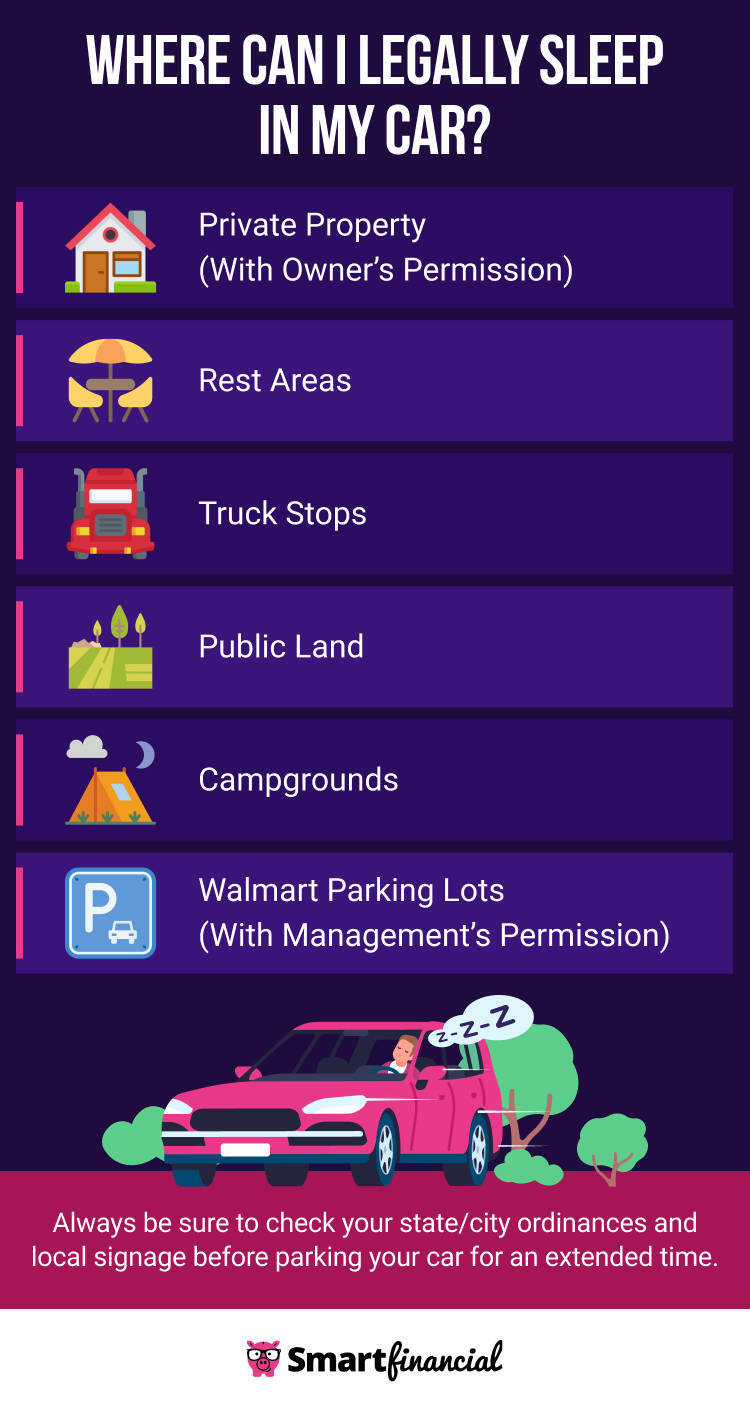
Where to Legally Park Overnight
Finding a truly legal and safe spot to sleep in your car requires foresight and sometimes, a willingness to be outside urban centers.
- Bureau of Land Management (BLM) Land and National Forests: This is often the best and most legal option for free overnight stays in California, especially for those seeking a more rustic experience. The BLM manages vast tracts of public land, primarily in the eastern and northern parts of the state, where dispersed camping (including car camping) is generally allowed for up to 14 days in one location. National Forests also permit dispersed camping in many areas outside developed campgrounds. Always check with the specific district office for current regulations, fire restrictions, and any required permits (though usually not for dispersed camping). Remember the “Leave No Trace” principles rigorously.
- Private Campgrounds and RV Parks: While not free, these offer a guaranteed legal and safe spot with amenities like restrooms, showers, and often Wi-Fi. Many welcome vans and cars. They are an excellent alternative when BLM or National Forest options are not available or preferred.
- Walmart Parking Lots: Historically, Walmart has been known for allowing overnight parking for RVs and car campers. However, this policy is decided by individual store managers, and many locations, especially in California (particularly in urban or suburban areas), have discontinued the practice due to local ordinances, security concerns, or simply management discretion. Always call the specific store ahead of time and ask for permission. Assume “no” unless explicitly told “yes.”
- Truck Stops: Chains like Pilot Flying J and TA Travel Centers often have dedicated parking for trucks and RVs, and are generally more tolerant of overnight vehicle stays. They also offer amenities like fuel, food, and showers, making them a practical choice for a pit stop.
- Rest Areas: California state rest areas generally have a maximum stay limit, often 8 hours, and are intended for travelers to rest, not to camp. While a quick overnight stop might go unnoticed, prolonged stays or setting up camp are usually prohibited.
Safety First: Tips for a Secure Stay
Regardless of where you park, safety should be your top priority.
- Blend In and Be Discreet: The less attention you draw, the better. Avoid obvious signs of living in your car, such as leaving gear outside, setting up an elaborate camp, or having too many windows uncovered. Tinted windows or reflective sunshades can provide privacy.
- Choose Your Spot Wisely: In urban areas, look for well-lit, relatively quiet streets or parking lots that don’t have explicit “no overnight parking” signs. Avoid isolated areas, but also extremely busy ones that might attract unwanted attention. In rural areas, trust your gut feeling about a spot’s safety.
- Lock Your Doors and Secure Valuables: This seems obvious, but it’s paramount. Keep valuables out of sight or secured.
- Have a Backup Plan: Always know where the nearest legal campground, motel, or friend’s place is in case your chosen spot doesn’t feel right or you’re asked to move.
- Maintain Personal Hygiene: Public restrooms at gas stations, parks, or 24-hour establishments (like Walmart or Starbucks) can be lifesavers. Gym memberships (like Planet Fitness) are popular among vehicle dwellers for shower access.
- Minimize Environmental Impact: Practice “Leave No Trace.” Pack out all trash, avoid disturbing wildlife, and use designated facilities whenever possible. This is especially critical when dispersed camping on BLM land or in National Forests.
Alternatives to Car Sleeping: Exploring California’s Accommodation Options
While car sleeping offers a unique sense of freedom and budget savings, it’s not always practical, legal, or comfortable. Fortunately, California’s robust tourism infrastructure provides a vast array of accommodation options to suit every budget and lifestyle, from rustic campgrounds to luxurious resorts.
Budget-Friendly Stays and Unique Experiences
For travelers looking to minimize costs without resorting to car sleeping every night, several excellent alternatives exist.
- California State Parks and National Parks Campgrounds: California boasts an incredible network of state and national parks, many of which offer developed campgrounds for tents and RVs. Places like Yosemite National Park, Sequoia National Park, Death Valley National Park, and numerous California State Parks provide stunning natural backdrops for traditional camping. These campgrounds require reservations, often far in advance, especially during peak seasons. They provide a legal and scenic place to stay, with amenities ranging from basic pit toilets to full hookups.
- Hostels: In major cities and popular tourist destinations, hostels offer affordable dormitory-style accommodation, private rooms, and a great way to meet fellow travelers. They are particularly popular in places like San Francisco, Los Angeles, and San Diego.
- Budget Hotels and Motels: While car sleeping saves money, a night or two in an inexpensive hotel or motel can offer a much-needed reset. Chains like Motel 6, Super 8, or Travelodge often have competitive rates, especially outside major tourist hubs or during off-peak seasons. These provide guaranteed comfort, privacy, and facilities.
- Vacation Rentals (e.g., Airbnb, VRBO): For groups or longer stays, vacation rentals can be a cost-effective option, offering unique local experiences in apartments, homes, or even unique tiny houses. They often come with kitchens, allowing for further savings on dining.
Embracing California’s Hospitality Scene
For those who view travel as an opportunity for comfort and indulgence, California’s hospitality scene is unparalleled.
- Hotels and Resorts: From boutique hotels in wine country to sprawling resorts along the coast (like those found in Orange County or Monterey), California offers an incredible range of upscale accommodation. These options provide luxurious amenities, exceptional service, and often access to prime attractions.
- Unique Stays: Beyond traditional hotels, California excels in offering distinctive accommodation experiences. Think historic inns, glamping sites, treehouses, or even houseboat rentals in areas like the Sacramento Delta. These options elevate the travel experience beyond mere sleeping arrangements.
- Bed & Breakfasts: Especially in charming towns or wine regions, B&Bs offer a personalized touch, often with gourmet breakfasts and local insights from hosts.
Choosing the right accommodation depends on your budget, itinerary, and desired level of comfort. Integrating a mix of car sleeping (where legal and safe) with occasional stays in campgrounds, hostels, or hotels can provide the best of both worlds: adventure and respite.
The Lifestyle of Road Tripping in the Golden State
The decision to sleep in your car in California often stems from a desire for a particular kind of lifestyle and travel experience. It’s about embracing spontaneity, rugged independence, and a close connection to the landscapes you traverse. However, this lifestyle comes with responsibilities.
Maximizing Your California Adventure
Embracing car camping as part of your California adventure can be incredibly rewarding, allowing you to wake up to stunning sunrises over the desert, alongside a quiet forest, or near a remote beach. This approach is intrinsically linked to the spirit of road trips, enabling you to linger longer in places that capture your imagination, whether it’s the artistic communities of Laguna Beach, the tech hubs of Silicon Valley, or the iconic vistas along the Pacific Coast Highway.
To truly maximize this experience while adhering to legalities and safety:
- Plan Your Route with Overnight Stays in Mind: Use resources like iOverlander or specific BLM and National Forest maps to identify legal and suitable overnight spots before you’re tired and desperate.
- Equip Your Vehicle: Invest in good window coverings, a comfortable sleeping setup, and basic supplies like water, snacks, a portable power bank, and a first-aid kit. Consider a portable toilet for emergencies, especially in remote areas.
- Be Flexible: The beauty of car travel is flexibility. If a spot doesn’t feel safe, or if you encounter unexpected restrictions, be ready to move on to your backup plan.
- Embrace the Outdoor Lifestyle: Many of California’s attractions are outdoors. Car camping naturally complements activities like hiking, surfing, mountain biking, and stargazing.
Responsible Travel and Respecting Local Communities
The growth of van life and car camping has brought increased scrutiny to how travelers interact with local communities and environments. Responsible travel is not just a buzzword; it’s a necessity for ensuring these opportunities remain available.
- Adhere to All Regulations: This is the most fundamental aspect of responsible travel. Ignorance of the law is not an excuse. Follow parking signs, adhere to time limits, and respect “No Overnight Parking” notices.
- Leave No Trace: This principle is paramount. Whatever you bring in, take out. Do not litter, do not leave human waste improperly, and do not disturb natural habitats. This is especially critical on public lands like BLM and National Forests.
- Support Local Businesses: While saving on accommodation, make an effort to support the local economies you pass through. Buy food from local markets, dine at local restaurants, and visit local shops.
- Be Mindful of Noise and Privacy: When parking near residential areas, keep noise to a minimum and respect residents’ privacy. Avoid congregating in large groups that might cause disturbances.
- Understand the Context: Many ordinances targeting vehicle habitation are designed to address issues related to homelessness. While your situation may be different, being empathetic to these underlying social issues and avoiding actions that exacerbate them is part of responsible tourism.
In conclusion, sleeping in your car in California is not inherently illegal, but it is heavily regulated at the local level. Successful and responsible car camping requires thorough research, careful planning, a commitment to safety, and a deep respect for local laws and the environment. By understanding the legal landscape, utilizing appropriate resources, and adopting a conscientious approach to travel, you can unlock a truly unique and memorable California adventure, creating unforgettable experiences on the open road. However, for guaranteed comfort, convenience, and peace of mind, exploring California’s diverse array of traditional accommodation options, from campgrounds to luxurious hotels, remains an excellent and often preferable choice.
LifeOutOfTheBox is a participant in the Amazon Services LLC Associates Program, an affiliate advertising program designed to provide a means for sites to earn advertising fees by advertising and linking to Amazon.com. Amazon, the Amazon logo, AmazonSupply, and the AmazonSupply logo are trademarks of Amazon.com, Inc. or its affiliates. As an Amazon Associate we earn affiliate commissions from qualifying purchases.