
For countless couples, the dream of a wedding is intertwined with the perfect destination, a place that not only offers stunning backdrops but also embraces their love fully and legally. For same-sex couples, the journey to this ideal destination has historically been complicated by a patchwork of laws and varying social acceptance across different regions. When considering the vibrant, diverse, and sprawling landscape of Texas, a common question arises: Is it legal for gay marriage in Texas? The short answer is a resounding yes. However, understanding the journey to this legal affirmation, the practical steps involved, and what it means for LGBTQ+ travel and lifestyle within the Lone Star State offers a much richer perspective for anyone planning a visit, a relocation, or a wedding celebration.
The legal landscape surrounding same-sex marriage has seen monumental shifts over the past decade, culminating in a nationwide constitutional right. For those considering Texas as a potential wedding destination, a romantic getaway, or even a place to settle down, it’s crucial to delve into the legal history, current realities, and the flourishing communities that make this state a compelling choice for LGBTQ+ individuals and couples. This guide aims to provide clarity and inspiration, covering everything from the landmark legal decisions to practical tips for tying the knot and discovering inclusive experiences across Texas.
A Landmark Decision: The Legal Framework
The question of marriage equality in Texas cannot be fully understood without acknowledging the broader national context and the pivotal legal rulings that shaped its current status. The journey to nationwide marriage equality was a long and arduous one, marked by numerous legal battles and evolving public opinion.
Before the Tides Turned: Texas’s Historical Stance
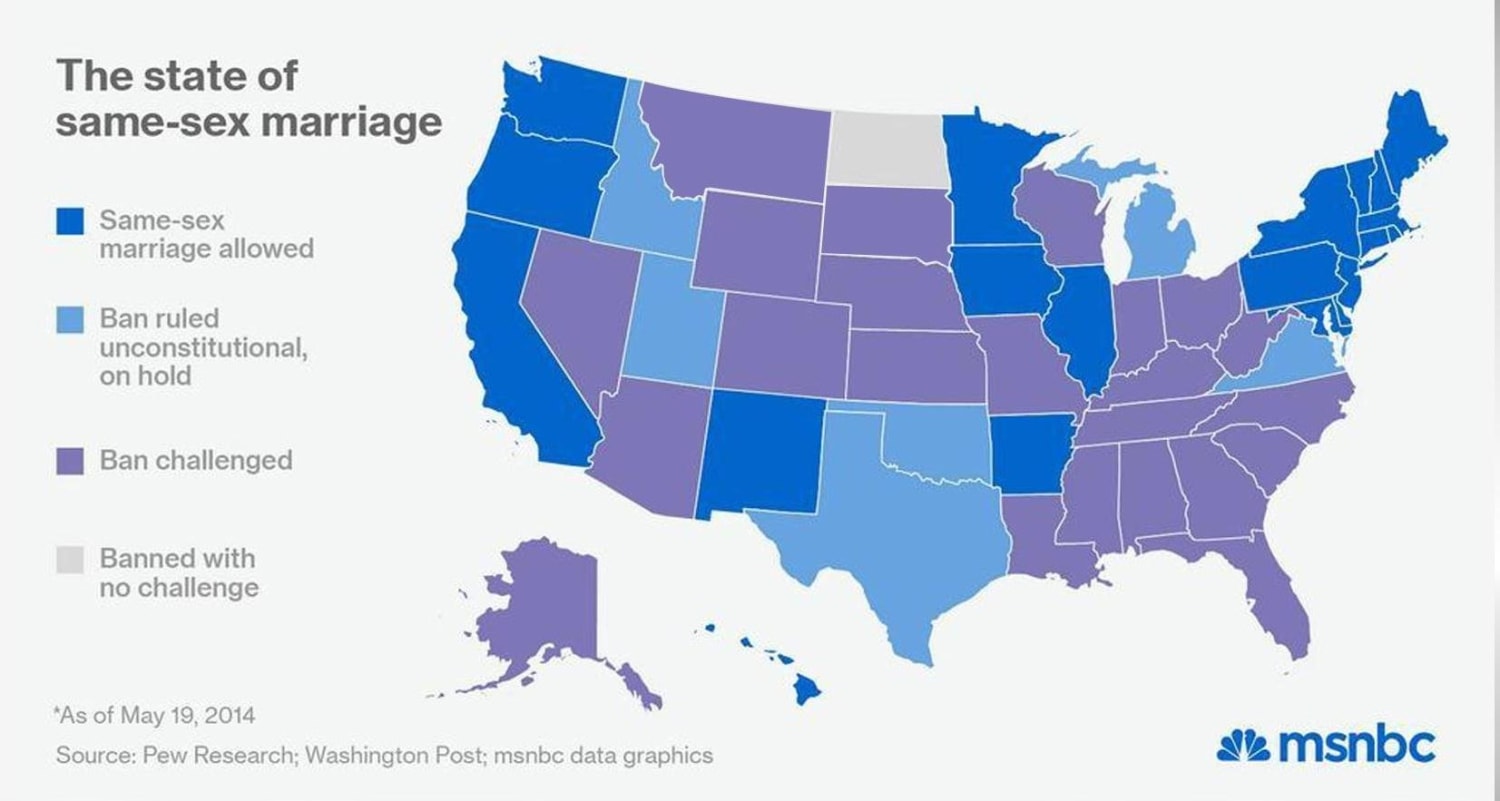
Prior to the landmark federal ruling, Texas was a state where the definition of marriage was constitutionally restricted. State law explicitly defined marriage as solely between one man and one woman, a stance deeply embedded in its statutes and even enshrined in its state constitution. This meant that same-sex couples in Texas were denied not only the right to marry but also the vast array of legal protections and benefits that come with marriage, such as healthcare coverage, inheritance rights, tax benefits, and parental rights concerning adoption and child custody.
Throughout the early 2000s, various legal challenges emerged within Texas seeking to overturn the state’s ban. These cases highlighted the immense personal and legal hardships faced by same-sex couples. While some federal courts had begun to rule against state-level bans on same-sex marriage, leading to a period of legal uncertainty and fervent debate, the Texas state government largely maintained its opposition. Public opinion within Texas during this period was notably divided, with stronger opposition prevalent in more conservative, rural areas, and growing support in major urban centers like Austin, Houston, and Dallas, which had already started offering some form of domestic partner benefits at a local level. This complex backdrop set the stage for a nationwide reevaluation of marriage laws.
The Obergefell v. Hodges Ruling and Its Aftermath
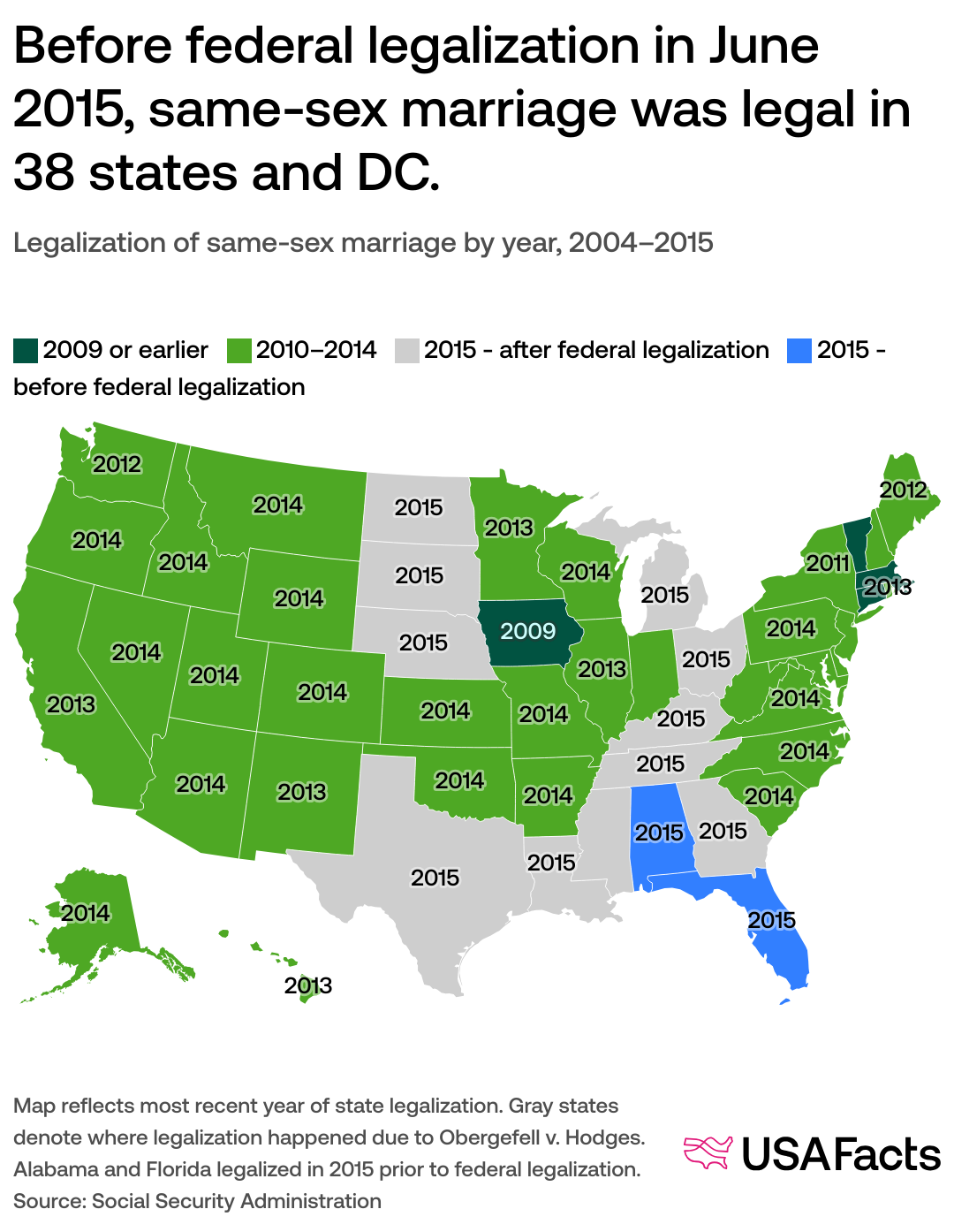
The legal landscape shifted dramatically on June 26, 2015, with the Supreme Court of the United States’s historic decision in Obergefell v. Hodges. This landmark ruling declared that the right to marry is guaranteed to same-sex couples by both the Due Process Clause and the Equal Protection Clause of the Fourteenth Amendment to the United States Constitution. This decision effectively struck down all state-level bans on same-sex marriage, making it legal in all 50 states and their territories.
In Texas, the impact was immediate and profound. State officials, including county clerks and judges, were required to comply with the federal ruling. This meant that within hours and days of the decision, same-sex couples across Texas could finally obtain marriage licenses and legally marry. While there were isolated instances of resistance from some county clerks or judges citing religious objections, these situations were largely resolved by reassigning duties or through swift legal intervention, ensuring that marriage licenses were issued without undue delay.
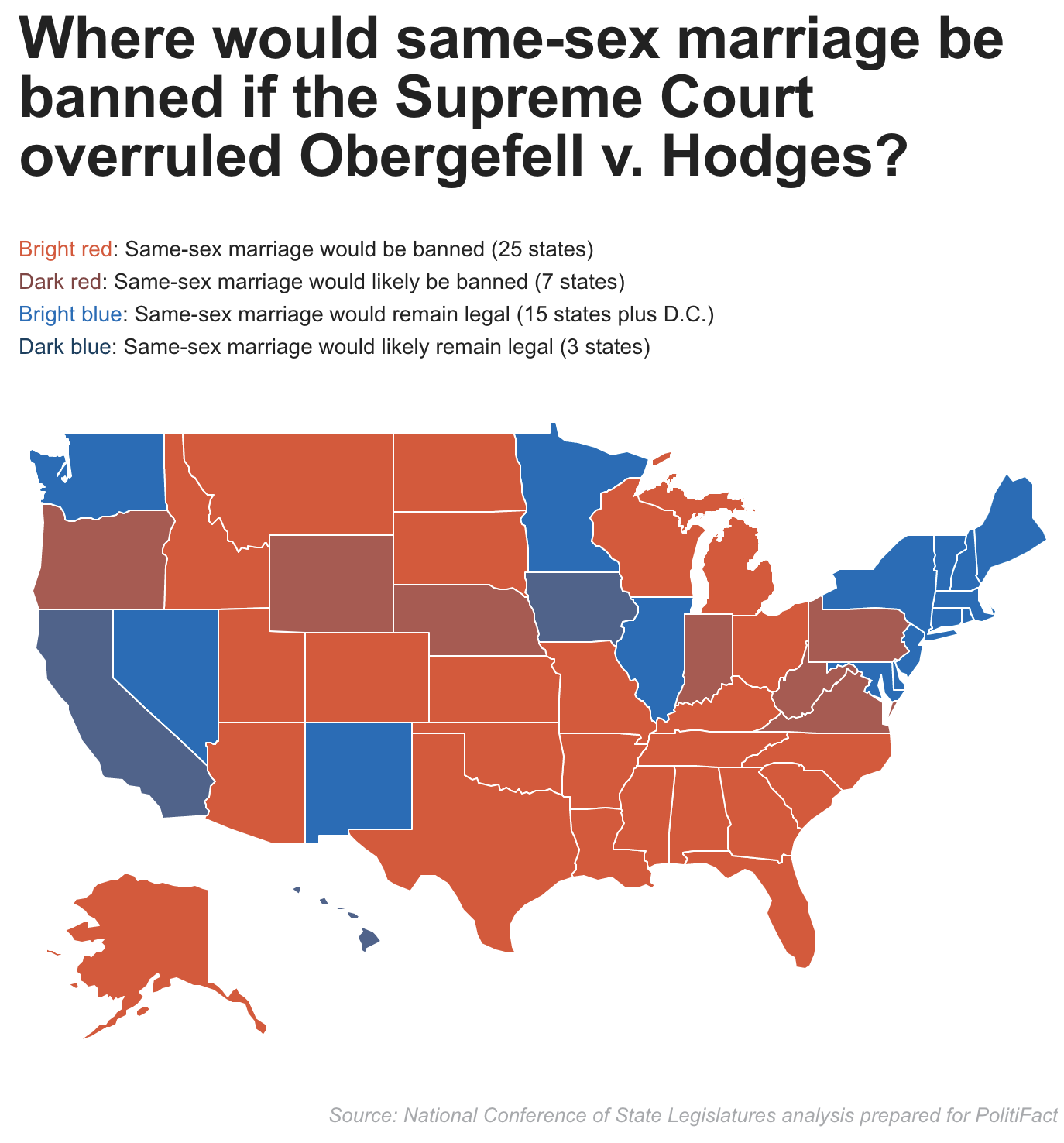
The post-Obergefell v. Hodges era brought full recognition of marriage benefits and rights to same-sex couples in Texas. This includes access to crucial legal protections related to healthcare, inheritance, joint tax filings, adoption, and parental rights – benefits previously denied. Currently, same-sex marriage is fully legal and recognized throughout Texas. While social acceptance still varies across different regions of the vast state, particularly in smaller, more conservative towns, there is a clear trend toward increased acceptance, especially within the major metropolitan areas. Despite ongoing political debates and legislative efforts by some to challenge the ruling or introduce religious freedom bills, Obergefell v. Hodges remains the law of the land, providing legal stability and recognition for all married couples in Texas.
Practicalities of Tying the Knot in the Lone Star State
For couples ready to celebrate their love and legally formalize their union in Texas, the process is straightforward and accessible. The state’s marriage laws are applied uniformly to all couples, regardless of gender. Understanding the steps involved will help streamline your wedding planning, allowing you to focus on the joy of your special day.
Navigating the Marriage License Process
The first and most crucial step for any couple wishing to marry in Texas is obtaining a marriage license. This process is handled at the local level by any County Clerk’s office across the state.
- Eligibility: To be eligible, both applicants must be at least 18 years old, not currently married to anyone else, and not closely related by blood (as defined by state law).
- Requirements: When applying for a marriage license, both individuals must be present at the County Clerk’s office. You will need to provide valid photo identification (such as a driver’s license or passport) and your Social Security number.
- Waiting Period: Texas law mandates a 72-hour waiting period between the time the marriage license is issued and when the marriage ceremony can take place. However, this waiting period can be waived under specific circumstances, such as for military personnel deploying to a combat zone or for couples who have completed an approved pre-marital education course.
- License Expiration: Once issued, a Texas marriage license is valid for 90 days. This means your marriage ceremony must be performed within this 90-day window from the date the license was issued.
- Cost: The fee for a marriage license varies slightly by county but typically ranges from approximately $80 to $100. Some counties offer a reduced fee if couples can show proof of completing a pre-marital education course.
Choosing Your Officiant and Ceremony Details
After securing your marriage license, the next exciting step is planning your ceremony. Texas offers flexibility in who can officiate a wedding, allowing couples to choose someone who aligns with their personal or spiritual beliefs.
- Officiants: Acceptable officiants in Texas include ordained ministers of any religious denomination, judges of courts of record, retired judges, justices of the peace, and retired justices of the peace. Many couples opt for a judge or justice of the peace for a civil ceremony, while others choose an ordained minister for a religious ceremony.
- The Ceremony: The marriage ceremony itself must be performed within the 90-day validity period of the marriage license. While there are no specific legal requirements for the wording or length of the ceremony, it must include a declaration that the two individuals are now united in marriage. Many couples choose to personalize their vows and incorporate elements that reflect their unique journey and love story.
- Post-Ceremony: Following the ceremony, the officiant is responsible for signing the marriage license and returning it to the County Clerk’s office that issued it. This typically needs to be done within 30 days of the ceremony. Once recorded by the clerk, your marriage is legally recognized.
- Nationwide Recognition: A marriage legally performed and recognized in Texas is valid and recognized throughout the entire United States due to the full faith and credit clause of the Constitution and the Obergefell v. Hodges ruling. This means your union is universally acknowledged, providing peace of mind whether you’re traveling or relocating to another state.
Texas as a Destination for LGBTQ+ Couples
Beyond the legalities, Texas offers a wealth of experiences for LGBTQ+ couples, making it an increasingly popular choice for destination weddings, honeymoons, and romantic getaways. From bustling urban centers to serene natural landscapes, the state presents diverse options for every taste and budget.
Celebrating Love: Destination Weddings and Romantic Getaways
Texas’s size and geographical diversity mean that destination wedding possibilities are virtually endless. Couples can choose from a variety of settings to craft their perfect day:
- Urban Elegance: Cities like Austin, Houston, and Dallas boast sophisticated venues, luxury hotels, and world-class culinary scenes ideal for grand celebrations. Austin, known for its live music and vibrant culture, offers chic downtown lofts, historic estates, and scenic lakeside resorts. Houston provides a cosmopolitan backdrop with elegant ballrooms, diverse cultural institutions, and stunning skyline views. Dallas features upscale hotels, unique art galleries, and modern event spaces in districts like the Dallas Arts District or Deep Ellum.
- Rustic Charm: For those dreaming of a more laid-back or country-chic wedding, the Texas Hill Country offers picturesque vineyards, charming ranches, and boutique resorts nestled among rolling hills. Imagine exchanging vows against a backdrop of sun-drenched vineyards or under a canopy of oak trees. Towns like Fredericksburg and Dripping Springs are particularly popular for their scenic beauty and burgeoning wedding industries.
- Coastal Romance: The Gulf Coast, with cities like Galveston or the resort town of South Padre Island, provides a beautiful beach-front alternative for couples seeking a ceremony with ocean breezes and stunning sunsets. Historic Galveston also offers Victorian architecture and charming seaside venues.
Beyond weddings, Texas is ripe for romantic getaways. Couples can indulge in wine tours in the Texas Hill Country, explore the natural wonders of Big Bend National Park for an adventurous escape, or immerse themselves in the rich history and vibrant culture of San Antonio with its famous River Walk and historic missions. Luxury resorts across the state cater to every whim, offering spa treatments, fine dining, and secluded accommodations for an unforgettable honeymoon or anniversary trip.
Embracing Inclusivity: LGBTQ+ Friendly Cities and Experiences
While legal equality is established, social acceptance varies, making it wise for LGBTQ+ couples to research specific areas when planning their trip or move. Fortunately, Texas boasts several cities renowned for their welcoming and inclusive atmospheres.
- Austin: Often heralded as the most LGBTQ+ friendly city in Texas, Austin prides itself on its “Keep Austin Weird” ethos, fostering a diverse and accepting environment. It has a vibrant LGBTQ+ community, numerous inclusive businesses, and hosts a popular annual Pride festival. The city’s thriving arts scene, live music venues, and outdoor activities make it a fantastic destination for all. You can explore the Capitol Building, enjoy kayaking on Lady Bird Lake, or visit the many unique shops and restaurants in South Congress.
- Houston: As the most diverse city in Texas, Houston has a large and active LGBTQ+ community, particularly centered around the Montrose neighborhood, which is home to numerous gay bars, restaurants, and community organizations. Houston hosts one of the largest Pride parades in the region and offers a vast array of cultural attractions, from its renowned Museum District to its innovative culinary scene.
- Dallas: Dallas also boasts a significant and well-established LGBTQ+ community, with the Oak Lawn neighborhood serving as a hub for nightlife, dining, and community events. The city hosts a vibrant Pride celebration and is home to many inclusive hotels and venues. Visitors can enjoy world-class shopping, diverse dining options, and a rich arts and culture scene.
- San Antonio: With its deep history and unique blend of cultures, San Antonio offers a welcoming atmosphere and a growing LGBTQ+ community. The iconic River Walk, the historic Alamo, and numerous charming accommodations make it a romantic and culturally rich destination.
- Fort Worth: Often seen as the more traditionally Texan counterpart to Dallas, Fort Worth also has a growing and increasingly visible LGBTQ+ community. Its unique blend of Western heritage and modern urban development, particularly in areas like the Stockyards National Historic District and its revitalized downtown, offers a distinct experience.
For couples planning a visit, several resources can help ensure an inclusive and enjoyable experience. LGBTQ+ specific travel guides, local community centers, and inclusive wedding planners are invaluable. Many hotels and resorts in major cities actively market themselves as LGBTQ+ friendly, offering welcoming environments and often specializing in same-sex wedding packages. When venturing into smaller towns, a bit of research into local attitudes and establishments can help ensure a comfortable trip. The broader implications of legal clarity extend beyond tourism; it provides stability for families, simplifying matters of adoption, estate planning, and spousal benefits, thus making Texas a viable option for long-term settlement for LGBTQ+ individuals and families.
Beyond the Ceremony: Lifestyle and Long-Term Considerations
While the focus often begins with the legality of marriage, the broader context of lifestyle and long-term planning is equally important for same-sex couples considering Texas. The legal landscape, combined with evolving social dynamics, impacts daily life, family building, and a sense of belonging.
The full recognition of same-sex marriage in Texas means that married LGBTQ+ couples now enjoy the same legal protections and responsibilities as heterosexual couples. This legal clarity is immensely important for foundational life decisions. For instance, couples can now confidently navigate estate planning, ensuring that their partners and children are legally protected and that their wishes are honored regarding property, assets, and medical decisions. Healthcare benefits, once a significant concern for many same-sex couples, are now universally available through spousal coverage, providing crucial security. Tax benefits, such as filing jointly, and the ability to claim dependent children, are also fully extended.
For couples looking to build families, the legality of same-sex marriage has had a transformative impact on adoption and parental rights. Same-sex couples can jointly adopt children, and non-biological parents can establish legal parentage more easily, providing critical legal safeguards for families. This stability is not just about paperwork; it creates a secure environment for children, knowing both their parents have legal standing and protection.
The lifestyle opportunities in Texas are as vast as the state itself. From the bustling job markets and diverse cultural offerings of cities like Houston and Dallas to the more laid-back, creative vibe of Austin or the historic charm of San Antonio, there are environments to suit various preferences. For those seeking a vibrant urban experience, the major cities offer thriving LGBTQ+ communities, regular pride events, and a multitude of inclusive businesses, from cafes and restaurants to fitness centers and community organizations. These areas also boast an impressive array of accommodation options, from luxurious high-rise apartments and boutique hotels to family-friendly resorts and charming vacation rentals, catering to all needs whether for a short visit or a permanent move.
The state’s natural beauty also contributes to a fulfilling lifestyle. Outdoor enthusiasts can explore national and state parks, from the canyons of Big Bend to the forests of East Texas. The Texas Hill Country provides a stunning backdrop for weekend getaways, offering wineries, quaint towns, and opportunities for hiking and water sports. These natural landmarks and diverse attractions contribute to the overall appeal of Texas as a place to not just visit, but to build a life.
While the legal battles have been won, and much progress has been made in social acceptance, it’s also true that cultural nuances still exist. In some smaller, more rural communities, traditional views may still be prevalent. However, for those choosing to live in or travel through Texas, the overwhelming experience in its major population centers and tourist destinations is one of increasing welcome and celebration of diversity.
In conclusion, the answer to “Is it legal for gay marriage in Texas?” is unequivocally yes. This legal foundation, established by Obergefell v. Hodges, has opened doors for same-sex couples to fully participate in the institution of marriage, securing their rights and providing stability for their families. For travelers, this means Texas is a viable and often vibrant destination for destination weddings, romantic getaways, and exploring a rich tapestry of culture, history, and natural beauty. From the moment a couple decides to obtain a marriage license to the long-term enjoyment of their married life, Texas offers a robust framework for love to flourish in the Lone Star State.
LifeOutOfTheBox is a participant in the Amazon Services LLC Associates Program, an affiliate advertising program designed to provide a means for sites to earn advertising fees by advertising and linking to Amazon.com. Amazon, the Amazon logo, AmazonSupply, and the AmazonSupply logo are trademarks of Amazon.com, Inc. or its affiliates. As an Amazon Associate we earn affiliate commissions from qualifying purchases.