
The question of legality surrounding mold inspections in Topeka, Kansas is a common one, particularly for homeowners, renters, and property managers who are concerned about the potential health risks and property damage associated with mold growth. While the act of inspecting for mold itself is not subject to specific licensing requirements in the way that, for example, a licensed electrician or plumber might be, understanding the legal framework and best practices surrounding mold assessments is crucial. This article delves into the legal landscape, practical considerations, and the importance of professional mold inspections within Topeka and the wider state of Kansas.

Understanding the Legal Landscape of Mold Inspections in Kansas
In Kansas, there isn’t a specific state-level licensing board that mandates all individuals performing mold inspections to hold a particular certification. This means that, in a technical sense, anyone can offer mold inspection services. However, this broad accessibility does not negate the need for competence, ethical practices, and adherence to relevant housing and health regulations.
Property Owner Rights and Responsibilities
Both landlords and tenants in Topeka have rights and responsibilities regarding property conditions, including mold. Under Kansas law, property owners have a general duty to maintain their properties in a safe and habitable condition. This often implies addressing issues that could negatively impact the health of occupants, such as significant mold growth.
For tenants, discovering mold that poses a health risk can be grounds for requesting remediation from the landlord. If a landlord fails to address the issue, tenants may have legal recourse. Conversely, if a tenant causes mold growth through negligence (e.g., by not reporting a persistent leak), they might be held responsible. A professional mold inspection can provide an objective assessment to support either party’s claims and establish the extent and cause of the mold.
Landlord-Tenant Act and Habitability Standards
The Kansas Landlord and Tenant Act outlines the obligations of both parties. While the act doesn’t specifically detail mold inspection protocols, it mandates that landlords keep their premises in a condition that is fit for human habitation. Significant mold infestations can certainly render a property uninhabitable, thereby triggering a landlord’s obligation to act.
A mold inspection report, conducted by a qualified professional, can serve as crucial evidence in disputes. It can help determine if the mold is a minor surface issue or a more widespread problem requiring professional remediation, thus informing legal decisions and obligations.
State Regulations and Guidelines
While specific mold inspection licensing is absent, Kansas does have health and environmental regulations that indirectly influence mold management. The Kansas Department of Health and Environment provides general guidance on mold and indoor air quality. These guidelines often recommend professional assessment for significant mold issues. Following these recommendations can be seen as a demonstration of due diligence for property owners.
It’s also worth noting that while Kansas may not have specific mold inspection licensing, other jurisdictions or professional organizations might have their own standards. Choosing inspectors who voluntarily adhere to or are certified by reputable bodies can offer an added layer of assurance.
The Importance of Professional Mold Inspections
Given the lack of stringent licensing, the onus is largely on the consumer to seek out competent and trustworthy mold inspection professionals in Topeka. A professional inspection goes beyond a simple visual check. It involves:
Comprehensive Assessment and Testing
A thorough mold inspection will often include:
- Visual Inspection: Identifying visible mold growth and areas of potential moisture intrusion.
- Moisture Detection: Using tools like moisture meters to find hidden water sources and damp materials.
- Air and Surface Sampling: Collecting samples of air and surface materials to identify specific mold species and quantify their presence. This is particularly important for differentiating between common molds and those known to cause significant health problems.
- Report Generation: Providing a detailed report outlining findings, potential causes, and recommendations for remediation.
Why Hire a Professional, Even Without Strict Licensing?
- Expertise: Professionals have the training and experience to identify mold types, understand their health implications, and determine the extent of contamination.
- Objective Evaluation: An unbiased third-party assessment is invaluable in disputes between landlords and tenants, or in insurance claims.
- Health Protection: Proper identification and quantification of mold can help determine the necessary level of containment and remediation to protect occupants’ health.
- Property Preservation: Early detection and assessment can prevent minor mold issues from developing into costly structural damage.
- Insurance and Legal Claims: A professional report often serves as the required documentation for insurance claims or legal proceedings.
Finding Reputable Mold Inspectors in Topeka
When seeking a mold inspector in Topeka, consider these factors to ensure you are hiring a qualified professional:
Credentials and Certifications
While not legally mandated in Kansas, look for inspectors who hold certifications from recognized organizations such as the:
- Institute of Inspection, Cleaning and Restoration Certification (IICRC): The IICRC offers certifications like the “Applied Microbial Remediation Technician” (AMRT) and “Master Water Restorer” (MWR), which demonstrate a high level of expertise in water damage and mold remediation, often encompassing inspection principles.
- National Organization of Remediators and Mold Inspectors (NORMI): NORMI provides training and certification for mold inspectors and remediation professionals.
These certifications indicate that the inspector has undergone rigorous training and passed examinations, providing a benchmark for their knowledge and skills.
Experience and Specialization
- Years in Business: A longer track record can indicate stability and a proven ability to handle various mold-related issues.
- Specialization: Some companies specialize solely in mold inspection and testing, while others offer it as part of a broader range of services (e.g., general contracting, HVAC services). For critical mold issues, a specialist may be preferable.
Insurance and Liability

Ensure that the inspection company carries adequate general liability insurance and, if applicable, professional liability insurance (errors and omissions). This protects you in case of unforeseen issues or mistakes during the inspection process.
References and Reviews
- Ask for Referrals: Request references from past clients, especially those with similar concerns to yours.
- Check Online Reviews: Look for reviews on platforms like Google, Yelp, or the Better Business Bureau. Pay attention to recurring themes in feedback.
Conflict of Interest
Be cautious of companies that offer both inspection and remediation services. While some may have ethical practices, there can be a perceived or actual conflict of interest, where an inspector might overstate the severity of a mold problem to secure lucrative remediation work. Ideally, an inspector should be independent, providing an objective assessment without a vested interest in the subsequent remediation.
When is a Mold Inspection Necessary?
Several scenarios warrant a professional mold inspection in Topeka:
Post-Water Damage Events
- Flooding: Whether from a natural disaster like a flood or a plumbing mishap, significant water intrusion creates ideal conditions for mold growth within 24-48 hours.
- Leaking Pipes or Roofs: Persistent leaks, even minor ones, can lead to hidden mold in walls, ceilings, or under floors.
- High Humidity: Consistently high indoor humidity levels, often exacerbated by poor ventilation or HVAC issues, can foster mold growth on various surfaces.
Visible Mold Growth
If you see mold, even in small patches, it’s often a sign of a larger problem. A professional inspection can determine the source and extent of the contamination.
Health Symptoms
Occupants experiencing unexplained allergy-like symptoms, respiratory issues, headaches, or fatigue, especially if these symptoms improve when they leave the building, may be suffering from mold exposure. A mold inspection can help identify or rule out mold as a contributing factor.
Real Estate Transactions
- Home Purchases: Buyers often request mold inspections as part of their due diligence to ensure the property is healthy and free from hidden mold issues that could lead to future expenses.
- Home Sales: Sellers may proactively get an inspection to identify and address any issues before listing their home, potentially expediting the sale and avoiding surprises during buyer inspections.
Rental Property Concerns
Both landlords and tenants can benefit from inspections. A landlord might inspect a property periodically to maintain habitability, while a tenant might request one if they suspect a mold problem affecting their health or the property’s condition.
Legal Recourse and Remediation in Kansas
If a mold inspection reveals a significant problem, especially one that violates habitability standards, legal avenues and remediation processes come into play.
Landlord Obligations and Tenant Rights
In Topeka, if a mold inspection confirms a serious mold issue that the landlord is responsible for, tenants typically have the right to:
- Written Notice: Provide the landlord with written notice of the mold issue.
- Reasonable Time to Remediate: Allow the landlord a reasonable period (often specified in leases or by local ordinances, though not always clearly defined by state statute) to address the problem.
- Rent Withholding or Lease Termination: In severe cases, and following specific legal procedures, tenants may have grounds to withhold rent or terminate their lease without penalty if the landlord fails to act. It is crucial for tenants to understand the precise legal requirements for these actions in Kansas before withholding rent, as improper withholding can lead to eviction.
- Legal Action: Seek legal counsel to compel the landlord to remediate or to recover damages.
Insurance Claims
If mold damage resulted from a covered peril (like a sudden pipe burst or storm damage), your homeowner’s insurance policy might cover the costs of inspection and remediation. A professional inspection report is usually a prerequisite for filing a claim.
Mold Remediation Standards
While Kansas doesn’t have specific licensing for mold inspectors, reputable mold remediation companies often follow industry standards and best practices, such as those recommended by the IICRC. These standards ensure that mold is removed safely and effectively, minimizing the risk of cross-contamination and future growth. A qualified remediation professional will:
- Contain the affected area.
- Remove mold-contaminated materials.
- Clean and dry affected areas.
- Ensure proper ventilation during the process.
- Conduct post-remediation testing to verify clearance.
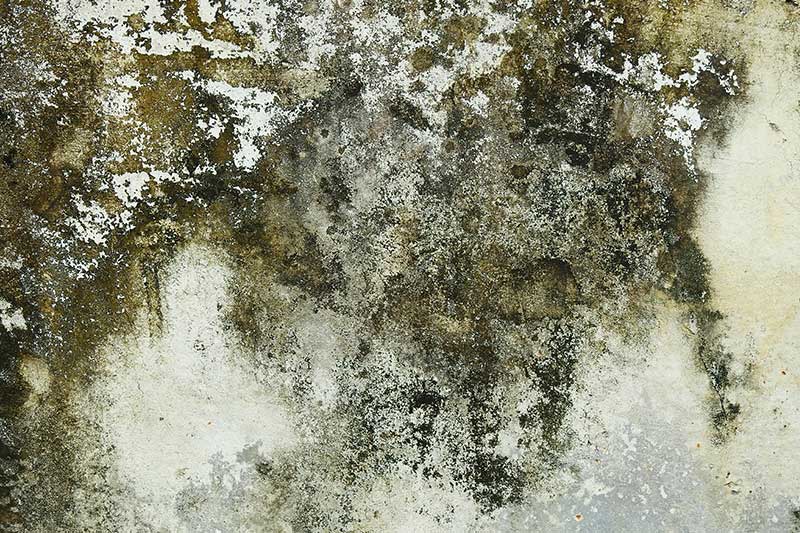
Conclusion: Navigating Mold Issues in Topeka
In Topeka, the legality of getting a mold inspection hinges on the understanding that while there are no specific state-mandated licenses for inspectors, the act itself is a legitimate and often necessary process for property maintenance and health protection. The legal framework in Kansas emphasizes the duty of property owners to maintain habitable conditions. Therefore, a professional mold inspection is a vital tool for identifying, documenting, and addressing mold-related issues, providing objective evidence that can be crucial in property disputes, insurance claims, and ensuring the health and safety of residents. Choosing a qualified, experienced, and ethical inspector is paramount in navigating these concerns effectively.
LifeOutOfTheBox is a participant in the Amazon Services LLC Associates Program, an affiliate advertising program designed to provide a means for sites to earn advertising fees by advertising and linking to Amazon.com. Amazon, the Amazon logo, AmazonSupply, and the AmazonSupply logo are trademarks of Amazon.com, Inc. or its affiliates. As an Amazon Associate we earn affiliate commissions from qualifying purchases.