
Understanding the Legal Landscape of Mold in the Sunflower State
When planning a relocation, booking a long-term rental, or purchasing a property across the plains of Kansas, ensuring a healthy indoor environment is a top priority for savvy travelers and residents alike. A common question that arises among prospective homeowners, tenants, and property investors is whether it is entirely legal to hire a professional to test for indoor fungi. Navigating the regulatory framework of building health requires a clear understanding of state statutes, local ordinances, and consumer rights.
The Statutory Framework Regarding Indoor Air Quality
When looking at the legislative statutes governing the state, there are generally no laws prohibiting a property owner, buyer, or renter from hiring a certified professional to assess indoor air quality. In fact, checking for toxic spores is a standard part of due diligence during real estate transactions in major hubs like Wichita and Kansas City. The state places a strong emphasis on consumer protection, meaning that property buyers and occupants have every right to investigate the physical condition of a building before signing a lease or finalizing a purchase agreement.

However, while the act of hiring an inspector is completely lawful, the regulatory framework governing the inspectors themselves can vary. Unlike some neighboring states that require a specific state-issued license dedicated entirely to mold investigation, Kansas relies heavily on general contractor credentials, home inspector certifications, and industry-standard protocols. This means that while you are legally permitted to test your indoor environment, you must ensure that the specialist you hire operates within ethical boundaries and possesses the proper certifications from recognized national bodies, such as the Indoor Air Quality Association (IAQA).
Tenant Rights and Landlord Obligations
For those visiting or living temporarily in the region—such as digital nomads staying in Overland Park or temporary workers residing in Topeka—understanding tenant rights is crucial. Under local housing codes, landlords are generally obligated to maintain habitable premises. This includes addressing significant moisture intrusion, leaky roofs, and plumbing failures that could lead to hazardous fungal growth.
If a tenant suspects that microscopic spores are affecting their health, they possess the legal right to request an assessment. While landlords are not always mandated by state law to pay for independent evaluations unless a severe breach of the implied warranty of habitability is proven, tenants are entirely within their legal rights to hire an independent third party to conduct an inspection. Renters should always review their lease agreements for specific clauses regarding property alterations, access for third-party contractors, and notification requirements before scheduling any on-site evaluations.
The Inspection Process: What to Expect and Legal Boundaries
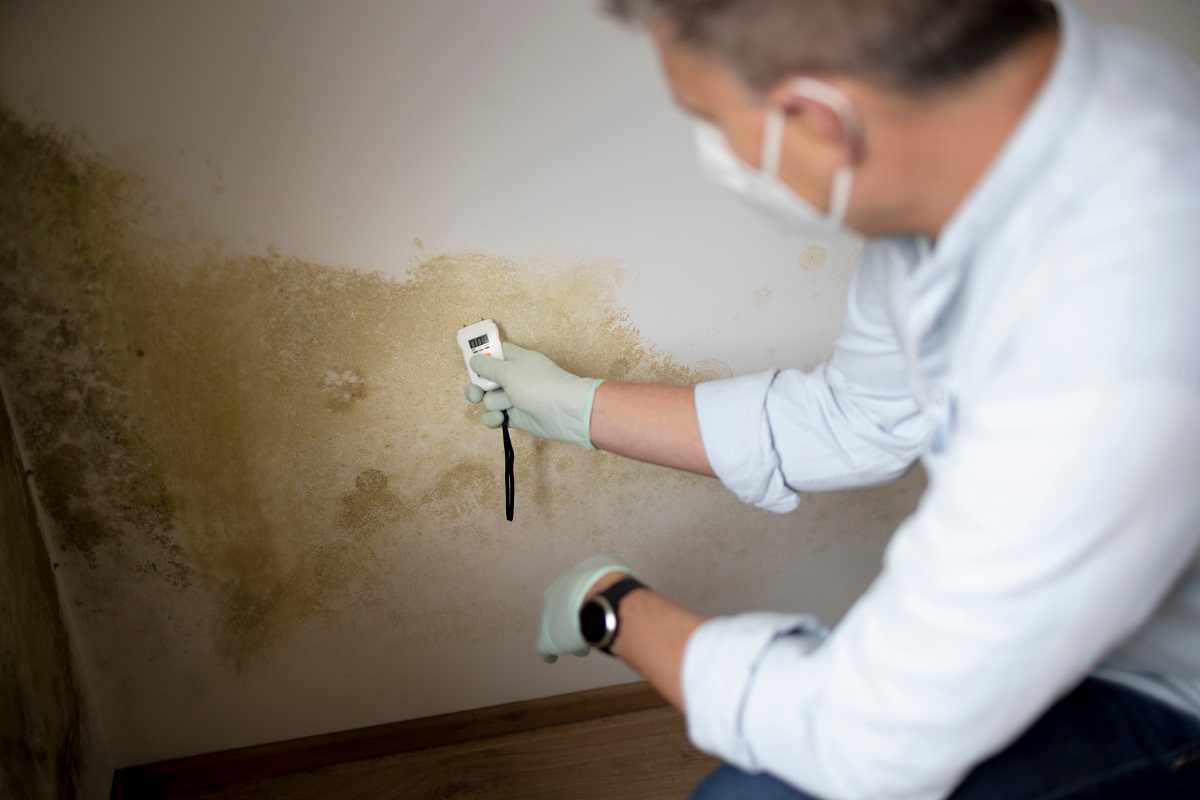
Once you have established that bringing in a professional is fully compliant with state regulations, the next step involves understanding what the process entails. A proper assessment goes far beyond a simple visual check; it often involves scientific sampling to determine the concentration and type of spores present in the indoor air compared to the outdoor baseline.
Visual Assessments Versus Air and Surface Sampling

A comprehensive evaluation typically includes several methodological steps:
- Initial Walkthrough: The specialist examines areas prone to high humidity, such as basements, crawlspaces, and bathrooms.
- Thermal Imaging: Utilizing infrared cameras to detect hidden moisture behind drywall or beneath flooring without causing structural damage.
- Air Spore Trapping: Collecting indoor and outdoor air samples to compare spore concentrations and identify potential allergen triggers.
- Surface Lift Testing: Taking tape or swab samples of visible discoloration to identify specific species, such as Stachybotrys chartarum (commonly known as black mold).
Privacy and Property Access Laws
While property owners and tenants have the legal right to investigate potential health hazards, the execution of these tests must respect private property laws. If you are a renter, you cannot unilaterally grant a contractor access to a multi-unit apartment building’s common areas or exterior structure without landlord notification. Similarly, landlords must provide adequate notice—typically 24 to 48 hours—before allowing an indoor environmental specialist to enter an occupied residential unit, ensuring compliance with state privacy expectations.
Choosing a Qualified Professional in the Midwest
Because the industry is not strictly regulated by a singular state-administered license in Kansas, consumers must exercise caution when selecting an expert. Hiring an unqualified or unethical tester can lead to inaccurate results, inflated remediation costs, or conflicts of interest.
Avoiding Conflict of Interest Scams
One of the most important consumer protection principles in the property inspection industry is the separation of testing and remediation. Ethical standards dictate that the same company that tests the property should not be the one hired to clean up the problem. If a single contractor offers both services, it creates a severe conflict of interest, where the inspector has a financial incentive to exaggerate the severity of the findings. When hiring an expert in cities like Lawrence or Manhattan, always look for independent, third-party specialists who focus exclusively on diagnostics and laboratory analysis.
Verifying Credentials and Certifications
To ensure that your assessment holds weight in a real estate dispute or landlord-tenant negotiation, verify that the professional holds reputable credentials. Look for designations such as:
- ACAC Certification: Administered by the American Council for Accredited Certification, signaling high competency in indoor environmental assessment.
- CIH Status: Certified Industrial Hygienist credentials for complex commercial or residential evaluations.
- Industry Association Memberships: Active standing with organizations like the National Association of Home Inspectors (NAHI) or similar bodies.
Taking Action for a Safe and Healthy Indoor Environment
Ensuring that your living space is free from harmful airborne contaminants is a vital aspect of maintaining personal health and property value. The legal status of testing is clear: individuals living in or visiting the region have every right to inspect their surroundings for biological hazards.
By understanding local tenant laws, respecting property access boundaries, and hiring certified, independent professionals who avoid conflicts of interest, residents can safeguard their homes and investments. Whether you are settling into a permanent residence or evaluating a temporary stay, proactive indoor air quality management guarantees peace of mind across the region’s diverse landscapes.
LifeOutOfTheBox is a participant in the Amazon Services LLC Associates Program, an affiliate advertising program designed to provide a means for sites to earn advertising fees by advertising and linking to Amazon.com. Amazon, the Amazon logo, AmazonSupply, and the AmazonSupply logo are trademarks of Amazon.com, Inc. or its affiliates. As an Amazon Associate we earn affiliate commissions from qualifying purchases.