
The allure of the wild, with its enigmatic creatures and untamed beauty, has always captivated human imagination. While many dream of experiencing nature firsthand, some ponder the possibility of bringing a piece of that wildness into their homes. The question of exotic pet ownership often arises, and in the state of California, renowned for its diverse wildlife and stringent regulations, this inquiry takes on particular significance. One creature that frequently sparks curiosity is the raccoon. These intelligent, masked mammals, often seen scavenging in urban environments, possess an undeniable charm. However, when it comes to their ownership as pets, the answer is far from straightforward. This article delves into the legalities surrounding raccoon ownership in California, exploring the regulations, the potential challenges, and the ethical considerations involved.

Navigating California’s Exotic Pet Laws: A Complex Landscape
California stands as a state with some of the most comprehensive and restrictive laws regarding the ownership of exotic animals. The primary legislative framework governing this area is the California Department of Fish and Wildlife (CDFW) regulations. These rules are designed to protect both public safety and the welfare of the animals themselves. The state classifies a wide array of animals as restricted, meaning their possession, importation, and transportation are subject to strict permits and often outright prohibition.
The rationale behind these regulations is multifaceted. Firstly, exotic animals can pose significant public health and safety risks. They may carry zoonotic diseases transmissible to humans, and their wild instincts can make them unpredictable and dangerous, even if raised in captivity. A cornered or threatened raccoon, despite its cute appearance, possesses sharp claws and teeth capable of inflicting serious injury. Secondly, the introduction of non-native species can have detrimental impacts on local ecosystems. Escaped exotic pets can outcompete native wildlife, spread diseases, or disrupt ecological balances. Finally, the welfare of the animals themselves is a crucial consideration. Wild animals have complex needs – dietary, social, environmental, and behavioral – that are often incredibly difficult, if not impossible, to replicate in a domestic setting.
Understanding the Legal Status of Raccoons in California
To definitively answer whether it is legal to own a raccoon in California, one must consult the specific classifications made by the California Department of Fish and Wildlife. Generally, wild animals indigenous to California, or those deemed to be a significant threat to public health, safety, or the environment, are prohibited.
Prohibited Animals and Their Classification
The California Code of Regulations, specifically Title 14, outlines the list of prohibited species. While the term “raccoon” itself might not appear as a blanket prohibition on every single species, most commonly encountered raccoons, such as the North American raccoon (Procyon lotor), fall under categories that make their private ownership highly restricted or outright illegal for the average individual.
The CDFW categorizes animals based on their potential to cause harm or ecological disruption. These classifications often consider the animal’s native range, its behavior, its potential for disease transmission, and its ability to survive and reproduce in California‘s environment. Many animals that are considered “wild” or “exotic” are inherently classified as prohibited unless specific permits are obtained.
The Role of Permits and Exceptions
It is crucial to understand that California does have provisions for obtaining permits for certain animals. However, these permits are typically reserved for specific purposes, such as:
- Scientific Research: Accredited research institutions may be granted permits to possess animals for scientific study.
- Educational Institutions: Zoos, wildlife sanctuaries, and educational facilities often require permits to house animals for public education and conservation efforts.
- Rehabilitation Centers: Licensed wildlife rehabilitators are permitted to temporarily possess injured or orphaned native wildlife with the goal of releasing them back into their natural habitat.
For an individual seeking to own a raccoon as a pet, obtaining such a permit is exceptionally rare and would likely involve demonstrating a professional need and the capacity to provide highly specialized care that meets stringent welfare standards. Simply wanting a raccoon as a companion animal would not be a valid reason for permit approval.
Challenges and Considerations Beyond Legality
Even if one were to hypothetically overcome the legal hurdles of obtaining a permit, owning a raccoon presents a myriad of practical and ethical challenges that extend far beyond simple legality. These animals are wild by nature, and their intrinsic behaviors are not easily domesticated.
The Nature of Raccoons: Wild Instincts and Needs

Raccoons are highly intelligent, curious, and dexterous creatures. They are known for their problem-solving abilities and their propensity to explore and manipulate their environment, often with destructive consequences for a typical household. Their natural behaviors include:
- Foraging and Scavenging: Raccoons are naturally driven to search for food, which can lead them to open cabinets, raid refrigerators, and destroy property in their quest for sustenance.
- Climbing and Dexterity: With their strong limbs and nimble paws, raccoons are excellent climbers and can scale furniture, curtains, and even walls. They are also adept at opening doors, latches, and containers.
- Nocturnal Activity: Raccoons are primarily nocturnal or crepuscular, meaning they are most active during dusk and dawn, and throughout the night. This can lead to significant disruption for owners accustomed to a diurnal lifestyle.
- Social Structures and Communication: While they can form bonds, raccoons have complex social needs that are difficult to fulfill in captivity. Their communication methods are also distinct from those of domesticated animals.
- Hygiene and Sanitation: Raccoons have a natural inclination to wash their food in water, which can lead to messy habits and a constant need for access to water sources for this purpose. Their waste disposal habits can also be challenging to manage.
Specialized Care and Environmental Requirements
Providing a safe and enriching environment for a raccoon requires a deep understanding of their specific needs. This goes far beyond the provisions for a dog or a cat:
- Diet: A raccoon‘s diet is omnivorous and varied. Replicating a nutritionally complete and balanced diet that mimics their natural food sources is complex and requires expert knowledge.
- Enclosure: A suitable enclosure must be escape-proof, large enough for exercise, and equipped with elements that encourage natural behaviors like climbing, foraging, and hiding. This often involves specialized caging or very secure outdoor habitats.
- Veterinary Care: Finding a veterinarian experienced in treating exotic animals, particularly raccoons, can be extremely difficult and costly. Many regular veterinarians are not equipped to handle the unique health issues of these animals.
- Socialization and Training: While some degree of habituation might be possible, “training” a raccoon in the way one would train a dog is largely unrealistic. Their wild instincts remain, and they can be prone to aggression or unpredictable behavior, especially as they reach sexual maturity.
Ethical Implications of Owning Wild Animals
Beyond the legal and practical aspects, there are significant ethical considerations when contemplating the ownership of a wild animal like a raccoon. Is it truly in the best interest of the animal to be removed from its natural habitat and placed in an environment that can never fully replicate its natural world?
Wildlife is designed to thrive in its native environment, exhibiting natural behaviors and fulfilling ecological roles. Removing an animal from this context, even with the best intentions, can lead to stress, psychological distress, and a diminished quality of life for the animal. Furthermore, promoting the ownership of wild animals, even if legal under specific circumstances, can inadvertently encourage irresponsible practices and contribute to the illegal pet trade.
Many animal welfare organizations and wildlife experts advocate against the ownership of wild animals as pets, emphasizing that the needs of these creatures are best met in their natural habitats or in accredited zoological facilities and sanctuaries where specialized care and conservation efforts can be implemented.
Alternatives to Owning a Raccoon in California
Given the stringent regulations and the inherent challenges, individuals in California who are fascinated by raccoons and other wildlife have several alternative avenues to explore their passion responsibly:
Supporting Wildlife Rehabilitation and Conservation
California is home to numerous dedicated wildlife rehabilitation centers that work tirelessly to rescue, treat, and release injured or orphaned native animals. These organizations often rely on donations and volunteers. Contributing to these centers, either financially or through volunteer work, provides a direct and ethical way to support wildlife. Many centers offer educational programs that allow the public to learn about native species, including raccoons, and understand the importance of conservation.
Visiting Accredited Zoos and Sanctuaries
California boasts several world-class zoological parks and sanctuaries that house a diverse range of animals, including raccoons. These institutions are committed to providing high standards of animal care, engaging in conservation efforts, and educating the public. Visiting these facilities, such as the San Diego Zoo or the Oakland Zoo, offers an opportunity to observe raccoons in a safe, controlled, and enriching environment while learning about their natural behaviors and ecological significance.
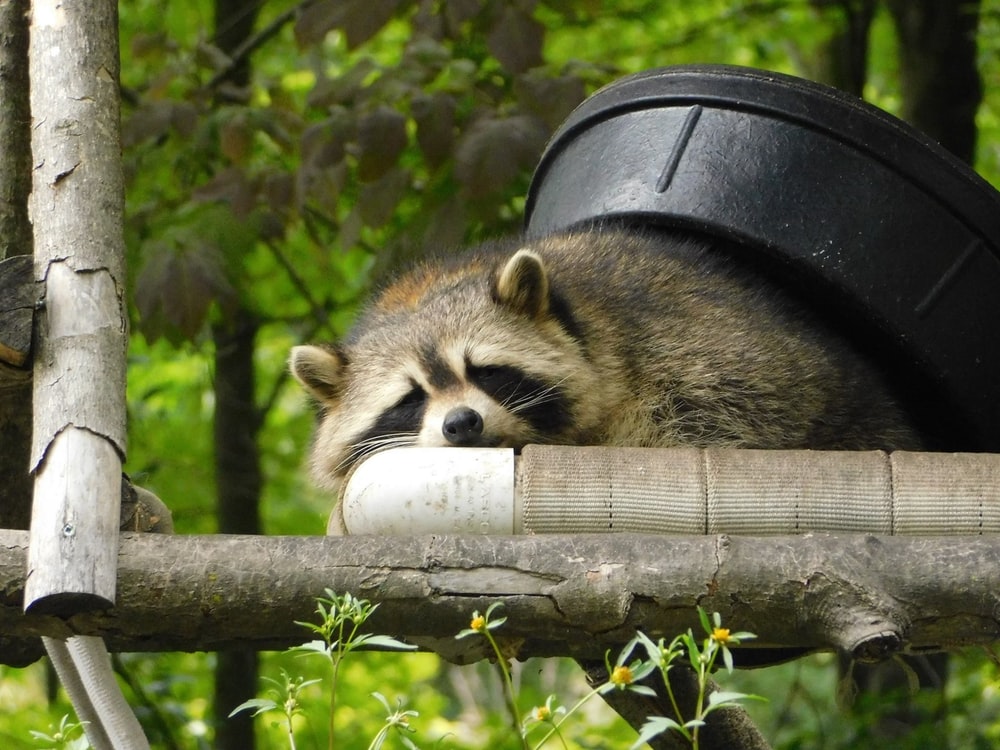
Engaging in Wildlife Observation and Photography
For those who appreciate the wildness of raccoons, responsible wildlife observation and photography in their natural habitats can be an incredibly rewarding experience. Learning to identify local wildlife, understanding their habits, and observing them from a respectful distance allows for a deep connection with nature without compromising the well-being of the animals or violating any laws. This approach fosters a greater appreciation for the natural world and encourages conservation efforts.
In conclusion, while the idea of owning a raccoon in California might seem appealing to some, the reality is that it is overwhelmingly illegal for private individuals. The state’s robust wildlife protection laws, coupled with the complex and demanding needs of these wild animals, make them unsuitable as domestic pets. Instead of pursuing ownership, responsible wildlife enthusiasts are encouraged to explore ethical alternatives that support conservation, education, and the welfare of these fascinating creatures in their rightful place – the wild.
LifeOutOfTheBox is a participant in the Amazon Services LLC Associates Program, an affiliate advertising program designed to provide a means for sites to earn advertising fees by advertising and linking to Amazon.com. Amazon, the Amazon logo, AmazonSupply, and the AmazonSupply logo are trademarks of Amazon.com, Inc. or its affiliates. As an Amazon Associate we earn affiliate commissions from qualifying purchases.