
Navigating the nuances of recording conversations can be a complex legal landscape, especially when you’re traveling or exploring new destinations. Whether you’re a tourist documenting your adventures, a business traveler gathering insights, or simply curious about the legalities, understanding the rules surrounding audio recordings is crucial. This article delves into the specifics of recording conversations in Texas, offering clarity and guidance for residents and visitors alike.
The primary question, “Is It Legal To Record A Conversation In Texas?”, hinges on the state’s approach to consent. Texas operates under a “one-party consent” law, a designation that significantly simplifies the recording process compared to “two-party consent” or “all-party consent” states. This means that as long as one party to the conversation is aware of and consents to the recording, the act is generally legal in Texas. This party can be you, the person doing the recording.
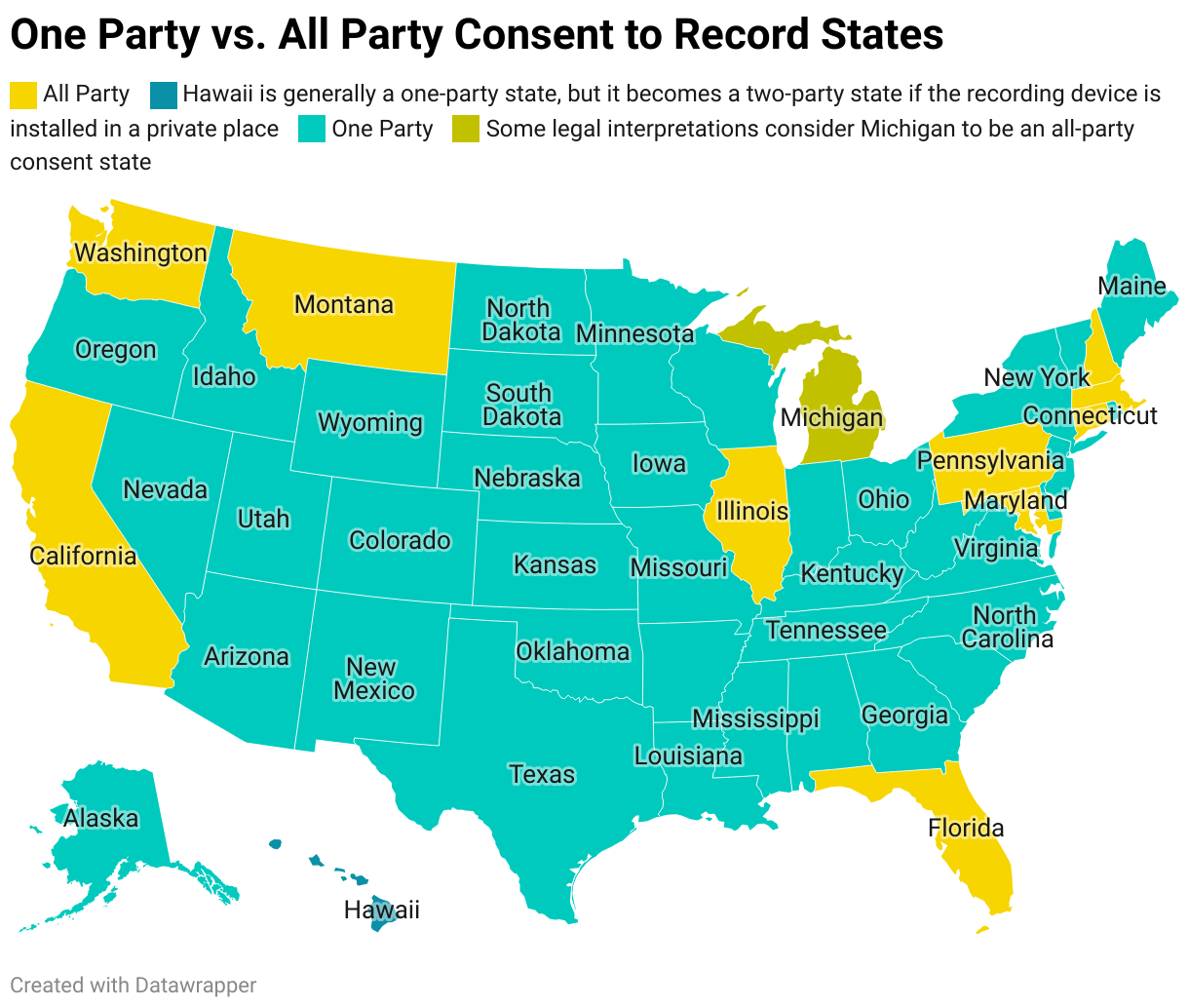
This fundamental principle has broad implications for various scenarios, from casual conversations to more formal exchanges. For travelers exploring the vibrant culture of places like Austin or experiencing the historical richness of San Antonio, this consent law offers a degree of freedom in capturing memories and information. However, it’s essential to remember that while Texas law permits this, ethical considerations and specific contexts might still warrant broader disclosure.
Understanding Texas’s One-Party Consent Law
The Core Principle: Your Consent is Enough
In Texas, the law is quite straightforward regarding the recording of conversations. Under Texas Penal Code §16.02, it is illegal to intercept or record a private communication unless at least one party to the conversation has given prior consent. This means if you are part of the conversation you intend to record, your consent is sufficient for the recording to be legal within the state of Texas.
This “one-party consent” rule applies to both spoken and oral communications. Therefore, if you are having a discussion with someone in Texas, and you are participating in that conversation, you have the legal right to record it without the other participant’s explicit knowledge or permission.
What Constitutes a “Private” Communication?
The “private communication” aspect is key. The one-party consent law generally applies to conversations where the participants have a reasonable expectation of privacy. This means conversations happening in public spaces, where there is no reasonable expectation of privacy, might not be covered by this specific statute in the same way. For instance, recording a public announcement or a conversation happening loudly in a busy Times Square might be less regulated by privacy laws than a hushed discussion in a private room at the Grand Hyatt Hotel.
However, it’s crucial to err on the side of caution. What one person considers public, another might consider private. The intent behind the conversation and the location can both influence the expectation of privacy.
Recording in Public vs. Private Spaces
When you’re enjoying a vacation, perhaps visiting iconic landmarks like the Alamo or exploring the natural beauty of Big Bend National Park, the location of your conversation plays a significant role.
-
Public Spaces: In areas where there is no reasonable expectation of privacy – such as a crowded street in Houston, a bustling marketplace, or a public park – recording is generally permissible without any party’s consent. This is because the expectation of privacy is diminished. For example, capturing the sounds and chatter of tourists exploring the San Antonio River Walk is unlikely to violate privacy laws.
-
Private Spaces: When you move into more private settings, the rules become more stringent. This includes hotel rooms, private residences, or even confidential business meetings. In these scenarios, participants generally have a higher expectation of privacy. Therefore, if you are recording a conversation in a private setting in Texas, and you are not a participant in that conversation, you will need the consent of at least one party who is participating. If you are a participant, your own consent is enough. This distinction is vital when booking accommodations, whether it’s a luxurious villa in Dallas or a cozy apartment for a long-term stay.
Practical Applications for Travelers and Lifestyle Enthusiasts
The one-party consent law in Texas has practical implications for a wide range of activities, from documenting your travel experiences to conducting business or personal matters.
Documenting Your Travels and Experiences
For those who love to capture every moment of their journey, from the vibrant local culture of New Orleans to the serene landscapes of Colorado, recording conversations can be a powerful tool for preserving memories and insights. Imagine documenting your culinary adventures with a chef in Mexico City, or capturing the stories of locals sharing their insights about a historic landmark.
-
Tour Guides and Local Interactions: If you’re on a guided tour in New York City, listening to and potentially recording the guide’s narration is usually acceptable, as they are speaking in a public capacity. Similarly, if you are chatting with fellow travelers at a resort like the JW Marriott San Antonio Hill Country Resort & Spa, and you are part of that conversation, you can record it.
-
Interviews and Storytelling: If your travel style involves deep dives into local life, you might want to record interviews with artisans, business owners, or interesting personalities you meet. As long as you are a participant in the conversation, or you have the consent of at least one other participant, recording these interactions in Texas is generally legal. This allows for richer storytelling, whether you’re exploring budget travel options or indulging in luxury experiences.
Business Stays and Professional Engagements
Business travelers often find themselves in situations where recording might be beneficial, such as during meetings, interviews, or client consultations.
-
Meeting Notes and Follow-ups: Recording a business meeting can serve as an excellent backup for meeting minutes, ensuring accuracy and clarity on action items and decisions. If you are attending the meeting and are a participant, you can legally record it in Texas. However, it is always good practice to inform all participants that the meeting is being recorded, fostering transparency and professionalism, even if it’s not legally mandated for you as a participant.
-
Client Consultations and Negotiations: For professionals like real estate agents discussing property in Florida or consultants advising clients in California, recording consultations can protect both parties by providing an objective record. Again, if you are part of the consultation, your consent is sufficient in Texas.
Lifestyle Choices: Family Trips and Personal Reflections
Even for personal use, understanding the legalities is important.
-
Family Vacations: When on a family trip, capturing candid moments or discussions can be precious. If you’re recording a conversation among family members where you are a participant, it’s legal in Texas. This could be a discussion about plans at a theme park like Six Flags Fiesta Texas or reflecting on an experience at a museum.
-
Personal Journaling and Reflection: Some individuals use recordings for personal journaling, documenting their thoughts and experiences. If you’re recording yourself speaking or a conversation you’re actively involved in, Texas law permits this.
Important Considerations and Ethical Practices
While Texas law permits one-party consent, there are several crucial considerations to keep in mind to ensure you operate ethically and avoid potential misunderstandings or conflicts.
The “Expectation of Privacy” Caveat
As mentioned, the core of recording laws revolves around the expectation of privacy. If a conversation takes place in a setting where individuals would not reasonably expect to be overheard or recorded, it is considered a private communication. Recording such a conversation without the consent of all parties can lead to legal trouble, even if you are a participant.
- Confidential Conversations: Discussions about sensitive personal matters, medical information, or business secrets are inherently private. Even if you are a party to such a conversation in Texas, it’s wise to consider if the other participants would be comfortable with it being recorded.
Recording Laws in Other States and Countries
This is a critical point for travelers. If you are traveling from Texas to another state or country, the recording laws of that jurisdiction will apply.
-
Interstate Travel: If you travel from Texas to a “two-party consent” state, such as California or Florida, you must obtain the consent of all parties to the conversation before recording. This is a common pitfall for travelers who are accustomed to Texas’s more lenient laws. For example, if you attend a conference in Washington D.C. and have a business discussion there, you must adhere to D.C.’s consent laws.
-
International Travel: Recording laws vary significantly worldwide. Some countries have even stricter requirements than the U.S. It is imperative to research the specific laws of any country you visit before recording any conversations. For instance, while you might be used to the freedom of recording in Texas, visiting a country with strong privacy protections will require a different approach.

Ethical Considerations Beyond Legality
Beyond the letter of the law, ethical considerations play a vital role in how we interact with others.
-
Transparency and Respect: Even when legally permissible, informing the other party that you are recording can foster trust and respect. It allows them to decide if they are comfortable with their words being documented. This is particularly important when engaging with individuals in potentially vulnerable situations or when recording for journalistic or documentary purposes.
-
Purpose of Recording: Consider why you wish to record. Is it for personal memory, professional documentation, or something else? Understanding your purpose can help guide your decision-making process regarding consent. For instance, recording a family member’s birthday speech in your home in Houston might be viewed differently than recording a sensitive conversation with a stranger.
-
Data Security: If you are recording sensitive information, ensure you have appropriate measures in place to protect the stored recordings from unauthorized access. This is relevant whether you’re storing audio files on your phone during a trip to Las Vegas or on your personal computer.
In conclusion, Texas’s one-party consent law offers a clear framework for recording conversations within the state. As long as you are a participant in the conversation, or have the consent of at least one other participant, recording is generally legal. However, always be mindful of the expectation of privacy and the laws of other jurisdictions when traveling. By understanding these legal and ethical guidelines, you can navigate the world of audio recording with confidence and respect. Whether you’re exploring the vast landscapes of Texas or enjoying a city break in Chicago, informed decisions about recording will enhance your experiences and interactions.