
Navigating the legal landscape of conversation recording can be a complex undertaking, especially when you’re traveling or engaging in business activities within a specific jurisdiction. For those visiting or residing in Texas, understanding the state’s laws regarding audio and video recording of conversations is crucial to avoid potential legal entanglements. This article delves into the nuances of Texas recording laws, providing clarity for travelers, business professionals, and anyone seeking to document interactions.
Understanding Consent Laws in Texas
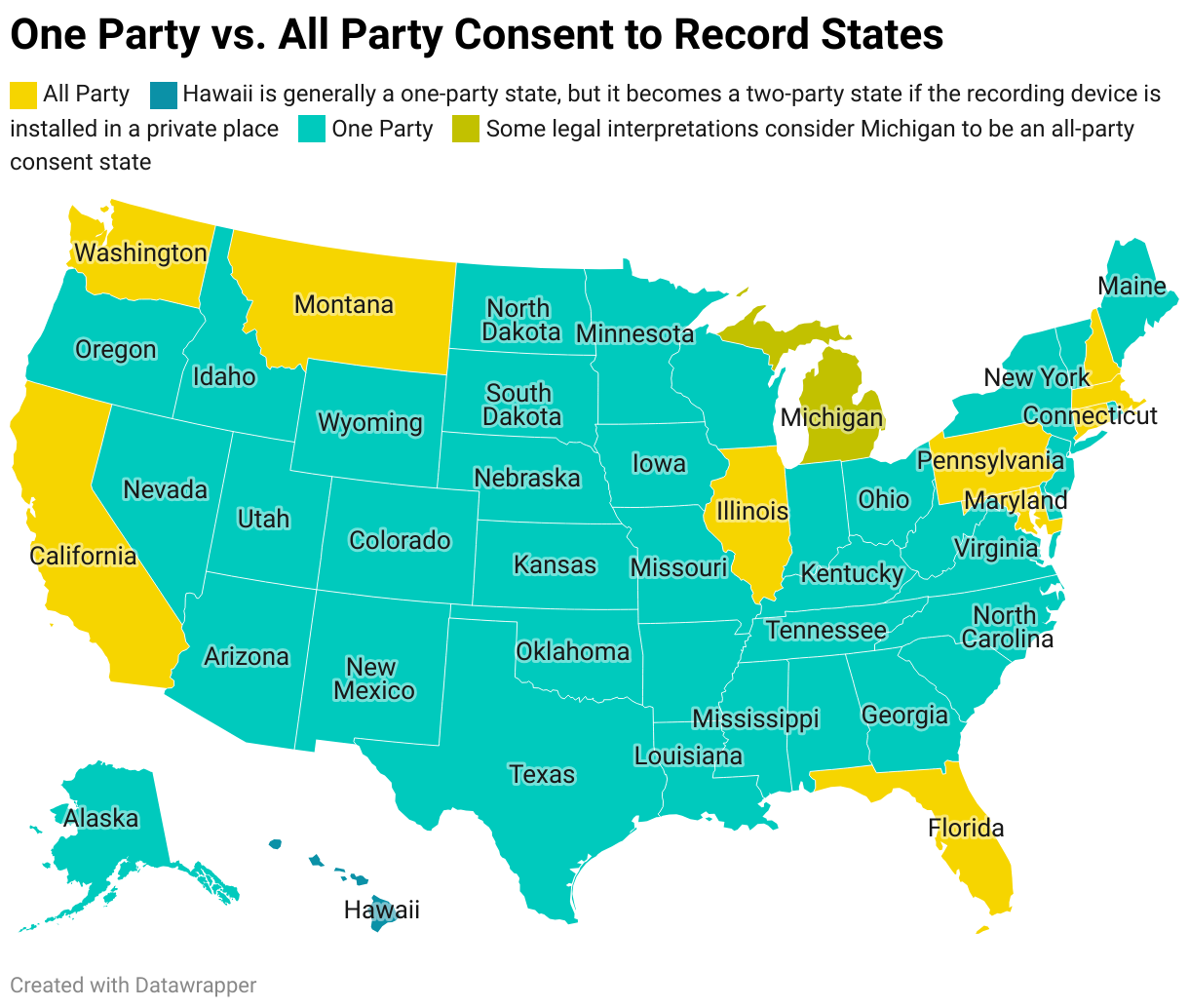
At the heart of conversation recording legality lies the concept of consent. Texas operates under a “one-party consent” rule. This means that as long as at least one party to the conversation is aware of and consents to the recording, it is generally legal to record. This is a significant distinction from “all-party consent” states, where every participant must agree to the recording.
One-Party Consent Explained
In a one-party consent state like Texas, if you are participating in a conversation, you have the legal right to record it without informing the other participants. This applies whether the conversation is in person, over the phone, or through other telecommunication devices. The rationale behind this law is to protect the individual’s right to document their own interactions and gather evidence if necessary.
Exceptions and Important Considerations
While the one-party consent rule simplifies many recording scenarios, it’s essential to be aware of certain exceptions and limitations:
- Expectation of Privacy: The law primarily applies to conversations where there is no reasonable expectation of privacy. This means that recording a public gathering, a conversation in a busy restaurant, or any other situation where individuals might expect to be overheard is generally permissible under one-party consent. However, recording a private conversation in a home, a confidential business meeting, or during a therapy session would likely violate privacy expectations, even with one-party consent.
- Criminal Intent: Recording a conversation with the intent to commit a crime, such as extortion or blackmail, is illegal, regardless of consent laws.
- Wiretapping and Eavesdropping: While one-party consent allows you to record your own conversations, it does not grant permission to secretly record conversations in which you are not a participant. Laws against illegal wiretapping and eavesdropping are strictly enforced.
- Recording in Specific Locations: The legality of recording can also be influenced by the location. For instance, while recording a conversation in a public park might be acceptable, recording within a private establishment without permission from the owner or management could be prohibited by their own policies, even if it doesn’t violate state law.
Practical Implications for Travelers and Businesses in Texas
For individuals traveling to or conducting business in Texas, understanding these consent laws is paramount. Whether you’re a tourist documenting your experiences, a journalist gathering interviews, or a business professional involved in negotiations, knowing the legal boundaries will prevent unintended consequences.
Documenting Tourist Experiences
When visiting iconic Texas landmarks like the Alamo in San Antonio or exploring the vibrant culture of Austin, travelers often wish to capture their experiences. Recording audio or video of your own interactions with tour guides or travel companions is generally permissible under the one-party consent rule. However, it’s important to be mindful of your surroundings and avoid recording private conversations of others without their explicit consent. Some attractions may also have their own specific policies regarding recording, so it’s always wise to check signage or inquire with staff.
Business Operations and Negotiations
In the business world, recording conversations can serve various purposes, from documenting client meetings and training sessions to verifying agreements and protecting against disputes. In Texas, business professionals can legally record conversations in which they are a participant, provided they have the necessary consent. This can be particularly useful in high-stakes negotiations or when dealing with sensitive information.
Strategies for Ensuring Compliance in Business
- Disclose Recording: While not legally required for your own participation, it is often good business practice to inform the other parties that you are recording the conversation. This fosters transparency and can prevent misunderstandings. A simple statement like, “I’d like to record this conversation for our records, is that okay?” can suffice.
- Written Agreements: For critical business discussions, consider having written agreements in place that explicitly address the possibility of recording, especially for ongoing relationships.
- Company Policies: Businesses operating in Texas should establish clear internal policies regarding the recording of conversations by employees, ensuring all staff are aware of and adhere to state laws and company guidelines.
When Recording Might Be Problematic

Despite the one-party consent rule, certain situations warrant extreme caution or an explicit “do not record” approach:
- Private Residences: Recording conversations within someone’s private home without their explicit consent, even if you are present, can be legally problematic due to the heightened expectation of privacy.
- Confidential Communications: Recording privileged communications, such as those between a doctor and patient or a lawyer and client, is almost always illegal and unethical, regardless of consent.
- Public Officials in Private Settings: While recording public officials in public spaces is generally allowed, recording them in private settings or during discussions where a reasonable expectation of privacy exists may require all-party consent or face legal challenges.
Legal Recourse and Penalties
Violating Texas recording laws can lead to significant legal consequences. These can include civil lawsuits for invasion of privacy, where the aggrieved party can seek damages. In more severe cases, particularly those involving criminal intent or illegal wiretapping, criminal charges can be filed, resulting in fines and even imprisonment.
Understanding Civil Liability
If you unlawfully record someone in Texas, you could face a civil lawsuit. The injured party may be entitled to recover damages for invasion of privacy, emotional distress, and any other harm caused by the unlawful recording. The definition of “unlawful” in this context generally refers to situations where there was a reasonable expectation of privacy and no consent from any party was obtained.
Criminal Penalties
Criminal charges are typically reserved for more egregious violations, such as intentional wiretapping, eavesdropping with malicious intent, or recording with the purpose of committing a felony. Penalties can vary depending on the severity of the offense and the specific statutes violated, but they can include substantial fines and jail time.
The Role of Technology and Best Practices
In today’s technologically advanced world, recording devices are ubiquitous, from smartphones to smart home assistants. While these tools offer convenience, they also necessitate a heightened awareness of legal responsibilities.
Recording on Smartphones and Digital Devices
Most modern smartphones are equipped with sophisticated recording capabilities. When using these devices in Texas, remember that the one-party consent rule applies. You can record a conversation if you are a participant and consent to the recording. However, be cautious about accidental recordings or using apps that may surreptitiously record without your full knowledge or consent. Always ensure you understand the privacy settings and functionalities of your devices.
Smart Devices and Privacy
Smart speakers and other Internet of Things (IoT) devices are increasingly common. While these devices are designed to listen for specific commands, they can, in some instances, record conversations. The legality of recordings made by these devices can be complex and depends on the device’s terms of service, user settings, and the specific interaction. In Texas, if you own the device and consent to the recording, it may be legal. However, if the device is recording conversations of others without their knowledge and there is an expectation of privacy, it could lead to legal issues.

Best Practices for Ethical Recording
To ensure you remain on the right side of the law and maintain ethical standards, consider these best practices:
- Always Prioritize Transparency: When in doubt, inform the other party that you are recording. This simple act of courtesy can prevent misunderstandings and legal problems.
- Understand Your Environment: Be mindful of whether there is a reasonable expectation of privacy in the location where you are recording.
- Use Recording for Legitimate Purposes: Record conversations for purposes such as documentation, evidence, or personal record-keeping, not for harassment or illegal activities.
- Secure Your Recordings: Treat recorded conversations as sensitive information. Store them securely and limit access to authorized individuals.
- Consult Legal Counsel: If you are involved in a situation where recording is critical and you are unsure about the legal implications, consult with a qualified attorney in Texas for personalized advice.
By adhering to the one-party consent rule, being mindful of privacy expectations, and employing ethical recording practices, individuals and businesses can navigate the legalities of conversation recording in Texas with confidence, ensuring their interactions are both legally compliant and ethically sound.
LifeOutOfTheBox is a participant in the Amazon Services LLC Associates Program, an affiliate advertising program designed to provide a means for sites to earn advertising fees by advertising and linking to Amazon.com. Amazon, the Amazon logo, AmazonSupply, and the AmazonSupply logo are trademarks of Amazon.com, Inc. or its affiliates. As an Amazon Associate we earn affiliate commissions from qualifying purchases.