
Dispersed camping, often referred to as “boondocking” or “primitive camping,” offers an unparalleled opportunity to immerse oneself in the untamed beauty of nature. California, with its diverse landscapes ranging from rugged coastlines to towering mountain ranges and vast desert expanses, presents an alluring canvas for this style of travel. However, the allure of camping far from designated campgrounds comes with a unique set of considerations, paramount among them being safety. Navigating the wilderness responsibly requires understanding potential risks and implementing proactive measures to ensure a secure and enjoyable experience. This guide delves into the critical aspects of dispersed camping safety in California, empowering adventurers to explore its wild heart with confidence.
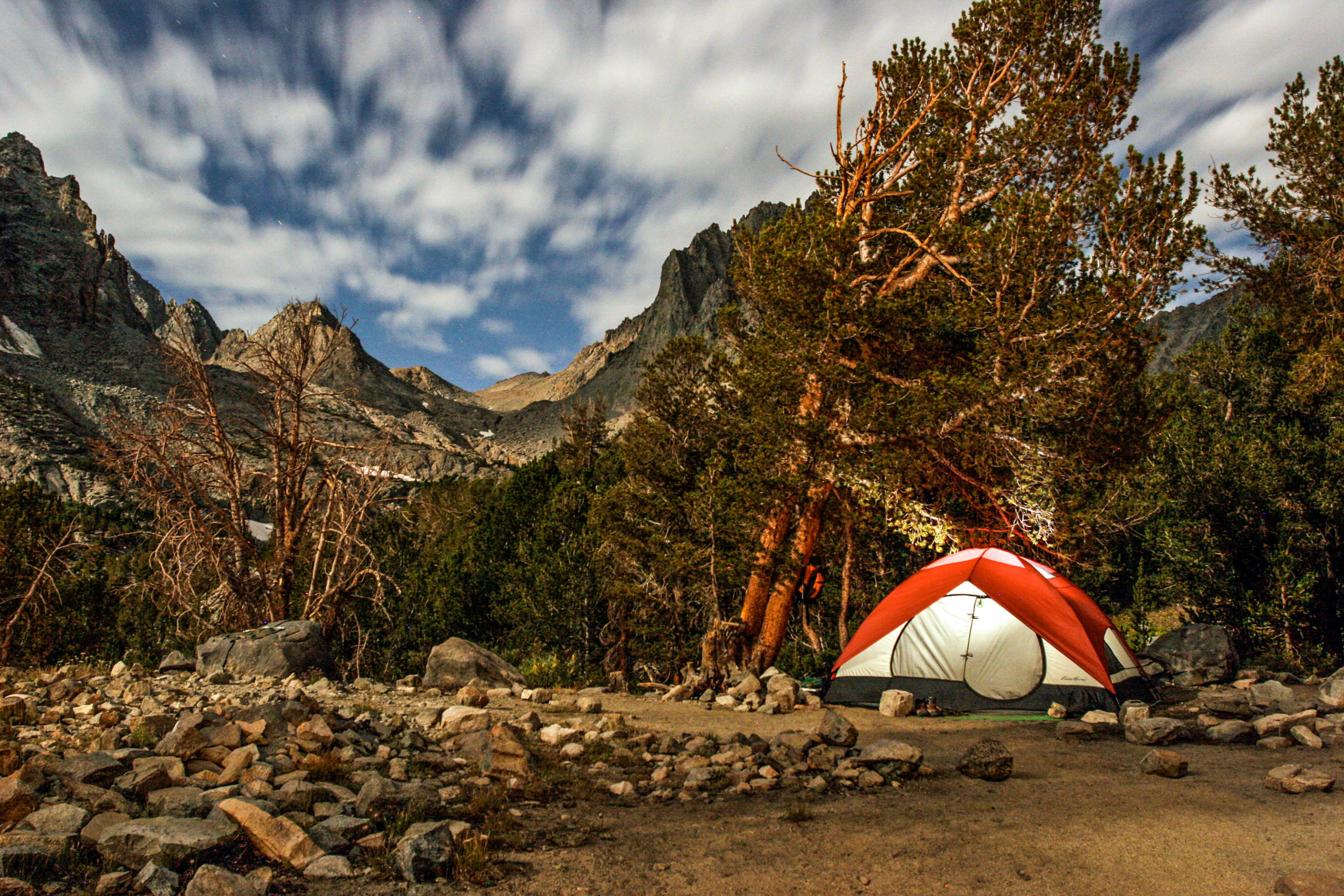
Understanding the Landscape and Its Challenges
California’s expansive public lands, managed by agencies like the Bureau of Land Management (BLM) and the U.S. Forest Service, are prime locations for dispersed camping. These areas, by their very nature, lack the amenities of developed campgrounds—no restrooms, no potable water, no trash disposal, and often, no cell service. This isolation is part of the appeal, but it also amplifies potential hazards.
Environmental Risks
The diverse environments of California present a spectrum of natural challenges that dispersed campers must be prepared for.
Weather Extremes
California experiences a wide range of weather phenomena. The Sierra Nevada mountains can be subject to sudden snowstorms even into late spring, while desert regions like the Mojave National Preserve can see extreme heat. Coastal areas might experience fog and high winds, especially along the Big Sur coastline.
- Heatstroke and Dehydration: In warmer climates, staying hydrated is crucial. Always carry more water than you anticipate needing and be aware of the symptoms of heat exhaustion and heatstroke.
- Hypothermia: Even in summer, mountain elevations can drop significantly at night. Layering clothing and having appropriate sleeping gear is essential to prevent hypothermia.
- Flash Floods: In desert or canyon areas, even distant rainfall can cause dangerous flash floods. Camp in areas with good drainage and be aware of weather forecasts and potential storm clouds.
Wildlife Encounters
California is home to a rich array of wildlife, from the majestic black bear to venomous rattlesnakes. While most animals will avoid human contact, encounters can occur.
- Bears: Properly storing food is paramount. Use bear-resistant containers, hang food bags at least 10 feet off the ground and 4 feet away from the tree trunk, and never leave food or scented items in your tent. Make noise while hiking to avoid surprising bears.
- Snakes: Be aware of your surroundings, especially when stepping over logs or reaching into crevices. Wear sturdy footwear and long pants in snake habitats. If bitten, remain calm, immobilize the bitten limb, and seek immediate medical attention.
- Insects and Pests: Ticks can carry diseases like Lyme disease. Wear protective clothing, use insect repellent, and perform regular tick checks. Mosquitoes can be prevalent, especially near water sources, and can carry West Nile virus.
Terrain and Navigation
Steep slopes, uneven ground, and dense vegetation can lead to falls and disorientation.
- Getting Lost: Always carry a map and compass, and know how to use them. A GPS device or a reliable navigation app on your phone (with downloaded offline maps) can also be invaluable, but don’t rely solely on electronics. Inform someone of your itinerary and expected return time.
- Falls and Injuries: Watch your footing on trails and uneven terrain. Use trekking poles for added stability on steeper or rougher ground. Carry a well-stocked first-aid kit and know basic first-aid procedures.
Human-Caused Risks
While natural hazards are present, human-related factors can also pose significant safety concerns in dispersed camping areas.
Fire Safety
California is prone to wildfires, exacerbated by dry conditions and high winds. Campfires are a common cause of human-ignited fires.
- Campfire Regulations: Always check current fire restrictions before your trip. Many areas have complete fire bans during dry seasons. If campfires are permitted, use established fire rings whenever possible. Keep fires small, attended at all times, and ensure they are completely extinguished before leaving.
- Emergency Preparedness: Know evacuation routes and have a plan in case of a wildfire.
Illegal Activities and Human Encounters
Unfortunately, dispersed camping areas can sometimes attract undesirable activities.
- Vandalism and Theft: While rare, it’s wise to be aware of your surroundings and not leave valuables unattended.
- Drug Cultivation: In more remote areas, illegal marijuana cultivation operations can exist. Be aware of unusual signs like irrigation lines, discarded trash, or the presence of unfamiliar individuals. If you suspect such an operation, do not approach and report it to the appropriate authorities.
Essential Safety Practices for Dispersed Campers
A proactive approach to safety is the cornerstone of successful dispersed camping. This involves thorough planning, appropriate gear, and constant vigilance.
Pre-Trip Planning and Preparation
The safety of your trip begins long before you leave home.
- Research Your Location: Understand the specific regulations for dispersed camping in the area you plan to visit. Check the websites of the California Department of Parks and Recreation, BLM, or Forest Service for rules, permit requirements, and any alerts or closures.
- Check Weather Forecasts: Monitor the weather closely in the days leading up to and during your trip. Be prepared for changing conditions.
- Inform a Contact Person: Leave a detailed itinerary with a reliable friend or family member, including your planned route, campsites, expected return date, and emergency contact information for the relevant land management agency.
- Pack Appropriately:
- Navigation Tools: Map, compass, GPS device or app with offline maps.
- First-Aid Kit: Comprehensive and well-stocked for wilderness scenarios.
- Water: Ample supply or a reliable water filter/purifier.
- Food: Non-perishable, high-energy food, stored in bear-resistant containers.
- Shelter: Tent, sleeping bag rated for expected temperatures.
- Fire Starter: Waterproof matches, lighter, fire starter material.
- Communication Device: Satellite messenger (like a Garmin inReach) for areas with no cell service.
- Sun Protection: Sunscreen, hat, sunglasses.
- Insect Repellent: With DEET or picaridin.
- Bear Spray: If recommended for the area.
- Trowel and Toilet Paper: For proper human waste disposal.
On-Site Safety Protocols
Once you’ve reached your dispersed camping location, maintaining safety requires ongoing awareness and adherence to best practices.
Site Selection
Choosing a safe and responsible campsite is the first step.
- Avoid Hazards: Do not camp in dry creek beds (risk of flash floods), under dead trees or large dead branches (widowmakers), or in areas with obvious animal trails.
- Water Sources: Camp a safe distance from water sources to protect riparian areas and minimize encounters with wildlife drawn to water.
- Visibility and Access: Consider visibility for potential help and ease of access for emergencies.
Camp Management
Maintaining a secure and clean campsite is vital.

- Proper Food Storage: This cannot be stressed enough. Secure all food, trash, and scented items away from your sleeping area.
- Waste Management (Leave No Trace): Pack out everything you pack in, including all trash and food scraps. Dig catholes at least 200 feet from water, camp, and trails for human waste, and then properly bury it.
- Fire Safety: If fires are allowed, keep them contained and fully extinguished. Have water and a shovel readily available.
- Awareness of Surroundings: Be alert to changes in weather, animal activity, or any unusual sounds.
Personal Well-being
Your personal safety and health are paramount.
- Stay Hydrated and Nourished: Drink plenty of water and eat regularly to maintain energy levels.
- Pace Yourself: Don’t overexert yourself, especially in unfamiliar terrain or at high altitudes.
- Communicate: If you have a satellite messenger, use it to check in with your contact person periodically.
- Know Your Limits: If you encounter a situation that feels unsafe or beyond your capabilities, it’s always better to err on the side of caution and turn back.
When Dispersed Camping Might Not Be Safe
While dispersed camping offers immense rewards, there are times when it’s wise to reconsider or seek alternative arrangements.
Severe Weather Warnings
If the forecast predicts severe storms, extreme heat or cold, high winds, or significant precipitation that could lead to dangerous conditions like flash floods or impassable roads, it is advisable to postpone your trip or seek shelter elsewhere.
High Fire Danger
During periods of extreme fire danger, especially when fire restrictions are in place, the risks associated with any open flame, including campfires, become significantly elevated. In such situations, it is safer to avoid dispersed camping altogether or to be exceptionally vigilant and rely on portable stoves for cooking.
Personal Preparedness Gaps
If you find yourself without essential safety gear, lack the necessary navigation skills, or are traveling with individuals who are not adequately prepared for the rigors of primitive camping, it may not be the safest choice. Dispersed camping requires a certain level of self-sufficiency and knowledge.
Unsettling Circumstances
Trust your intuition. If you arrive at a location and feel uneasy due to the presence of suspicious individuals, evidence of illegal activity, or a general sense of unease, it is prudent to move on to a different area or to seek out a designated campground. The peace of mind that comes with feeling secure is an integral part of an enjoyable outdoor experience.
Alternatives and Preparedness Levels
For those seeking to experience California’s public lands without the full commitment of dispersed camping, or for those who wish to transition into it more gradually, several alternatives and levels of preparedness exist.
Developed Campgrounds
The most direct alternative is to utilize the vast network of developed campgrounds across California State Parks and National Forests. These sites offer amenities like restrooms, potable water, picnic tables, and fire rings, providing a more secure and comfortable environment while still allowing for immersion in nature. Reservations are often recommended, especially during peak season.
Primitive or “Walk-In” Campsites
Some areas offer primitive campgrounds that are less developed than standard campgrounds but more structured than true dispersed camping. These may have a few designated spots, a vault toilet, or a fire ring, offering a middle ground in terms of amenities and remoteness.
Gradual Transition to Dispersed Camping
For those new to dispersed camping, starting with areas that have established dispersed camping zones or are known to be frequented by other campers can offer a sense of security. Gradually increasing the remoteness of your chosen sites as your experience and confidence grow is a sensible approach. Practicing essential skills like fire building, navigation, and proper waste disposal in less remote settings before venturing into true wilderness is also highly recommended.
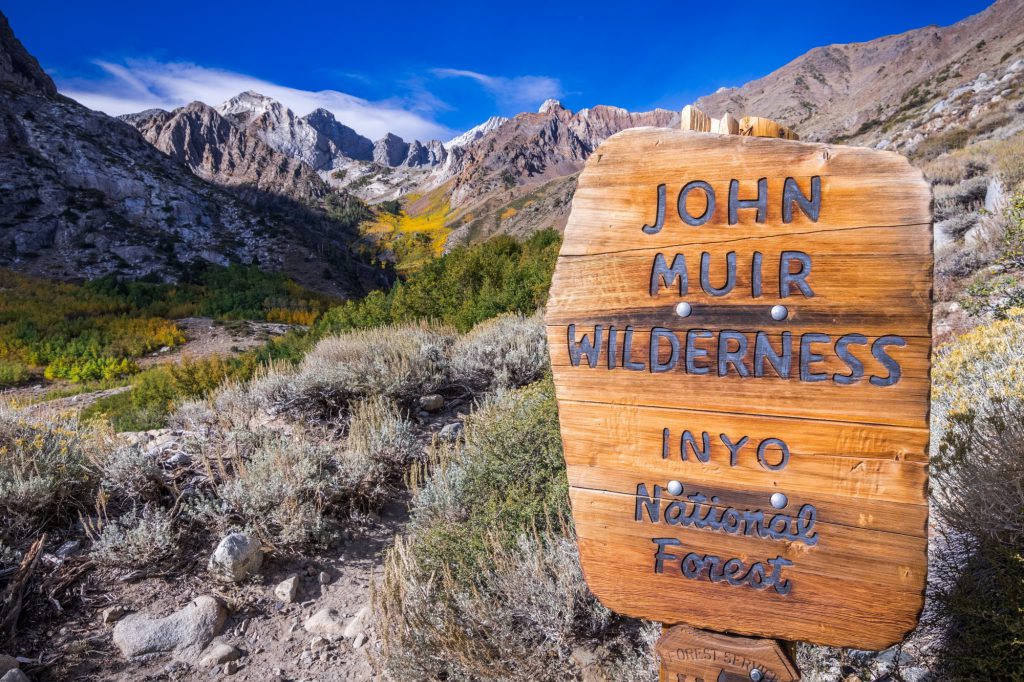
The Importance of the “Ten Essentials”
Regardless of the type of outdoor activity, carrying the “Ten Essentials” is a fundamental aspect of preparedness. These include:
- Navigation: Map, compass, and GPS device or smartphone with offline maps.
- Headlamp/Flashlight: With extra batteries.
- Sun Protection: Sunglasses, sunscreen, hat.
- First Aid: Comprehensive kit.
- Knife: Or multi-tool.
- Fire Starter: Waterproof matches, lighter, tinder.
- Shelter: Emergency bivy or lightweight tarp.
- Extra Food: Beyond minimum needs.
- Extra Water: Or water treatment.
- Extra Clothes: To survive unexpected conditions.
By adhering to these principles and understanding the potential risks, dispersed camping in California can be a safe, rewarding, and deeply enriching experience, allowing you to connect with the state’s breathtaking natural wonders in an intimate and unforgettable way.
LifeOutOfTheBox is a participant in the Amazon Services LLC Associates Program, an affiliate advertising program designed to provide a means for sites to earn advertising fees by advertising and linking to Amazon.com. Amazon, the Amazon logo, AmazonSupply, and the AmazonSupply logo are trademarks of Amazon.com, Inc. or its affiliates. As an Amazon Associate we earn affiliate commissions from qualifying purchases.