
The dazzling allure of Las Vegas is undeniable. From the glittering Strip to world-class entertainment and culinary delights, this desert metropolis beckons millions of visitors each year. Amidst the planning for a memorable trip, a seemingly simple question often arises for health-conscious travelers: “Is it safe to drink tap water in Las Vegas?” Understanding the quality of the water supply in this unique destination is crucial for a comfortable and worry-free experience, impacting everything from your daily hydration to your enjoyment of local cuisine and even your hotel choices.

The availability of potable water in a desert city like Las Vegas is a testament to incredible engineering and a well-managed resource. The primary source of water for the region is the Colorado River, a vital artery for several western states. The water undergoes a rigorous and multi-stage treatment process before it reaches the taps of residents and visitors. This process is overseen by entities like the Southern Nevada Water Authority, which adheres to stringent federal and state regulations to ensure water safety and quality.
The Journey of Las Vegas Water: From Source to Tap
The journey of water in Las Vegas begins with its intake from the Colorado River. This river, flowing through multiple states and serving millions, is a complex and carefully managed resource. The Lake Mead intake, a significant part of the system, draws water that is then transported to state-of-the-art treatment facilities. These facilities are designed to remove impurities, pathogens, and minerals, ensuring the water meets or exceeds all safety standards set by the Environmental Protection Agency (EPA) and the Nevada Department of Health and Human Services.
Rigorous Treatment and Testing Protocols
The treatment process is comprehensive. It typically involves several stages, including:
- Coagulation and Flocculation: Chemicals are added to the water to cause small suspended particles to clump together, forming larger, heavier flocs.
- Sedimentation: These flocs then settle to the bottom of settling basins, removing a significant portion of the solid material.
- Filtration: The water is then passed through various layers of sand, gravel, and charcoal to remove any remaining fine particles and impurities.
- Disinfection: Finally, disinfectants like chlorine or chloramine are used to kill any remaining bacteria, viruses, or other microorganisms. This step is crucial for ensuring the water is safe to drink.
Beyond these physical and chemical treatments, the water undergoes constant monitoring and testing. Samples are collected regularly from various points in the distribution system, including treatment plants, reservoirs, and even from residential and commercial taps. These tests analyze for a wide range of parameters, including:
- Microbiological Contaminants: Testing for the presence of harmful bacteria and viruses.
- Chemical Contaminants: Checking for levels of various chemicals, both naturally occurring and man-made, such as lead, arsenic, and disinfection byproducts.
- Physical Characteristics: Monitoring turbidity (cloudiness), pH levels, and taste and odor.
The Southern Nevada Water Authority publishes annual water quality reports, readily available to the public. These reports detail the results of their extensive testing, providing transparency about the safety and quality of the tap water. Reviewing these reports can offer further peace of mind to travelers concerned about water consumption.
Addressing Common Concerns: Taste and Perception
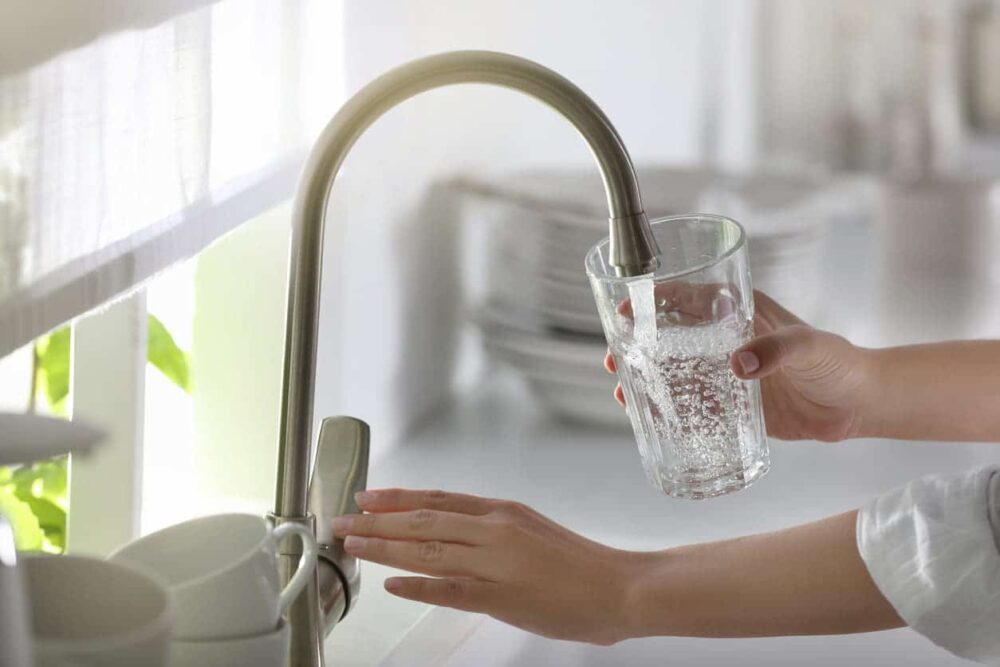
While the tap water in Las Vegas is deemed safe to drink by regulatory bodies, some visitors and even residents express concerns about its taste. The taste of tap water can be influenced by several factors, including the mineral content and the residual disinfectants used. In Las Vegas, the water can sometimes have a slightly different flavor profile compared to water from other regions, which can be attributed to its source and treatment methods.
The Role of Minerals and Disinfectants
The mineral composition of water varies geographically. Water sourced from the Colorado River may contain different mineral levels than water from other sources, which can subtly alter the taste. Similarly, the disinfectants used, particularly chloramine (a combination of chlorine and ammonia), can leave a distinct taste or odor that some individuals find noticeable. While chloramine is an effective disinfectant and is generally considered safe, its taste can be a point of contention for some.
For those who are particularly sensitive to the taste of tap water, or simply prefer a different flavor, several convenient solutions are available throughout Las Vegas.
Options for Palate Preferences
- Bottled Water: This is the most ubiquitous option, readily available in every hotel, restaurant, and convenience store. While a convenient choice, it’s worth noting the environmental impact of single-use plastics. Many hotels offer complimentary bottled water in their rooms, especially in higher-end accommodations like the Bellagio or The Venetian.
- Water Filters: Many hotels now equip their rooms with in-room filtered water dispensers or offer filtered water pitchers upon request. This is an excellent way to enjoy tap water without any perceived taste differences. If your accommodation doesn’t provide this, consider bringing a personal water filter bottle, a sustainable and cost-effective option for frequent travelers.
- Restaurants and Bars: Most restaurants in Las Vegas will offer both tap water and bottled water. When ordering, you can specify your preference.
It’s important to reiterate that the taste of the water does not indicate a lack of safety. The extensive testing and regulatory oversight ensure that any perceived taste difference is not a sign of contamination.
Practical Tips for Travelers in Las Vegas
Ensuring you stay hydrated and comfortable during your Las Vegas adventure is paramount. Beyond the question of tap water safety, there are several practical considerations for travelers. The desert climate, with its low humidity and high temperatures, can lead to rapid dehydration.
Staying Hydrated in the Desert Heat
- Drink Plenty of Fluids: Regardless of whether you choose tap water, bottled water, or other beverages, consistently drinking fluids is essential. Aim to drink water throughout the day, especially if you are spending time outdoors, walking between hotels on the Strip, or engaging in outdoor activities like visiting the Red Rock Canyon National Conservation Area.
- Be Mindful of Alcohol and Caffeine: While enjoying the vibrant nightlife of Las Vegas is a major draw, alcoholic beverages and caffeinated drinks can have a dehydrating effect. Balance your intake of these with plenty of water.
- Carry a Reusable Water Bottle: For eco-conscious travelers and those looking to save money, carrying a reusable water bottle and refilling it at your hotel or designated water stations is a great strategy. Many public spaces and attractions offer free water fountains.

Water and Your Accommodation Choices
When booking your stay, whether it’s a luxurious suite at the Wynn Las Vegas or a more budget-friendly option, you can generally expect safe drinking water to be readily available. Most hotels in Las Vegas have robust water filtration systems for their guests. If you have specific concerns, don’t hesitate to inquire with your hotel’s concierge or front desk upon arrival. They can provide information about their water purification methods or offer alternatives if needed. For extended stays or those seeking apartment-style living, exploring options like serviced apartments or villas might also offer kitchenettes where you can prepare your own beverages or use a personal water filter.
In conclusion, the tap water in Las Vegas is rigorously treated and tested, making it safe for consumption. While taste preferences may vary, various readily available solutions can cater to all palates. By staying informed and mindful of hydration, travelers can confidently enjoy all that Las Vegas has to offer, from its iconic landmarks and thrilling attractions to its diverse culinary scene, without a second thought about the water they drink.
LifeOutOfTheBox is a participant in the Amazon Services LLC Associates Program, an affiliate advertising program designed to provide a means for sites to earn advertising fees by advertising and linking to Amazon.com. Amazon, the Amazon logo, AmazonSupply, and the AmazonSupply logo are trademarks of Amazon.com, Inc. or its affiliates. As an Amazon Associate we earn affiliate commissions from qualifying purchases.