
Florida, often referred to as the Sunshine State, has long been a magnet for travelers from across the United States and around the globe. Its pristine beaches, world-renowned theme parks, vibrant cities, and unique natural landscapes offer an unparalleled array of experiences. However, in an ever-changing world, the question of travel safety is paramount for any discerning traveler. When considering a trip to Florida now, it’s essential to delve into various facets of safety, from health advisories and weather preparedness to local conditions and practical travel logistics. This comprehensive guide aims to provide a detailed overview, helping you make an informed decision for your next unforgettable Florida adventure.

Understanding Current Travel Advisories and Health Measures
The concept of “safety” in travel is multifaceted, encompassing everything from personal well-being to public health and environmental considerations. For Florida, like any popular destination, staying informed about current conditions is the first step in responsible travel planning.
Navigating Health Concerns and Local Protocols
Public health considerations remain a significant factor in travel safety. While general health advisories fluctuate, understanding local protocols is crucial. Travelers should consult official sources such as the Centers for Disease Control and Prevention (CDC) and the Florida Department of Health for the latest guidelines on communicable diseases, vaccination recommendations, and any specific health-related travel requirements or suggestions.
In Florida, many establishments, including hotels, resorts, attractions, and restaurants, have implemented enhanced cleaning protocols and safety measures to ensure visitor comfort and well-being. These might include increased sanitization, staff training, and the availability of hand sanitizing stations. While many mandates have been lifted, individual businesses often maintain practices designed to put guests at ease. It’s always a good idea to check the specific policies of the accommodations and attractions you plan to visit, as these can vary. For example, major theme parks like Walt Disney World Resort and Universal Orlando Resort regularly update their operational guidelines, which are readily available on their respective websites. Staying informed ensures a smoother, more comfortable experience for everyone.
Weather-Related Safety: Hurricanes and Tropical Storms
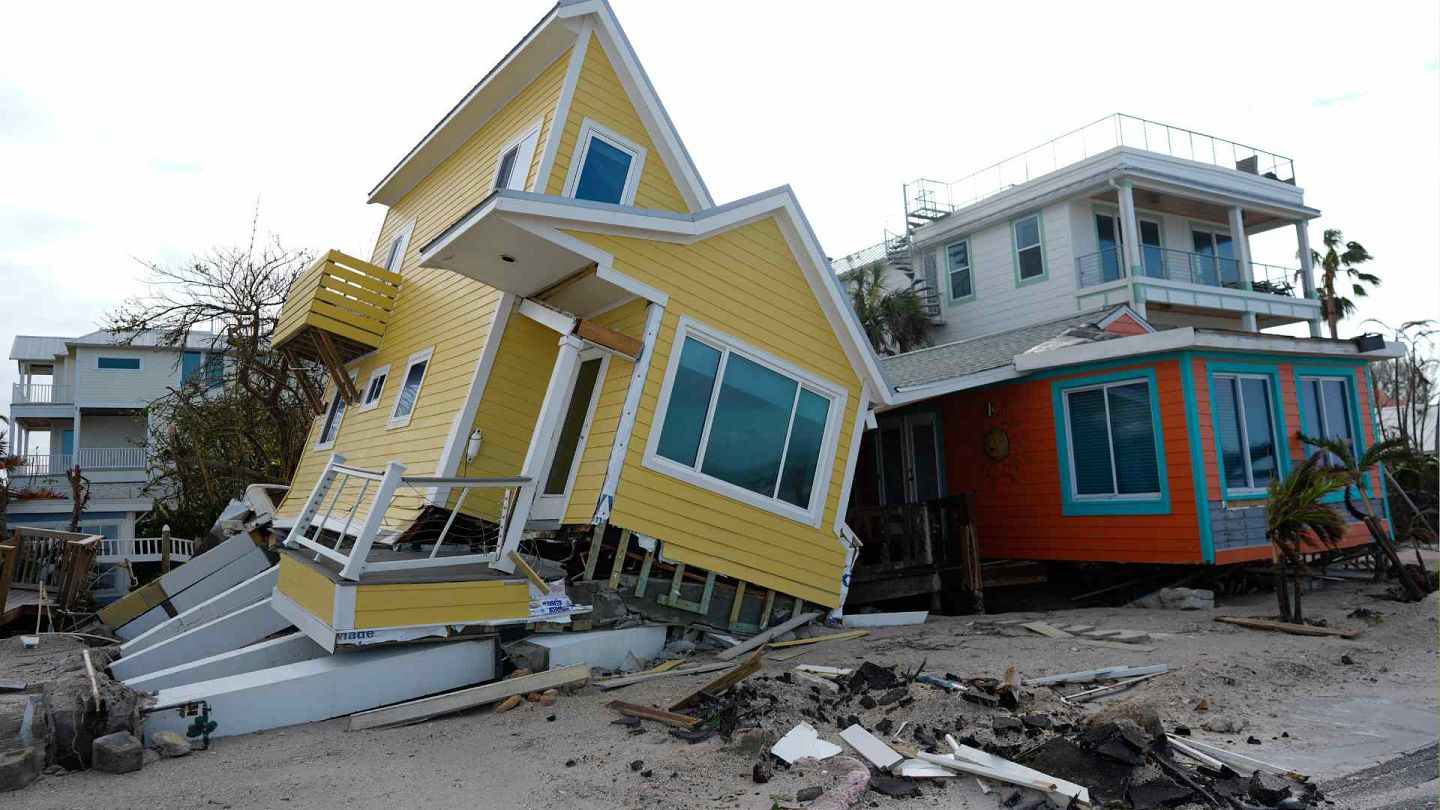
Florida’s geographical location makes it susceptible to tropical storms and hurricanes, particularly during the official hurricane season, which runs from June 1st to November 30th. While these events can be serious, modern weather forecasting provides ample warning, allowing for timely preparations and evacuations if necessary.
Travelers planning a trip during hurricane season should:
- Monitor forecasts: Regularly check the National Hurricane Center (NHC) and local weather reports.
- Consider travel insurance: Comprehensive travel insurance can protect your investment in case of trip cancellations or interruptions due to severe weather.
- Choose flexible bookings: Opt for accommodations and flights with lenient cancellation or rebooking policies.
- Have an emergency plan: Familiarize yourself with your hotel’s evacuation procedures and know how to access local emergency services.
Outside of hurricane season, Florida generally enjoys pleasant weather. Even during summer, while afternoon thunderstorms are common, they are typically brief and localized, rarely disrupting entire days of activities. Being prepared for varying weather conditions, including intense sun, is always advisable, ensuring you pack appropriate clothing and sun protection.
Florida’s Diverse Offerings: Destinations and Experiences
Once health and weather considerations are addressed, the sheer breadth of experiences Florida offers comes into focus. From thrilling attractions to serene natural escapes, there’s something for every type of traveler, each with its own unique safety considerations and charm.
Iconic Attractions and Family Fun
Orlando stands as the undisputed capital of theme parks, drawing millions annually to its magical realms. Walt Disney World Resort, home to Magic Kingdom, Epcot, Hollywood Studios, and Animal Kingdom, alongside Universal Orlando Resort, which features Universal Studios Florida and Islands of Adventure, offer endless entertainment. Other popular attractions include SeaWorld Orlando and Legoland Florida Resort. These destinations prioritize guest safety with rigorous operational standards, security personnel, first aid stations, and clear guidelines for rides and attractions. Crowds can be large, so exercising situational awareness and keeping track of children are essential.
Beyond Orlando, Busch Gardens Tampa Bay in Tampa provides a thrilling mix of roller coasters and African-themed wildlife encounters. Meanwhile, the Kennedy Space Center Visitor Complex on the Space Coast offers an awe-inspiring look into space exploration, with well-managed tours and interactive exhibits ensuring a safe and educational experience.
Coastal Escapes and Natural Wonders
Florida boasts thousands of miles of stunning coastline along the Atlantic Ocean and the Gulf of Mexico. Popular beach destinations like South Beach in Miami, Clearwater Beach, St. Petersburg, Sarasota, Naples, Daytona Beach, Destin, and Panama City Beach are generally safe, with lifeguards often present during peak seasons. However, always observe warning flags regarding rip currents or marine life. Sun protection is critical, as the Florida sun can be intense.
For nature lovers, Everglades National Park offers a unique ecosystem teeming with wildlife. When exploring the Everglades, it’s crucial to stick to marked trails, use reputable tour operators for airboat rides, and respect wildlife by maintaining a safe distance. Mosquito repellent is highly recommended. The Florida Keys, stretching into the Caribbean Sea, provide incredible snorkeling, diving, and fishing opportunities. Safety here involves being aware of marine conditions, using licensed charters, and having appropriate gear. Remote national parks like Dry Tortugas National Park require careful planning regarding boat travel and supplies.
Urban Adventures and Cultural Richness
Florida’s cities offer diverse cultural experiences. Miami is a global hub, famous for its Latin American influences, vibrant nightlife, and iconic Art Deco Historic District. While generally safe, like any major city, it’s wise to be aware of your surroundings, particularly at night, and avoid walking alone in unfamiliar areas. Popular neighborhoods like South Beach, Wynwood Walls, and Little Havana are usually bustling and well-patrolled.
St. Augustine, the nation’s oldest continuously inhabited European-established settlement, offers a journey back in time. The Castillo de San Marcos and its historic streets are generally very safe for exploration. Tampa and St. Petersburg provide a blend of city life, cultural institutions like The Ringling in Sarasota, and beautiful waterfronts. Even the capital city of Tallahassee, home to Florida State University, offers a glimpse into the state’s political and academic life, typically with a calm and safe atmosphere.
Accommodation and Travel Logistics: Planning Your Safe Stay
A significant part of safe travel involves meticulous planning, especially concerning where you’ll stay and how you’ll get around. Florida offers a vast array of options to suit every budget and style.
Choosing Safe and Reputable Accommodations
From luxury resorts in Palm Beach to cozy vacation rentals in Key West, Florida’s accommodation sector is robust. When booking, consider properties that are well-reviewed and have established safety protocols. Look for features like 24-hour front desks, secure access, and well-lit common areas. Many hotels and resorts have dedicated security teams and surveillance systems.

For families, choosing resorts with gated communities or kid-friendly facilities can add an extra layer of comfort. Websites for booking accommodations often include guest reviews that can provide insights into safety and security. When opting for peer-to-peer rentals, ensure the host is reputable and the property has clear check-in/check-out procedures and local emergency contacts. Long-term stays can often benefit from properties that offer additional security features such as alarm systems or on-site management.
Transportation and Getting Around Florida
Florida is best explored with a car, as public transportation options are limited outside of major cities like Miami and Orlando. Renting a car provides flexibility and convenience. Always choose reputable rental agencies, ensure the vehicle is in good condition, and be familiar with local driving laws. Driving in Florida can sometimes be challenging due to heavy traffic, especially in metropolitan areas and on major highways like International Drive or the Overseas Highway in the Florida Keys. Defensive driving is recommended.
Ride-sharing services like Uber and Lyft are widely available in urban centers and tourist hubs, offering a convenient alternative to taxis. Always verify your ride-share driver and vehicle before entering. For longer distances or specific routes, dedicated shuttle services or buses might be an option, particularly between airports and major resorts. Air travel within Florida is efficient, with numerous airports connecting various regions, making it safe and easy to traverse the state.
Essential Travel Tips for a Worry-Free Trip
Beyond general safety, a few specific tips can enhance your travel experience in Florida:
- Stay Hydrated and Sun Protected: The sun in Florida is intense. Drink plenty of water and use high-SPF sunscreen, hats, and sunglasses. Seek shade during the hottest parts of the day.
- Guard Against Pests: Mosquitoes and other biting insects are common, especially in natural areas like Everglades National Park or Big Cypress National Preserve. Pack insect repellent.
- Protect Valuables: Be mindful of your belongings in crowded tourist areas and at the beach. Use hotel safes for passports and expensive items.
- Be Aware of Marine Life: When swimming or snorkeling, be aware of jellyfish, stingrays, and other marine creatures. Avoid touching or harassing wildlife.
- Know Emergency Contacts: Have local emergency numbers (911 in the United States) readily available.
- Travel Insurance: As mentioned, comprehensive travel insurance is always a good idea, covering medical emergencies, trip cancellations, and lost luggage.
A Closer Look at Specific Florida Destinations
To provide a more granular perspective on safety, let’s briefly touch upon what to expect in some of Florida’s most beloved destinations. Each area, while part of the larger state, has its own unique rhythm and considerations.
Orlando: The Theme Park Capital
Orlando is built around tourism, and safety is paramount for its major theme parks and attractions. Security is visible and robust at places like Walt Disney World Resort and Universal Orlando Resort. The city’s tourist corridors, like International Drive, are generally well-maintained and patrolled. The primary concerns here relate to managing crowds, especially with children, and being aware of opportunistic petty theft.
Miami: Culture and Coastline
Miami is a cosmopolitan city with diverse neighborhoods. Areas popular with tourists, such as South Beach, the Art Deco Historic District, Little Havana, and Wynwood Walls, are generally safe during the day and evening, with a strong police presence. As with any large urban center, exercising caution at night, especially in less-trafficked areas, and avoiding displaying overt signs of wealth is advisable. Water safety in Biscayne Bay and the ocean is also important; always swim in designated areas and be aware of boat traffic. The city’s upscale resorts, like Vizcaya Museum & Gardens, offer a secure and luxurious environment.
The Florida Keys: Island Paradise
The Florida Keys offer a relaxed, island-style atmosphere. Safety concerns here often revolve around water activities and the unique challenges of a remote island chain. When driving the Overseas Highway, be mindful of speed limits and scenic distractions. In towns like Key West, Key Largo, and Islamorada, petty crime can occur, so securing valuables is wise. Boating, diving, and snorkeling require adherence to safety guidelines and the use of reputable operators. Exploring landmarks like the Ernest Hemingway Home & Museum is a tranquil and safe experience.
The Gulf Coast: Beaches and Culture
Destinations like St. Petersburg, Sarasota, Naples, Sanibel Island, and Captiva Island on the Gulf of Mexico are generally considered very safe, with a relaxed pace of life. The primary draw is the beautiful beaches, which are typically well-maintained. The main safety considerations here are typical beach safety (sun, currents) and being respectful of the natural environment, particularly in areas known for bird nesting or sea turtle habitats.
The Panhandle and Emerald Coast
The Emerald Coast, encompassing popular spots like Destin, Panama City Beach, and Pensacola, is known for its stunning white sands and emerald waters. These areas are popular family destinations and are generally safe. During peak seasons, crowd management and responsible behavior are key. The universities in this region, like Florida State University in Tallahassee or the University of Florida in Gainesville, add a lively, youthful demographic but do not significantly impact tourist safety in coastal towns.
Embracing Florida’s Lifestyle Responsibly
Traveling to Florida is not just about visiting places; it’s about immersing oneself in a unique lifestyle. Whether you’re seeking luxury travel or a budget-friendly family trip, responsible choices enhance both safety and enjoyment.
Budgeting for Safety and Enjoyment
Safety doesn’t always come with a high price tag, but adequate budgeting can prevent undue stress and allow for safer choices. Allocating funds for comprehensive travel insurance, reputable transportation, and well-reviewed accommodations can mitigate many risks. For budget travelers, researching free activities, utilizing public parks, or opting for self-catering accommodations can be cost-effective without compromising safety. Family trips often require a larger budget for attractions and child-friendly facilities, which often come with higher safety standards. Business stays, while sometimes covered by corporate budgets, still benefit from personal vigilance regarding security at hotels and during transit.
Sustainable and Ethical Tourism Practices
Beyond personal safety, considering the safety and well-being of Florida’s environment and communities is vital. Practicing sustainable tourism means:
- Respecting Wildlife: Keep a safe distance from animals, especially in natural habitats like Everglades National Park or around Lake Okeechobee. Never feed wild animals.
- Minimizing Environmental Impact: Dispose of waste properly, avoid disturbing natural ecosystems, and conserve water and energy.
- Supporting Local Businesses: Engaging with local culture, food, and activities responsibly helps the community thrive.
- Understanding Local Customs: While Florida is diverse, being respectful of local norms and residents enhances your experience and contributes to a harmonious environment.
By making conscious choices, travelers can ensure that their visit not only brings personal enjoyment but also contributes positively to the destination. Florida’s allure as a travel destination remains strong, offering sun, fun, and adventure for everyone.
Conclusion
So, “Is it safe to travel to Florida now?” The answer is overwhelmingly yes, provided you approach your trip with awareness, preparedness, and a commitment to responsible travel. By staying informed about health guidelines, being mindful of weather patterns, choosing reputable accommodations and transport, and exercising general caution, you can confidently enjoy all the wonders the Sunshine State has to offer. From the thrilling rides of Orlando to the serene beaches of Amelia Island and the vibrant culture of Miami, Florida continues to be a safe and welcoming destination for travelers seeking diverse experiences. Plan smart, travel safe, and prepare to make unforgettable memories in one of the world’s most cherished vacation spots.
LifeOutOfTheBox is a participant in the Amazon Services LLC Associates Program, an affiliate advertising program designed to provide a means for sites to earn advertising fees by advertising and linking to Amazon.com. Amazon, the Amazon logo, AmazonSupply, and the AmazonSupply logo are trademarks of Amazon.com, Inc. or its affiliates. As an Amazon Associate we earn affiliate commissions from qualifying purchases.