
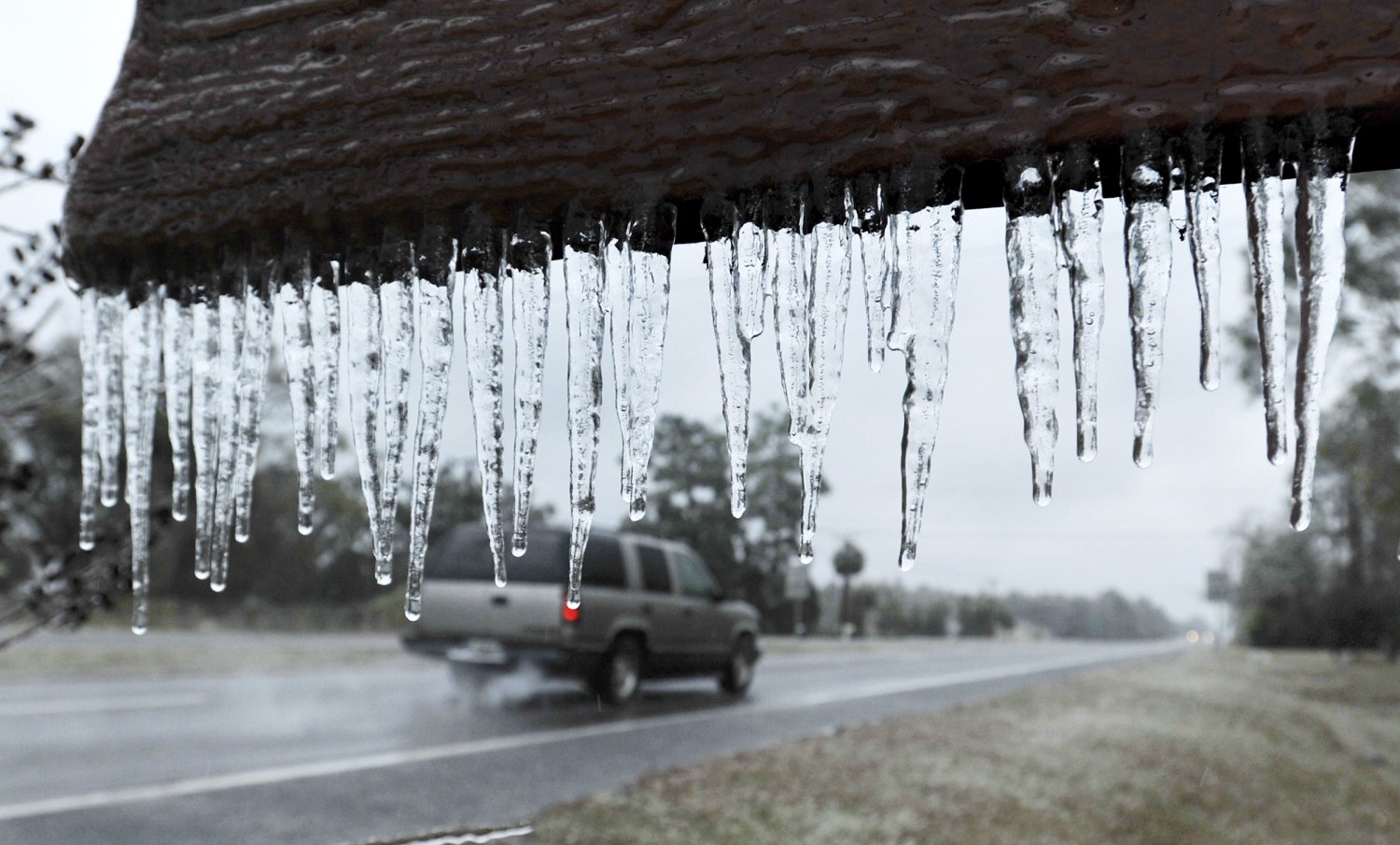
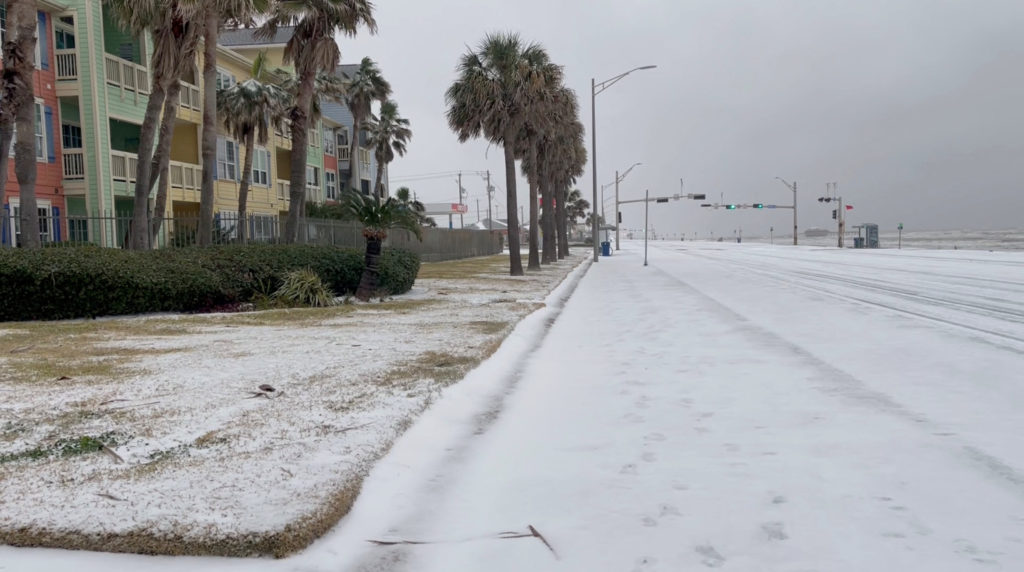
The question “Is it snowing in Florida today?” is one that often elicits a chuckle from residents and a wistful sigh from those dreaming of a white winter in the Sunshine State. Known globally for its radiant sunshine, pristine beaches, and balmy temperatures, Florida is almost synonymous with perpetual summer. For most of the year, and indeed, most days, the idea of snowfall gracing its palm-lined streets is as whimsical as spotting a mermaid lounging on South Beach. Yet, the climate can be unpredictable, and the state, particularly its northern regions, has experienced rare, albeit fleeting, encounters with snow.
For travelers planning a visit, understanding Florida’s climate is crucial for packing and setting expectations. Whether you’re dreaming of a sun-drenched escape, an adventure through world-class theme parks, or a tranquil retreat into nature, the likelihood of a snowy landscape is remarkably low. Instead, prepare for a vibrant tapestry of experiences, from the bustling cityscapes of Miami and Orlando to the historical charm of St. Augustine and the natural wonders of Everglades National Park. This guide delves into the realities of Florida’s weather, explores its rare snowy past, and, most importantly, helps you plan an unforgettable trip that embraces everything the Sunshine State genuinely offers.
The Rarity of Snow in Florida: A Climate Overview
Florida proudly holds its title as the Sunshine State, a moniker earned through its consistently warm temperatures and abundant sunny days. This reputation, however, often leads to misconceptions about its weather variability. While snow is indeed a rare phenomenon, it’s not entirely an urban legend. Understanding the climatic factors that dictate Florida’s weather patterns is key to appreciating why snow is so exceptional.
Understanding Florida’s Subtropical Climate
The majority of Florida lies within a humid subtropical climate zone, characterized by hot, humid summers and mild to warm winters. The southern tip of the peninsula, including areas like Miami and Key West, even extends into a tropical climate, where frost is virtually unheard of. This climatic distinction is primarily due to Florida’s geographical position, nestled between the warm waters of the Atlantic Ocean and the Gulf of Mexico, and its low latitude within the United States. These factors contribute to a significant moderation of winter temperatures, preventing the sustained cold necessary for widespread snowfall.
For snow to fall and accumulate, a specific set of atmospheric conditions must align: temperatures in the atmosphere from the clouds all the way down to the ground must be at or below freezing (32°F or 0°C). While cold fronts occasionally sweep through Florida, particularly in the northern parts, these cold snaps are typically short-lived and usually don’t bring the necessary moisture combined with prolonged freezing temperatures at all atmospheric levels. The lowest temperatures are usually recorded in the northernmost counties, which share a border with Georgia and Alabama, making them the most likely (though still highly unlikely) candidates for experiencing snow.
Historical Snowfall Events: When Florida Has Seen White
Despite its reputation, Florida has, on extremely rare occasions, witnessed snowfall. These events are so infrequent and localized that they become significant historical markers for residents. The earliest recorded snowfall in Florida occurred on January 19, 1774, described by a local writer as an “uncommon white rain.” Since then, most recorded snow events have been confined to the northern and central parts of the state, with southern Florida remaining virtually untouched.
Perhaps the most famous and widespread snowfall event happened on January 19, 1977. On this remarkable day, snow flurries were reported as far south as Miami Beach, marking the only time in recorded history that snow reached the southern tip of the peninsula. While accumulation was minimal and short-lived, it caused a sensation and remains a vivid memory for those who experienced it. Other notable occurrences include:
- February 13, 1899: A severe cold wave brought significant snowfall to much of Florida, with reports of several inches in some areas. This remains one of the coldest outbreaks in United States history.
- December 22, 1989: Parts of Jacksonville and Tallahassee received a coating of snow, delighting residents with a rare winter scene just before Christmas.
- January 2010 and January 2018: These years saw brief flurries in various northern Florida cities, including Tallahassee and parts of the Panhandle, often melting as soon as they hit the ground.
These instances underscore just how extraordinary snow is in Florida. They are typically the result of an unusual confluence of extremely cold air plunging unusually far south and sufficient moisture being present. For the overwhelming majority of visitors, a winter trip to Florida will involve pleasant, mild weather, perfect for enjoying outdoor activities without the need for heavy coats or snow boots.
What to Expect When Visiting Florida: Beyond the Winter Wonderland Fantasy
For most travelers, the allure of Florida lies in its promise of warmth and endless activities, far removed from the notion of a winter wonderland. Understanding the state’s true character is essential for planning an enriching travel experience. Florida thrives on its vibrant tourism industry, offering diverse destinations and attractions catering to every taste, year-round.
Embracing Florida’s Year-Round Warmth and Sunshine
Instead of snow, visitors to Florida should anticipate a climate that encourages outdoor exploration and relaxation. Even in the cooler months, temperatures are typically comfortable, often ranging from the 60s to 70s Fahrenheit (15-25°C) in central and southern Florida. This idyllic weather makes it a prime escape for those fleeing colder climates, transforming the state into a haven for various activities.
Imagine strolling along the sandy shores of Clearwater Beach, teeing off on a championship golf course in Naples, or exploring the vibrant art scene in St. Petersburg – all under a clear blue sky. Water sports, from kayaking through mangrove tunnels to paddleboarding in the calm Gulf Coast waters, remain popular throughout the “winter.” Florida’s mild climate also supports a rich natural environment, making it ideal for wildlife viewing, hiking, and cycling in its numerous state parks and preserves. The emphasis here is on warmth, relaxation, and an active lifestyle, rather than donning winter gear.
Top Destinations and Attractions for Every Season
Florida’s appeal lies in its incredible variety. Whether you’re seeking thrills, tranquility, history, or culture, there’s a destination perfectly suited for your preferences.

- Theme Park Capital: Orlando is undeniably the heart of Florida’s theme park scene, home to Walt Disney World Resort, Universal Orlando Resort, and SeaWorld Orlando. These parks offer immersive experiences for families and thrill-seekers alike, making Orlando a perennial favorite. For younger children, LEGOLAND Florida Resort in Winter Haven provides another fantastic option.
- Beach Paradises: The state boasts miles of world-renowned coastline. On the Atlantic Coast, South Beach in Miami Beach offers glitz and glamour, while Daytona Beach is famous for its hard-packed sands where cars are allowed. The Gulf Coast provides calmer, often warmer waters and stunning sunsets, with gems like Siesta Key and Sanibel Island known for their shelling opportunities. The Panhandle region, including Destin and Panama City Beach, offers sugar-white sand beaches and emerald waters.
- Historical Gems: St. Augustine, the oldest continuously inhabited European-established settlement in the United States, is a treasure trove of history. Visitors can explore the ancient walls of the Castillo de San Marcos, wander through the St. Augustine Historic District, and immerse themselves in centuries of stories.
- Nature and Wildlife: Everglades National Park offers a unique ecosystem unlike anywhere else in the world, perfect for airboat tours and spotting alligators. The Dry Tortugas National Park, accessible by ferry from Key West, combines history with incredible snorkeling. For marine enthusiasts, the Clearwater Marine Aquarium provides an opportunity to learn about marine rescue and rehabilitation.
- Cultural Hubs: Cities like Sarasota boast a thriving arts scene, exemplified by the magnificent Ringling Museum. Miami offers a vibrant blend of Latin American culture, stunning Art Deco Architecture in Miami Beach, and world-class museums such as the Vizcaya Museum & Gardens. The Salvador Dalí Museum in St. Petersburg is another must-visit for art lovers.
Planning Your Florida Getaway: Accommodation and Travel Tips
Planning your Florida trip involves considering various accommodation options and practical travel guides. From luxurious resorts to budget-friendly apartments and villas, the state offers a spectrum of choices to suit every traveler’s lifestyle and budget.
- Hotels and Resorts: Florida is home to some of the world’s most opulent hotels and resorts. For example, The Breakers Palm Beach offers a historic luxury experience, while the Four Seasons Resort Orlando at Walt Disney World Resort combines premium amenities with theme park access. Fontainebleau Miami Beach is an iconic choice for those seeking vibrant nightlife and exquisite dining. On Amelia Island, the Ritz-Carlton, Amelia Island provides a tranquil, upscale escape. For families visiting Universal Orlando Resort, staying at a premier property like the Loews Portofino Bay Hotel offers early park admission and resort benefits.
- Vacation Rentals: For longer stays, family trips, or those seeking more space and privacy, vacation rentals such as villas and apartments are widely available. Websites for booking these properties offer extensive options, allowing travelers to experience Florida like a local.
- Transportation: A rental car is often the most convenient way to explore Florida’s diverse regions, especially if you plan to visit multiple cities or landmarks. Public transportation is robust in major cities like Miami and Orlando, but less comprehensive for intercity travel.
- Packing Essentials: Regardless of the season, essentials include light clothing, swimwear, sunscreen, a hat, and comfortable walking shoes. Even in winter, a light jacket or sweater is usually sufficient for cooler evenings.
When the Unexpected Happens: Preparing for Unusual Weather
While snow is an extreme rarity, Florida is not entirely immune to weather variations. Understanding what constitutes “unusual weather” in the Sunshine State can help travelers prepare for any eventuality, ensuring safety and continued enjoyment.
Cold Snaps and “Florida Winter” Realities
The concept of a “Florida winter” is unique. While it doesn’t involve snow for most, it does mean cooler temperatures, especially from December to February. Northern Florida (e.g., Tallahassee, Jacksonville) can experience occasional frosty mornings and daytime temperatures in the 50s Fahrenheit (10-15°C). Even central Florida (e.g., Orlando, Tampa) can see temperatures dip into the 40s (4-9°C) overnight, though daytime highs usually rebound quickly. Southern Florida (e.g., Miami, Fort Lauderdale, Key West) remains the warmest, with typical winter lows in the 60s Fahrenheit (15-20°C).
These cold snaps are usually brief, lasting only a few days before warmer air returns. They are not to be confused with a prolonged, harsh winter, but they are cold enough to warrant a light jacket or sweater, particularly in the evenings or early mornings. It’s a pleasant reprieve for many, allowing for comfortable outdoor activities without the intense heat and humidity of summer.
Safety and Enjoyment During Cooler Temperatures
When cooler weather arrives, your Florida vacation can still be incredibly enjoyable. Here are some tips for making the most of it:
- Layer Up: Pack versatile clothing that can be layered. A light t-shirt, a long-sleeved shirt, and a comfortable jacket or sweater will prepare you for fluctuating temperatures throughout the day.
- Indoor Attractions: While much of Florida’s appeal is outdoors, there are countless indoor attractions to enjoy. Museums like the Salvador Dalí Museum in St. Petersburg, the Kennedy Space Center Visitor Complex near Cocoa Beach, or the bustling shopping malls and dining scenes in major cities provide excellent alternatives.
- Warm Beverages & Cuisine: Embrace the opportunity to enjoy Florida’s diverse food scene with a warm coffee or a hearty meal. Many restaurants offer cozy indoor seating or heated outdoor patios.
- Embrace the Off-Season Perks: Cooler months often mean fewer crowds at popular attractions and potentially better deals on accommodation and travel, especially outside of holiday periods.
Experiencing Florida: A Lifestyle of Sunshine and Adventure
Florida truly offers a lifestyle for everyone, whether you’re seeking luxury travel, a budget travel adventure, a memorable family trip, or a focused business stay. Its constant warmth and incredible diversity of destinations make it a premier choice for millions of visitors annually.
Luxury vs. Budget: Tailoring Your Florida Experience
Florida caters to a wide spectrum of budgets and preferences:
- Luxury Travel: For those seeking indulgence, cities like Palm Beach, Naples, and South Beach in Miami offer high-end resorts, gourmet dining, designer shopping, and exclusive experiences. Private yacht charters, spa retreats at five-star hotels, and personalized tours are readily available.
- Budget Travel: Florida can also be explored on a budget. Camping in state parks, utilizing apartments or shared villas for accommodation, exploring free beach attractions, and taking advantage of early-bird dining specials are all excellent ways to reduce costs without compromising on fun. Many major cities also offer free trolley services or affordable public transport.
Family Fun, Romantic Escapes, and Business Travel in the Sunshine State
Florida’s versatility makes it a perfect choice for various travel motivations:
- Family Trips: From the enchantment of Walt Disney World Resort to the interactive marine life exhibits at SeaWorld Orlando and the hands-on fun at LEGOLAND Florida Resort, Florida is unparalleled for family vacations. Beaches like Siesta Key and Fort Myers also offer gentle waves and plenty of space for children to play.
- Romantic Escapes: For couples, the idyllic sunsets of Key West, the secluded beaches of Amelia Island, or the upscale dining and vibrant nightlife of Miami provide perfect backdrops for romance. Many resorts offer special packages designed for honeymoons or anniversaries.
- Business Stays: Major cities like Orlando, Miami, Tampa, and Jacksonville are significant hubs for conventions, trade shows, and corporate events. The state boasts a plethora of modern conference facilities, business hotels, and excellent connectivity, making it an attractive destination for combining work with leisure. Many professionals extend their business stays to enjoy the nearby attractions and pleasant weather.
In conclusion, while the dream of snow in Florida remains largely a fantasy, the reality of what the state offers is far more enticing. Florida is a land of endless summer, diverse cultures, thrilling adventures, and serene escapes. So, if you’re asking “Is it snowing in Florida today?”, the answer is almost certainly no. But what you will find is sunshine, warmth, and an incredible array of experiences waiting to be discovered, making it a perfect destination for your next getaway.
LifeOutOfTheBox is a participant in the Amazon Services LLC Associates Program, an affiliate advertising program designed to provide a means for sites to earn advertising fees by advertising and linking to Amazon.com. Amazon, the Amazon logo, AmazonSupply, and the AmazonSupply logo are trademarks of Amazon.com, Inc. or its affiliates. As an Amazon Associate we earn affiliate commissions from qualifying purchases.