
Navigating a new locale, especially within the vibrant expanse of a major metropolitan area like New York City, naturally sparks questions about safety. Jamaica, a historically rich and dynamic neighborhood in Queens, is no exception. Often a nexus of transportation and diverse communities, understanding its safety profile is crucial for visitors and residents alike. This exploration aims to provide a nuanced perspective, moving beyond simplistic generalizations to offer a comprehensive overview of safety in Jamaica, New York. We will delve into crime statistics, community initiatives, and practical advice to equip you with the knowledge to feel confident and secure while experiencing this unique part of the city.

Understanding Crime in Jamaica, New York
To accurately assess the safety of any urban area, a foundational understanding of its crime landscape is essential. Jamaica, New York, like many densely populated districts, experiences a spectrum of criminal activity, and it’s important to look at both the reported statistics and the broader context.
Crime Statistics and Trends
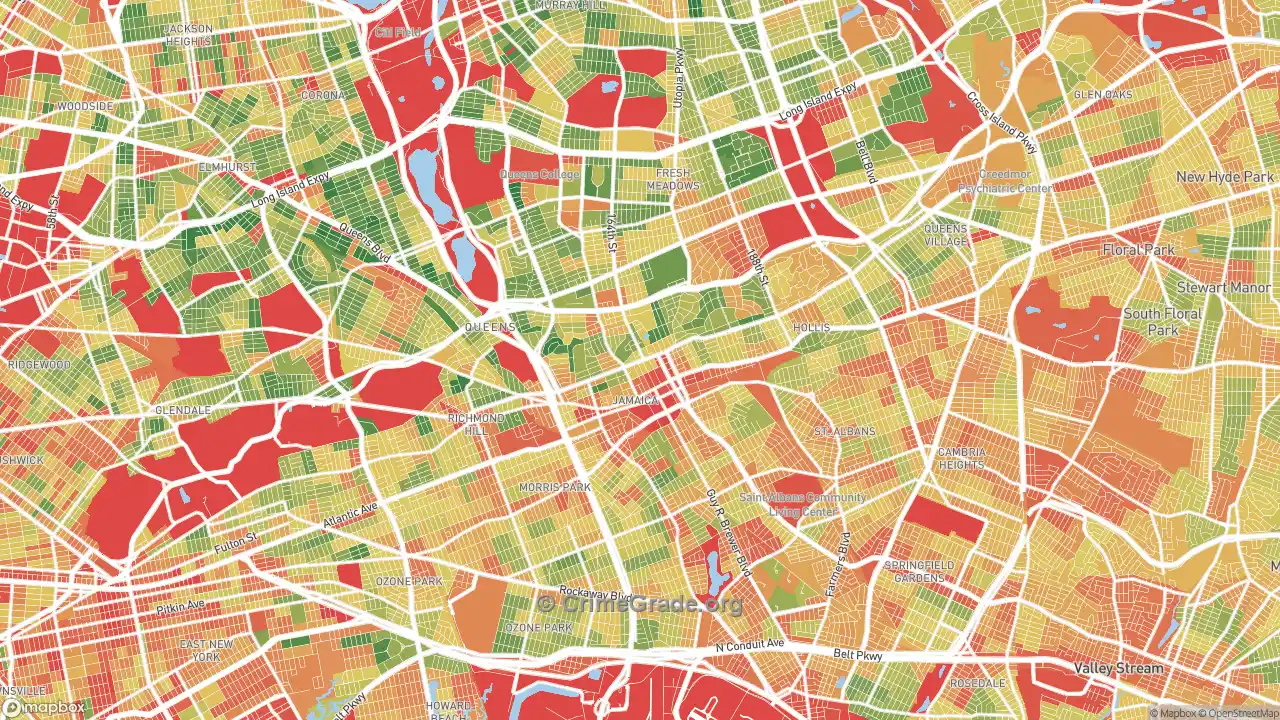
Official crime data provides a quantitative measure of safety. In Jamaica, New York, reported incidents, particularly those related to property crime and sometimes violent crime, can vary. It is important to consult up-to-date reports from official sources like the New York City Police Department (NYPD). These statistics are often broken down by precinct and by crime type, allowing for a more granular understanding of specific areas within Jamaica. For instance, areas immediately surrounding major transit hubs, such as Jamaica Station, which serves as a critical interchange for the Long Island Rail Road (LIRR), AirTrain to John F. Kennedy International Airport (JFK), and numerous subway lines, may experience different patterns of activity compared to purely residential blocks. Understanding these trends helps to contextualize safety perceptions and to identify areas that might warrant greater caution. It’s also worth noting that crime rates can fluctuate, influenced by socioeconomic factors, community policing efforts, and broader urban development trends.
Perceptions vs. Reality
It’s crucial to differentiate between perceived safety and actual statistical risk. Media portrayals, personal anecdotes, and general impressions can sometimes create an impression that doesn’t fully align with the data. While certain areas might have a reputation, a closer look at crime statistics often reveals a more complex picture. Furthermore, the definition of “safe” can be subjective. For some, it might mean the complete absence of any crime, an unrealistic expectation in any large city. For others, it might mean a manageable level of risk that can be mitigated with awareness and common sense. When considering Jamaica, New York, it’s important to engage with credible data and objective analyses rather than relying solely on generalized opinions.
Community Initiatives and Safety Measures
The safety of a neighborhood is not solely determined by crime statistics; it is also a product of active community engagement and dedicated safety initiatives. Jamaica, New York benefits from a variety of programs and efforts designed to foster a secure environment for its residents and visitors.
Local Law Enforcement and Community Policing
The NYPD plays a pivotal role in maintaining safety in Jamaica. The presence of well-trained officers, regular patrols, and responsive emergency services are foundational to public security. Community policing efforts, which emphasize building positive relationships between law enforcement and the residents they serve, are particularly vital in urban settings. This approach aims to foster trust, improve communication, and encourage residents to actively participate in crime prevention. Precincts serving Jamaica often engage in outreach programs, community meetings, and neighborhood watch collaborations, all contributing to a more secure atmosphere. Understanding the role and visibility of law enforcement in specific areas can provide an added layer of reassurance for those visiting or living in Jamaica.
Neighborhood Watch Programs and Resident Engagement
Beyond official law enforcement, the strength of a community’s safety often lies in the active participation of its residents. Neighborhood watch programs, where residents look out for one another and report suspicious activities, are powerful tools for crime prevention. These initiatives empower individuals to be proactive in safeguarding their streets and public spaces. In Jamaica, New York, various community organizations and resident groups are dedicated to improving the quality of life and safety. Their efforts may include organizing clean-up drives, advocating for better lighting, or collaborating with local authorities on specific safety concerns. This collective spirit of vigilance and care significantly contributes to the overall sense of security within the neighborhood.
Urban Development and Infrastructure Improvements
The physical environment of a neighborhood plays a significant role in its safety. Well-lit streets, maintained public spaces, and accessible infrastructure can deter criminal activity and enhance feelings of security. Jamaica, New York has seen ongoing development and investment, which can contribute to improved safety. Enhancements to public transportation hubs, the revitalization of commercial corridors, and the development of new residential and commercial spaces can all positively impact the neighborhood’s safety profile. For instance, improved pedestrian pathways and increased foot traffic in commercial areas can naturally create a more secure environment. These infrastructural changes, coupled with community efforts, paint a more comprehensive picture of safety in Jamaica.
Navigating Jamaica, New York Safely: Practical Tips
Ensuring personal safety in any urban environment, including Jamaica, New York, relies on a combination of awareness, common sense, and proactive measures. By following practical advice, visitors and residents can confidently explore and enjoy the neighborhood.
General Safety Precautions
Adhering to general safety guidelines is paramount. This includes being aware of your surroundings at all times, avoiding displaying large amounts of cash or expensive electronic devices openly, and securing your belongings. When using public transportation, such as the subway or bus systems, it’s advisable to stay in well-lit, populated areas. Keep your valuables secure and be mindful of who is around you. If you feel uncomfortable in a situation, trust your instincts and move to a safer location or seek assistance.
Transportation Safety
Jamaica is a major transportation hub. For those arriving or departing via JFK Airport, the AirTrain is a convenient and generally safe option. For travel within the city, the New York City Subway system is extensive. While generally safe, it’s wise to pay attention during off-peak hours and be aware of your fellow passengers. If you are taking a taxi or a ride-sharing service, ensure you use reputable companies and verify the driver’s identification and vehicle details. Walking around Jamaica is often the best way to experience its local character, but like any urban area, it’s advisable to stick to well-trafficked streets, especially after dark.

Exploring Specific Areas and Times
As mentioned earlier, different parts of Jamaica may have varying levels of activity and safety at different times. During daylight hours, most areas are bustling with activity, and exploring commercial districts like Jamaica Avenue offers a vibrant glimpse into the neighborhood. As with any urban exploration, exercising caution after dark is prudent. Stick to main streets, avoid dimly lit or isolated areas, and be aware of your surroundings. If you are unsure about a particular area or time, consulting with locals or using navigation apps that provide safety insights can be helpful. Ultimately, with sensible precautions and an informed approach, enjoying the richness of Jamaica, New York is a rewarding experience.
LifeOutOfTheBox is a participant in the Amazon Services LLC Associates Program, an affiliate advertising program designed to provide a means for sites to earn advertising fees by advertising and linking to Amazon.com. Amazon, the Amazon logo, AmazonSupply, and the AmazonSupply logo are trademarks of Amazon.com, Inc. or its affiliates. As an Amazon Associate we earn affiliate commissions from qualifying purchases.