
When the calendar turns to January, much of the Northern Hemisphere is locked in the grip of winter. For those weary of snow shovels and sub-zero temperatures, the tropical allure of Hawaii becomes particularly magnetic. Choosing to travel to the islands during the first month of the year is a decision defined by a unique set of meteorological conditions, crowd dynamics, and natural phenomena that cannot be experienced at any other time.
The Weather: Navigating the Tropical Winter
While “winter” in Hawaii is a relative term, it is essential to understand that January is statistically one of the wetter months for the archipelago. However, this does not mean the sun disappears. The climate remains consistently warm, with daytime highs typically hovering between 78°F and 82°F.

Understanding Microclimates
The geography of the islands plays a massive role in your weather experience. The windward sides (usually the northern and eastern coasts) of islands like Oahu, Kauai, and the Big Island receive significantly more rainfall in January. This creates the lush, emerald-green landscapes that the islands are famous for, as tropical showers nourish the foliage.
If your priority is constant sunshine, look toward the leeward sides of the islands. Resorts in Waikiki or the sunny coastline of Kona are shielded by volcanic mountain ranges, which block the trade winds and keep the clouds at bay. Even when it does rain, these showers are frequently short-lived, passing quickly to leave behind vibrant rainbows that drape across the horizon.
Ocean Temperatures and Conditions
January brings a distinct change to the marine environment. The Pacific Ocean undergoes a shift in swell patterns, resulting in larger, more powerful surf on the northern shores. While this makes for world-class viewing of professional surfing competitions, it also means that some beaches may be closed for swimming due to high surf warnings. Always defer to local lifeguards and posted signage; if you are looking for calm, swimmable water, the southern shores remain protected and serene during this month.
Whale Watching: The Highlight of the Season
Perhaps the most compelling reason to book a flight to the islands in January is the annual migration of the North Pacific Humpback whales. January sits squarely in the peak of the whale-watching season, as these gentle giants migrate from the icy waters of Alaska to the warm, shallow channels of the Hawaiian islands to mate and give birth.
The Best Spots for Sightings
While whales can often be spotted from the shore with a pair of binoculars, taking a boat excursion is the best way to experience their majesty. The Maui basin, specifically the channel between Maui, Molokai, and Lanai, is widely considered the best location in the state for sightings. The shallow, protected waters provide a sanctuary where mothers teach their calves to breach and slap their fins.
Responsible Tourism Practices
It is vital to engage with reputable tour operators who follow strict federal guidelines regarding distance and noise. Observing these animals in their natural habitat is a humbling experience, but protecting their environment is a shared responsibility. Booking an eco-conscious whale-watching tour ensures that you are supporting the conservation of these magnificent creatures while enjoying an unforgettable encounter.
Navigating Crowds and Costs
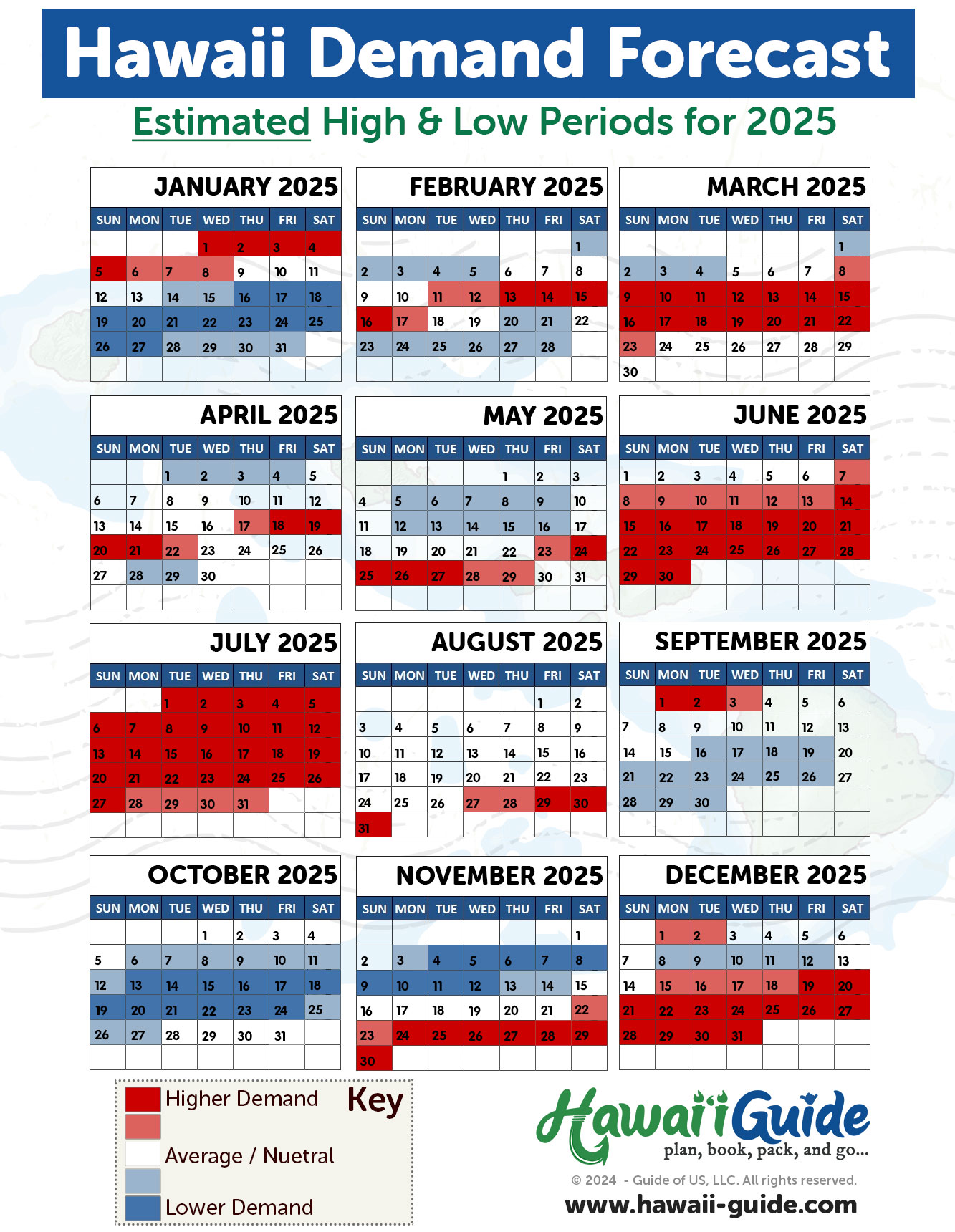
The timing of your January trip dictates the experience you will have regarding logistics and expense. The beginning of the month is often characterized by the tail end of the holiday rush, where prices for airfare and accommodation remain at premium levels.
The Post-Holiday Lull
If you have the flexibility to travel during the second or third week of January, you will find a “sweet spot” in the tourism cycle. As children return to school and the post-New Year travel rush subsides, flight prices often drop, and resorts become more amenable to offering promotions. This is the ideal window for travelers who prefer a quieter, more relaxed atmosphere.
Booking Strategy
Because January is a popular time for visitors escaping the mainland winter, it is rarely considered a “low season” in the traditional sense. To secure the best value:
- Book in Advance: Aim to secure your lodging at least three to four months prior.
- Consider Mid-Week Flights: Traveling on a Tuesday or Wednesday can significantly reduce airfare costs compared to weekend departures.
- Explore Alternative Accommodations: While the major resorts in Honolulu or Lahaina are iconic, smaller inns or vacation rentals in quieter communities can offer a more authentic experience and better pricing during the January shoulder season.
Engaging with Nature and Adventure
Beyond the beaches and the whales, January is a fantastic time for land-based adventure. The cooler temperatures (at lower elevations) make hiking and exploring much more comfortable than in the sweltering heat of August or September.
Volcanoes and High-Altitude Hiking
A visit to Hawaii Volcanoes National Park on the Big Island is best enjoyed in the crisp air of January. You can traverse the lava tubes and crater rims without the intensity of the midday sun. Similarly, if you plan to visit the summit of Haleakala on Maui, be prepared for very cold temperatures—even freezing conditions—at the summit. The contrast between the warm beach below and the frost-covered volcanic peak above is a quintessential Hawaii experience.

Waterfall Chasing
Because January is a wetter month, the island’s waterfalls are at their most spectacular. Following a period of rain, hidden cascades swell, and the famous Akaka Falls on the Big Island showcase their full, thundering power. Hiking trails that lead to these natural wonders are lush, vibrant, and filled with the scent of tropical blooms, providing a stark and welcome contrast to the grey winter landscapes left behind at home.
Ultimately, January in Hawaii offers a unique balance of adventure and tranquility. While you must remain flexible regarding weather and ocean conditions, the opportunity to witness humpback whales, explore rain-fed forests, and escape the peak summer heat makes it an excellent choice for a mid-winter getaway. Whether you are seeking the high-energy surf of the North Shore or the quiet contemplation of a mountain trail, the islands provide a restorative sanctuary that recharges the spirit exactly when it is needed most.
LifeOutOfTheBox is a participant in the Amazon Services LLC Associates Program, an affiliate advertising program designed to provide a means for sites to earn advertising fees by advertising and linking to Amazon.com. Amazon, the Amazon logo, AmazonSupply, and the AmazonSupply logo are trademarks of Amazon.com, Inc. or its affiliates. As an Amazon Associate we earn affiliate commissions from qualifying purchases.