
Navigating the legal landscape of self-defense can be a critical concern for any traveler, particularly when venturing into unfamiliar territories. For those planning a trip to the heartland of America, understanding the self-defense laws of Kansas is paramount. The question of whether Kansas is a “stand your ground” state is central to this understanding, impacting how individuals might legally react to perceived threats. This exploration delves into the nuances of Kansas self-defense statutes, examining the duty to retreat and the rights afforded to citizens when faced with danger.
Understanding “Stand Your Ground” Laws
The term “stand your ground” is a shorthand for a legal principle that modifies the traditional common law duty to retreat. Under common law, individuals were generally required to retreat from a dangerous situation if they could do so safely before resorting to deadly force in self-defense. However, “stand your ground” laws, enacted in many United States jurisdictions, remove this duty to retreat in certain circumstances.

The Duty to Retreat vs. The Right to Stand Your Ground
The core distinction lies in the requirement to attempt to disengage from a confrontation before using force. In jurisdictions without stand your ground laws, if a person can safely retreat from an aggressor, they are legally obligated to do so before using deadly force. The rationale behind this is to prioritize the preservation of life and to avoid escalating violence when a safe alternative exists.
Conversely, “stand your ground” laws permit individuals to use deadly force to defend themselves, their property, or others, without a duty to retreat, in any place where they have a legal right to be. This means that if an individual is lawfully present in a location and is met with a credible threat of death or great bodily harm, they can meet that threat with force, up to and including deadly force, without first attempting to flee.
Jurisdictional Variations
It is crucial to recognize that self-defense laws are not uniform across the United States. Each state has its own statutes and judicial interpretations that define the boundaries of self-defense. Therefore, understanding the specific laws of the state you are visiting is essential. What is permissible in one state may be illegal in another. This underscores the importance of answering the specific question for Kansas.
Kansas Self-Defense Statutes: Castle Doctrine and Beyond
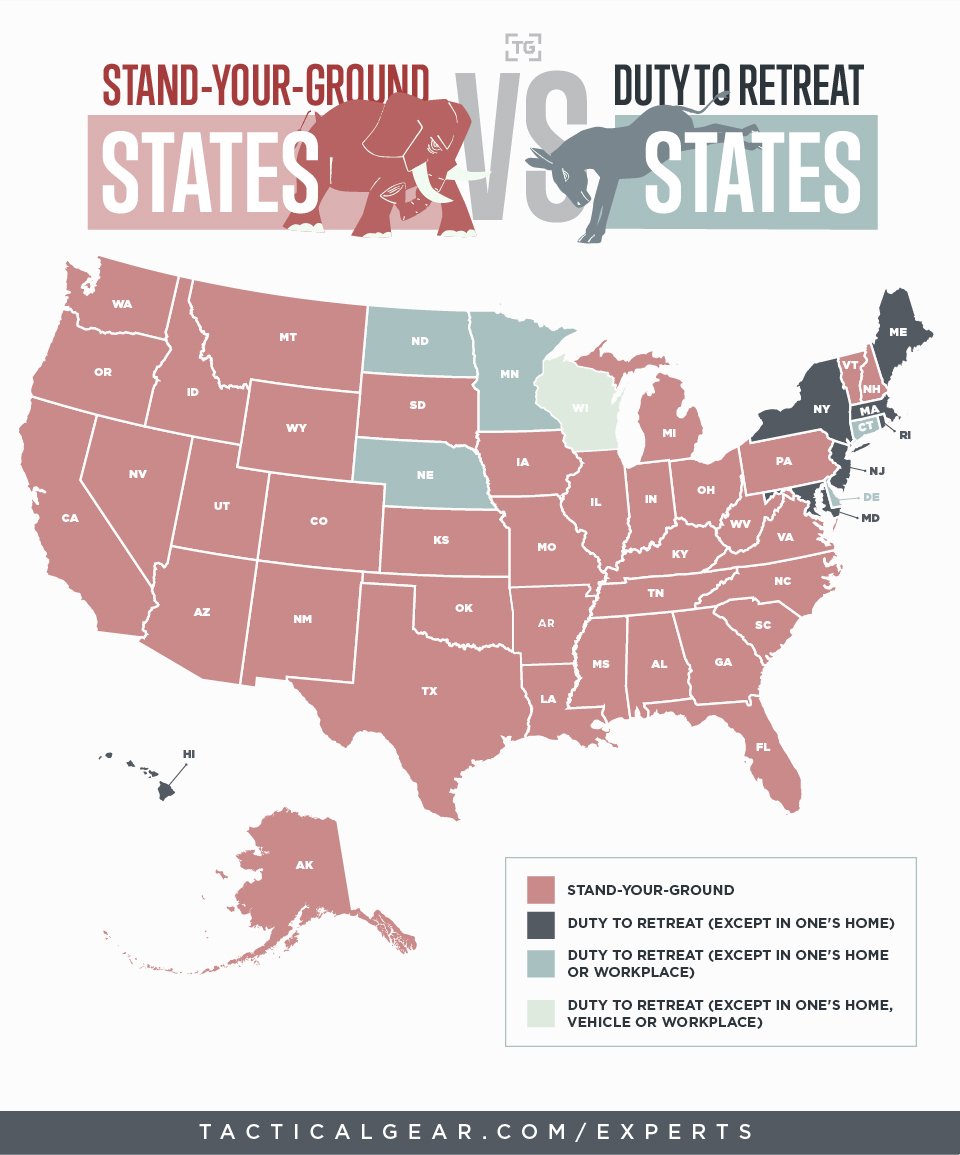
To definitively answer whether Kansas is a “stand your ground” state, one must examine its codified laws and how they have been interpreted by its courts. Kansas has indeed embraced principles that align closely with, and in many respects embody, stand your ground legislation.
The “No Duty to Retreat” Principle in Kansas
Kansas law, specifically Kansas Statute Annotated (K.S.A.) 21-5222, outlines the justifiable use of force. This statute is pivotal in understanding the state’s stance on self-defense. It states that a person is justified in using force against another when and to the extent that such person reasonably believes such force is necessary to defend himself or herself or a third person against such other’s imminent use of unlawful force.
Crucially, K.S.A. 21-5222(c) explicitly addresses the duty to retreat: “A person who is not engaged in any unlawful activity and who is attacked in any place where such person has a right to be has no duty to retreat and has the right to stand [their] ground and use such force as such person reasonably believes necessary to defend [themself] or a third person against such other’s imminent use of unlawful force.”
This statutory language clearly establishes that Kansas does not impose a duty to retreat on individuals who are lawfully present and are facing an imminent threat of unlawful force. This is the hallmark of a “stand your ground” jurisdiction.
The Castle Doctrine in Kansas
In addition to the general stand your ground provisions, Kansas also incorporates the “Castle Doctrine.” The Castle Doctrine is a legal principle that grants individuals heightened rights of self-defense within their own homes, and often extends to their vehicles and workplaces. It presumes that a person has a right to defend their dwelling against intruders and may use force, including deadly force, if they reasonably believe it is necessary to prevent death or great bodily harm to themselves or others.
K.S.A. 21-5222(d) specifically addresses the use of deadly force in defense of a dwelling. It states that a person is justified in using deadly force if such person reasonably believes such force is necessary to prevent the commission of a felony in the dwelling. This strengthens the protections afforded to individuals within their private spaces and further solidifies Kansas’s position as a state with robust self-defense laws.
Reasonable Belief and Imminent Threat
It is vital to emphasize that the right to use force, including deadly force, in Kansas is predicated on a reasonable belief of an imminent threat. This means the individual must genuinely believe they are in danger, and that belief must be one that a reasonable person in similar circumstances would hold. The threat must be immediate, not something that might happen in the future.
The legal system will scrutinize the circumstances surrounding any incident to determine if the use of force was justified. Factors such as the aggressor’s actions, the presence of weapons, and the overall context of the confrontation will be considered. The law does not grant a license to use excessive or retaliatory force.
Practical Implications for Travelers in Kansas
For visitors to Kansas, understanding these self-defense laws has practical implications for personal safety and awareness. While the state offers a sense of security through its strong self-defense statutes, it does not negate the importance of responsible behavior and de-escalation.
Awareness and Preparedness
Knowing that you have the legal right to defend yourself without a duty to retreat can provide a sense of assurance. However, this should not be interpreted as an invitation to seek out confrontations or to act recklessly. Awareness of your surroundings, particularly in unfamiliar environments like a bustling Wichita street or a quiet rural road, remains a cornerstone of personal safety.
Travelers should always be mindful of their surroundings and avoid situations that could escalate into conflict. This includes being aware of local customs, avoiding areas known for higher crime rates, and making responsible choices regarding personal conduct.
Responsible Gun Ownership and Use
For individuals who choose to carry firearms for self-defense, the laws in Kansas permit concealed and open carry for those who are legally eligible. The state has “shall-issue” concealed carry permits, meaning that if an applicant meets the legal requirements, the issuing authority must grant the permit. However, responsible gun ownership extends beyond legal compliance. It includes extensive training, safe storage, and a deep understanding of when and how to use a firearm legally and ethically.
Even in a “stand your ground” state, the use of a firearm should be an absolute last resort, employed only when there is an imminent threat of death or great bodily harm. Any use of deadly force will be subject to intense scrutiny.
Beyond Self-Defense: General Travel Safety Tips
While understanding the legal framework of self-defense is important, it’s also wise to employ general travel safety practices. This includes:
- Securing Accommodations: Whether staying in a hotel in Overland Park or a vacation rental near the Flint Hills, always ensure your accommodations are secure.
- Valuing Belongings: Be discreet with valuable possessions. Avoid displaying expensive jewelry or electronics unnecessarily.
- Informing Others of Itinerary: Let someone know your travel plans, especially if you are traveling solo.
- Trusting Your Instincts: If a situation feels unsafe, remove yourself from it. Your intuition is a powerful tool for self-preservation.

Conclusion: Kansas Upholds the Right to Stand Your Ground
In conclusion, the question of whether Kansas is a “stand your ground” state is definitively answered in the affirmative. Through its statutes, particularly K.S.A. 21-5222, Kansas law explicitly removes the duty to retreat for individuals lawfully present and facing imminent unlawful force. Coupled with its Castle Doctrine provisions, Kansas provides a strong legal framework for self-defense.
While these laws empower citizens to protect themselves, they are not a substitute for sound judgment, awareness, and de-escalation. Travelers to Kansas can be assured of their legal right to defend themselves, but should always prioritize safety and responsible conduct. Understanding these laws contributes to a safer and more informed travel experience in the Sunflower State.
LifeOutOfTheBox is a participant in the Amazon Services LLC Associates Program, an affiliate advertising program designed to provide a means for sites to earn advertising fees by advertising and linking to Amazon.com. Amazon, the Amazon logo, AmazonSupply, and the AmazonSupply logo are trademarks of Amazon.com, Inc. or its affiliates. As an Amazon Associate we earn affiliate commissions from qualifying purchases.