
The question “Is Kansas a swing state?” frequently surfaces in political discourse, often sparking debate among analysts and voters alike. Historically, Kansas has been an unyieldingly Republican stronghold, a steadfast bastion of conservative values in the heart of the United States. However, recent electoral trends, demographic shifts, and particular statewide races have introduced nuances that challenge this long-held perception, prompting a closer examination of its political landscape. While it might not fit the traditional definition of a swing state—one where no single party has consistent dominance and outcomes are highly unpredictable—Kansas exhibits certain characteristics that suggest a more complex and potentially evolving political identity.

For travelers and those interested in lifestyle, understanding the political leanings of a region can offer insights into its culture, economy, and even its unique attractions. A state’s political identity often intertwines with its societal values, influencing everything from local culinary scenes to the preservation of natural landmarks. By delving into the intricacies of Kansas politics, we can better appreciate the diverse experiences it offers, whether you’re planning a family trip, a luxury getaway, or exploring budget travel options through its vast prairies and vibrant urban centers.
The Historical Context: A Steadfast Republican Heartland
For much of its history, Kansas has been synonymous with Republicanism. This deep-rooted affiliation traces back to its origins as an abolitionist territory, with early settlers fiercely opposing slavery and aligning with the nascent Republican Party. This historical foundation laid the groundwork for decades of conservative dominance, shaping the state’s political culture and electoral outcomes.
Decades of Conservative Dominance
From the late 19th century through the majority of the 20th and into the 21st, Kansas has consistently voted for Republican presidential candidates. The state has not supported a Democratic presidential nominee since Lyndon B. Johnson in 1964, a period marked by national landslide victories. This consistent pattern extends beyond presidential elections; Republican candidates have also largely dominated statewide offices, including governorships and congressional seats, as well as legislative majorities. This long history of conservative preference is deeply embedded in the state’s agrarian roots, its strong emphasis on individual liberty, and a cultural fabric that often values self-reliance and traditional Midwestern values.
The ideological backbone of Kansas conservatism is often characterized by fiscal conservatism, a strong defense of Second Amendment rights, and a generally more traditional stance on social issues. These values resonate deeply with a significant portion of the electorate, particularly in rural areas and smaller towns that dot the expansive landscape. For visitors, this translates into an experience of traditional American heartland culture, often reflected in local festivals, community events, and the welcoming nature of its residents.
Key Electoral Trends and Presidential Races
While the presidential preference has remained staunchly Republican, a closer look at key electoral trends reveals subtle shifts. Even in overwhelming Republican victories, the margins can sometimes tell a story. For instance, while Republican presidential candidates routinely win Kansas by double-digit percentages, the specific percentage can fluctuate, hinting at underlying movements within the electorate. These shifts are often more pronounced in local and state-level races, where candidate personalities, specific policy issues, and local dynamics can sometimes override party loyalty.
Understanding these trends is crucial for appreciating the nuanced political identity of Kansas. While the state as a whole consistently leans red, the emerging competitiveness in certain areas and specific elections prevents a blanket categorization. This dynamic adds an unexpected layer to the Kansas story, making it more intriguing than its traditional “red state” label might suggest to an outsider looking in.
Unpacking the Nuances: Areas of Shifting Sands
Despite its deeply conservative reputation, Kansas is not monolithic. Like many states, it harbors internal divisions—geographical, demographic, and ideological—that contribute to a more complex political reality. These internal dynamics are where the “swing” potential, however nascent, truly lies.
Urban vs. Rural Divide: Kansas City and Wichita‘s Influence
A primary factor contributing to any perceived shift in Kansas politics is the pronounced urban-rural divide. The state’s major metropolitan areas and university towns often present a stark contrast to its predominantly conservative rural counties. Cities like Wichita, Topeka, and particularly the Kansas City metropolitan area (specifically its Kansas suburbs such as Overland Park, Olathe, and Lenexa), tend to lean more moderate or even Democratic. These areas are characterized by a younger, more diverse population, a greater concentration of higher education institutions like the University of Kansas in Lawrence, and a professional workforce that may hold different social and economic views than their rural counterparts.
The growth of these urban centers, especially the populous Johnson County in the Kansas City metro, means that a larger percentage of the state’s voters now reside in areas that are more open to Democratic candidates. While rural votes continue to be overwhelmingly Republican, the sheer volume of votes emanating from the urban and suburban cores can, in certain elections, significantly narrow statewide margins. This urban vibrancy is also where visitors can find a different facet of Kansas—modern hotels, diverse cuisine, and a burgeoning arts scene, offering a vibrant lifestyle experience distinct from the serene rural expanses.
Demographic Shifts and Millennial Influx
Beyond the geographical divide, demographic shifts play a crucial role. Like many states, Kansas has experienced changes in its population makeup. An increasing number of younger residents, including millennials and Gen Z, are moving into or staying in the state’s urban areas. These younger demographics tend to be more socially liberal and less consistently aligned with the Republican Party. Their growing influence in local and state elections, though not yet enough to flip the state reliably blue, can certainly inject a degree of competitiveness that was previously absent.
Furthermore, increasing diversity in some of these urban areas contributes to a broader range of political perspectives. While these shifts are gradual, they are persistent, slowly eroding the monolithic conservative image of the state. For those interested in local culture and contemporary Kansas life, observing these demographic changes provides a fascinating backdrop to the modern experience, especially when exploring cities like Lawrence or Manhattan, home to Kansas State University.
Gubernatorial and Statewide Races: Glimmers of Competitiveness
Perhaps the most compelling evidence that Kansas is not an entirely predictable “red state” comes from its gubernatorial and certain other statewide races. In recent cycles, Democratic candidates have managed to win the governorship, demonstrating that while the state favors Republicans in national contests, it can and does elect Democrats at the state level. These victories are often attributed to specific circumstances: moderate Democratic candidates who appeal to independents and disaffected Republicans, or backlash against unpopular Republican policies or incumbents.
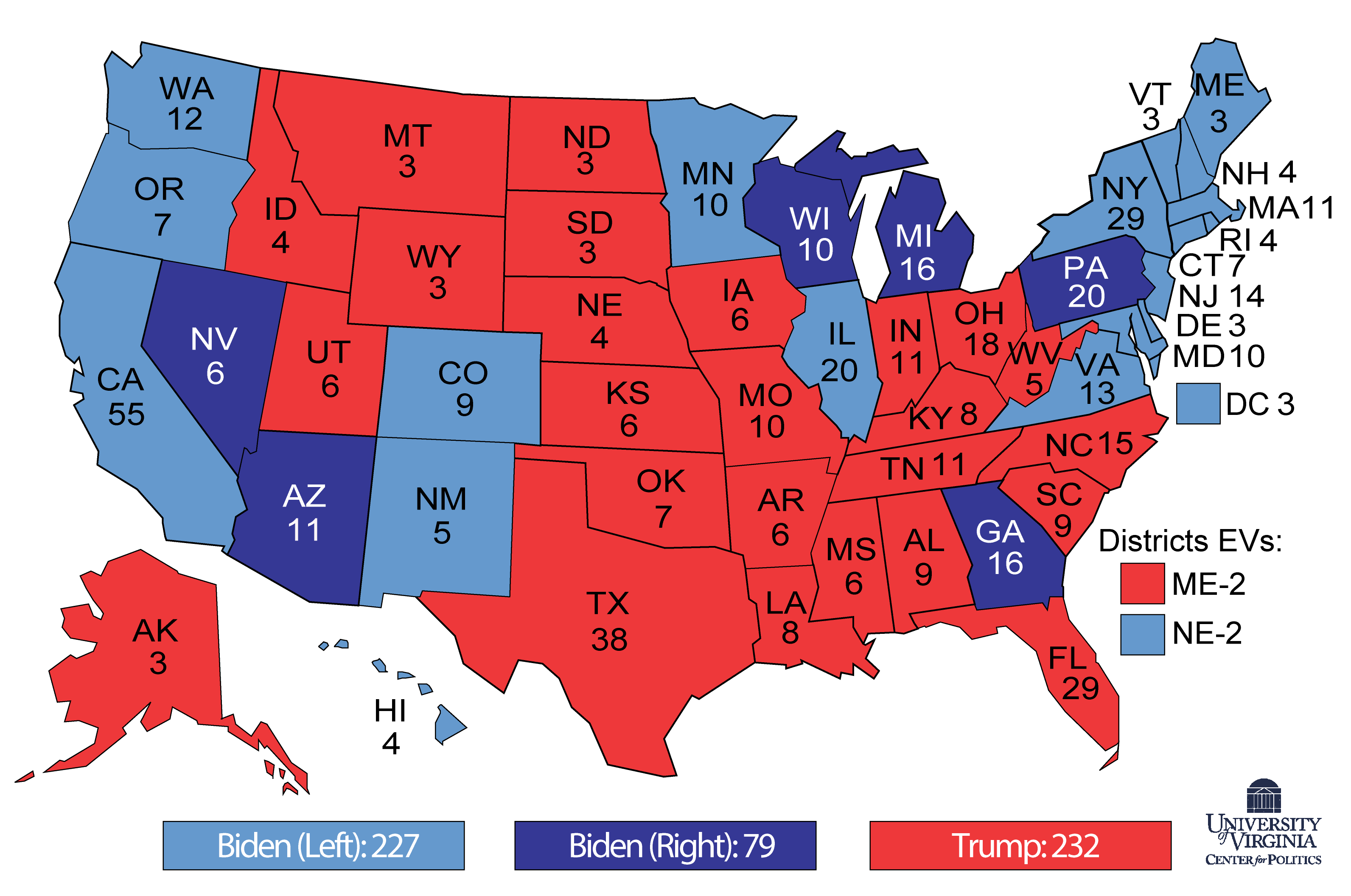
These “blue” victories in a red state are significant because they highlight the electorate’s willingness to cross party lines when local issues or candidates resonate more strongly. This makes specific elections in Kansas genuinely competitive, attracting national attention and resources—a hallmark of true swing states. While not a consistent trend across all elections, these instances prove that Kansas has the capacity for unpredictability, making its political landscape more dynamic than its past might suggest.
Economic Drivers and Political Affiliation
The economic landscape of Kansas significantly shapes its political affiliations. The state’s primary industries and the livelihoods of its residents often dictate their priorities and, consequently, their voting behavior.
Agriculture, Energy, and Aviation’s Role
Kansas is a leading agricultural state, known as the “Wheat State.” The farming community, which forms a substantial portion of the rural population, traditionally aligns with the Republican Party due to its stances on issues like property rights, regulation, and trade policies that impact agricultural exports. Beyond agriculture, the energy sector, particularly oil and gas, and the aviation industry in Wichita (the “Air Capital of the World”), are also significant economic drivers. These industries often advocate for policies that favor business growth, deregulation, and specific tax structures, which have historically found more support within the Republican platform.
This economic backbone reinforces conservative leanings in vast swathes of the state. Policies perceived as beneficial to these industries often gain strong electoral support, further cementing the Republican advantage in many areas. For travelers interested in the industrial and agricultural heritage of the United States, exploring the plains of Kansas offers a direct glimpse into these foundational economic activities, from massive wheat fields to the impressive Strataca (Kansas Underground Salt Museum) that delves into the state’s geological resources.
The Impact of Economic Policies on Voter Sentiment
Economic policies can, however, also be a source of political volatility, even in traditionally red states. Controversial tax policies or economic reforms can lead to voter dissatisfaction, regardless of party affiliation. For example, the ” Brownback experiment” in the early 2010s, which involved aggressive tax cuts, led to significant budget shortfalls and widespread public outcry, contributing to a wave of more moderate Republicans and Democrats being elected in subsequent statewide races. This period demonstrated that while party loyalty is strong, economic concerns can prompt voters to seek alternatives, showcasing a potential for swing-like behavior when their pocketbooks are directly impacted.
These instances highlight that while economic conservatism is a core tenet for many Kansans, practical economic outcomes ultimately influence voter sentiment. The interplay between traditional economic values and the real-world impact of policies can make elections in Kansas more competitive than they might appear on the surface, pushing it closer to the “swing” category on specific issues or in response to particular economic circumstances.
Kansas Beyond the Ballot Box: Travel, Lifestyle, and Tourism
Irrespective of its political leanings, Kansas offers a rich tapestry of experiences for travelers, encompassing natural beauty, historical depth, and unique cultural encounters. Its political identity, whether steadfastly conservative or subtly shifting, forms part of its character, but does not define the entirety of its appeal as a destination.
Exploring the “Real” Kansas as a Destination
Often stereotyped as merely a flyover state, the “real” Kansas is a place of surprising diversity and genuine charm. From the rolling, ancient Flint Hills, home to the largest remaining tract of Tallgrass Prairie National Preserve, to the dramatic chalk pyramids of Monument Rocks and Castle Rock in the western part of the state, its natural landmarks are breathtaking. For history buffs, the Brown v. Board of Education National Historic Site in Topeka offers a poignant journey into a pivotal moment in American civil rights history. These attractions, often overlooked, provide deep insights into the nation’s past and the unique ecology of the Great Plains.
The state’s political climate, rooted in its history and values, often translates into a sense of order, community, and hospitality that many travelers find appealing. It’s a place where local culture thrives, often expressed through agricultural fairs, community gatherings, and a strong sense of local pride. Whether you’re interested in eco-tourism, historical exploration, or simply enjoying the peacefulness of the open road, Kansas delivers authentic Midwestern experiences.
From Flint Hills to Prairie Spirit Trail: Unique Kansas Experiences
Travelers seeking unique experiences will find much to explore. The Flint Hills region, with its vast prairies, offers unparalleled opportunities for hiking, wildlife viewing, and experiencing the iconic annual prairie burns. For outdoor enthusiasts, the Prairie Spirit Trail provides miles of scenic pathways for cycling and walking, connecting charming small towns. Beyond nature, there are quirky attractions like the Oz Museum in Wamego, celebrating the state’s connection to “The Wizard of Oz,” or the Sternberg Museum of Natural History in Hays, famous for its “fish-within-a-fish” fossil. Even the Kansas Statehouse in Topeka, with its majestic dome and the iconic Ad Astra statue, is a landmark worth visiting for its architectural beauty and historical significance.
These attractions cater to a variety of interests and budgets, from luxury travel accommodations in renovated historic hotels in Kansas City to cozy apartments and vacation villas for family trips, or budget-friendly options for backpackers traversing the scenic routes. The state’s general affordability also makes it an attractive option for those seeking quality travel experiences without the premium price tags often found in coastal regions.

Accommodation and Lifestyle: What Travelers Can Expect
When it comes to accommodation and lifestyle, Kansas offers a spectrum of choices. Major cities boast modern hotels and suites from international brands, alongside boutique options that reflect local charm. Resorts and unique stays can be found closer to natural attractions, offering a peaceful retreat. The growing interest in local tourism has also spurred an increase in unique accommodation options, from farm stays to beautifully restored historic homes.
The lifestyle here emphasizes community, outdoor activities, and a more relaxed pace. This aligns well with certain types of travel experiences—whether it’s a family seeking wholesome activities, a business traveler appreciating efficiency and hospitality, or someone on a budget looking for authentic engagement. The conservative leanings might translate into an environment where traditional values are more openly celebrated, impacting everything from local cuisine to entertainment options. However, the burgeoning urban centers also provide a modern, progressive counterpoint, offering diverse culinary scenes, craft breweries, and cultural events. Booking platforms offer extensive reviews and comparison tools to help travelers find the perfect stay, whether for a short visit or a long-term stay to immerse oneself in the heartland experience.
In conclusion, while Kansas retains a strong Republican identity, labeling it a purely “red state” overlooks the significant nuances and pockets of competitiveness emerging within its borders. The urban-rural divide, demographic shifts, and occasional Democratic successes in statewide races indicate a more dynamic political landscape than its historical reputation suggests. While not a traditional swing state in the vein of Ohio or Florida, Kansas, it is certainly not as predictable as it once was. This evolving political identity, intertwined with its rich history, diverse economy, and welcoming culture, only adds another layer of intrigue to a state that offers much more than meets the eye for any discerning traveler.
LifeOutOfTheBox is a participant in the Amazon Services LLC Associates Program, an affiliate advertising program designed to provide a means for sites to earn advertising fees by advertising and linking to Amazon.com. Amazon, the Amazon logo, AmazonSupply, and the AmazonSupply logo are trademarks of Amazon.com, Inc. or its affiliates. As an Amazon Associate we earn affiliate commissions from qualifying purchases.