
For many travelers planning a trip through the heartland of America, understanding the intricacies of state boundaries and time zones can be surprisingly complex. Kansas, a vast and geographically diverse state, often presents a common conundrum: Is it entirely within the Central Time Zone? The answer, while seemingly straightforward, holds a nuanced reality that is crucial for anyone navigating its plains, attending meetings, or simply coordinating travel plans. This article delves into the temporal landscape of Kansas, offering a comprehensive guide for travelers to ensure their watches, and their itineraries, are perfectly aligned.
The Dual Time Zone Reality of Kansas
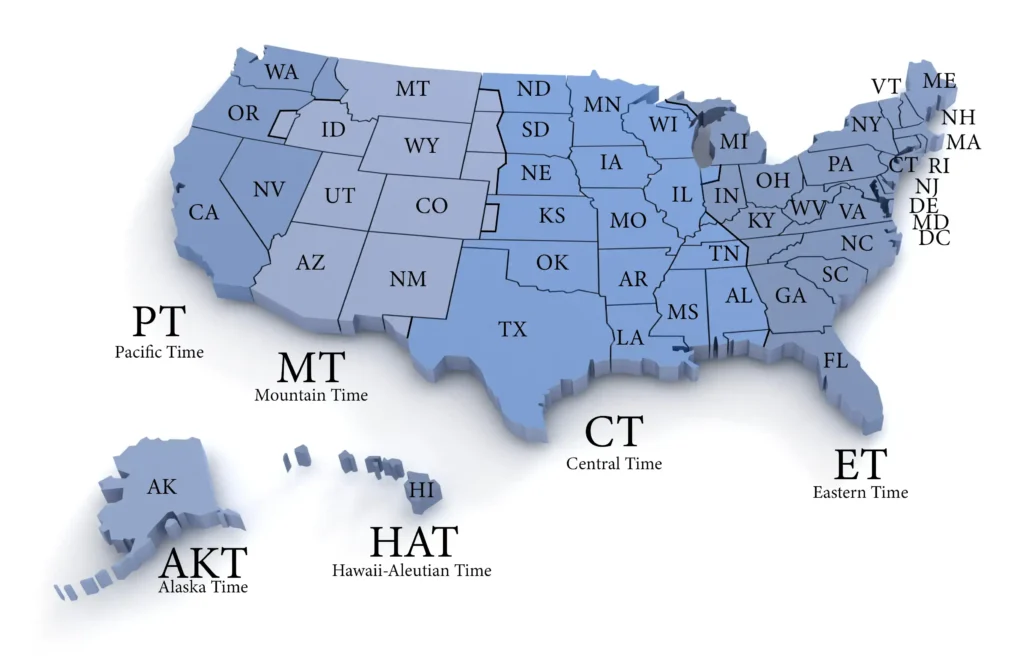
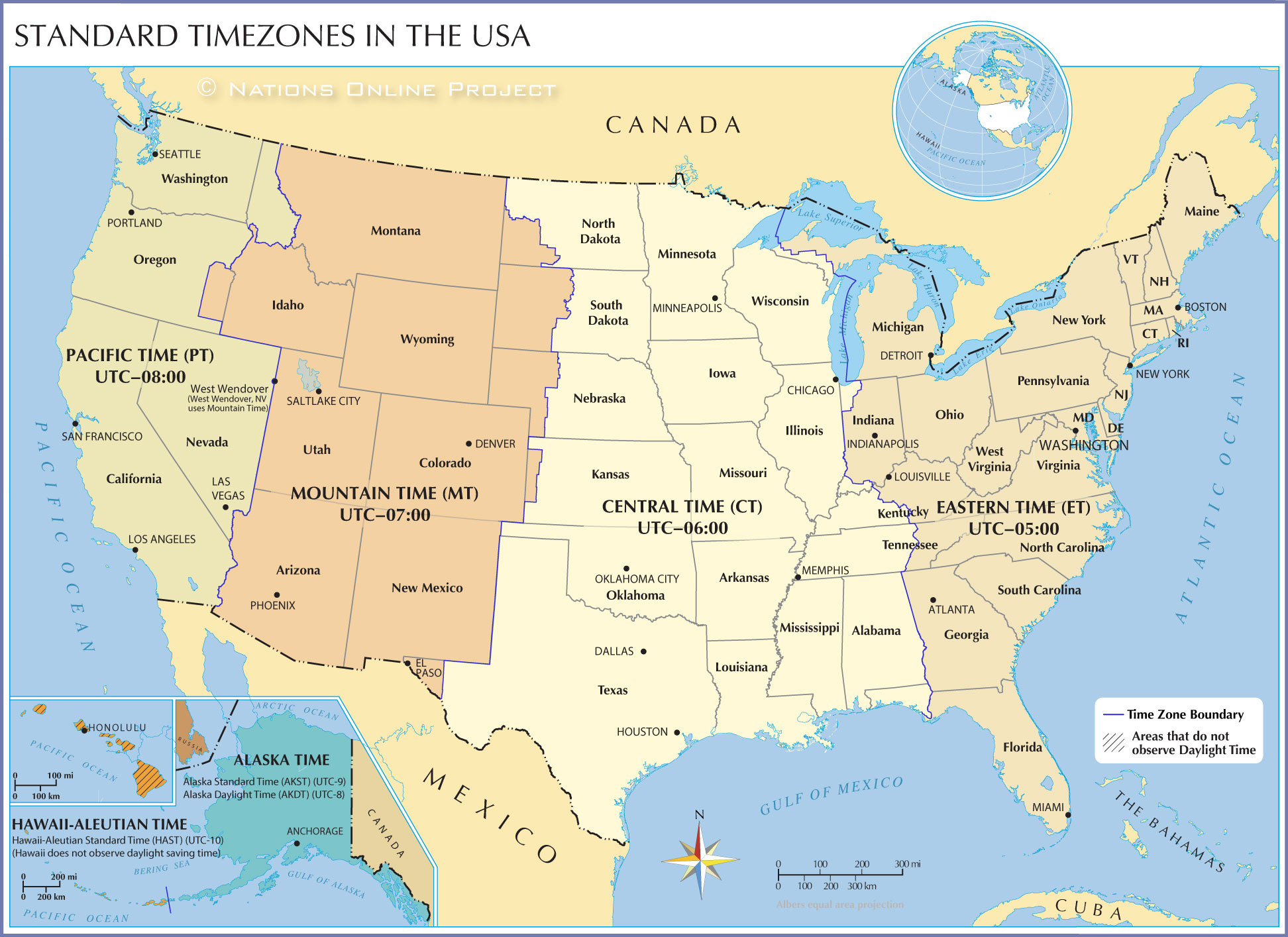
Contrary to popular belief that large states typically adhere to a single time zone, Kansas is an exception, albeit a minor one. The overwhelming majority of the Sunflower State operates on Central Daylight Time (CDT) during the summer and Central Standard Time (CST) during the winter. However, a small but significant portion of its westernmost counties observes the Mountain Time Zone (MT), specifically Mountain Daylight Time (MDT) and Mountain Standard Time (MST). This temporal split, while minor in terms of land area, can have substantial implications for visitors and residents alike.
Central Time Zone Dominance
The vast majority of Kansas, including all its major urban centers and popular tourist destinations, lies firmly within the Central Time Zone. Cities like Wichita, Topeka, and the Kansas City metropolitan area (specifically the Kansas side) all observe Central Time. This covers the fertile agricultural lands, the bustling urban hubs, and much of the state’s historical and cultural attractions. For most travelers whose itineraries keep them within the eastern two-thirds of the state, planning is relatively simple, requiring adherence to Central Time for all activities, appointments, and transportation schedules. The consistency across this large expanse ensures that coordinating with local businesses, attractions, and fellow travelers remains straightforward, reflecting a single, unified temporal rhythm.
The Western Edge: Mountain Time Zone
The time zone boundary in Kansas is drawn along specific county lines in the state’s far west. The counties of Greeley, Hamilton, Sherman, and Wallace officially observe the Mountain Time Zone. This means that if you find yourself in towns like Goodland in Sherman County or Sharon Springs in Wallace County, your watch will need to be set one hour earlier than in Wichita or Kansas City. This temporal shift is particularly relevant for those venturing into these less-populated but scenically rich areas, often as part of a longer road trip across the Western United States. Understanding this subtle but critical distinction is paramount to avoiding missed connections, appointments, or the simple inconvenience of arriving an hour early or late for an engagement.
Historical Context of the Division
The decision to split Kansas into two time zones dates back to the establishment of standardized time zones in the United States. The lines were drawn by the Interstate Commerce Commission (ICC), and later by the Department of Transportation (DOT), based on various factors including railway operations, natural light cycles, and commercial interests. For western Kansas, particularly the counties bordering Colorado, aligning with the Mountain Time Zone made practical sense. Their economic and social ties often leaned westward, towards larger Colorado cities that already observed Mountain Time. This alignment facilitated smoother commerce, communication, and daily life for residents who frequently interacted with their western neighbors, even if it created a minor temporal schism within their own state. This historical decision, rooted in practicality and regional connectivity, continues to shape the temporal experience of travel in Kansas today.
Navigating Time Zones for Travelers in Kansas
For the astute traveler, being aware of Kansas’s dual time zone reality is a fundamental aspect of effective trip planning. While the division is confined to a relatively small portion of the state, its impact can be significant if not properly considered. From scheduling flights to booking accommodation, an hour’s difference can ripple through an entire itinerary, making the difference between a seamless journey and a frustrating delay.
Planning Your Itinerary
When mapping out a journey across Kansas, particularly if your route extends westward towards the Colorado border, incorporating time zone changes into your planning is essential. Start by identifying which time zone applies to each stop on your itinerary. Most GPS devices and smartphones will automatically adjust to the correct time zone, but it’s always prudent to double-check, especially when crossing the time zone boundary. Factor in the one-hour shift when estimating travel times, booking dinner reservations, or scheduling arrival and departure times for flights or train journeys. A meticulously planned itinerary that accounts for this temporal transition will help prevent confusion and ensure you maximize your time exploring the state.
Key Cities and Their Time Zones
Understanding which major cities fall into which zone can simplify your planning. As previously mentioned, the vast majority of well-known Kansas destinations, including the state capital Topeka, the largest city Wichita, and the eastern gateway of Kansas City, operate on Central Time. If your travels take you to historical sites like Fort Larned National Historic Site or the Eisenhower Presidential Library, Museum & Boyhood Home in Abilene, you’ll be on Central Time. However, for those heading further west to explore the unique badlands of Little Jerusalem Badlands State Park or the natural formations of Monument Rocks, which are closer to the Mountain Time Zone boundary, always confirm the local time. While Dodge City is deep in western Kansas, it surprisingly remains in the Central Time Zone, making towns like Goodland and Sharon Springs the primary exceptions.
Crossing the Time Zone Line
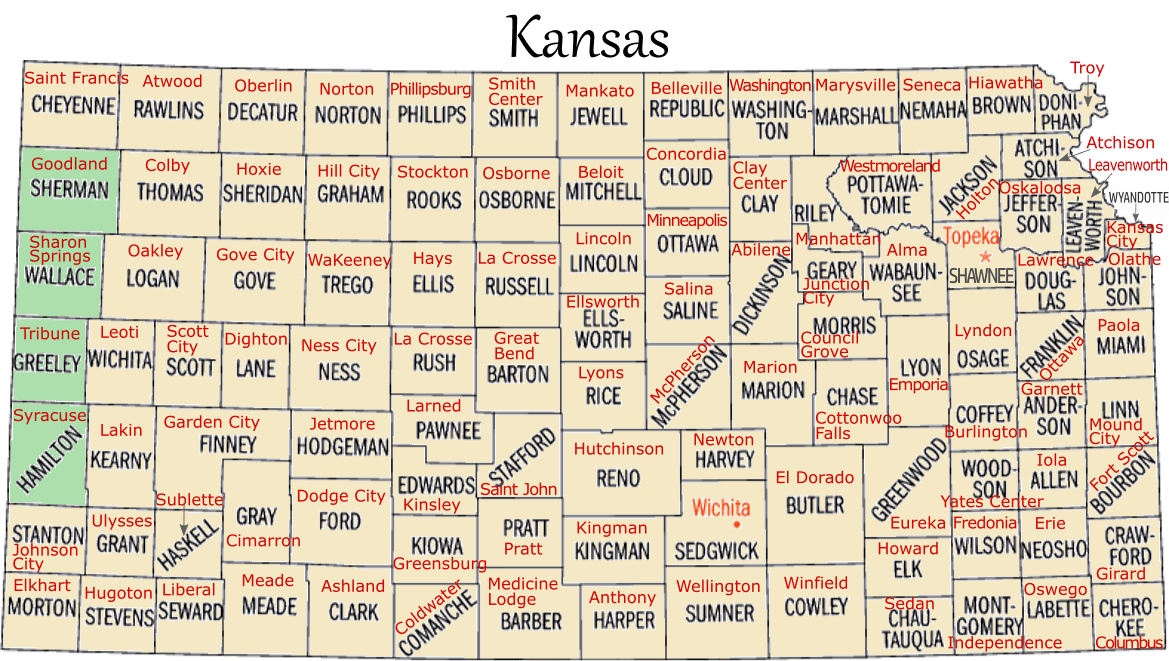
The actual crossing of the time zone line in Kansas is not marked with grand fanfare, but it is a distinct geographical event. When driving westward from a Central Time county into one of the designated Mountain Time counties, you will “gain” an hour. Conversely, traveling eastward across the line means “losing” an hour. For instance, if it’s 3 PM in Dodge City (Central Time), it would be 2 PM in Goodland (Mountain Time). This adjustment is vital for anyone coordinating meetings, catching a bus or train, or simply making sure they arrive at their next accommodation at the correct local hour. A quick check of your phone’s automatically updated time or a glance at a physical clock upon arrival in a new locale can save significant hassle.
Why Time Zones Matter for Your Kansas Experience
Beyond the logistical considerations of scheduling, understanding the time zones in Kansas is crucial for a smooth and enjoyable travel experience. It impacts everything from your ability to make timely connections to your social interactions and even your internal body clock. For a state that prides itself on its hospitality, respecting local timings is a small but important gesture.
Appointments and Business Travel
For business travelers or those with pre-scheduled appointments, the time zone difference is not just a convenience; it’s a necessity. A conference call scheduled for 10 AM Central Time could easily be missed if you are in Goodland and operating on Mountain Time, believing it’s 9 AM. Similarly, a medical appointment, a property viewing, or an important meeting cannot afford to be an hour off. Always clarify the local time zone when making arrangements and confirm it again as you approach your destination. This diligence ensures professionalism and avoids potential disruptions to your schedule.
Day Trips and Activities
If you’re embarking on day trips that cross the time zone boundary, especially from a Central Time base to a Mountain Time destination, be mindful of opening and closing hours for attractions. A museum that closes at 5 PM Mountain Time will effectively close at 6 PM Central Time, giving you less time than you might initially assume if you’re traveling westward. Conversely, an early morning start from the Mountain Time Zone for an activity in the Central Time Zone will mean an even earlier wake-up. Planning your excursions with this temporal shift in mind allows for optimal enjoyment, ensuring you don’t miss out on experiences due to a miscalculation.
Communication with Loved Ones
For those keeping in touch with family and friends across the country or internationally, accurately tracking your current time zone in Kansas is a simple courtesy. A quick call to someone on the East Coast from Wichita (Central Time) will be two hours earlier for them, while from Goodland (Mountain Time), it will be three hours earlier. Being considerate of these differences prevents accidental late-night calls or disruptions to daily routines for those you are trying to reach. It’s a small detail, but one that enhances the overall ease of travel and communication.
Exploring Kansas: Beyond the Time Zones
While time zones are a practical consideration, they are merely a backdrop to the rich tapestry of experiences awaiting travelers in Kansas. From its rolling prairies and historic trails to its vibrant cities and unique cultural sites, the state offers a journey through the heart of America.
Eastern Kansas Attractions
Eastern Kansas, entirely within the Central Time Zone, boasts a wealth of attractions. Immerse yourself in the natural beauty of the Tallgrass Prairie National Preserve near Strong City, where bison roam free and the landscape reflects an untouched ecosystem. Explore the poignant history at the Brown v. Board of Education National Historic Site in Topeka, a pivotal location in the civil rights movement. Discover the charming small towns along the historic Route 66 in the state’s southeastern corner, or step into the whimsical world of the Oz Museum in Wamego. In Hutchinson, delve deep underground at Strataca, an active salt mine museum offering a truly unique adventure.
Western Kansas Wonders
Even as you approach the time zone change, western Kansas offers its own distinct charm. Marvel at the unique geological formations of Monument Rocks (also known as the Chalk Pyramids), designated as one of the “8 Wonders of Kansas”. Explore the dramatic landscapes of Little Jerusalem Badlands State Park, an extraordinary expanse of eroding Niobrara Chalk spires and cliffs. These natural wonders, while requiring a conscious thought about the time, offer breathtaking beauty and a peaceful escape from the hustle and bustle, showcasing a different facet of the state’s diverse topography.
Iconic Kansas Culture and Food
No matter which time zone you find yourself in, the enduring Kansas culture and culinary delights remain a constant. Savor authentic Kansas City BBQ, famous for its slow-smoked meats and tangy sauces, whether you’re in the eastern hub or a local diner further west. Experience the warmth of small-town hospitality, often found in locally-owned diners serving up classic comfort food. During late summer, witness the spectacular sight of vast sunflower fields, a quintessential Kansas experience that transcends any temporal division. The spirit of the plains, the history of pioneers, and the welcoming nature of its people are immutable aspects of a Kansas journey, irrespective of the hour on your watch.
In conclusion, while the majority of Kansas firmly resides in the Central Time Zone, a crucial handful of its western counties observe Mountain Time. For any traveler venturing through the Sunflower State, understanding this dual time zone reality is a simple yet vital piece of information. By integrating this knowledge into your trip planning, you can ensure a seamless, punctual, and ultimately more enjoyable exploration of all the diverse landscapes, rich history, and welcoming communities that Kansas has to offer. So, set your watch, plan accordingly, and prepare to discover the heart of America.
LifeOutOfTheBox is a participant in the Amazon Services LLC Associates Program, an affiliate advertising program designed to provide a means for sites to earn advertising fees by advertising and linking to Amazon.com. Amazon, the Amazon logo, AmazonSupply, and the AmazonSupply logo are trademarks of Amazon.com, Inc. or its affiliates. As an Amazon Associate we earn affiliate commissions from qualifying purchases.