
The question “Is Kona on the Big Island of Hawaii?” is a common one for travelers planning their Hawaiian adventure. The answer is a resounding yes, and understanding Kona’s place within the vast expanse of the Big Island is key to unlocking an unforgettable trip. Far from being a mere dot on the map, Kona is a vibrant region on the western coast of Hawaii Island, also affectionately known as the Big Island. This iconic island, the youngest and largest in the Hawaiian archipelago, offers a dramatic diversity of landscapes, from steaming volcanoes to lush rainforests and, of course, the sun-drenched shores of Kona.
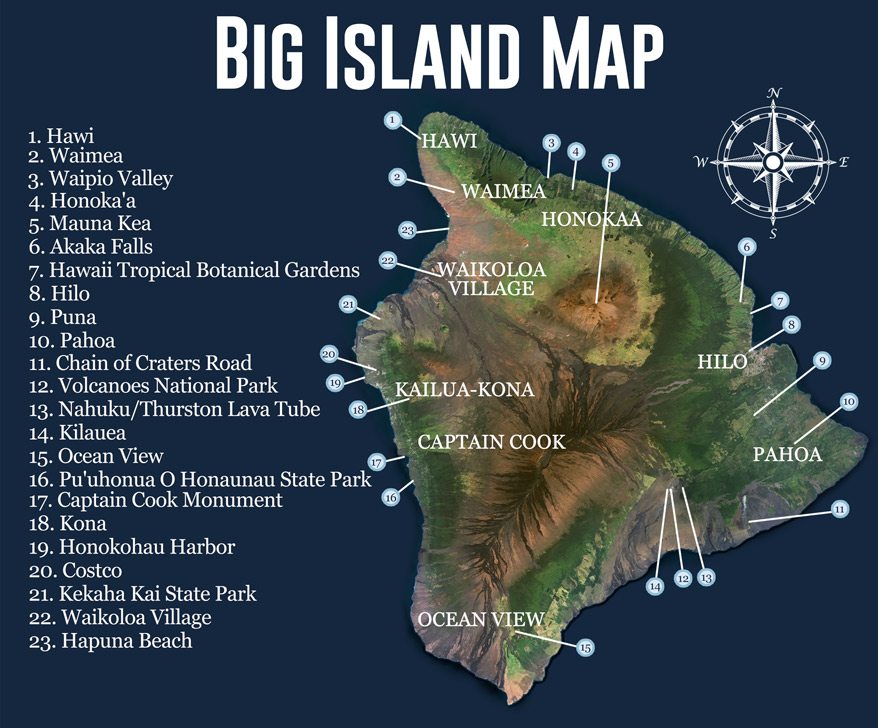
For those dreaming of swaying palm trees, world-class beaches, and the quintessential Hawaiian experience, Kona is often the focal point. It’s a region synonymous with relaxation, adventure, and a deep connection to the ocean. This guide will delve into what makes Kona such a sought-after destination, exploring its geography, its most captivating attractions, and the myriad of experiences that await visitors.
Understanding Kona: A Coastal Gem on the Big Island
The Big Island of Hawaii is a land of dramatic contrasts, shaped by its active volcanic geology. It’s an island where you can witness glaciers atop volcanic peaks and then descend to black sand beaches kissed by tropical waters. Within this diverse landscape, the Kona district occupies a significant and popular portion of the western coastline. It’s not a single city in the traditional sense, but rather a series of towns and coastal communities, each with its own unique charm, that collectively form the Kona region.
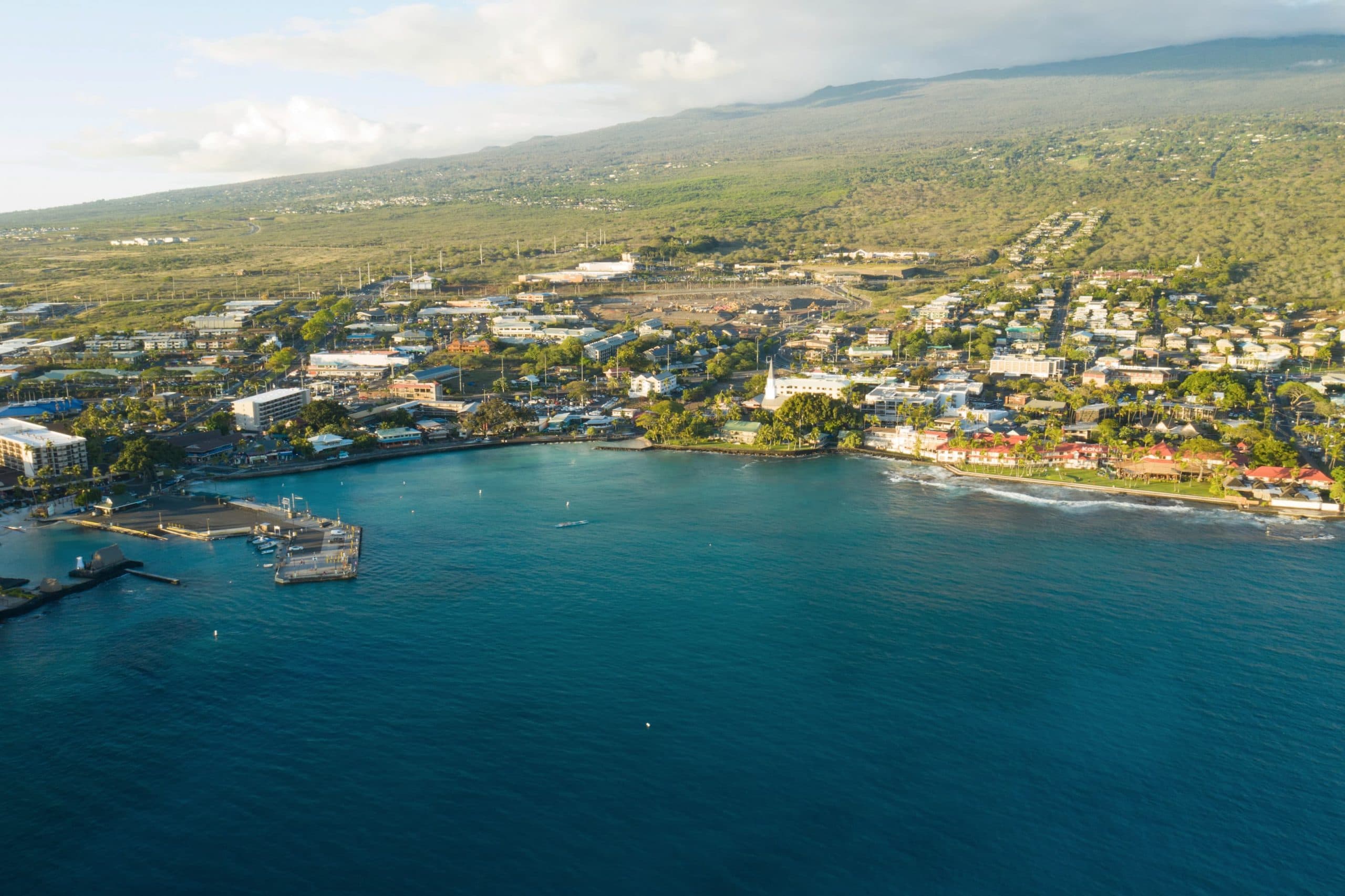
The geography of Kona is defined by its leeward position, meaning it benefits from the “rain shadow” of the Mauna Kea and Mauna Loa volcanoes. This results in consistently sunny weather, making it an ideal location for beach activities, water sports, and outdoor exploration year-round. The coastline here is a tapestry of volcanic rock, white sand, and vibrant coral reefs, providing a stunning backdrop for a wide array of tourism activities.
When people speak of “Kona,” they are often referring to the area encompassing towns like Kailua-Kona, Captain Cook, and Holualoa, as well as the many resorts and beaches that stretch along the coast. This region is the heart of much of the Big Island’s visitor industry, offering a blend of luxury accommodation, authentic local culture, and thrilling adventures.
The Appeal of Kona: Why Travelers Flock to the West Coast
The allure of Kona is multi-faceted, drawing in travelers for a variety of reasons, from the promise of a relaxing beach vacation to the thrill of encountering marine life and the chance to immerse themselves in Hawaiian history and culture.
Beaches and Marine Life: Kona’s Aquatic Playground
The waters off Kona are renowned for their clarity and abundance of marine life, making it a premier destination for snorkeling, diving, and deep-sea fishing. The coral reefs teem with colorful fish, and it’s not uncommon to spot sea turtles (honu), dolphins, and even manta rays. The iconic night manta ray snorkel tours are a bucket-list experience for many, offering a chance to witness these gentle giants glide gracefully through the water under the moonlight.
Some of the most celebrated beaches in the Kona region include:
- Hapuna Beach State Recreation Area: Consistently ranked among the best beaches in the United States, Hapuna Beach boasts a vast expanse of soft white sand, perfect for sunbathing and swimming. The gentle waves make it ideal for families.
- Kauna’oa Beach (also known as Mauna Kea Beach): This crescent-shaped beach is known for its stunning beauty and calm, clear waters, often frequented by guests of the adjacent Mauna Kea Beach Hotel.
- Kahalu’u Beach Park: A popular spot for beginner snorkelers, Kahalu’u Beach offers easy access to vibrant coral gardens and a diverse array of tropical fish, often in shallow, protected waters.
- Magic Sands Beach (also known as La’aloa Beach Park): True to its name, this beach is known for its sand that can mysteriously disappear and reappear with the tides. It’s a beautiful spot for sunbathing and enjoying the ocean breeze, though swimming can sometimes be rough.
The marine ecosystem surrounding Kona is not only beautiful but also crucial to the Hawaiian way of life. The traditional practices of fishing and respecting the ocean are deeply ingrained in the local culture, and visitors are encouraged to learn about and participate in responsible eco-tourism.
Cultural and Historical Significance: Echoes of Old Hawaii
Beyond its natural beauty, Kona is steeped in Hawaiian history and local culture. This region was once the home of Hawaiian royalty and played a significant role in the island’s political and spiritual past.
- Pu’uhonua o Honaunau National Historical Park: This sacred site, also known as the Place of Refuge, offers a profound glimpse into ancient Hawaiian law and custom. Visitors can explore reconstructed temples, royal grounds, and the Great Wall, learning about the significance of this sanctuary.
- Kailua-Kona Pier: A bustling hub of activity, the Kailua-Kona Pier is where fishing boats depart, cruise ships dock, and local life unfolds. It’s a great place to soak in the atmosphere, watch the sunset, and learn about the town’s maritime heritage.
- Hulihe’e Palace: Located in Kailua-Kona, this historic palace was once a vacation home for Hawaiian royalty. Today, it serves as a museum showcasing Hawaiian artifacts and offering insights into the lives of Hawaii’s monarchs.
- Mokuaikaua Church: The oldest Christian church in the Hawaiian Islands, Mokuaikaua Church stands as a testament to the arrival of missionaries and the impact of Christianity on Hawaiian society. Its impressive stone structure is a notable landmark.

Exploring these historical sites provides a deeper appreciation for Kona’s rich heritage and the resilience of Hawaiian culture.
Culinary Delights: A Taste of Kona
The culinary scene in Kona is as diverse as its landscapes, influenced by Hawaiian, Asian, and American traditions. Fresh, local ingredients are paramount, with seafood taking center stage.
- Kona Coffee: No visit to Kona is complete without experiencing its world-renowned coffee. Grown on the fertile volcanic slopes, Kona coffee is prized for its smooth, rich flavor. Numerous coffee farms offer tours and tastings, allowing visitors to learn about the cultivation and processing of this beloved beverage.
- Fresh Seafood: From casual fish tacos to elegant seafood dinners, the bounty of the Pacific Ocean is a staple in Kona. Local eateries often feature the “catch of the day,” prepared with a variety of culinary styles.
- Luau Experiences: For a quintessential Hawaiian dining experience, a luau is a must. These festive gatherings typically include traditional Hawaiian food like kalua pig, poi, and laulau, accompanied by captivating hula performances and music.
Planning Your Kona Adventure: Accommodation, Activities, and Lifestyle
Whether you’re seeking a luxurious escape, a budget-friendly adventure, or a family-friendly getaway, Kona offers a spectrum of options to suit every travel style and lifestyle.
Accommodation in Kona: From Luxury Resorts to Cozy Stays
Kona is home to a wide range of accommodation options, catering to diverse preferences and budgets.
- Resorts: The Kona coast is dotted with world-class resorts that offer an abundance of amenities, including swimming pools, spa services, fine dining restaurants, and direct beach access. Properties like the Four Seasons Resort Hualalai and the Mauna Lani, Auberge Resorts Collection, provide lavish experiences.
- Hotels and Suites: Beyond the sprawling resorts, numerous hotels and suite-style properties are available in Kailua-Kona and surrounding areas, offering comfortable and convenient bases for exploration.
- Apartments and Villas: For longer stays or those seeking more independence, vacation rentals, apartments, and villas offer spacious living arrangements, often with full kitchens and private lanais. This is a popular choice for families and groups.
- Boutique Stays: For a more intimate and personalized experience, Kona also features charming boutique hotels and bed and breakfasts, often nestled in the scenic hills of Holualoa or offering ocean views.
When choosing accommodation, consider its proximity to the activities and beaches you wish to experience. Many resorts are clustered along the northern Kona coast, while Kailua-Kona offers a more central location with easy access to shops, restaurants, and historical sites.
Experiencing Kona: Activities and Attractions
The Kona district is a hub for a vast array of activities, ensuring that every day of your trip can be filled with excitement and discovery.
- Water Sports: Beyond snorkeling and diving, Kona is a prime location for surfing, paddleboarding, kayaking, and sailing. Lessons are readily available for beginners, and experienced enthusiasts will find plenty of challenging waves and open waters.
- Volcano Exploration: While Kona itself is not directly on the active volcanic rift zone, its proximity to Hawaii Volcanoes National Park makes day trips to witness the power of Kilauea and Mauna Loa a popular excursion.
- Stargazing: The summit of Mauna Kea, the tallest mountain in Hawaii, is one of the world’s premier locations for astronomical observation. While the summit itself requires a 4WD vehicle and acclimatization, the visitor information station offers incredible stargazing opportunities.
- Hiking and Nature Trails: The diverse landscape of the Big Island provides numerous hiking opportunities, from coastal trails to lush rainforest paths. The Waipio Valley Lookout and the Akaka Falls State Park (though slightly north of the core Kona region) offer stunning natural beauty.
- Cultural Workshops and Classes: Immerse yourself in Hawaiian culture by participating in workshops such as lei-making, hula lessons, or even learning to play the ukulele.
Lifestyle in Kona: Embracing the Aloha Spirit
The lifestyle in Kona is characterized by the “aloha spirit” – a philosophy of warmth, hospitality, and respect. Whether you’re on a luxury travel sojourn, a budget travel expedition, a memorable family trip, or a practical business stay, you’ll find the locals welcoming and eager to share their island paradise.
The pace of life in Kona is generally relaxed, encouraging visitors to slow down, savor the moments, and connect with the natural beauty surrounding them. Sunsets are a daily spectacle, often enjoyed from beachfront restaurants or quiet coves. The emphasis is on enjoying the outdoors, appreciating the ocean’s embrace, and experiencing the unique blend of Hawaiian traditions and modern island living.
In conclusion, the answer to “Is Kona on the Big Island of Hawaii?” is a definitive yes. It is more than just a location; it’s an experience. From its sun-drenched beaches and vibrant underwater worlds to its rich historical tapestry and warm, inviting culture, Kona represents the quintessential Hawaiian dream, waiting to be discovered on the magnificent Big Island.
LifeOutOfTheBox is a participant in the Amazon Services LLC Associates Program, an affiliate advertising program designed to provide a means for sites to earn advertising fees by advertising and linking to Amazon.com. Amazon, the Amazon logo, AmazonSupply, and the AmazonSupply logo are trademarks of Amazon.com, Inc. or its affiliates. As an Amazon Associate we earn affiliate commissions from qualifying purchases.