
The allure of Hawaii is undeniable, a tropical paradise conjuring images of pristine beaches, lush rainforests, and vibrant cultures. When planning a trip to the Aloha State, one often encounters names like Oahu, Maui, and the enigmatic “Big Island.” But within this vast archipelago, a question frequently arises for first-time visitors: “Is Kona actually the Big Island of Hawaii?” This article aims to clarify this common point of confusion, delving into the geographical relationship between Kona and the island officially known as the Island of Hawaiʻi.
Understanding the Geography: Island vs. Region
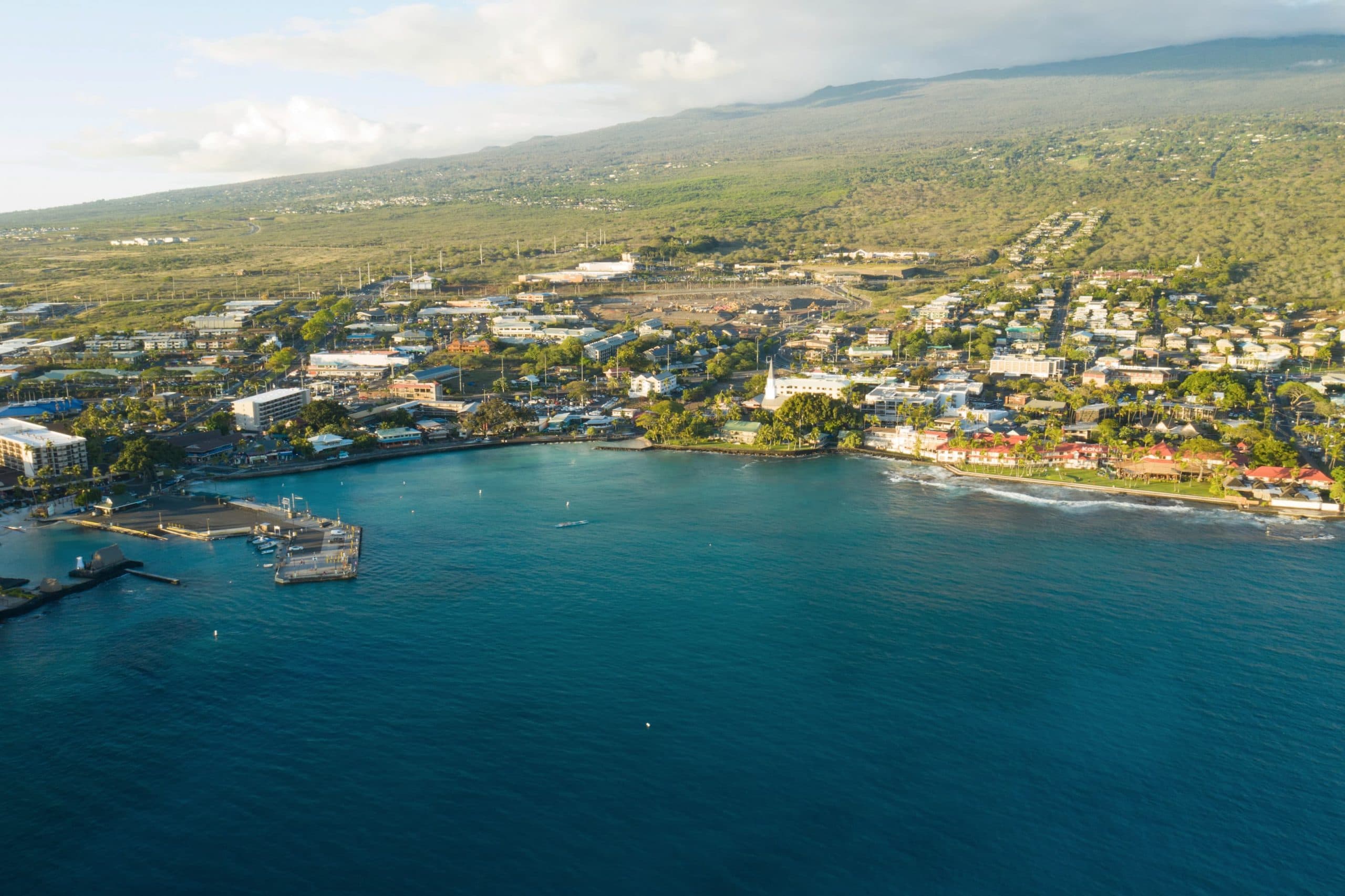
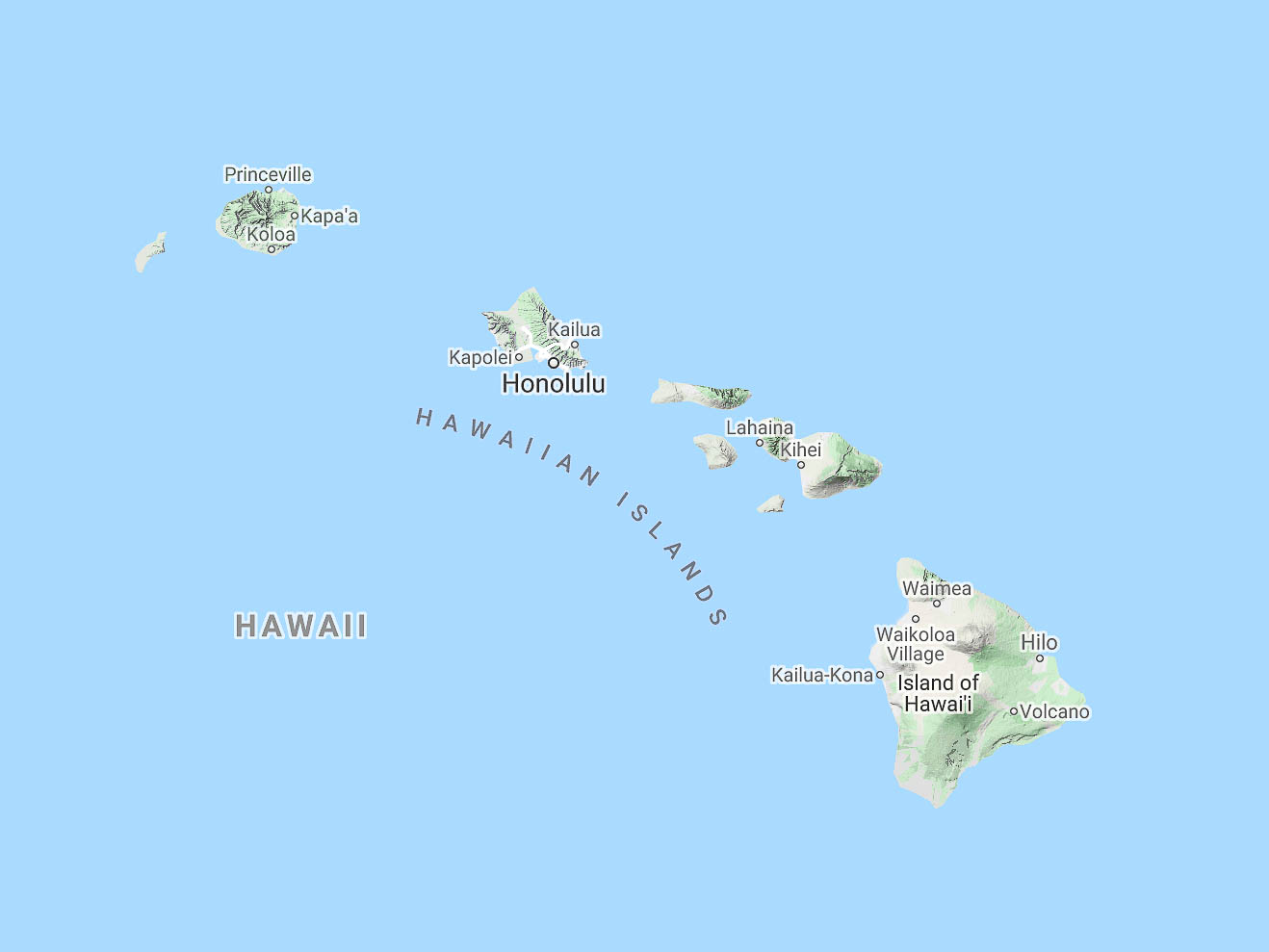
The primary source of this question stems from how the name “Kona” is commonly used in a travel context. While many associate “Kona” with a specific destination, it’s crucial to understand that it refers to a region on the island, not the island itself. The island of Hawaii is the largest of the Hawaiian Islands, hence its widely used nickname: the Big Island. Kona is situated on the western coast of this expansive island, and its popularity as a tourist hub has led to its name becoming almost synonymous with a Hawaiian vacation for many.
The Official Name: Island of Hawaiʻi
The official name of the largest island in the Hawaiian chain is the Island of Hawaiʻi. This name was officially designated to distinguish it from the state as a whole. However, to avoid confusion, the island is overwhelmingly referred to as the “Big Island.” This moniker highlights its sheer size and geographical diversity, encompassing everything from snow-capped volcanoes to black sand beaches and verdant valleys.
Kona: A Distinct Region on the Big Island
Kona is not an island, but rather a district and a climatic region located on the western side of the Big Island. This area is renowned for its sunny weather, abundant sunshine, and generally drier climate compared to the wetter, windward (eastern) side. The name “Kona” itself originates from the Hawaiian word for “leeward,” referring to the side of the island protected from the prevailing trade winds. This leeward location contributes to the pleasant and consistent weather that makes Kona a prime spot for tourism and outdoor activities.
Why the Confusion? The Influence of Tourism
The widespread use of “Kona” in travel itineraries, hotel names, and tour descriptions has understandably led to confusion. Many visitors book flights and accommodations “in Kona,” intending to visit the Big Island. This isn’t incorrect, as the primary airport serving the western side of the island is Kona International Airport (KOA), and numerous resorts and attractions are located within the Kona district.
The “Kona Coast” and Its Appeal
The “Kona Coast” is a celebrated stretch of the Big Island’s western shoreline, famous for its breathtaking sunsets, excellent snorkeling and diving opportunities, and pristine beaches like Hapuna Beach State Recreation Area and Kaunaʻoa Beach. It’s also home to significant historical sites, such as the Puʻuhonua o Hōnaunau National Historical Park, a place of refuge in ancient Hawaiian times. The concentration of these attractions and the established tourism infrastructure in the Kona region have solidified its identity as a key gateway to the Big Island experience.
“Kona Coffee” and Other Local Identifiers
Another factor contributing to the confusion is the global recognition of “Kona coffee.” This highly sought-after coffee is grown in the fertile volcanic soil of the Hōnaunau region of Kona, on the slopes of Hualālai volcano. The brand recognition associated with “Kona” coffee further embeds the name into the consciousness of those planning a trip, often leading them to mistakenly believe “Kona” is the island’s name.
Navigating the Big Island: Understanding Kona’s Place

For travelers, recognizing that Kona is a region on the Big Island is essential for effective planning and a more enriching experience. While your destination might be “Kona,” your flight will land on the Island of Hawaiʻi, and your exploration will encompass a much larger and diverse landscape than just the Kona district.
Key Destinations within the Kona Region
The Kona district itself offers a wealth of experiences. Key towns and areas within Kona include:
- Kailua-Kona: Often referred to simply as “Kona,” this bustling town is the historical and commercial heart of the region. It boasts a lively waterfront, numerous shops, restaurants, and historical landmarks like the Huliheʻe Palace.
- Keauhou: South of Kailua-Kona, this area is known for its beautiful bays, golf courses, and historical sites, including the ancient Kamehameha III vacation site.
- South Kona: This stretch extends further south, offering more secluded beaches, coffee farms, and the renowned Puʻuhonua o Hōnaunau National Historical Park.
Exploring Beyond Kona: The Diversity of the Big Island
It is crucial to remember that the Big Island is vast and incredibly diverse. While Kona offers a fantastic introduction to island life with its sunny beaches and resorts, there is so much more to explore. Venture beyond the Kona coast and discover:
- Volcanoes National Park: Home to the active Kīlauea and dormant Mauna Loa volcanoes, this UNESCO World Heritage site is a must-visit for its geological wonders and dramatic landscapes.
- Hilo: Located on the wetter, eastern side of the island, Hilo is a charming town known for its lush botanical gardens, powerful waterfalls like Akaka Falls State Park, and a more local, less tourist-centric atmosphere.
- Waipiʻo Valley: This sacred and stunning valley on the northern Hamakua Coast is a place of profound historical and cultural significance, though access is restricted.
- The Island’s Northern and Southern Tips: Explore the rugged beauty of the northern coastline or the unique landscapes of the southern tip, including Punaluʻu Black Sand Beach.
Practical Tips for Your Big Island Adventure
Understanding the relationship between Kona and the Big Island will greatly enhance your travel experience. When booking your trip, be mindful of the following:
Booking Flights and Accommodation
Your flight will likely arrive at Kona International Airport (KOA) or Hilo International Airport (ITO). Both serve the Island of Hawaiʻi. When searching for accommodation, specify that you are looking for options on the “Big Island” and then narrow down your search to specific regions like “Kona” or “Volcano Village” depending on your interests. Many resorts are located along the Kona-Kohala Coast, a stretch of prime real estate renowned for luxury accommodations and stunning beaches.
Transportation on the Island
Renting a car is highly recommended for exploring the Big Island. The distances between different regions are significant, and having your own vehicle provides the freedom to discover hidden gems at your own pace. Navigational apps will guide you, but understanding that you are traveling on the Big Island, and within regions like Kona or Puna, will help you orient yourself.
Embracing the Island’s Diversity
The beauty of the Big Island lies in its incredible diversity. By understanding that Kona is a region on this vast island, you can better plan an itinerary that showcases its full spectrum of natural wonders, cultural heritage, and unique activities. Whether you choose to base yourself in the sunny Kona district or explore the volcanic landscapes near Hilo, you are ultimately experiencing the magic of the Island of Hawaiʻi, the magnificent Big Island.